 WhatsApp
 Emergency:
  WhatsApp




Subscribe to our

Urological health is an essential component of overall well-being for men. As men age, they become increasingly vulnerable to urological conditions, some of which can impact their daily lives and quality of life. Understanding the significance of maintaining urological health is crucial, as issues such as urinary tract infections, prostate problems, and erectile dysfunction can have both physical and emotional effects.
Seeking care from the Top Urology Hospitals in Noida can provide early intervention and help men prevent or manage these conditions. In this blog, we will discuss common urological issues faced by men, their prevention, and how to manage them effectively.
Book a consultation with our experienced urologists at Felix Hospital and get the personalized care you need to stay healthy.
Several urological conditions are common among men, ranging from infections to more complex diseases. Understanding these issues, their symptoms, and available treatment options can lead to early detection and better management.
A proactive approach to urological health can help prevent many common issues. By adopting the following preventive measures, men can reduce their risk of developing urological problems.
When urological health issues arise, timely management can help reduce their impact. Here are some management strategies for common conditions:
Regular screenings play a vital role in maintaining urological health and detecting issues early. Prostate health screenings, including PSA tests and digital rectal exams, are essential for men over the age of 50 or those with a family history of prostate cancer. Testicular exams should also be part of routine check-ups to detect any abnormalities. Kidney function checks and imaging tests can help identify kidney stones before they become problematic.
For more information, or to schedule a consultation with the best urologists in Noida, call us now at +91 9667064100.
Maintaining good urological health is essential for men of all ages. Preventive measures such as staying hydrated, maintaining a healthy weight, and seeking regular screenings can significantly reduce the risk of developing urological issues. If you’re concerned about the Male Urology Treatment Cost in Noida, our team at Felix Hospital offers cost-effective solutions without compromising on the quality of care. Taking proactive steps toward your urological health will help you lead a healthier, more comfortable life.
Experience safe, advanced, and result-oriented Erectile Dysfunction treatment in Noida with expert urologist in noida at Felix Hospital.
Q- What are the early signs of prostate problems?
Ans- Common early signs include frequent urination, difficulty starting or stopping urination, and pelvic discomfort. A urologist can help with early diagnosis.
Q- How can I prevent kidney stones?
Ans- Staying hydrated, reducing salt intake, and avoiding foods high in oxalates are essential steps in preventing kidney stones.
Q- What lifestyle changes can help manage erectile dysfunction?
Ans- Regular exercise, a balanced diet, and quitting smoking can significantly improve erectile function alongside other medical treatments.
Q- How often should men get prostate screenings?
Ans- Men over 50 should get regular screenings, including PSA tests and digital rectal exams, especially if they have a family history of prostate cancer.
Q- What should I do if I experience blood in my urine?
Ans- Blood in the urine may indicate an infection, kidney stones, or other issues. It’s crucial to seek medical attention for proper diagnosis and treatment.
Q- What are the treatment options for urinary incontinence?
Ans- Treatments for incontinence may include pelvic floor exercises, medications, and in some cases, surgery, depending on the underlying cause.
Q- Can diet affect prostate health?
Ans- Yes, a diet high in fruits, and vegetables, and low in saturated fats can promote prostate health and reduce the risk of prostate-related issues.

Urological health is vital for well-being, influenced by diet and exercise. Good nutrition and activity help prevent conditions like UTIs, kidney stones, and cancers.

Hormones are the chemicals that regulate various bodily functions in both men and women.
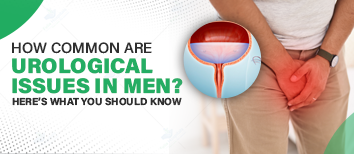
Urological health plays a crucial role in men’s overall well-being, affecting both urinary and reproductive functions.
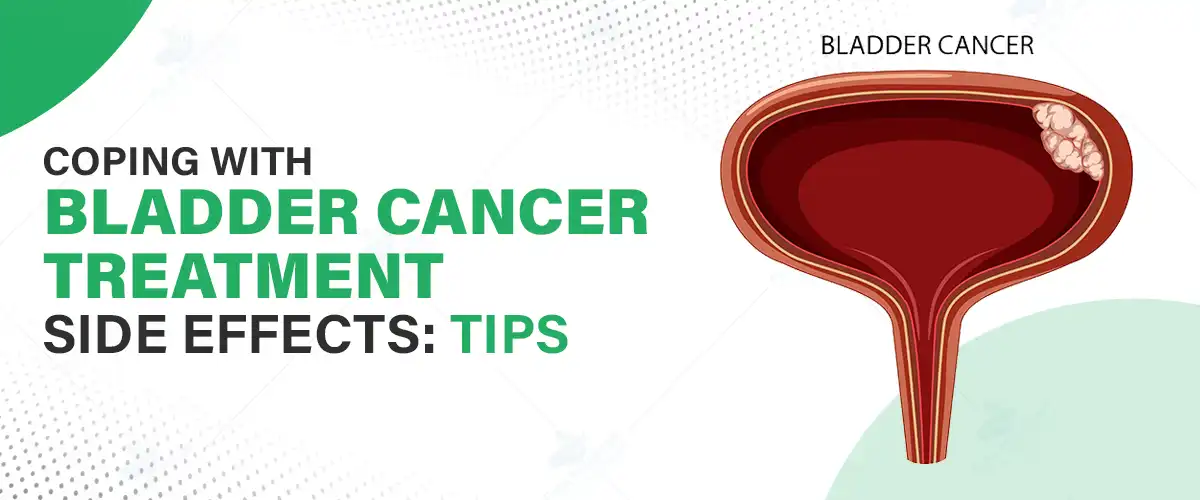
Bladder cancer is one of the most common types of cancer affecting the urinary system. It is often diagnosed in the later stages, but early detection significantly improves treatment outcomes. Common treatment options for bladder cancer include surgery, chemotherapy, radiation, and immunotherapy. While these treatments can be highly effective, they come with a range of side effects that can affect a patient's physical, emotional, and mental well-being.
As you undergo bladder cancer treatment, it's important to manage these side effects to maintain your quality of life. Finding the Best Hospital for Bladder Cancer Treatment, such as Felix Hospital, can ensure you receive the most comprehensive care to help mitigate these challenges.
Let’s explore some common bladder cancer treatment side effects and provide tips on coping with them.
Book your consultation and Meet the doctor at Felix Hospital's urology department today.
Each treatment modality comes with its own set of potential side effects. Understanding them is essential for effective management.
Managing bladder cancer treatment side effects involves a combination of medication, lifestyle changes, and professional guidance.
The emotional toll of bladder cancer treatment can be significant, and it's important to seek help when needed.
Proper nutrition and lifestyle changes can play a key role in supporting recovery from bladder cancer treatment.
While most side effects of bladder cancer treatment are manageable, some symptoms require professional intervention.
Dr. Bhanwar Lal Barkesiya, the best urologist at Felix Hospitals, has been awarded a gold medal by our President, Smt. Draupadi Murmu. Dr. Barkesiya specializes in bladder cancer treatment and offers personalized care tailored to each patient's needs. His expertise and compassionate approach make him a sought-after doctor for treatment in Noida.
For more information or to schedule a consultation without the Best Urologist at Felix Hospitals, Call us at +91 9667064100.
Coping with the side effects of bladder cancer treatment is an ongoing process, but it is entirely manageable with the right strategies and support. Always seek medical advice when needed and prioritize self-care to navigate through the challenges of your treatment.
If you're concerned about bladder cancer treatment costs in Noida, our team at Felix Hospital is here to assist you in providing cost-effective solutions while ensuring high-quality care.
Q- How long do bladder cancer treatment side effects last after surgery?
Ans- Side effects from surgery, such as pain and urinary changes, typically last a few weeks to months, depending on the procedure and individual recovery.
Q- Can I continue my daily activities during chemotherapy for bladder cancer?
Ans- While chemotherapy may cause fatigue and nausea, many patients can continue light daily activities with rest periods, adjusting based on how they feel.
Q- What dietary changes should I make to help manage bladder irritation from radiation therapy?
Ans- Avoid bladder irritants like caffeine, alcohol, and spicy foods, and drink plenty of water to help manage bladder irritation during radiation therapy.
Q- How can I manage emotional stress during bladder cancer treatment?
Ans- Incorporating mindfulness, deep breathing exercises, and support groups can significantly reduce emotional stress and anxiety during treatment.
Q- Are there any specific exercises I can do to reduce fatigue during bladder cancer recovery?
Ans- Gentle exercises such as walking and stretching can help reduce fatigue, but always check with your doctor before starting any new physical activity.
Q- What signs should I watch for that indicate my bladder cancer treatment side effects are worsening?
Ans- Seek medical attention if you experience severe pain, difficulty urinating, persistent fatigue, or signs of infection like fever or chills.
Urological health is vital for well-being, influenced by diet and exercise. Good nutrition and activity help prevent conditions like UTIs, kidney stones, and cancers.
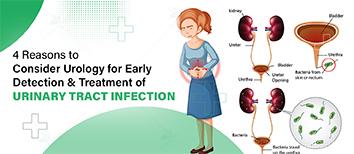
One of the best hospitals for urinary tract treatment in Noida offers comprehensive urology care, featuring expert urologists and advanced diagnostic and treatment facilities.
Urological health plays a crucial role in men’s overall well-being, affecting both urinary and reproductive functions.

Urological health plays a crucial role in men’s overall well-being, affecting both urinary and reproductive functions. From young adults to elderly individuals, men across all age groups experience various urological conditions that can impact their quality of life. The prevalence of these issues highlights the importance of recognizing symptoms early and seeking timely treatment at the best urology hospital in Noida to prevent complications.
For expert care, schedule a consultation with the Best urologist at Felix Hospitals by Calling +91 9667064100.
Urological issues refer to medical conditions that affect the urinary tract, kidneys, bladder, and male reproductive organs. These conditions can range from mild infections to severe disorders requiring surgical interventions. Some of the Top Urology Issues Affecting Men include:
Urological issues are widespread among men, with research indicating that nearly 30-50% of men experience some form of urological disorder during their lifetime. The frequency of these problems varies with age:
Lifestyle factors such as obesity, poor diet, smoking, and a sedentary routine contribute significantly to the rise of these issues, making regular check-ups at a best urology hospital in Noida essential for early detection and treatment.
1. Urinary Tract Infections (UTIs)
2. Erectile Dysfunction (ED)
3. Benign Prostatic Hyperplasia (BPH)
4. Prostate Cancer
5. Kidney Stones
6. Urinary Incontinence
If you are experiencing symptoms of an Overactive Bladder (OAB) or any urological disorder, consult Dr. Bhanwar Lal Barkesia, one of the most highly experienced urologists in noida at Felix Hospital. Dr. Barkesia specializes in diagnosing and treating OAB, kidney disorders, prostate problems, and male infertility. With a patient-centric approach, he provides personalized treatments for individuals dealing with conditions linked to diabetes, obesity, and chronic diseases. If you are searching for the best doctor for urology treatment in Noida, Felix Hospital is your trusted destination.
Urological issues are a common yet often overlooked aspect of men’s health. Conditions like BPH, erectile dysfunction, and prostate cancer can significantly impact daily life if not addressed timely. Prioritizing urological health through regular check-ups, lifestyle improvements, and expert medical guidance can help men lead a healthy life.
Q1- Can frequent nighttime urination be a sign of a serious urological issue?
ANS: Yes, excessive nighttime urination (nocturia) can indicate an underlying condition such as an enlarged prostate (BPH), diabetes, or even an overactive bladder. If you wake up multiple times at night to urinate, it’s advisable to consult a urologist.
Q2- Is there a connection between kidney stones and prostate health?
ANS: While kidney stones and prostate conditions like BPH or prostate cancer are separate issues, they can sometimes share symptoms like painful urination or urinary blockage. Additionally, dehydration, which contributes to kidney stones, can also impact prostate health.
Q3- Can erectile dysfunction be an early warning sign of heart disease?
ANS: Yes, erectile dysfunction (ED) can be an early indicator of cardiovascular problems. Poor blood flow due to clogged arteries can affect both heart health and erectile function. If you experience persistent ED, a cardiac check-up might be beneficial.
Q4- How does obesity contribute to urological problems in men?
ANS: Obesity increases the risk of several urological issues, including kidney stones, erectile dysfunction, and lower urinary tract symptoms (LUTS) associated with BPH. Excess weight puts pressure on the bladder, leading to incontinence and worsening urinary symptoms.
Q5- Can stress and anxiety trigger urinary problems in men?
ANS: Yes, psychological factors such as stress and anxiety can lead to overactive bladder symptoms, frequent urination, or even exacerbate erectile dysfunction. Stress management techniques like meditation and exercise can help improve urological health.
Q6- Does prolonged sitting impact prostate health?
ANS: Sitting for extended periods can put pressure on the prostate gland, potentially leading to discomfort, prostatitis (inflammation), or worsening BPH symptoms. Regular movement and proper posture can help alleviate these issues.
Q7- Are there any early signs of prostate cancer that are often overlooked?
ANS: Prostate cancer can be asymptomatic in its early stages. However, subtle signs such as unexplained weight loss, changes in bowel habits, discomfort in the pelvic area, or mild difficulty urinating should not be ignored and warrant a medical check-up.
Urological health is vital for well-being, influenced by diet and exercise. Good nutrition and activity help prevent conditions like UTIs, kidney stones, and cancers.
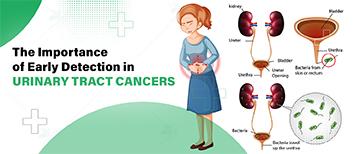
For instance, bladder cancer has a five-year survival rate of about 77% when diagnosed early, compared to just 5% in advanced stages. Early diagnosis directly correlates with improved outcomes and survival rates.
One of the best hospitals for urinary tract treatment in Noida offers comprehensive urology care, featuring expert urologists and advanced diagnostic and treatment facilities.
Our urology and oncology specialists bring extensive experience and expertise in treating various forms of urological cancer.
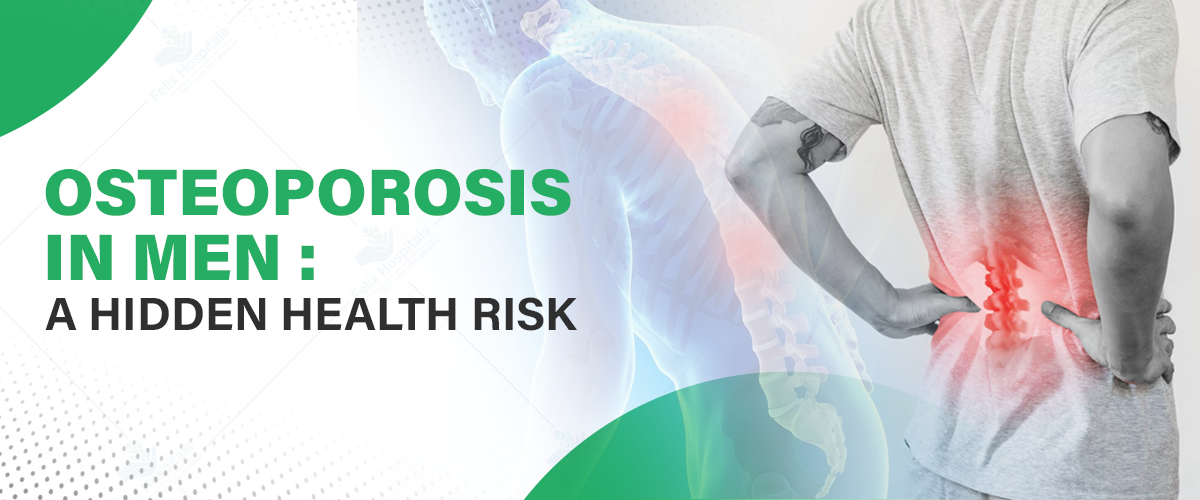
Osteoporosis is often seen as a health condition that primarily affects women, but this is a misconception. While women are at higher risk, osteoporosis in men is a growing concern that many overlook. As a silent condition, osteoporosis can gradually weaken bones, leading to fractures without warning. Raising awareness about osteoporosis in men is crucial, and understanding the risks, prevention, and treatment options can help men maintain better bone health. At the Best Hospital for Osteoporosis Treatment in Noida, we are dedicated to offering the best care for men battling this hidden health risk.
Visit the Best Hospital for personalized care and prevention strategies tailored to men. Call us Today at +91 9667064100.
Osteoporosis is a condition that causes bones to become weak and brittle, increasing the risk of fractures. The disease affects bone density in men, causing bones to lose their strength and structure over time. As a result, even a minor fall or injury can lead to significant fractures. Osteoporosis in men can often go unnoticed until a fracture occurs, making early detection and regular screening vital to manage the condition effectively.
While osteoporosis is often associated with women, men are also at significant risk. Studies show that approximately one in four men over the age of 50 will experience an osteoporosis-related fracture. Despite these statistics, osteoporosis in men is often underdiagnosed and undertreated. There is a misconception that men are less likely to develop osteoporosis, which can delay diagnosis and treatment. This delay puts men at risk for severe fractures and loss of mobility. The prevalence of osteoporosis in men is rising, and it is essential to increase awareness and understanding of the disease to mitigate its impact.
Several factors contribute to the development of osteoporosis in men, making it crucial to understand the risks involved:
Osteoporosis often develops without symptoms until a fracture occurs, which is why it’s important to pay attention to potential early warning signs:
Bone density in men can be assessed through regular screenings like a DEXA scan, which helps detect osteoporosis before fractures occur. Early intervention through screening can help prevent further bone damage and improve bone health.
Osteoporosis in men typically develops due to an imbalance between bone resorption (breakdown) and bone formation. As men age, the body’s ability to form new bone tissue decreases, and the breakdown of old bone increases. This results in a gradual loss of bone mass and density. The role of male hormones, specifically testosterone, is crucial in maintaining bone health. Lower testosterone levels can lead to a reduction in bone density, increasing the risk of osteoporosis.
While osteoporosis in men can’t always be prevented, there are several strategies to reduce the risk and promote bone health:
It’s essential to get regular screenings to assess bone health, especially as men age or have risk factors. The DEXA scan (Dual-energy X-ray absorptiometry) is the most common test used to measure bone density in men. Early detection of low bone density can help prevent fractures and improve outcomes. Additionally, X-rays and blood tests may be used to evaluate bone health and identify underlying conditions affecting the bones.
If osteoporosis is diagnosed, there are several treatment options available:
Living with osteoporosis means making some adjustments to prevent fractures and maintain mobility:
If you're seeking expert care to address osteoporosis in men and maintain optimal bone health, consider consulting with these distinguished orthopedic specialists:
Schedule a consultation with one of these specialists to receive personalized guidance on managing osteoporosis in men and maintaining strong, healthy bones.
Take Charge of Your Bone Health! Schedule a consult with our specialists to ensure your bones stay strong and healthy.
Osteoporosis in men is a growing health concern that requires attention and proactive management. By raising awareness about osteoporosis in men, encouraging regular screenings, and promoting healthy lifestyle changes, men can better manage their bone health and reduce the risk of fractures. It’s crucial to seek professional help at the Best Hospital for Osteoporosis Treatment in Noida to ensure a personalized approach to bone health. Regular check-ups, early diagnosis, and effective treatment strategies are the keys to maintaining strong bones and an active lifestyle.
1. What are the early signs of osteoporosis in men, and how can they be detected?
Ans: Early signs include back pain, height loss, and fractures from minor falls. Regular bone density tests, like a DEXA scan, can help detect osteoporosis early.
2. Can low testosterone levels directly lead to osteoporosis in men?
Ans: Yes, low testosterone reduces bone density, increasing the risk of osteoporosis and fractures.
3. How often should men undergo bone density screenings?
Ans: Men over 50 or those with risk factors should consider a DEXA scan every 1-2 years, as recommended by their doctor.
4. Are lifestyle changes enough to prevent osteoporosis in men?
Ans: While lifestyle changes like diet, exercise, and avoiding smoking help, some men may need medications or supplements for effective prevention.
5. What role does vitamin D play in preventing osteoporosis in men?
Ans: Vitamin D enhances calcium absorption, which is essential for maintaining bone strength and preventing osteoporosis.
6. Is osteoporosis in men treatable after diagnosis?
Ans: Yes, with medications, lifestyle adjustments, and managing underlying conditions, osteoporosis can be managed effectively.
7. Are fractures from osteoporosis in men harder to heal compared to women?
Ans: Fractures may heal more slowly if bone density is significantly compromised, emphasizing the importance of early intervention and treatment.

Bursitis is the inflammation of a bursa—a small fluid-filled sac that cushions bones, tendons, and muscles near joints. It commonly affects the shoulder, elbow, hip, or knee.

Bone fractures are common injuries from accidents or falls. While many heal well, complications can arise, affecting recovery. Learn more about these issues and treatments.

Osteoporosis, often called the "silent disease," is a condition that weakens bones, making them fragile and prone to fractures. Bone health is a cornerstone of overall well-being, influencing mobility, physical strength, and quality of life. Ensuring strong bones not only helps you stay active but also reduces the risk of fractures, particularly as you age. The significance of prevention and early intervention cannot be overstated. Regular bone health checks at the Best Hospital for Osteoporosis Treatment in Noida can help identify risks early and ensure timely management.
Take charge of your bone health today! Consult a healthcare provider by calling +91 9667064100 to learn more about how to strengthen bones.
Osteoporosis is a condition where bone density decreases, leading to brittle and fragile bones. This occurs when bone resorption (breakdown) outpaces bone formation. Factors contributing to osteoporosis include aging, hormonal changes, genetics, and lifestyle habits such as poor diet and inactivity. Women, especially postmenopausal women, are at a higher risk due to a rapid decline in estrogen levels.
Bone density loss often progresses unnoticed until a fracture occurs, commonly in the hips, spine, or wrists. These fractures can have severe consequences, including chronic pain, limited mobility, and a decline in overall quality of life. Recognizing the risk factors and taking preventive steps early can mitigate these outcomes.
Strong bones are essential for leading a healthy and active lifestyle. They support the body’s structure, protect vital organs, and store minerals like calcium and phosphorus. Osteoporosis significantly impacts daily activities, often restricting mobility and causing pain.
Left untreated, osteoporosis can lead to a series of debilitating fractures that reduce independence and increase healthcare costs. Maintaining bone health is vital not only for preventing fractures but also for sustaining long-term mobility and quality of life. Regular screenings and early interventions are crucial to minimize the risk and ensure strong, healthy bones throughout life.
Calcium-Rich Foods: Include dairy products like milk, yogurt, and cheese, as well as leafy greens such as kale and broccoli.
Vitamin D Sources: Ensure adequate intake of vitamin D through sunlight, fatty fish, and fortified cereals.
Additional Nutrients: Incorporate magnesium, potassium, and vitamin K from nuts, seeds, and whole grains to support bone health.
Weight-Bearing Exercises: Activities like walking, jogging, and dancing help improve bone density by stimulating bone formation.
Strength Training: Lifting weights and resistance exercises strengthen both muscles and bones.
Flexibility and Balance: Yoga and Pilates enhance balance, reducing the risk of falls and fractures.
Quit Smoking: Smoking reduces blood circulation to the bones, impairing their strength.
Limit Alcohol Consumption: Excessive alcohol interferes with calcium absorption, weakening bones.
Sunlight Exposure: Aim for 15-20 minutes of daily sunlight to boost vitamin D levels naturally.
Calcium and Vitamin D Supplements: Essential for bone strength and density.
Bisphosphonates: Help slow down bone loss and improve bone density.
Hormone Replacement Therapy (HRT): Particularly beneficial for postmenopausal women to maintain hormonal balance and prevent bone loss.
Regular DEXA scans (bone density tests) are vital to monitor bone health and detect osteoporosis early. Specialized services at a trusted bone and joint hospital ensure precise diagnosis and effective treatment.
If you experience symptoms such as back pain, a loss of height, or fractures, it’s essential to seek professional advice. Early consultation can prevent further complications and ensure effective management.
Osteoporosis, if left untreated, can lead to life-altering complications such as hip fractures, chronic pain, and reduced mobility. These fractures often require prolonged recovery and rehabilitation, significantly affecting independence and quality of life. Early prevention through a balanced diet, regular exercise, and medical interventions can mitigate these risks.
Adopting healthy habits early in life ensures better bone health, allowing you to remain active and independent as you age. Awareness and proactive steps are the keys to preventing osteoporosis naturally and maintaining a healthy lifestyle.
Key Takeaways
Osteoporosis prevention starts with a balanced diet rich in calcium and vitamin D, regular exercise, and a healthy lifestyle.
Quitting smoking, reducing alcohol intake, and ensuring adequate sunlight exposure are crucial steps to protect bone health.
Regular bone density screenings and consultations with healthcare providers can help identify risks early and ensure timely treatment.
If you're seeking expert care to prevent osteoporosis and support bone health, consider consulting the following renowned orthopedic specialists:
Dr. Binay Kumar Sahu: Known for his comprehensive approach to bone health, focusing on prevention and treatment strategies for osteoporosis.
Dr. Keshav Goel: An expert in musculoskeletal care, specializing in early diagnosis and tailored treatment plans to maintain strong bones.
Dr. Piyush Kumar Singh: Combines orthopedic expertise with a commitment to patient education, ensuring effective prevention strategies for bone-related issues.
Dr. Varun Aggarwal: Specializes in managing bone density loss, offering advanced solutions to help prevent and treat osteoporosis.
Schedule a consultation with a specialist to get personalized advice on maintaining strong bones and a healthy lifestyle.
Proactive bone health management is crucial to prevent osteoporosis and maintain a high quality of life. With the right diet, exercise, and medical care, you can strengthen your bones and reduce the risk of fractures. Remember, it’s never too early or too late to take action. Consult a healthcare provider today to develop a personalized plan for maintaining your bone health and preventing osteoporosis naturally.
1. How can I assess my risk for osteoporosis early?
Ans: A bone density test (DEXA scan) and reviewing risk factors like age, family history, and lifestyle help assess early osteoporosis risk.
2. Are there foods that can worsen bone health?
Ans: Avoid excessive sodium, caffeine, and animal protein, as they can lead to calcium loss and weaken bones.
3. Can osteoporosis be reversed with lifestyle changes?
Ans: Osteoporosis can't be reversed, but lifestyle changes can slow progression and prevent fractures.
4. What are the long-term effects of osteoporosis medications?
Ans: Bisphosphonates and HRT help improve bone density but can have side effects, like jaw issues or hormonal risks.
5. How does physical therapy help with osteoporosis?
Ans: Physical therapy strengthens muscles and improves balance, reducing the risk of falls and fractures.
6. Is osteoporosis prevention important if I feel healthy but have a family history?
Ans: Yes, prevention is key even if healthy, especially with a family history of fractures, to reduce future risk.
Bursitis is the inflammation of a bursa—a small fluid-filled sac that cushions bones, tendons, and muscles near joints. It commonly affects the shoulder, elbow, hip, or knee.
Bone fractures are common injuries from accidents or falls. While many heal well, complications can arise, affecting recovery. Learn more about these issues and treatments.
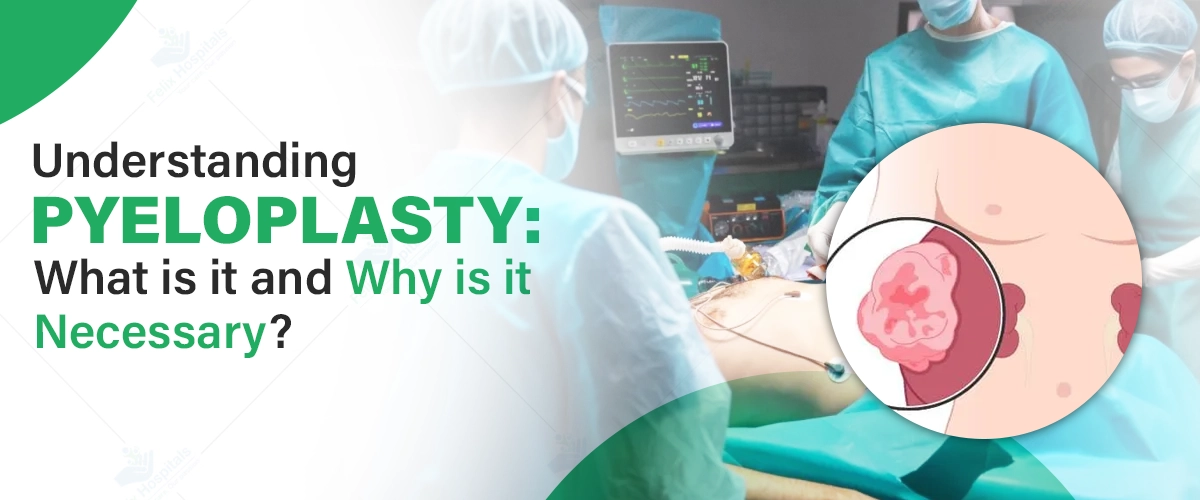
Pyeloplasty is a surgical procedure performed to correct a blockage in the ureteropelvic junction (UPJ), ensuring proper urine flow from the kidney to the bladder. This procedure is crucial for maintaining kidney health and overall urinary function. In some cases, pyeloplasty surgery in children is required to correct congenital abnormalities that hinder urine drainage.
People experiencing severe kidney-related issues due to UPJ obstruction may need pyeloplasty to prevent further complications. Early diagnosis and timely intervention can significantly improve kidney function and overall well-being.
Don't let UPJ obstruction compromise your well-being. Book a consultation today and take the first step toward relief! Call us now at +91 9667064100.
Pyeloplasty is a surgical procedure aimed at reconstructing the ureteropelvic junction (UPJ) to restore normal urine flow. This treatment effectively relieves obstruction, preventing kidney damage and infections. Pyeloplasty surgery types vary based on the approach used, ranging from open to minimally invasive techniques.
Common conditions treated with pyeloplasty include:
UPJ obstruction occurs due to various factors, including congenital and acquired causes. Identifying the underlying cause helps determine the most effective treatment approach.
Some individuals are born with a narrowed or blocked UPJ due to improper fetal development. This congenital condition is one of the most common causes of UPJ obstruction and is often diagnosed in infants or young children.
Large kidney stones can obstruct urine flow at the UPJ, leading to pain and swelling in the kidney. When stones fail to pass naturally, they may necessitate surgical intervention, including pyeloplasty.
Previous kidney infections, surgeries, or inflammatory conditions can result in scar tissue buildup at the UPJ. This scarring may restrict urine flow, requiring surgical correction.
Blunt trauma to the kidney or specific medical conditions affecting urinary tract development can impair normal urine drainage, leading to UPJ obstruction.
Patients with UPJ obstruction may experience a range of symptoms that indicate the need for pyeloplasty surgery. These symptoms can vary in severity depending on the degree of obstruction.
Early recognition of these symptoms allows for timely medical intervention, reducing the risk of long-term complications.
To confirm the need for pyeloplasty surgery, doctors perform several diagnostic tests to assess kidney function and detect any structural abnormalities.
Early diagnosis is essential for preventing severe kidney damage and ensuring effective treatment.
Pyeloplasty surgery types include open pyeloplasty, laparoscopic pyeloplasty, and robotic-assisted pyeloplasty. The choice of technique depends on the patient’s condition and the surgeon’s expertise.
Post-operative care is crucial for a successful recovery. Patients should follow these guidelines:
Although pyeloplasty surgery is generally safe, potential risks include:
Pyeloplasty provides multiple advantages, including:
If you are searching for a pyeloplasty surgery doctor in Noida, Felix Hospital provides expert care under the supervision of Dr. Bhanwar Lal Barkesiya, a highly experienced urologist specializing in pyeloplasty procedures. His expertise ensures the best treatment outcomes for patients suffering from UPJ obstruction and related conditions.
Timely intervention is key in preventing severe kidney damage due to UPJ obstruction. Consulting a specialized urologist can help determine the most effective treatment plan. If you are concerned about pyeloplasty surgery costs, Felix Hospital offers comprehensive and affordable treatment options. With advancements in surgical techniques, patients can expect better outcomes and faster recovery, ensuring long-term kidney health.
Q- How do I know if I need pyeloplasty?
Ans- If you have recurring flank pain, urinary infections, or kidney swelling (hydronephrosis), a urologist may recommend pyeloplasty after diagnostic tests like ultrasound or CT scan.
Q- What is the success rate of pyeloplasty surgery?
Ans- Pyeloplasty has a success rate of over 95%, effectively relieving UPJ obstruction and preventing further kidney damage in most patients.
Q- Is pyeloplasty a painful procedure?
Ans- The procedure is performed under general anesthesia, so you won’t feel pain during surgery. Post-surgery, mild discomfort is managed with prescribed painkillers.
Q- How long does it take to recover from pyeloplasty?
Ans- Most patients recover within 3-4 weeks, but full healing may take up to 6 weeks. Minimally invasive techniques like robotic-assisted pyeloplasty ensure faster recovery.
Q- Will I need a stent after pyeloplasty surgery?
Ans- Yes, a temporary stent is placed in the ureter to ensure proper drainage and prevent swelling. It is usually removed within 4-6 weeks post-surgery.
Q- Can UPJ obstruction recur after pyeloplasty?
Ans- Recurrence is rare but possible if scar tissue forms again. Regular follow-ups with your urologist can help detect any complications early.
Q- Does insurance cover pyeloplasty surgery?
Ans- Many health insurance plans cover pyeloplasty, but coverage varies. Contact Felix Hospital’s billing team to check your eligibility and available payment options.
Urological health is vital for well-being, influenced by diet and exercise. Good nutrition and activity help prevent conditions like UTIs, kidney stones, and cancers.
One of the best hospitals for urinary tract treatment in Noida offers comprehensive urology care, featuring expert urologists and advanced diagnostic and treatment facilities.
Hormones are the chemicals that regulate various bodily functions in both men and women.
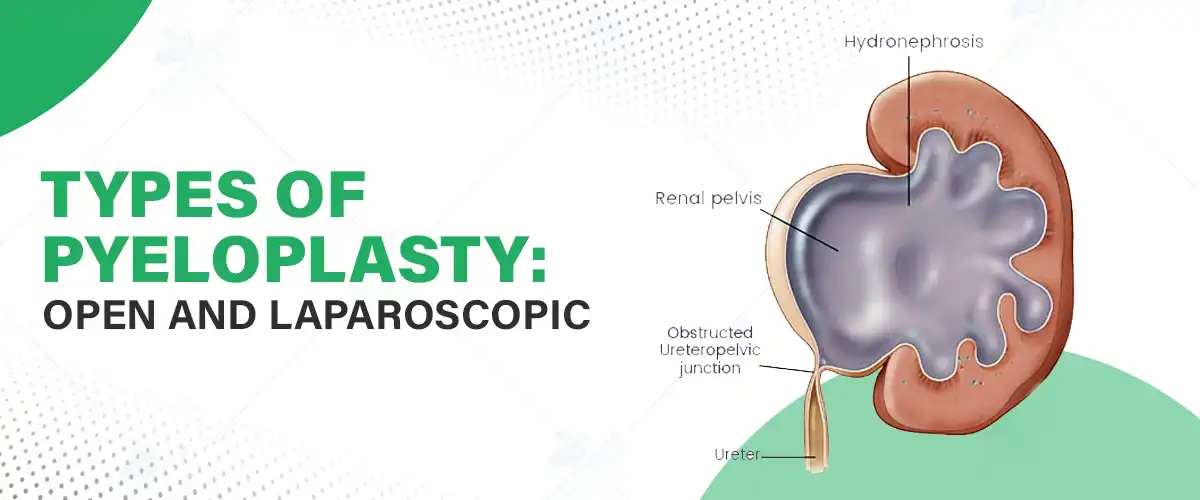
Pyeloplasty is a surgical procedure performed to correct ureteropelvic junction (UPJ) obstruction, a condition where the connection between the kidney and ureter is blocked, leading to urine retention and potential kidney damage. Treating UPJ obstruction is crucial to prevent complications such as kidney stones, infections, and reduced kidney function. If left untreated, it can cause severe pain and long-term damage. At the Top Pyeloplasty Hospital in Noida, expert urologists offer advanced treatment options to restore normal urine flow. There are two primary types of pyeloplasty: Open Pyeloplasty and Laparoscopic Pyeloplasty.
If you're experiencing symptoms of UPJ obstruction, don't wait. Book an appointment with the best urologists. Contact us today at +91 9667064100.
Pyeloplasty is a surgical procedure aimed at removing or reconstructing a blocked segment of the ureter to ensure smooth urine drainage from the kidney to the bladder. This procedure is commonly performed in both children and adults experiencing UPJ obstruction.
UPJ obstruction can occur due to various reasons, including:
Symptoms Indicating the Need for Pyeloplasty
Procedure:
Open pyeloplasty involves making a large incision in the flank region to access the affected ureter and kidney. The obstructed segment is removed, and the ureter is reattached to ensure proper drainage.
Advantages:
Disadvantages:
Procedure:
Laparoscopic pyeloplasty is a minimally invasive surgical approach that uses small incisions and a camera-assisted technique. The laparoscopic pyeloplasty steps involve:
Advantages:
Disadvantages:
Feature | Open Pyeloplasty | Laparoscopic Pyeloplasty |
Incision Size | Large | Small (keyhole incisions) |
Recovery Time | Longer | Faster |
Hospital Stay | 4-7 days | 1-3 Days |
Pain & Scarring | More | Less |
Suitability | Complex cases | Most cases |
Benefits of pyeloplasty include:
As with any surgery, pyeloplasty comes with risks. These include:
It can take a week or two to recover from a pyeloplasty. You might have pain when you pee or blood in your pee for about a week or until your provider removes the stent. You can usually return to your typical activities three to four weeks after the procedure.
You’ll have follow-up appointments with your provider to:
While you recover, you might want to have a caregiver to help you at least some of the time. Your provider will give you instructions on how to best take care of yourself. They might recommend:
Choosing the right type of pyeloplasty depends on several factors, including the severity of the obstruction, the patient’s age, overall health, and the expertise of the surgeon. At Felix Hospital, you can consult with Dr. Bhanwar Lal Barkesiya, a renowned urologist specializing in pyeloplasty procedures. The Best Pyeloplasty Doctors in Noida ensure personalized treatment plans based on individual patient needs.
Experience the benefits of advanced pyeloplasty techniques with our specialized urology team. Click Here for more information.
Both open and laparoscopic pyeloplasty are effective surgical techniques for treating UPJ obstruction. While open surgery is recommended for complex cases, laparoscopic pyeloplasty steps make it a preferred choice for most patients due to its minimally invasive nature and faster recovery. If you or your loved one is experiencing symptoms of UPJ obstruction, it is essential to seek medical attention promptly. The laparoscopic pyeloplasty surgery cost in Noida varies depending on hospital facilities and the complexity of the case. Consult a specialist at Felix Hospital to discuss the best treatment option and ensure a smooth recovery.
Q- What are the signs that indicate I need pyeloplasty?
Ans- Persistent flank pain, recurrent kidney infections, and difficulty urinating are common symptoms that may indicate UPJ obstruction, which may require pyeloplasty. Blood in the urine or nausea due to kidney swelling are also warning signs. It's important to consult with a specialist for an accurate diagnosis.
Q- Is laparoscopic pyeloplasty suitable for children?
Ans- Yes, laparoscopic pyeloplasty is often recommended for children, especially in cases of congenital UPJ obstruction. However, the suitability of laparoscopic vs. open surgery depends on the child’s age, size, and the complexity of the obstruction.
Q- Can open pyeloplasty be done in patients with a history of prior abdominal surgery?
Ans- Yes, open pyeloplasty can still be performed in patients who have had previous abdominal surgeries. However, the presence of scar tissue may make the procedure more complex, and a detailed assessment by the surgeon is required to determine the best approach.
Q- What is the recovery time for laparoscopic pyeloplasty compared to open pyeloplasty?
Ans- Laparoscopic pyeloplasty typically offers a faster recovery time, with most patients being able to return to regular activities within 3-4 weeks. In contrast, open pyeloplasty requires a longer recovery period, often taking 4-6 weeks for full recovery.
Q- Can pyeloplasty fix kidney damage caused by UPJ obstruction?
Ans- Pyeloplasty can restore proper urine flow, which prevents further kidney damage and improves kidney function. However, if significant damage has already occurred, such as loss of kidney function, the surgery may help prevent further deterioration but cannot fully reverse pre-existing damage.
Q- What are the chances of UPJ obstruction recurring after pyeloplasty?
Ans- Recurrence of UPJ obstruction after pyeloplasty is rare but can occur, particularly in patients with severe scarring or complex cases. Your surgeon will provide follow-up care and monitor kidney function to detect any issues early.
Q- How is the stent managed post-surgery, and why is it necessary?
Ans- After pyeloplasty, a stent is placed temporarily to ensure proper urine drainage during healing. The stent is typically removed after 1-2 weeks through a simple procedure. If left in too long, it may cause discomfort or infection, so follow-up care is essential.
Urological health is vital for well-being, influenced by diet and exercise. Good nutrition and activity help prevent conditions like UTIs, kidney stones, and cancers.
Our urology and oncology specialists bring extensive experience and expertise in treating various forms of urological cancer.
Hormones are the chemicals that regulate various bodily functions in both men and women.
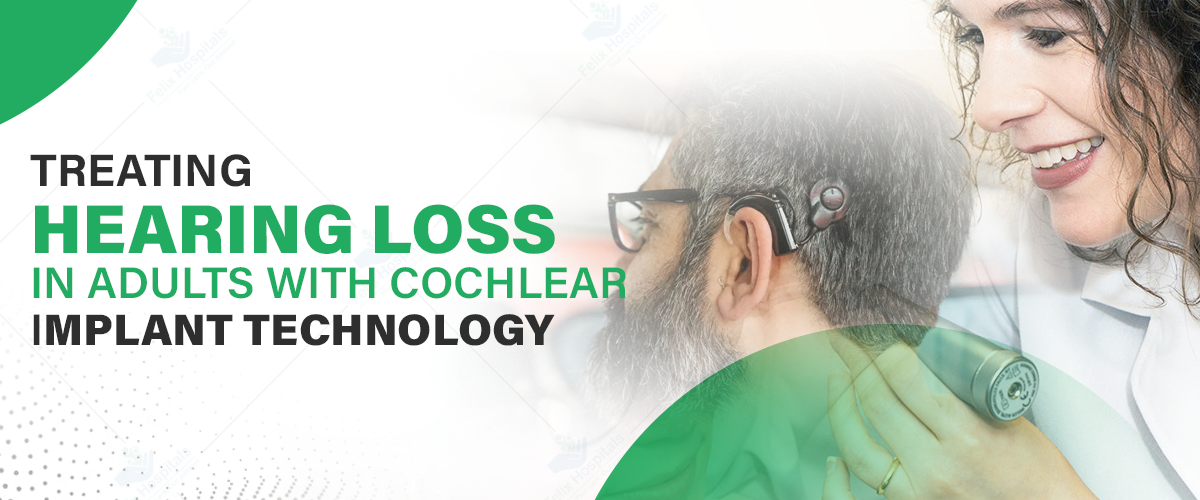
Hearing loss in adults can significantly impact the quality of life, affecting communication, work productivity, and emotional well-being. As one of the most common sensory impairments, it leads to challenges such as social isolation and cognitive decline. Thankfully, advancements in medical technology, particularly cochlear implants, have transformed the treatment landscape. At the best hospital for hearing loss treatment, cochlear implants are helping individuals regain their hearing and reclaim their lives.
The growing adoption of cochlear implants underscores their effectiveness in restoring hearing, offering renewed independence and enhanced interaction with the world.
Contact us today to schedule a consultation with our expert ENT specialists and learn how cochlear implants can transform your life, Call +91 9667064100.
Hearing loss can be categorized into three primary types:
The causes of hearing loss in adults can vary widely and include:
A cochlear implant is a sophisticated medical device designed to bypass damaged parts of the ear and stimulate the auditory nerve directly. Unlike hearing aids, which amplify sound, cochlear implants process sounds electronically and send signals to the brain.
Eligibility for cochlear implants is determined based on several factors:
Audiologists and ENT specialists at the best hearing loss treatment hospital evaluate candidates thoroughly to ensure suitability.
Step-by-Step Overview
Hearing Tests: Assessing the degree and type of hearing loss to determine the suitability of a cochlear implant.
Imaging Studies: CT scans or MRIs to evaluate the structure of the inner ear and identify any anomalies.
Consultations: Discussions about medical history, current health conditions, and expectations from the surgery.
Rehabilitation is a critical component of the cochlear implant journey. Since the brain needs time to adapt to interpreting electronic signals as sound, therapy involves:
Cochlear implants bring about life-changing improvements for individuals with severe hearing loss. Some key benefits include:
While the advantages of cochlear implants are substantial, certain challenges must be acknowledged:
By understanding these considerations and working closely with a skilled medical team, adults can maximize the benefits of this transformative technology.
For those considering hearing loss surgery, the expert ENT specialists at Felix Hospitals in Sector 137, Noida, provide world-class care.
Get in touch now by Clicking Here and take the first step toward better hearing with the help of a cochlear implant.
Cochlear implants have revolutionized the treatment of hearing loss in adults, providing a lifeline to those struggling with profound hearing impairment. By improving communication, reducing social isolation, and enhancing overall quality of life, they represent a remarkable advancement in medical technology.
If you or a loved one is experiencing hearing loss, consult with the experts at Felix Hospitals to explore the possibilities of cochlear implants. Contact us today to learn more about hearing loss surgery cost and begin your journey toward restored hearing.
Q- What is the difference between hearing aids and cochlear implants?
Ans- Cochlear implants directly stimulate the auditory nerve, bypassing damaged parts of the ear, whereas hearing aids amplify sounds. Cochlear implants are more effective for individuals with severe sensorineural hearing loss who receive limited benefit from hearing aids.
Q- Are cochlear implants covered by insurance?
Ans- Many insurance plans cover cochlear implant surgery and related treatments. However, coverage varies depending on the plan. It is advisable to check with your insurance provider for specific details about coverage and costs.
Q- How long does the recovery process take after cochlear implant surgery?
Ans- The recovery time varies from person to person. Typically, the surgical site heals in about 2-4 weeks, and the device is activated after that. Full rehabilitation and adaptation to sound may take several months.
Q- Will cochlear implants restore normal hearing?
Ans- While cochlear implants significantly improve hearing, they do not restore hearing to normal levels. They help users detect and understand speech and environmental sounds more clearly, especially in noisy environments.
Q- Can anyone with hearing loss get a cochlear implant?
Ans- Not everyone with hearing loss is a candidate for cochlear implants. Eligibility is determined by the type and severity of hearing loss, overall health, and the effectiveness of hearing aids. A thorough evaluation by an audiologist and ENT specialist is required.
Q- How long does a cochlear implant last?
Ans- Cochlear implants can last for many years, often 10 to 20 years, depending on the individual and the technology used. However, regular check-ups and updates to the external processor are necessary for optimal performance.
ENT health is essential for proper breathing, hearing, speech, and balance. Early detection and expert care ensure a better quality of life and prevent chronic complications.

There has been a steep rise in hearing issues in the last 5 years. People who use earphones and headphones continuously for long duration are prone to become deaf.

It all starts when you get to know that you are pregnant, you will be taking care of the little one. This news for first time parents brings lot of responsibility and excitement.

Maintaining ear health is essential for overall well-being, and earwax plays a crucial role in protecting your ears. However, excessive earwax buildup can lead to blockages, causing discomfort, hearing issues, and even infections. Understanding how to prevent earwax blockage is key to ensuring your ears remain clean and healthy. If you’re searching for the best hospital for ear wax blockage treatment, here’s everything you need to know.
Contact Felix Hospital today by calling +91 9667064100 for expert guidance and to book your consultation in Noida Sector 137 or Greater Noida Gamma 1.
Earwax, or cerumen, is a natural secretion made by glands in the ear canal. It’s composed of dead skin cells, secretions, and hair, forming a protective barrier to:
Earwax blockage may seem like a minor inconvenience, but it can lead to significant discomfort and even disrupt your daily life. Recognizing the signs early on can help you seek timely treatment and prevent complications. Here are the most common signs and symptoms:
Prompt diagnosis and treatment by a specialist at the best hospital for ear wax blockage treatment can alleviate these symptoms effectively, restoring your ear health and overall well-being.
Preventing earwax buildup is easier than treating a blockage. By adopting safe ear hygiene practices and avoiding harmful habits, you can maintain clean and healthy ears. Here are some expert-recommended tips:
By following these preventive measures, you can minimize the risk of earwax blockages and keep your ears healthy.
Misconceptions about earwax and ear care are widespread, often leading to harmful practices. Let’s debunk some of the most common myths:
Myth 1: Earwax Indicates Poor Hygiene
Fact: Earwax is a natural secretion that plays an essential role in protecting your ears. It traps dust, debris, and bacteria, preventing them from reaching the eardrum. Its presence is not a sign of uncleanliness but rather a healthy function of the body.
Myth 2: Frequent Cleaning is Necessary
Fact: Cleaning your ears excessively can remove the protective layer of earwax and irritate the ear canal, increasing the risk of infections. Most people don’t need to clean their ear canals regularly, as the wax naturally migrates outward.
Myth 3: DIY Removal Methods are Safe
Fact: Inserting objects like cotton swabs, candles, or sharp tools into the ear canal can damage the eardrum or push wax deeper, causing blockages or even permanent hearing loss. For safe removal, it’s best to consult a professional at the best hospital for ear wax blockage treatment.
Understanding the facts about earwax can help you make informed decisions about your ear care and avoid potentially harmful practices.
If earwax buildup is causing you discomfort, it’s time to consult an ENT specialist. Felix Hospital, located in Noida Sector 137 and Greater Noida Gamma 1, is renowned for its expertise in earwax management. With a team of the best doctors for ear wax blockage treatment, you’ll receive personalized care and advanced treatment options tailored to your needs.
Meet Our Expert ENT Specialists
At Felix Hospital, we provide:
Our state-of-the-art facilities and patient-first approach make us the best hospital for ear wax blockage treatment in Noida and Greater Noida.
Schedule a consultation with the best ENT surgeon at Felix Hospitals for earwax blockage.
Earwax plays a vital role in protecting your ears, but excessive buildup can lead to blockages and discomfort. By adopting preventive measures such as avoiding cotton swabs, keeping your ears dry, and practicing gentle hygiene, you can maintain healthy ears and reduce the risk of blockages.
If you’re experiencing symptoms of earwax buildup, don’t wait—consult an ENT specialist at Felix Hospital. With experienced doctors, advanced facilities, and a focus on patient care, Felix Hospital offers the best solutions for earwax management at an affordable ear wax blockage treatment cost.
Q- How can I tell if my hearing issues are due to earwax blockage and not another condition?
Ans- If your hearing loss is sudden, partial, or accompanied by a feeling of fullness or pressure in the ear, it may indicate earwax blockage. Tinnitus, dizziness, or ear pain could also signal buildup. A consultation with an ENT specialist is recommended for a proper diagnosis.
Q- Are earwax-softening drops safe for everyone?
Ans- Earwax-softening drops are generally safe, but they may not be suitable for individuals with a history of ear infections, perforated eardrums, or recent ear surgery. Consult an ENT specialist before using these drops, especially if you experience ear pain or discharge.
Q- Can using hearing aids increase my chances of developing earwax blockage?
Ans- Yes, hearing aids and earbuds can trap earwax inside the canal, leading to buildup over time. Regularly cleaning your devices and scheduling routine ear examinations can help mitigate this risk.
Q- What should I do if water enters my ears during swimming or bathing?
Ans- Gently dry your ears with a soft towel and tilt your head to help water drain out naturally. Avoid inserting objects like cotton swabs to remove water, as they can push wax deeper into the canal. For recurring moisture issues, consider using earplugs while swimming.
Q- How does Felix Hospital ensure safe earwax removal procedures?
Ans- At Felix Hospital, ENT specialists use advanced tools and techniques such as microsuction, irrigation, or manual removal to safely extract earwax without damaging the ear canal or eardrum. The procedure is tailored to your specific needs for maximum safety and comfort.
Q- When should I consult a specialist instead of trying home remedies for earwax removal?
Ans- You should consult a specialist if you experience persistent hearing loss, pain, tinnitus, dizziness, or discharge from the ear. Avoid home remedies if you have a perforated eardrum, a history of ear infections, or if initial attempts to remove wax have been unsuccessful.
ENT health is essential for proper breathing, hearing, speech, and balance. Early detection and expert care ensure a better quality of life and prevent chronic complications.
There has been a steep rise in hearing issues in the last 5 years. People who use earphones and headphones continuously for long duration are prone to become deaf.
It all starts when you get to know that you are pregnant, you will be taking care of the little one. This news for first time parents brings lot of responsibility and excitement.
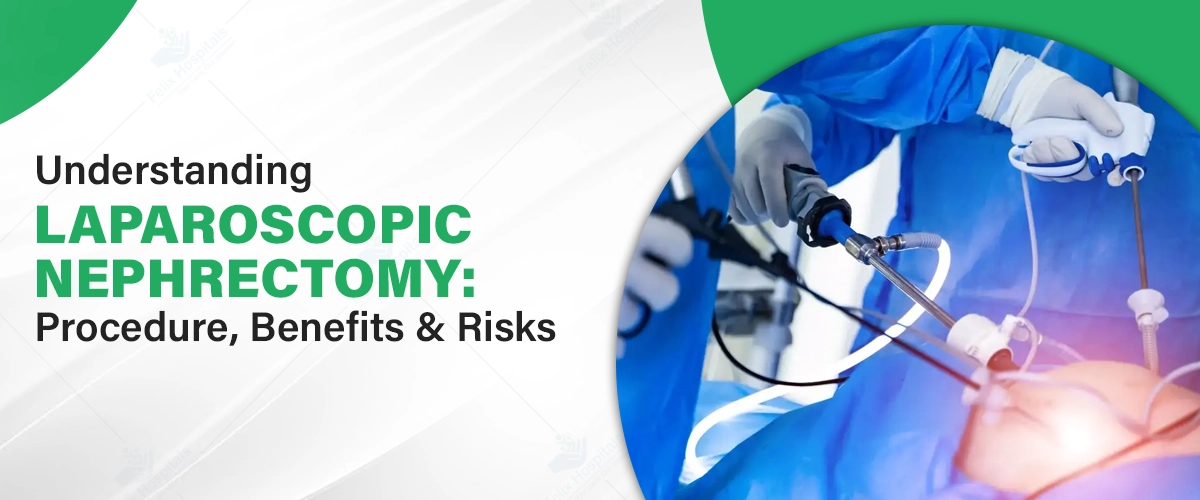
Nephrectomy refers to the surgical removal of one or both kidneys, typically performed when there is a serious medical condition affecting the organ. While the idea of having a kidney removed might sound daunting, the advancement in surgical techniques has made this procedure much safer and less invasive.
Laparoscopic nephrectomy, a minimally invasive form of kidney removal surgery, has become increasingly popular. Unlike traditional open surgery, laparoscopic nephrectomy requires only small incisions and uses a laparoscope (a thin, flexible tube with a camera) to guide the surgery. This method significantly reduces recovery times and improves overall patient outcomes. Choosing the best hospital for laparoscopic nephrectomy is crucial to ensure the best results, as the expertise of the medical team and the quality of the facility play a significant role in the success of the procedure.
Have questions or concerns about laparoscopic nephrectomy? We're here to support you through every step of the process. Contact us now at +91 9667064100.
Laparoscopic nephrectomy is a type of surgery where the surgeon removes a kidney using a minimally invasive approach. The key difference between laparoscopic and traditional open nephrectomy is the size and number of incisions. Instead of a large incision, only small cuts are made, through which the surgeon inserts instruments to perform the procedure.
In contrast to open nephrectomy, which requires a large abdominal incision, laparoscopic nephrectomy uses a camera to help the surgeon view the kidney and guide the surgery. This method offers significant advantages, such as reduced pain and quicker recovery.
There are two main types of nephrectomy:
Radical Nephrectomy: The entire kidney is removed, often used in cases of kidney cancer.
Partial Nephrectomy: Only a portion of the kidney is removed, typically used in cases where the tumor or disease is localized.
Laparoscopic nephrectomy is generally performed when other treatments, such as medications or lifestyle changes, have not been effective, or if there is a critical medical condition involving the kidney. Some of the common medical conditions that may require nephrectomy include:
Kidney cancer: Often, a radical nephrectomy is performed to remove the entire kidney.
Chronic kidney disease: When a kidney becomes damaged and is no longer functioning properly, removal might be necessary.
Kidney trauma: Significant injury to the kidney may require surgical removal.
Benign kidney tumors: In some cases, a non-cancerous growth can cause pain or complications, requiring part or all of the kidney to be removed.
Laparoscopic nephrectomy may be preferred over traditional open surgery due to smaller incisions and a quicker recovery process. The decision on whether to use this minimally invasive approach depends on the patient's condition and suitability for the procedure.
The laparoscopic nephrectomy procedure typically follows these steps:
Anesthesia and Patient Preparation: The patient is given general anesthesia to ensure they are asleep and pain-free during the surgery.
Small Incisions: A few small incisions are made in the abdomen, usually no larger than 1-2 cm.
Laparoscope Insertion: A laparoscope, along with other small surgical tools, is inserted through the incisions. The laparoscope allows the surgeon to view the kidney on a screen and guide the instruments.
Kidney Removal: The surgeon carefully removes the kidney or part of it, depending on the type of nephrectomy being performed.
Closure of Incisions: After the kidney is removed, the incisions are closed with sutures, and a dressing is applied to the area.
The entire procedure typically lasts between 2 to 4 hours. Compared to open surgery, laparoscopic nephrectomy involves fewer risks and a significantly shorter recovery time.
Laparoscopic nephrectomy offers numerous advantages over traditional open surgery, including:
Reduced Pain and Quicker Recovery: Since the incisions are smaller, there is less trauma to the surrounding tissues, leading to less pain and a faster recovery.
Smaller Scars: The small incisions result in minimal scarring, which is particularly appealing to patients.
Shorter Hospital Stay: Patients who undergo laparoscopic nephrectomy typically have a shorter hospital stay compared to those who undergo open surgery.
Less Blood Loss: The risk of significant blood loss is lower, reducing the need for blood transfusions.
Lower Risk of Complications: The minimally invasive approach reduces the risk of infection and other complications associated with larger surgical incisions.
While laparoscopic nephrectomy is considered a safe procedure, it does carry certain risks, as with any surgery. These include:
Infection: Any surgery carries the risk of infection, though the smaller incisions help minimize this risk.
Bleeding: Although the risk is lower compared to open surgery, bleeding can still occur during or after the procedure.
Anesthesia Complications: As with any surgery requiring anesthesia, there is a risk of complications related to its administration.
Injury to Surrounding Organs: There is a slight risk of injury to nearby organs, such as the spleen, liver, or bowel, during the surgery.
Ureter Complications: Issues with the ureter, the tube connecting the kidney to the bladder, may arise.
Blood Clots: Deep vein thrombosis (DVT) or pulmonary embolism (PE) may develop as a complication.
Fortunately, these risks are minimized by a skilled surgeon who follows proper protocols and techniques.
After the surgery, patients can generally expect the following:
Post-operative Care: Pain management is a priority, and patients will receive medications to manage discomfort. Wound care is also essential to prevent infection.
Hospital Stay: Most patients are discharged from the hospital within 2-3 days following laparoscopic nephrectomy.
Recovery Time: Full recovery typically takes 4-6 weeks, though many patients can return to their regular activities within 2-3 weeks.
Follow-Up Appointments: Regular follow-up visits are important to monitor kidney function and ensure that the body is healing properly.
Lifestyle Modifications: Patients may need to make dietary and lifestyle changes to support their kidney health, including staying well-hydrated and following a healthy diet.
The success rates for laparoscopic nephrectomy are high, with most patients experiencing positive outcomes. Recovery depends largely on the underlying condition that led to the surgery. For patients with kidney cancer, for example, the prognosis will depend on the stage of cancer and whether the entire tumor was successfully removed.
After nephrectomy, patients typically lead healthy lives with one kidney, as the remaining kidney usually compensates for the lost function.
For those seeking expert care, Dr. Ritesh Kumar Agarwal is a renowned specialist in laparoscopic nephrectomy at Felix Hospitals. With years of experience in performing advanced laparoscopic procedures, Dr. Agarwal is considered one of the best doctors for laparoscopic nephrectomy treatment. Patients can trust his expertise for a safe and successful surgery, ensuring the best possible outcomes. If you’re considering laparoscopic nephrectomy, Dr. Agarwal and his team at Felix Hospitals provide personalized care to guide you through the process.
Schedule a consultation with our expert surgeons today and take the first step toward a healthier future.
Laparoscopic nephrectomy is a safe and effective procedure that offers numerous benefits, including quicker recovery, less pain, and smaller scars. It has become a popular choice for patients requiring kidney removal due to various medical conditions.
It is crucial to consult with a skilled urologist or surgeon to determine if laparoscopic nephrectomy is the right option for you. If you're concerned about the laparoscopic nephrectomy treatment cost, be sure to discuss pricing options with your healthcare provider to better understand the financial aspects of the procedure. Remember, seeking expert medical consultation for kidney-related concerns can help you make informed decisions and ensure optimal health outcomes.
Q- How long will I be in the hospital after laparoscopic nephrectomy?
Ans- Most patients stay in the hospital for about 2-3 days after the surgery, but this can vary depending on individual recovery.
Q- Can a person live with one kidney after nephrectomy?
Ans- Yes, the remaining kidney typically compensates for the loss, and many people lead healthy lives with one kidney. The other kidney can increase its filtration capacity.
Q- What lifestyle changes should I make post-surgery?
Ans- Staying hydrated, following a balanced diet, and avoiding strenuous activities are essential to promote healing and kidney function. Regular follow-ups with your doctor are also recommended.
Q- Is laparoscopic nephrectomy more painful than open surgery?
Ans- No, laparoscopic nephrectomy is generally less painful than open surgery due to smaller incisions and less tissue damage.
Q- What are the chances of complications after laparoscopic nephrectomy?
Ans- While complications are rare, possible risks include infection, bleeding, or injury to surrounding organs. However, the overall risk is lower compared to traditional open surgery.
Q- How soon can I return to work after laparoscopic nephrectomy?
Ans- Most patients can return to work within 2-3 weeks after laparoscopic nephrectomy, depending on their recovery and type of work. Those with physically demanding jobs may need a bit more time to heal.
Q- Will I need dialysis after laparoscopic nephrectomy?
Ans- Dialysis is generally not required after nephrectomy unless both kidneys are removed or the remaining kidney is not functioning properly. Most people can live normally with one healthy kidney.
Laparoscopic surgery is a minimally invasive procedure with small cuts, offering quicker recovery, less pain, and minimal scarring.


Subscribe to our
© Copyright 2026. All Rights Reserved by Felix Healthcare Private Limited
Design and development by :


 +(91)9667064100
 Emergency : +(91)9667064100