 WhatsApp
 Emergency:
  WhatsApp






Subscribe to our
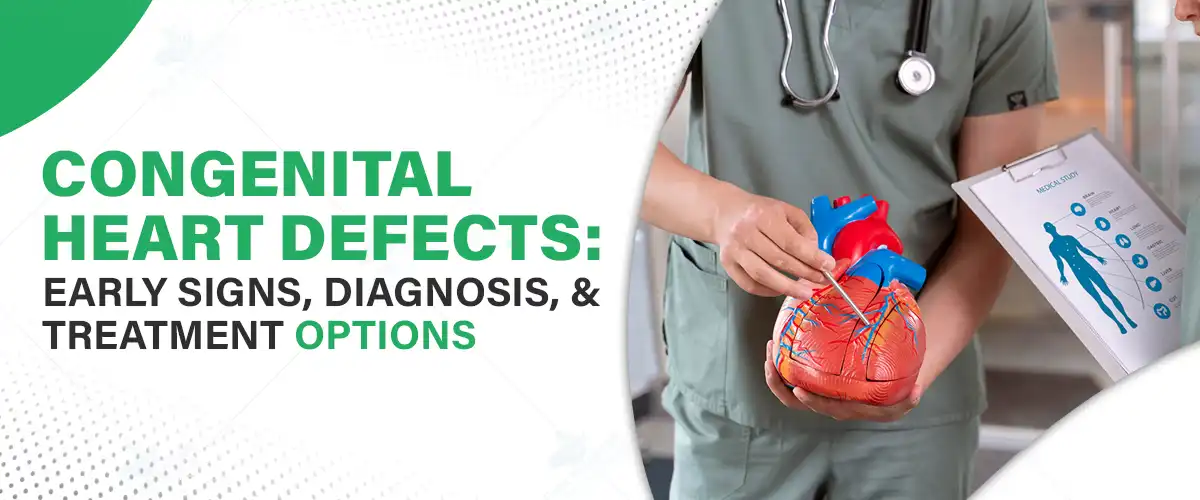
Congenital Heart Defects (CHDs) are structural abnormalities of the heart present at birth. They can range from simple conditions that require minimal intervention to complex defects that need immediate medical attention. Early detection and congenital heart failure treatment play a vital role in improving patient outcomes. Raising awareness about CHD helps in timely diagnosis and appropriate medical intervention, ensuring a better quality of life for affected individuals.
Felix Hospital offers state-of-the-art medical facilities and specialized care for CHD patients. Call us Now at +91 9667064100.
CHDs refer to a group of heart conditions that develop before birth, affecting the heart’s structure and function. These defects can involve the heart’s walls, valves, or blood vessels. Some common types include:
Prevalence: CHDs are the most common birth defect, affecting nearly 1 in 100 newborns worldwide.
Recognizing the symptoms of CHDs in infants, children, and undiagnosed adults can lead to timely treatment and improved outcomes.
In Infants and Children:
In Adults (If Undiagnosed in Childhood):
Since CHDs vary in severity, early recognition of these symptoms allows for prompt medical evaluation and intervention.
CHDs develop due to genetic and environmental factors affecting fetal heart formation.
Genetic Factors:
Environmental Factors:
Other Risk Factors:
Proper prenatal care and a healthy lifestyle can help reduce the risk of CHDs.
Prenatal Screening:
Postnatal Diagnostic Tests:
If a CHD is suspected after birth, doctors may use:
Specialist Consultation:
A pediatric cardiologist is essential for an accurate diagnosis and treatment plan.
The treatment approach depends on the type and severity of the heart defect.
Medical Management:
Surgical Interventions:
Minimally Invasive Procedures:
Long-Term Care:
Timely diagnosis and treatment significantly improve survival rates and enhance the quality of life for individuals with CHDs. Advances in pediatric cardiology have made it possible for children with heart defects to live long, active lives with proper care.
At Felix Hospital, expert pediatric cardiologists provide cutting-edge diagnostic tools and personalized treatment plans, ensuring the best outcomes for patients. Routine monitoring is essential for lifelong heart health.
Individuals with CHDs can lead fulfilling lives with the right care and support.
For Children:
For Adults:
Emotional Well-being:
Many CHD patients experience stress or anxiety related to their condition. Support groups and counseling can help both patients and families navigate these challenges.
For expert care in congenital heart failure treatment, consult with:
Felix Hospital provides state-of-the-art facilities and comprehensive care for CHD patients.
If you notice any symptoms of CHD in yourself or your child, Book your appointment and consult with our expert for advanced treatment options.
Early detection, accurate diagnosis, and advanced congenital heart failure treatment are key to managing congenital heart defects effectively. If you or your loved one is experiencing any heart-related symptoms, consult the best cardiologists at Felix Hospital.
For more information on congenital heart failure treatment costs in Noida, contact Felix Hospital today. Raising awareness and seeking timely medical help can make a life-changing difference.
Q- Can congenital heart defects be detected before birth?
Ans- Yes, CHDs can be detected through fetal echocardiography during pregnancy, usually between 18-24 weeks of gestation. Early detection helps in planning treatment strategies after birth.
Q- Are all congenital heart defects life-threatening?
Ans- Not all CHDs are severe. Some minor defects, like small atrial septal defects (ASD), may close on their own, while complex conditions like hypoplastic left heart syndrome (HLHS) require immediate intervention.
Q- Is surgery the only treatment option for congenital heart defects?
Ans- No, treatment depends on the severity of the defect. Some mild CHDs can be managed with medications and regular monitoring, while others may require catheter-based interventions or surgery.
Q- Can adults develop complications from an undiagnosed congenital heart defect?
Ans- Yes, adults with undiagnosed CHDs may experience arrhythmias, heart failure, stroke, or high blood pressure in the lungs (pulmonary hypertension), requiring late-stage interventions.
Q- How do lifestyle changes help in managing congenital heart defects?
Ans- A heart-healthy diet, regular low-impact exercise, medication adherence, and avoiding smoking and alcohol can help individuals with CHDs maintain heart function and overall well-being.
Q- What is the survival rate for children with congenital heart defects?
Ans- Thanks to advancements in medical technology, over 85% of children with CHDs survive into adulthood with proper medical care, including surgery and lifelong monitoring.
Q- Does congenital heart failure treatment cost in Noida vary by hospital?
Ans- Yes, the cost depends on the complexity of the defect, treatment approach (medications, surgery, or catheter-based procedures), and hospital facilities. Felix Hospital provides affordable, high-quality care for CHD patients.
In Noida hospitals, recognized for being among the best heart health hospitals in Noida, are at the forefront of offering critical care for heart-related issues.
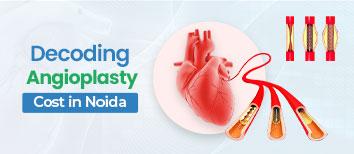
Angioplasty is a common heart procedure used to open blocked arteries and restore proper blood flow.
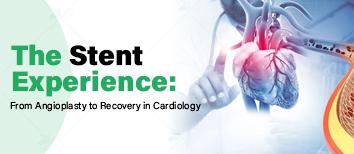
A stent procedure can be life-saving for those with blocked arteries. This guide walks you through the stent experience—from the angioplasty process to post-procedure recovery and lifestyle changes.
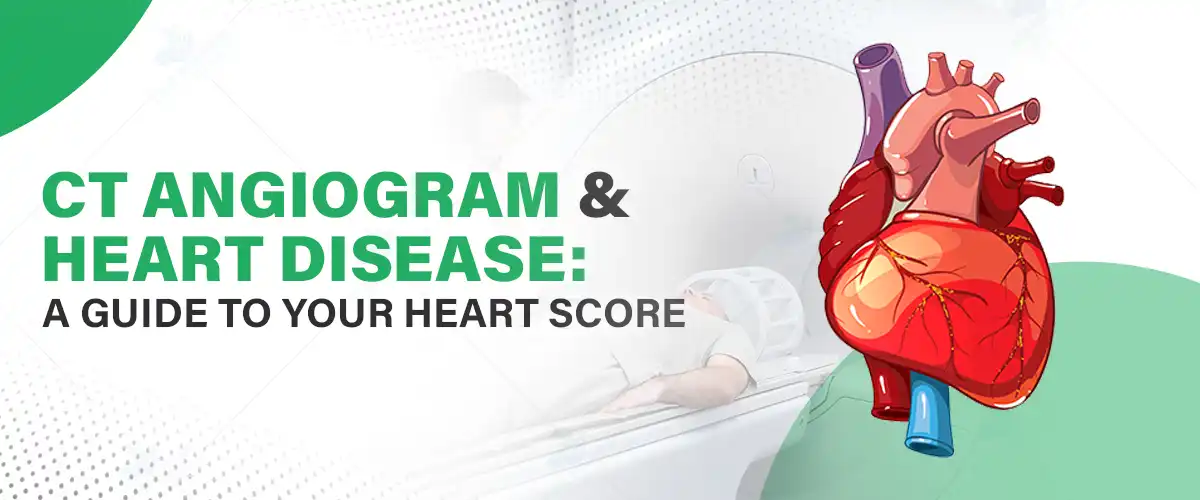
Heart disease remains one of the leading causes of death worldwide, with millions of individuals affected each year. The prevalence of coronary artery disease (CAD), heart attacks, and other heart conditions is a growing concern. Early detection and intervention are key in managing heart disease, which is where diagnostic tools like the CT Angiogram (CTA) come into play. Identifying potential problems before symptoms appear allows for timely treatment, improving the chances of avoiding more severe complications.
When looking for the Best CT Angiogram Hospital in Noida, it's crucial to seek hospital who are well-versed in interpreting complex results and offering personalized care. The CT Angiogram is a highly effective diagnostic procedure used to assess the health of your heart and blood vessels, giving your doctor the critical information needed to make informed decisions about your heart health.
Understanding your Heart Score can help you stay ahead of heart disease. Consult with our expert radiologists by Calling +91 9667064100.
A CT Angiogram (CTA) is a sophisticated imaging test that uses X-rays and a contrast dye to create detailed pictures of your blood vessels. This non-invasive procedure allows doctors to observe the blood flow in the coronary arteries, which supply oxygen-rich blood to the heart. The contrast dye injected during the test highlights any blockages or narrowing of these arteries, making it easier for doctors to identify potential risks of heart disease.
CT Angiograms are specifically used to detect coronary artery disease (CAD), which is one of the most common causes of heart attacks. The ability to visualize the arteries helps identify blockages or other abnormalities that may lead to severe health issues.
Heart disease encompasses a wide range of conditions, with Coronary Artery Disease (CAD) being one of the most prevalent. CAD occurs when the blood vessels that supply the heart become narrowed or blocked, often due to the buildup of plaque. This can lead to chest pain, heart attacks, and other serious complications.
Other heart conditions include heart failure, arrhythmias (irregular heartbeats), and heart valve problems. The risk factors for heart disease include:
Having a heart score can help assess your overall risk of developing heart disease, allowing you to make necessary lifestyle changes and seek appropriate treatment before it's too late.
The CT Angiogram plays a vital role in the early detection of heart disease, particularly in identifying blockages or narrowing of coronary arteries. This test is invaluable because it can detect potential problems even before symptoms appear, which is crucial for effective intervention.
Compared to traditional angiograms, CTA is less invasive and involves less radiation, making it a safer option. It provides clearer images, and the procedure is typically faster, offering an efficient and accurate way to assess the condition of your heart.
By identifying early signs of coronary artery disease, a CT Angiogram can help doctors take preventive measures to avoid heart attacks or strokes, ensuring that patients receive timely treatment.
Your Heart Score is a measure of your risk for coronary artery disease, calculated using the results of a CT Angiogram. This score takes into account the degree of blockage in your coronary arteries and gives you an idea of how likely you are to experience heart-related issues in the future. The Heart Score helps doctors determine the severity of the condition and develop a treatment plan that is tailored to your specific needs.
The Heart Score ranges from low to high risk, based on how much of your coronary arteries are blocked. The higher the score, the greater your risk for heart disease, and the more aggressive your treatment plan may need to be.
The Heart Score is categorized into three main risk levels:
Your doctor will use the Heart Score to guide treatment and preventive measures, helping you maintain a healthy heart.
The primary advantage of a CT Angiogram is the early detection of coronary artery blockages, which can lead to heart attacks or strokes. By catching these issues early, doctors can provide you with a personalized treatment plan that could prevent the need for invasive surgeries later on.
CTA is also non-invasive, so you can avoid more complicated procedures like traditional angiography. With its ability to quickly identify heart disease risks, the CT Angiogram provides patients with peace of mind, knowing they are taking steps toward proactive heart health management.
Several groups of individuals should consider undergoing a CT Angiogram:
If you fall into any of these categories, it's essential to consult with a doctor to assess whether a CT Angiogram is the right diagnostic tool for you.
While the CT Angiogram is generally safe, there are a few risks to consider:
Always consult with your doctor to determine if a CT Angiogram is the best option for your specific health needs.
Before the procedure, you may need to fast for a few hours. You may also be asked to adjust certain medications. During the test, a contrast dye will be injected into your bloodstream, and a CT scan will capture images of your arteries. The test typically lasts 30 to 60 minutes, and you can resume normal activities shortly after.
After the test, your doctor will review the results and discuss any findings with you. If your Heart Score indicates a risk of coronary artery disease, your doctor may recommend further tests or treatments, such as lifestyle changes, medications, or even surgery.
Regular follow-up appointments are essential to monitor your heart health and ensure that you're taking the appropriate steps to prevent heart disease.
Felix Hospital is home to highly skilled radiologists who specialize in CT Angiography, ensuring precise diagnosis and expert care. Our team includes:
With state-of-the-art technology and a patient-centric approach, our radiologists at Felix Hospital provide the highest standard of care for CT Angiography, helping patients take proactive steps toward better heart health.
Don't wait for symptoms to appear—early detection is key to preventing serious heart conditions. Book an appointment online now!
CT Angiograms are crucial in diagnosing and preventing heart disease, helping doctors catch potential problems early and create personalized treatment plans. If you're at risk or experiencing symptoms, it’s important to consult with the CT Angiogram Doctors in Noida to discuss whether this procedure is right for you.
Additionally, understanding your Heart Score can provide valuable insights into your heart health and guide decisions about lifestyle changes, medications, or treatments. Make sure to prioritize regular check-ups, as early detection is key to maintaining a healthy heart. If you're concerned about the CT Angiogram test cost, it's important to discuss this with your healthcare provider, as costs can vary based on the hospital and your specific medical needs.
Q- How does a CT Angiogram compare to a traditional angiogram?
Ans- A CT Angiogram (CTA) is non-invasive and uses X-rays with contrast dye to visualize arteries, whereas a traditional angiogram requires inserting a catheter into an artery. CTA is quicker, less risky, and doesn’t require recovery time like a catheter-based procedure.
Q- Can a CT Angiogram detect heart blockages that haven’t caused symptoms yet?
Ans- Yes, a CT Angiogram can detect early-stage blockages in coronary arteries, even before they cause symptoms like chest pain or shortness of breath. This allows for preventive measures before severe complications arise.
Q- Is a CT Angiogram suitable for individuals with existing heart conditions?
Ans- Yes, CTA is often used for monitoring patients with heart disease, assessing stents, bypass grafts, and identifying new blockages. However, the decision depends on the severity of the condition and your doctor's recommendation.
Q- How accurate is a CT Angiogram in diagnosing coronary artery disease (CAD)?
Ans- A CT Angiogram has over 90% accuracy in detecting coronary artery blockages, making it a highly reliable diagnostic tool for identifying mild to severe CAD.
Q- What precautions should diabetics or kidney patients take before a CT Angiogram?
Ans- Since the contrast dye used in a CT Angiogram can affect kidney function, diabetic and kidney patients should inform their doctor beforehand. Pre-procedure hydration or alternative imaging methods may be recommended.
Q- How often should someone at risk of heart disease undergo a CT Angiogram?
Ans- The frequency depends on individual risk factors such as age, family history, high cholesterol, or previous heart conditions. In general, high-risk patients may need periodic scans every 1-3 years for proactive monitoring.
Q- Can a CT Angiogram replace a treadmill stress test or an ECG?
Ans- A CT Angiogram provides detailed images of arteries, whereas stress tests and ECGs measure heart function and electrical activity. While CTA is more precise in detecting blockages, a combination of tests may be required for a full heart assessment.
Angioplasty is a common heart procedure used to open blocked arteries and restore proper blood flow.
A stent procedure can be life-saving for those with blocked arteries. This guide walks you through the stent experience—from the angioplasty process to post-procedure recovery and lifestyle changes.

Tonsils, small glands located at the back of the throat, play a critical role in the body’s immune system by fighting infections. However, when tonsils become frequently inflamed or enlarged, they can cause chronic health issues. In such cases, removal of the tonsils becomes necessary. The Coblation technique has emerged as a revolutionary method in ENT (Ear, Nose, and Throat) care, providing a safer and more comfortable alternative for tonsil removal.
If you’re searching for the best hospital for tonsil treatment, modern advancements like Coblation ensure effective care with minimal discomfort.
Experience world-class care with Coblation techniques at Felix Hospital. Contact us now at +91 9667064100 to schedule your consultation!
Tonsils are part of the immune system and act as the first line of defense against bacteria and viruses entering through the mouth or nose. Despite their protective role, they can become a source of chronic infections and other complications.
Common reasons for tonsil removal:
Chronic Tonsillitis: Frequent infections causing severe throat pain and fever.
Sleep Apnea: Enlarged tonsils can obstruct the airway, leading to disrupted sleep patterns.
Difficulty Swallowing: Enlarged tonsils may interfere with swallowing or speaking.
Signs your tonsils might need removal:
Persistent sore throat.
Swelling that interferes with breathing.
Recurrent infections unresponsive to antibiotics.
Traditional tonsillectomy methods include cold steel removal, laser treatments, and electrocautery. While effective, these methods often cause significant post-surgical pain, prolonged recovery, and potential complications.
Coblation Technique:
This modern method uses radiofrequency energy to dissolve tonsil tissue with minimal heat, significantly reducing discomfort and recovery time. Unlike traditional techniques, Coblation causes less damage to surrounding tissues, making it an advanced choice for tonsil removal.
Advantages of Coblation:
Reduced pain and discomfort.
Faster healing process.
Minimal bleeding.
Precise removal with less tissue damage.
Coblation offers several benefits that make it a preferred choice for tonsillectomy:
Less Pain: The low-temperature procedure minimizes nerve and tissue trauma.
Faster Recovery: Patients typically resume normal activities sooner than with traditional methods.
Reduced Bleeding: Coblation’s precise approach minimizes blood loss during surgery.
Shorter Procedure Time: The technique is efficient, often requiring less time in the operating room.
The Coblation tonsillectomy is a straightforward and patient-friendly procedure:
Anesthesia: General or local anesthesia is administered to ensure comfort.
Tonsil Removal: A specialized Coblation wand dissolves the tonsil tissue without generating excess heat.
Completion: The procedure usually lasts 30-45 minutes. Most patients can return home the same day.
Recovery from a Coblation tonsillectomy is typically smoother than traditional methods. Here’s what to expect:
Pain Management: Mild painkillers may be prescribed for post-surgery discomfort.
Diet: Stick to soft foods and stay hydrated to aid healing.
Rest: Ample rest is essential for a quick recovery.
Follow-up Care: Regular check-ups ensure optimal healing.
While Coblation is considered safe, patients should be aware of potential risks, including infection or mild bleeding. These risks are significantly reduced when the procedure is performed by an experienced ENT specialist.
Choosing a skilled surgeon at the best hospital for tonsil treatment ensures a safe and successful surgery.
Coblation tonsillectomy is suitable for:
Children and adults experience frequent tonsil infections.
Individuals with sleep apnea or difficulty swallowing due to enlarged tonsils.
Those seeking a minimally invasive and low-pain alternative to traditional surgery.
Patients with certain medical conditions may require additional evaluation before undergoing the procedure.
Our ENT specialists are dedicated to offering world-class care for patients needing tonsil surgery. Whether you’re in Noida Sector 137 or Greater Noida Gamma 1, Felix Hospital provides the Best doctor for tonsils treatment, ensuring expert care and a smooth recovery journey.
Our Expert ENT Specialists Include:
Dr. Kunwar Parwez: A renowned ENT surgeon with extensive experience in Coblation tonsillectomy, known for his precision and compassionate care.
Dr. Arvinder Pal Singh: An expert in advanced ENT procedures, offering tailored treatment plans and exceptional surgical outcomes.
Dr. Arjun Saini: Highly skilled in modern ENT techniques, including Coblation, ensuring minimal discomfort and faster patient recovery.
With a team of dedicated professionals, Felix Hospital ensures you receive the highest standard of care throughout your tonsil removal journey.
Visit Felix Hospital in Noida Sector 137 or Greater Noida Gamma 1 for the best tonsil treatment. Schedule a Consultation for your better care!
The Coblation technique is a modern, effective, and patient-friendly solution for removing tonsils. With reduced pain, faster recovery, and minimal complications, it stands out as a preferred choice for tonsil surgery. If you’re considering tonsillectomy, understanding the tonsil surgery cost and consulting a skilled ENT specialist is the first step to better health.
For expert care, advanced technology, and a patient-centric approach, Felix Hospital is here to guide you. Book your consultation today and take the first step toward a healthier, more comfortable life.
Q1- What makes the Coblation technique better than traditional tonsil removal methods?
ANS: The Coblation technique uses low-temperature radiofrequency energy to dissolve tonsil tissue, resulting in less pain, reduced bleeding, and faster recovery compared to traditional methods like cold steel or laser tonsillectomy.
Q2- How long does it take to recover from Coblation tonsil surgery?
ANS: Most patients recover within 7-10 days, significantly faster than traditional tonsillectomy methods. Following a soft diet and prescribed medications can further ease recovery.
Q3- Are there any dietary restrictions after Coblation tonsil removal?
ANS: Yes, patients are advised to stick to soft, non-spicy foods and stay hydrated during the initial recovery phase. Cold or lukewarm items, such as yogurt or soups, can help soothe the throat.
Q4- Is Coblation tonsillectomy safe for children?
ANS: Absolutely! Coblation is considered a safe and effective method for tonsil removal in children, as it minimizes tissue damage and speeds up recovery, making it less traumatic for young patients.
Q5- How much does tonsil surgery cost at Felix Hospital?
ANS: The cost of tonsil surgery varies based on individual needs and medical conditions. Felix Hospital provides competitive pricing and personalized treatment plans. Contact us for a detailed estimate tailored to your case.
Q6- Can I return to work or school after the Coblation tonsillectomy?
ANS: Most patients can resume their routine activities within a week, though strenuous activities should be avoided for at least two weeks. Follow-up care with your ENT specialist ensures a smooth transition back to your daily life.
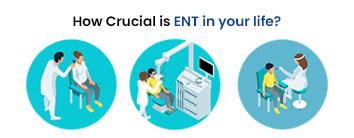
ENT health is essential for proper breathing, hearing, speech, and balance. Early detection and expert care ensure a better quality of life and prevent chronic complications.
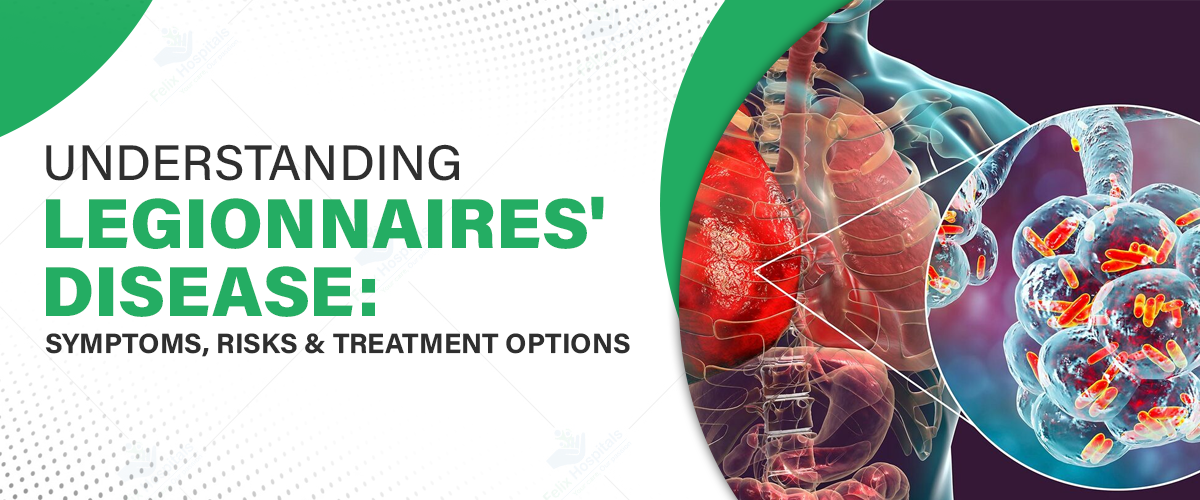
Legionnaire’s disease is a severe form of pneumonia caused by the Legionella bacteria. This infection primarily spreads through inhaling contaminated water droplets from sources like cooling towers, hot tubs, and plumbing systems. Given its potentially serious nature, early detection and prompt medical intervention are essential. If you or a loved one are at risk, seeking treatment from the best hospital for Legionella Infection Treatment is crucial to ensure proper care and recovery.
If you or someone you know is experiencing symptoms of Legionnaire’s disease, don’t wait! Just Call us Now at +91 9667064100.
Legionnaires' disease is a lung infection caused by Legionella bacteria. It is not contagious, meaning it does not spread from person to person. Instead, the bacteria thrive in water systems, and people become infected by inhaling tiny droplets containing the bacteria. Common sources of Legionella contamination include:
Air conditioning cooling towers
Hot water tanks and heaters
Large plumbing systems
Decorative fountains and humidifiers
The symptoms of Legionnaires' disease often resemble those of other respiratory illnesses, making early diagnosis essential. Symptoms typically appear 2 to 10 days after exposure and may include:
Early Symptoms:
High fever (often above 102°F or 39°C)
Chills
Headache
Muscle pain or body aches
Severe Symptoms:
Persistent cough, sometimes with mucus or blood
Difficulty breathing
Chest pain
Gastrointestinal issues (nausea, vomiting, diarrhea)
Confusion or mental changes
If left untreated, Legionnaires disease can lead to severe pneumonia, organ failure, or even death, especially in high-risk individuals.
Certain individuals are at a higher risk of developing Legionnaire’s disease, including:
People over the age of 50
Smokers and individuals with chronic lung conditions (such as COPD)
People with weakened immune systems due to conditions like cancer, diabetes, or HIV
Individuals with underlying health conditions such as kidney or liver disease
Patients who have undergone organ transplants or are on immunosuppressive therapy
Workers in environments with potential exposure (e.g., construction, plumbing, and hospital maintenance staff)
Diagnosis and Testing
Accurate diagnosis of Legionnaire’s disease is critical for effective treatment. Doctors may perform the following tests:
Urine antigen test: A quick method to detect Legionella bacteria
Sputum culture: Identifies Legionella bacteria in respiratory secretions
Chest X-ray: Confirms the presence of pneumonia but does not specify the cause
Blood tests: Detects signs of infection and inflammation
Early detection enhances the chances of a successful recovery and minimizes complications.
Once diagnosed, prompt treatment is necessary to prevent severe complications. Treatment options include:
1. Antibiotic Therapy:
The most effective way to treat Legionnaire’s disease is through antibiotics such as Levofloxacin, Azithromycin, or Doxycycline.
2. Hospitalization in Severe Cases:
Patients with severe infections may require hospital admission for intensive care.
Oxygen therapy or ventilator support may be needed if breathing difficulties occur.
3. Supportive Care:
Intravenous (IV) fluids to prevent dehydration
Fever management with medications like acetaminophen
Close monitoring for complications such as respiratory failure or kidney problems
With timely and appropriate treatment, most patients recover fully, though some may experience lingering fatigue or lung issues.
Preventing Legionnaire’s disease involves ensuring proper maintenance of water systems and reducing exposure to contaminated water sources. Here are the key strategies to prevent this serious infection:
Regular Cleaning and Disinfection
Routine cleaning and disinfecting of water storage tanks, cooling towers, hot tubs, and plumbing systems are essential. This reduces the buildup of Legionella bacteria, which thrive in these water systems.
Proper Temperature Control
Legionella bacteria grow best in water temperatures between 77°F and 113°F. Keeping hot water systems at 140°F and cold water systems below 68°F can help prevent bacterial growth.
Avoiding Stagnant Water
Ensure good water circulation and avoid stagnant water in plumbing, pipes, and water tanks. Regularly flushing out the water systems helps to prevent bacterial growth in stagnant areas.
Precautions for High-Risk Individuals
People at higher risk, such as the elderly or those with weakened immune systems, should take extra precautions. Avoiding environments with potential Legionella exposure, like hot tubs or large air-conditioning systems, can help reduce the risk.
If you're experiencing symptoms or need expert care for Legionnaire’s disease, Dr. Priyadarshi Jitendra Kumar, a renowned pulmonologist at Felix Hospital, Sector 137, Noida, is here to help. With over 20 years of experience in pulmonology and infectious diseases, he provides personalized treatment and comprehensive care, ensuring the best possible outcomes for his patients. Book an appointment today!
Book an appointment with the best Pulmonologist at Felix Hospital today by Clicking Here for expert care and treatment.
Legionnaire’s disease is a serious but preventable and treatable infection. Symptoms, risks, and treatment options should be understood to ensure early diagnosis and effective management. By maintaining water systems and seeking timely medical attention, individuals can significantly reduce the risks associated with this disease. If you suspect Legionnaire’s disease, consult a specialist at Felix Hospital for comprehensive diagnosis and treatment.
Q1- What are the common symptoms of Legionnaire’s disease?
ANS: Legionnaire’s disease often starts with high fever, chills, and muscle aches, followed by a persistent cough, chest pain, and gastrointestinal issues.
Q2- How does Legionnaire’s disease spread?
ANS: Legionnaire’s disease is spread through inhalation of water droplets contaminated with Legionella bacteria, often from air conditioning units, hot tubs, or plumbing systems.
Q3- Is Legionnaire’s disease contagious?
ANS: No, Legionnaire’s disease is not contagious. It cannot be transmitted from person to person but is contracted through inhaling contaminated water droplets.
Q4- Who is most at risk for Legionnaire’s disease?
ANS: Individuals over 50, smokers, people with chronic lung diseases, weakened immune systems, or underlying conditions like diabetes or kidney disease are at higher risk.
Q5- What tests are used to diagnose Legionnaire’s disease?
ANS: Diagnosis is typically done through urine tests, sputum cultures, chest X-rays, and blood tests to identify the presence of Legionella bacteria.
Q6- How is Legionnaire’s disease treated?
ANS: Legionnaire’s disease is treated with antibiotics such as Levofloxacin or Azithromycin, and severe cases may require hospitalization, oxygen therapy, or ventilator support.
Q7- Can Legionnaire’s disease be prevented?
ANS: Preventing Legionnaire’s disease involves regular cleaning and disinfecting of water systems, avoiding stagnant water, and ensuring proper temperature regulation of plumbing and cooling systems.

A pulmonologist plays a crucial role in helping patients dealing with serious or chronic breathing difficulties.

Additionally, many COPD patients experience unintended weight loss and muscle wasting, a condition known as Pulmonary cachexia.
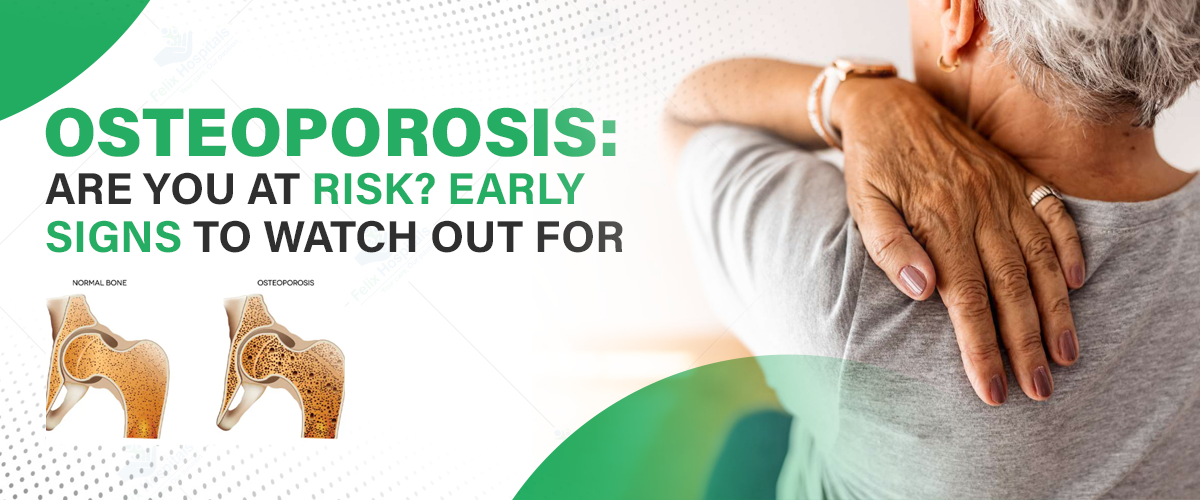
Osteoporosis is often referred to as the "silent disease" because it progresses without noticeable symptoms until a fracture occurs. This condition weakens bones, making them more susceptible to breaking from minor falls or even simple activities. Early detection and prevention of osteoporosis are essential for reducing fractures and maintaining an active lifestyle. For those seeking expert care, the Best Hospital for Osteoporosis Treatment in Noida offers advanced diagnostic services and treatment options to manage and prevent osteoporosis effectively.
If you're concerned about your risk for osteoporosis, don't wait for symptoms to appear. Contact us at +91 9667064100.
Osteoporosis is a condition that leads to a significant decrease in bone density and quality, making bones brittle and fragile. Over time, bones become more porous and less capable of withstanding normal stresses, resulting in a higher risk of fractures. Bone density loss occurs when the breakdown of bone (resorption) outpaces the formation of new bone. As bone strength diminishes, it significantly impacts overall mobility and independence.
Several Osteoporosis risk factors contribute to the development of the condition. Age is one of the most prominent factors, with bone mass naturally declining as you get older. Gender also plays a significant role, as women are at higher risk, especially postmenopausal women, due to the drop in estrogen levels. Family history can increase the likelihood of developing osteoporosis, and lifestyle choices such as poor diet, lack of physical activity, smoking, and excessive alcohol consumption all raise the risk.
Specific groups at higher risk include:
Postmenopausal women
Individuals with a sedentary lifestyle
Those with a family history of osteoporosis
People who have undergone long-term use of corticosteroids or certain medications
The early signs of osteoporosis often go unnoticed until significant bone loss has occurred. However, there are some this condition that may indicate the need for further investigation:
Unexplained fractures: Fractures from minimal trauma or falls are one of the primary symptoms of osteoporosis.
Height loss or a stooped posture: Over time, a decrease in height or developing a hunched back can signal the onset of osteoporosis.
Back pain and posture changes: Sudden back pain, especially from fractures in the spine, and a noticeable change in posture can be early indicators of weakened bones.
Osteoporosis develops when the balance between bone resorption (breakdown) and bone formation is disrupted. During normal bone remodeling, old bone tissue is replaced with new bone. In osteoporosis, however, this process slows down, and more bone is lost than is replaced. Factors like hormonal changes, inadequate nutrition (especially lack of calcium and vitamin D), and lack of weight-bearing exercise accelerate this process.
Preventing osteoporosis begins with taking care of your bones early on. Key actions to maintain bone health include:
Diet: Consuming calcium-rich foods (such as dairy, leafy greens, and fortified products) and ensuring sufficient vitamin D intake is critical for bone health. Additionally, nutrients like magnesium and vitamin K support bone strength.
Exercise: Weight-bearing activities like walking, jogging, and strength training exercises are beneficial in maintaining bone density.
Lifestyle changes: Quitting smoking and limiting alcohol consumption help protect bone health. Managing stress through relaxation techniques can also contribute to overall well-being.
Osteoporosis diagnosis typically involves a bone density test (DEXA scan), which measures the mineral density of your bones. This non-invasive procedure helps detect early bone loss and can predict the risk of fractures. Other diagnostic tools, such as X-rays and blood tests, may also be used to assess bone health. Regular screenings, especially for those at higher risk, are vital for detecting osteoporosis early and preventing complications.
If diagnosed with osteoporosis, several treatment options are available to slow bone loss and strengthen bones:
Medications: Drugs like bisphosphonates and selective estrogen receptor modulators (SERMs) are often prescribed to reduce bone loss. Bone and joint hospitals provide comprehensive treatment plans tailored to individual needs.
Hormone Replacement Therapy (HRT): For postmenopausal women, HRT can help balance hormones and prevent further bone loss.
Lifestyle interventions: Diet adjustments, weight-bearing exercises, and calcium and vitamin D supplementation are integral to managing the condition. Continuous monitoring and follow-up are essential for long-term success.
If you experience symptoms such as unexplained fractures, back pain, or height loss, it's important to consult with a healthcare provider. Osteoporosis diagnosis can help detect early signs and prevent further complications. Seeking early intervention can reduce the risk of fractures and help you maintain an active, independent life.
If you're looking for expert care to prevent osteoporosis and maintain optimal bone health, consider consulting with these distinguished orthopedic specialists:
Dr. Binay Kumar Sahu: Recognized for his holistic approach to bone health, focusing on both prevention and effective treatment strategies for osteoporosis.
Dr. Keshav Goel: A specialist in musculoskeletal care, dedicated to early diagnosis and creating customized treatment plans to ensure strong bones.
Dr. Piyush Kumar Singh: Combining orthopedic expertise with a strong focus on patient education, he provides comprehensive prevention strategies for bone-related conditions.
Dr. Varun Aggarwal: An expert in managing bone density loss, offering advanced treatments and solutions to prevent and manage osteoporosis.
Schedule a consultation with one of these specialists to receive personalized guidance on maintaining strong bones and a healthy lifestyle.
Schedule a consultation with a healthcare provider to assess your bone health and develop a personalized prevention plan.
Taking proactive steps to care for your bones is essential in preventing osteoporosis. A balanced diet, regular exercise, and healthy lifestyle choices can all help preserve bone density and reduce Osteoporosis symptoms. Regular check-ups and bone health screenings are crucial for early detection, especially for individuals at higher risk. By recognizing this condition early, you can take action before significant bone loss occurs. Remember, it’s never too early or too late to focus on your bone health and reduce the risk of osteoporosis. Prioritize your bone health today to ensure a strong and active future.
1. What are the early symptoms of osteoporosis?
Ans: Osteoporosis often shows no early symptoms, but unexplained fractures, height loss, and back pain are key warning signs.
2. How is osteoporosis diagnosed?
Ans: The most common test is a bone density scan (DEXA), which measures bone mineral density to identify early signs of bone loss.
3. Can osteoporosis be prevented?
Ans: Yes, maintaining a healthy diet rich in calcium and vitamin D, staying active, and making lifestyle changes can help prevent osteoporosis.
4. Who is at higher risk for osteoporosis?
Ans: Postmenopausal women, individuals with a sedentary lifestyle, and those with a family history of osteoporosis are at higher risk.
5. What treatments are available for osteoporosis?
Ans: Treatments include medications like bisphosphonates, hormone therapy, lifestyle changes, and dietary adjustments to manage bone density loss.
6. Can osteoporosis cause fractures?
Ans: Yes, osteoporosis weakens bones, making them more susceptible to fractures even from minimal trauma or falls.
7. When should I see a doctor about osteoporosis?
If you experience unexplained fractures, back pain, or significant height loss, it's essential to consult a doctor for osteoporosis diagnosis and treatment.
Tuberculosis (TB) is primarily known as a respiratory infection caused by Mycobacterium tuberculosis, but it can affect various body parts, including bones and joints.

Bone fractures are common injuries from accidents or falls. While many heal well, complications can arise, affecting recovery. Learn more about these issues and treatments.
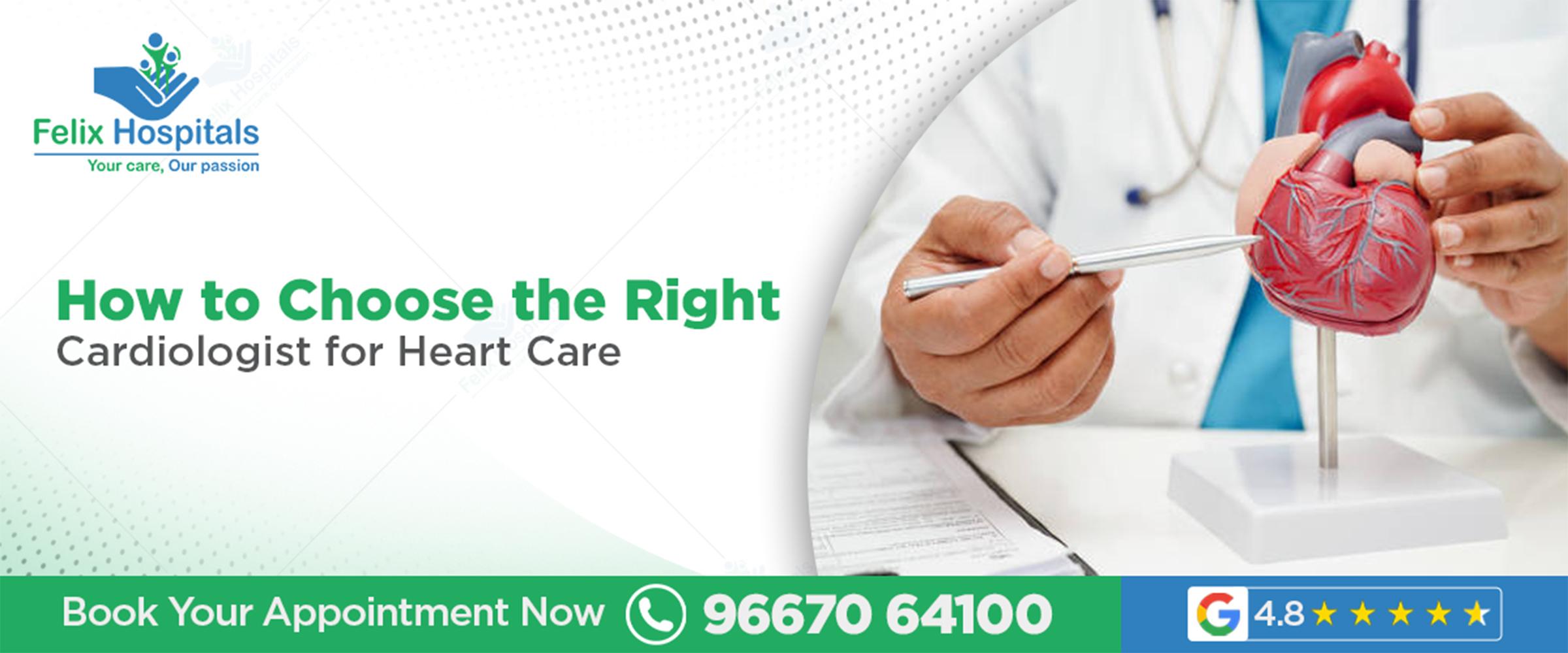
The heart is one of the most vital organs in the body, and ensuring its health should be a top priority. Cardiovascular diseases are among the leading causes of death worldwide, making it essential to seek expert care from a qualified cardiologist. Whether you need preventive care, management of chronic conditions, or treatment for a cardiac emergency, choosing the right Cardiologist for Heart Care is crucial.
Felix Hospital, known as the Best Heart Care Hospital in Noida, provides exceptional cardiac care services. Finding a doctor who understands your specific heart health needs can significantly impact your long-term well-being. This guide will help you choose the best Cardiologist for Heart Care, ensuring you receive top-quality treatment and support.
Consultation with one of our expert cardiologists at Felix Hospital today to take the first step toward a healthier heart! Call now at +91 9667064100.
Before selecting a cardiologist, it is important to understand your heart health needs. Different conditions require different specialties, and recognizing the type of care you need can help narrow down your search.
Choosing a Cardiologist for Heart Care who specializes in your condition can enhance treatment outcomes and ensure effective disease management.
Finding the right Cardiologist for Heart Care requires thorough research. Here are some ways to start your search:
Before finalizing your choice, consider asking these important questions:
Getting clear answers to these questions will help you make an informed decision regarding your heart care.
If you experience any of the following symptoms, it is time to consult a Cardiologist for Heart Care:
Regular heart check-ups are also crucial, especially for individuals with risk factors such as diabetes, high blood pressure, high cholesterol, or a sedentary lifestyle.
Felix Hospital is home to some of the Best Cardiologists for Heart Care, ensuring that patients receive world-class treatment and compassionate care. Our team includes:
With cutting-edge technology, a patient-focused approach, and affiliation with the Best Heart Hospital in Noida, Felix Hospital ensures that every patient receives the best possible treatment for their heart health.
Book an appointment now with our top-rated heart specialists at Felix Hospital for comprehensive heart care.
Choosing the right Cardiologist for Heart Care is a critical decision that can significantly impact your heart health and overall well-being. From understanding your specific needs to evaluating factors such as experience, technology, and hospital affiliation, making an informed choice ensures the best possible outcomes.
Early diagnosis and proactive treatment can prevent serious complications, and knowing the Heart Care treatment cost in advance helps in financial planning. If you're looking for top-quality cardiac care, consult a trusted cardiologist at Felix Hospital today to safeguard your heart health and ensure a healthier future.
Q- How do I know if I need to see a cardiologist?
Ans- If you experience symptoms like chest pain, shortness of breath, or irregular heartbeats, it's important to consult a cardiologist. Early intervention can help prevent more severe complications.
Q- What are the different types of cardiologists and how do I choose the right one?
Ans- Cardiologists specialize in various areas such as general care, heart failure, interventional procedures, and arrhythmias. Choose one based on your specific heart condition for the best care.
Q- Are heart tests and procedures covered by insurance?
Ans- Most heart-related tests and procedures are covered by health insurance, but coverage varies by plan. It's best to check with your insurance provider and the hospital for details.
Q- What are the benefits of minimally invasive heart surgeries?
Ans- Minimally invasive procedures offer faster recovery times, less pain, and smaller incisions, leading to reduced risk of complications and a quicker return to normal activities.
Q- Can a cardiologist help manage my cholesterol and blood pressure?
Ans- Yes, cardiologists specialize in managing conditions like high blood pressure and cholesterol. They can recommend medications and lifestyle changes to improve heart health.
Q- What should I expect during my first visit to a cardiologist?
Ans- Your first visit typically involves a detailed review of your medical history, a physical examination, and possibly some tests like an ECG or echocardiogram to assess your heart health.
Q- How can I lower my risk of heart disease through lifestyle changes?
Ans- Adopting a heart-healthy diet, exercising regularly, quitting smoking, and managing stress are key lifestyle changes that can significantly reduce your risk of heart disease.
A stent procedure can be life-saving for those with blocked arteries. This guide walks you through the stent experience—from the angioplasty process to post-procedure recovery and lifestyle changes.
Best heart hospital in Noida for bypass surgery at affordable prices with expert cardiac surgeons, advanced facilities, and quality patient care for better recovery.

We all feel down sometime or the other. Sometime there is no particular reason why are we feeling this way. And it is normal to feel low sometime
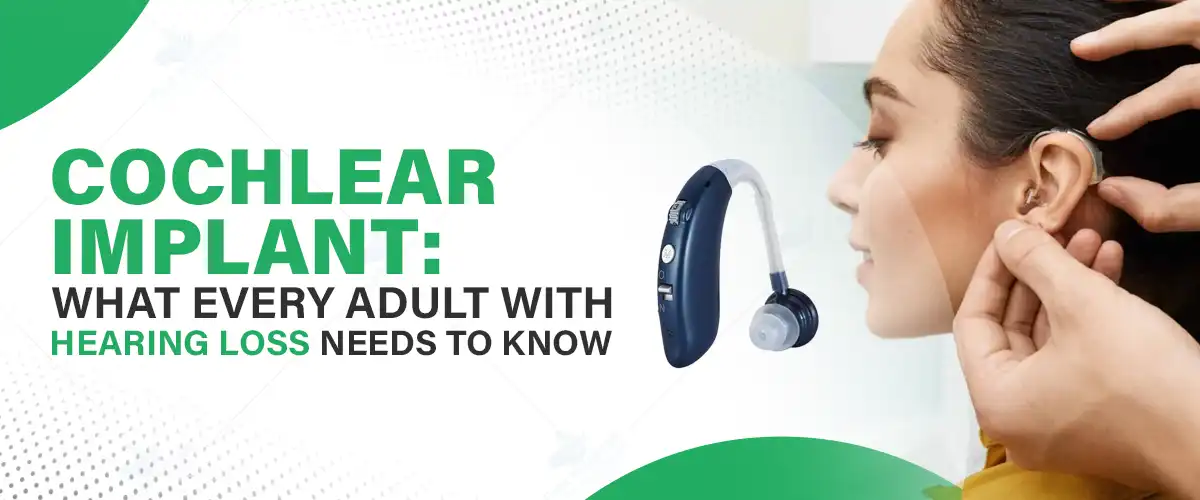
Hearing loss in adults can significantly affect daily life, making communication challenging and often leading to feelings of isolation and frustration. While hearing aids can provide some relief, they are not always sufficient for those with severe to profound hearing loss. This is where cochlear implants come in as a transformative solution, offering the potential to restore hearing and improve quality of life. It is essential to understand the benefits, the process, and the candidacy for cochlear implants before making a decision.
For those considering cochlear implants, finding the best hospital for cochlear implant surgery can play a crucial role in the success of the procedure. A reputable hospital with expert surgeons can ensure that the implantation process is as smooth and effective as possible.
Our dedicated team is here to provide expert care for your hearing needs. Call now at +91 9667064100.
A cochlear implant is a medical device designed to help individuals with severe to profound hearing loss hear sounds by bypassing damaged parts of the ear. Unlike hearing aids, which amplify sound, a cochlear implant directly stimulates the auditory nerve, enabling sound signals to be transmitted to the brain.
The cochlear implant consists of two main components:
When a cochlear implant is used, it helps to restore the ability to hear sounds and enhances communication abilities.
To qualify for a cochlear implant, adults generally need to meet certain criteria:
Medical evaluations and hearing tests are necessary to determine candidacy. Specific groups, such as individuals with bilateral hearing loss or those who have lost hearing due to age or illness, tend to benefit most from cochlear implants.
If you're seeking the best hospital for cochlear implant surgery, ensure that it has a dedicated ENT (Ear, Nose, and Throat) department with experienced surgeons to evaluate your specific condition and guide you through the process.
Cochlear implants offer a wide range of benefits for adults suffering from hearing loss:
When choosing the best hospital for cochlear implant surgery, consider one that offers cutting-edge technology and a team of skilled professionals to maximize the benefits of the procedure.
The cochlear implant surgery is generally straightforward and performed under general anesthesia. Here's an overview of what to expect:
Rehabilitation is a key part of the cochlear implant journey. Auditory training, speech therapy, and regular checkups help maximize the effectiveness of the implant.
Like any surgery, cochlear implantation carries certain risks:
It is also important to understand that cochlear implants do not restore normal hearing; they provide an artificial method of hearing that can help with understanding speech and sounds.
When searching for the best hospital for cochlear implant surgery, choosing a hospital with skilled professionals who can discuss these risks and set realistic expectations is crucial.
Adapting to a cochlear implant can take time, especially for adults who may have lived with hearing loss for many years. The initial adjustment period involves learning how to interpret sounds through the implant, which can differ from natural hearing.
Ongoing care and maintenance of the device are essential. The external processor needs to be kept clean and charged, and regular follow-up visits with an audiologist are necessary to fine-tune the device. Support groups, counseling, and rehabilitation programs can provide valuable resources for cochlear implant users.
The cost of cochlear implant surgery can vary depending on the hospital, the surgeon’s experience, and the technology used. On average, the cost of the procedure ranges from ₹3,000 to ₹12,00,000, including pre-surgery assessments, surgery, and rehabilitation.
Many insurance plans offer coverage for cochlear implant surgery, though the extent of coverage may vary. Be sure to check with your provider about the specifics of cochlear implant surgery cost and reimbursement policies.
For financial assistance, many hospitals offer payment plans or assist in navigating insurance coverage, making the procedure more affordable.
If you are considering a cochlear implant, choosing the best hospital for cochlear implant surgery is essential for optimal results. At Felix Hospitals, we are proud to have a team of experienced ENT surgeons specializing in cochlear implant surgeries. Our renowned specialists, including Dr. Arvinder Pal Singh, Dr. Kunwar Parvez, and Dr. Arjun Saini, are among the best doctors for cochlear implant surgery, providing personalized care for each patient.
These experts ensure the highest standards of care, from pre-surgery consultations to post-surgery rehabilitation, to help you achieve the best hearing outcomes.
For more information about cochlear implant surgery and its costs, call us at +91 9667064100.
Cochlear implants have the potential to transform the lives of adults with hearing loss. They offer the ability to improve speech comprehension, enhance social engagement, and reduce feelings of isolation. If you are considering cochlear implant surgery, consulting with an audiologist or ENT specialist is crucial to determine if you're a good candidate and to understand the cochlear implant surgery cost.
Take the first step towards better hearing and a fuller life today by consulting with the best doctors for cochlear implant surgery. The road to better hearing is possible with the right guidance and medical care.
Q- Can a cochlear implant restore normal hearing?
Ans- No, cochlear implants do not restore normal hearing. They provide an alternative method for hearing by stimulating the auditory nerve.
Q- How long does the surgery take?
Ans- Cochlear implant surgery typically takes about 2 to 3 hours.
Q- Will I need to replace the implant over time?
Ans- Cochlear implants are designed to last for many years, but in some cases, they may need to be replaced due to technological advances or wear and tear.
Q- Is the device visible when worn?
Ans- The external processor of the cochlear implant is typically worn behind the ear and is noticeable but discreet.
Q- How soon will I notice an improvement in hearing?
Ans- Improvement varies, but most individuals begin to notice benefits within a few weeks to months after the implant is activated.
Q- Can cochlear implants help with tinnitus?
Ans- Cochlear implants may help reduce the perception of tinnitus for some individuals.
Q- Are there any activity restrictions post-implantation?
Ans- Most patients can resume normal activities after recovery, but it is advisable to avoid water activities or heavy physical exertion until cleared by the doctor.

Air pollution is a major health risk for all ages, causing respiratory and eye issues.
ENT health is essential for proper breathing, hearing, speech, and balance. Early detection and expert care ensure a better quality of life and prevent chronic complications.
The right ophthalmologist is a crucial step in your eye surgery journey
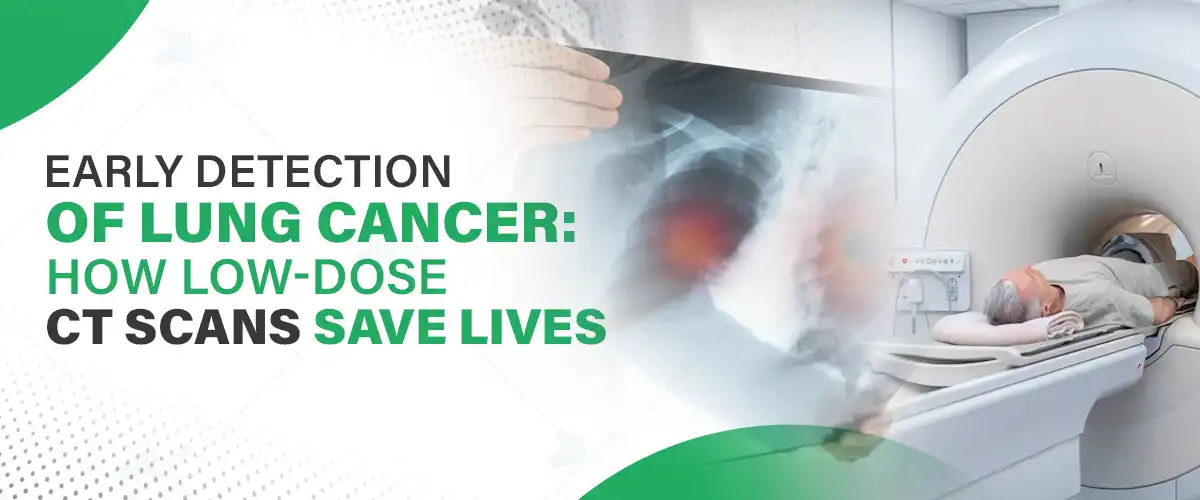
Lung cancer continues to rank as one of the most devastating cancer types globally, claiming millions of lives every year. The key to reducing this heavy toll lies in early detection, which significantly improves survival rates. Modern lung cancer screening tests, such as Low-Dose CT (LDCT) scans, are transforming how we approach this silent killer. At cutting-edge institutions recognized as a top cancer hospital in Noida, the path to early detection and effective treatment has never been clearer.
Contact us at +91 9667064100 today to learn more about lung cancer screening tests and how they can save lives.
Lung cancer is a type of cancer that begins in the lungs, often resulting from the uncontrolled growth of abnormal cells in one or both lungs. These abnormal cells can cluster together, forming a tumor, which may spread to other parts of the body if not detected and treated early.
The disease is one of the leading causes of cancer-related deaths globally, affecting millions of individuals each year. Its prevalence underscores the importance of awareness, early detection, and appropriate treatment strategies.
Lung cancer is categorized into two primary types:
Common Risk Factors:
Symptoms (Often Appear Late):
In its early stages, lung cancer is typically asymptomatic, emphasizing the importance of routine screening tests to catch the disease early.
A Low-Dose CT scan is a breakthrough diagnostic tool designed to detect lung cancer at its earliest and most treatable stages.
How LDCT Works:
Key Advantages:
Why Early Detection Matters:
By uncovering cancer before symptoms appear, LDCT empowers patients to take proactive steps toward recovery.
Eligibility Criteria for LDCT Screening:
1. Age: Adults aged 50–80 years.
2. Smoking History: Heavy smokers with at least a 20-pack-year history (1 pack/day for 20 years or 2 packs/day for 10 years) or those who have quit within the past 15 years.
3. Additional Risks: Individuals with significant exposure to carcinogens or a strong family history of lung cancer.
Consulting a healthcare provider is essential to determine if LDCT is right for you.
LDCT scans offer unparalleled benefits in the fight against lung cancer:
Patients often have questions about LDCT scans:
Preparation for an LDCT scan is straightforward:
The procedure itself is painless, quick, and stress-free, lasting only a few minutes.
Felix Hospitals stands out for its advanced facilities and highly skilled team of oncologists.
Leading Specialists for Lung Cancer Care:
With their experience and patient-focused approach, Felix Hospitals ensures comprehensive care, from early detection to personalized treatment plans.
If you or a loved one is at risk for lung cancer, just schedule an appointment with the best oncologist at Felix Hospitals by Clicking Here.
Early detection of lung cancer through Low-Dose CT scans has the potential to save countless lives. This innovative screening tool, combined with the expertise of leading oncologists, makes early diagnosis and effective treatment a reality.
At Felix Hospitals, your health is our priority. Don’t wait—take the first step toward better health by scheduling an LDCT scan today. Early detection can be the difference between life and loss.
1. What is lung cancer, and why is early detection important?
Ans: Lung cancer is a type of cancer that begins in the lungs due to the uncontrolled growth of abnormal cells. Early detection is crucial because it significantly improves survival rates by identifying the disease at a more treatable stage.
2. How does a Low-Dose CT (LDCT) scan differ from a traditional chest X-ray?
Ans: An LDCT scan offers detailed imaging capable of detecting small nodules or abnormalities in the lungs that traditional X-rays might miss. It also uses lower radiation than standard CT scans, making it a safer option.
3. Who should consider undergoing an LDCT scan?
Ans: Adults aged 50–80 with a history of heavy smoking (20-pack years or more) or those who quit within the last 15 years are prime candidates. Individuals with significant exposure to carcinogens or a strong family history of lung cancer should also consult their doctor about screening.
4. What are the advantages of using LDCT for lung cancer screening?
Ans: LDCT offers lower radiation exposure, non-invasive and quick procedures, and high sensitivity in detecting even the smallest tumors, making it a revolutionary tool in early cancer detection.
5. What are the risks or limitations associated with LDCT scans?
Ans: While LDCT is generally safe, there is a small risk of false positives where non-cancerous nodules might be detected, leading to additional follow-up tests. However, these tests are crucial for accurate diagnosis.
6. Is LDCT screening covered by insurance?
Ans: Many insurance providers cover LDCT screenings for individuals meeting the eligibility criteria. It’s advisable to check with your insurance provider and healthcare facility to confirm coverage.
7. What preparation is required before an LDCT scan?
Ans: Patients should wear loose, metal-free clothing and follow any specific instructions provided by their healthcare provider. In some cases, fasting may be required before the scan. The procedure itself is quick, painless, and stress-free.
8. Why choose Felix Hospitals for lung cancer screening?
Ans: Felix Hospitals is renowned for its cutting-edge facilities, experienced oncologists, and patient-focused care. With specialists like Dr. Mukta Baxi and Dr. Abhishek Shrivastava, they ensure comprehensive support, from early detection to personalized treatment plans.

Recent studies have explored a possible link between frequent mouthwash use and cancer risk.

Prostate cancer is a common type of cancer in men that affects the prostate gland. Understanding its symptoms, causes, and treatment options can help in early detection and effective management.
Lung cancer is a serious condition that starts in the lungs and can spread to other parts of the body.
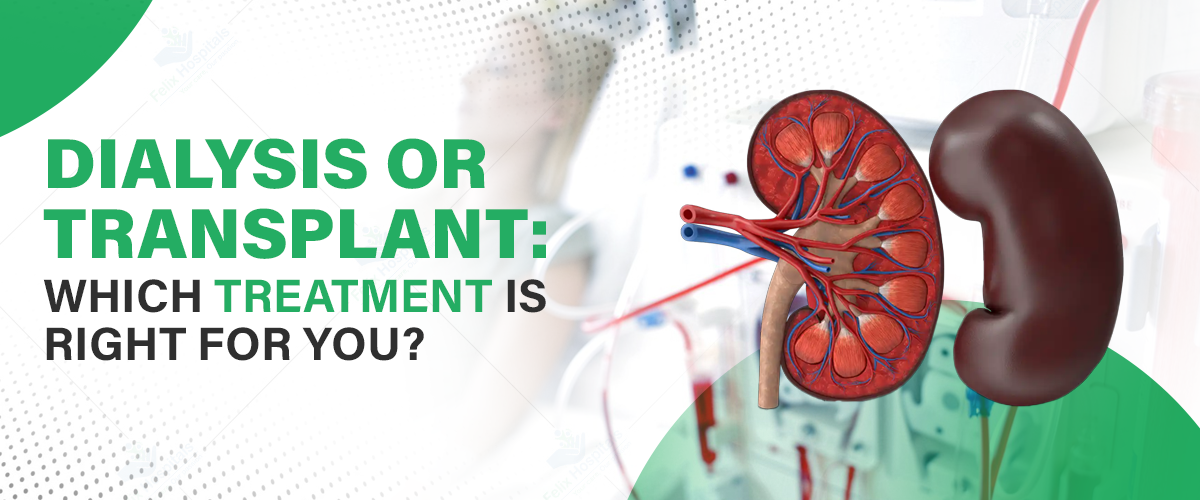
Kidney failure is a critical health condition where the kidneys lose their ability to filter waste and maintain the body's balance. Choosing dialysis vs. kidney transplant is a life-altering decision that requires timely and informed consideration. At the best kidney hospital in Noida, patients receive expert guidance to choose these options effectively. This blog aims to clarify the differences, pros, and cons between dialysis vs. kidney transplant to help you make the right choice.
Contact us today by calling +91 9667064100 to consult with our expert nephrologists and explore the best treatment options you need.
Kidney failure occurs when the kidneys can no longer perform their essential functions like filtering toxins and regulating fluids. It leads to severe complications such as high blood pressure, fluid retention, and waste buildup.
Symptoms of Kidney Failure:
Fatigue and shivering
Swelling in the legs
Abnormal urine output
Shortness of breath
Nausea or vomiting
Diagnosis often involves blood tests (creatinine levels, GFR), urine tests, and imaging studies.
Dialysis is a treatment that replicates the kidney's function by removing waste, salt, and excess water.
Hemodialysis: Blood is filtered using a machine.
Peritoneal Dialysis: Waste is removed via a catheter inserted into the abdomen.
Provides an immediate solution for kidney failure.
Requires no complex surgical procedure.
Requires frequent sessions (3–4 times a week for hemodialysis).
Can disrupt daily life and work schedules.
Long-term use may lead to health complications like infections or cardiovascular issues.
A kidney transplant involves replacing a failing kidney with a healthy one from a donor.
1. The Transplant Process:
Matching with a donor (living or deceased).
Undergoing surgery to replace the damaged kidney.
Post-transplant care, including immunosuppressant medications to prevent rejection.
2. Pros of Kidney Transplant:
Offers a better quality of life compared to dialysis.
Frees patients with the need for regular dialysis sessions.
3. Cons of Kidney Transplant:
Long waiting times for a donor's kidney.
Risks associated with surgery and organ rejection.
Lifelong commitment to medications to suppress the immune system.
1. Medical Factors:
The severity of kidney failure, age, and overall health.
Presence of other conditions like diabetes or heart disease.
2. Lifestyle Factors:
Work schedule, travel preferences, and family responsibilities.
Willingness to adapt to treatment routines.
3. Emotional Considerations:
Mental readiness for surgery or regular dialysis.
Concerns about organ rejection or surgical risks.
4. Financial Factors:
Cost comparison: dialysis cost vs. transplant cost.
Insurance coverage and long-term expenses for post-transplant care.
At a reputable kidney failure hospital, specialists help patients weigh these factors to determine the best treatment path.
1. Dialysis:
Advantages: Immediate accessibility, no surgery required.
Challenges: Lifestyle limitations and potential health complications over time.
2. Kidney Transplant:
Advantages: Enhanced quality of life, no dependency on dialysis machines.
Challenges: Finding a donor, surgery risks, and lifelong medication requirements.
At Felix Hospitals, we have a dedicated team of nephrologists with the best expertise in dialysis treatment and kidney care. Meet our expert doctors:
Dr. Sameer Tawakley: With a wealth of experience in managing complex kidney conditions, Dr. Tawakley specializes in providing the perfect dialysis treatment plans to enhance kidney function and overall health.
Together, these experts deliver the perfect dialysis care, helping patients maintain kidney function and lead healthier, more fulfilling lives.
Facing kidney failure and unsure about dialysis or a transplant? Book an appointment with our experienced team at Felix Hospitals.
Choosing between dialysis vs. kidney transplant is a significant decision that depends on medical, lifestyle, and emotional factors. Both options have unique advantages and challenges, but timely action and expert guidance can lead to better outcomes.
At the best hospital in Noida, you’ll find personalized care tailored to your needs. Whether you opt for dialysis or transplant, early intervention, and proactive healthcare are key to improving your quality of life. Take charge of your kidney health today!
1. What factors should I consider when deciding between dialysis and a kidney transplant?
Ans: The decision depends on various factors, including the severity of kidney failure, your overall health, lifestyle preferences, emotional readiness, and the potential risks of surgery. Consulting with a nephrologist can help you evaluate your situation.
2. How long does it typically take to receive a kidney transplant after being placed on the waiting list?
Ans: The waiting time for a kidney transplant can vary widely, depending on factors like blood type, the availability of suitable donors, and your health condition. On average, the wait can range from several months to years.
3. Can I continue my regular activities while undergoing dialysis?
Ans: Dialysis may disrupt your routine since it requires frequent sessions. However, many patients adapt by scheduling sessions around their work and personal commitments. Your healthcare team can help you manage treatment while maintaining a balanced lifestyle.
4. What are the chances of organ rejection after a kidney transplant?
Ans: While organ rejection is possible, it can be minimized with proper immunosuppressive medications. Regular monitoring and follow-up care are essential to detect and address rejection early.
5. Is kidney transplant surgery risky?
Ans: Kidney transplant surgery carries inherent risks, including complications from anesthesia, infection, and organ rejection. However, with modern medical advances, the procedure is generally safe, and doctors take extensive precautions to minimize risks.
6. How often do I need to visit the doctor after a kidney transplant?
Ans: Post-transplant care involves frequent check-ups, especially in the first year. Regular visits are crucial to monitor kidney function, manage medications, and address any potential complications, such as infection or rejection.
7. What are the long-term health considerations after a kidney transplant?
Ans: Long-term considerations include managing immunosuppressant medications to prevent rejection, monitoring for infections, and ensuring the new kidney remains healthy. Lifestyle changes, including a balanced diet and regular exercise, also play a key role in maintaining good health.
Alport syndrome is a rare genetic disorder that affects the kidneys, eyes, and ears, leading to progressive kidney disease and a range of other complications.
Kidney dialysis is a life-saving treatment for patients suffering from chronic kidney disease or kidney failure. Understanding the dialysis cost in Noida helps patients and families plan treatment effectively. This article explains the factors affecting d
Acute Kidney Injury: Causes, Symptoms, and Treatment explores the sudden deterioration of kidney function, which disrupts the body’s ability to filter waste and regulate fluids.
Polycystic Kidney Disease (PKD) is a genetic disorder characterized by the growth of fluid-filled cysts in the kidneys, often leading to kidney failure.
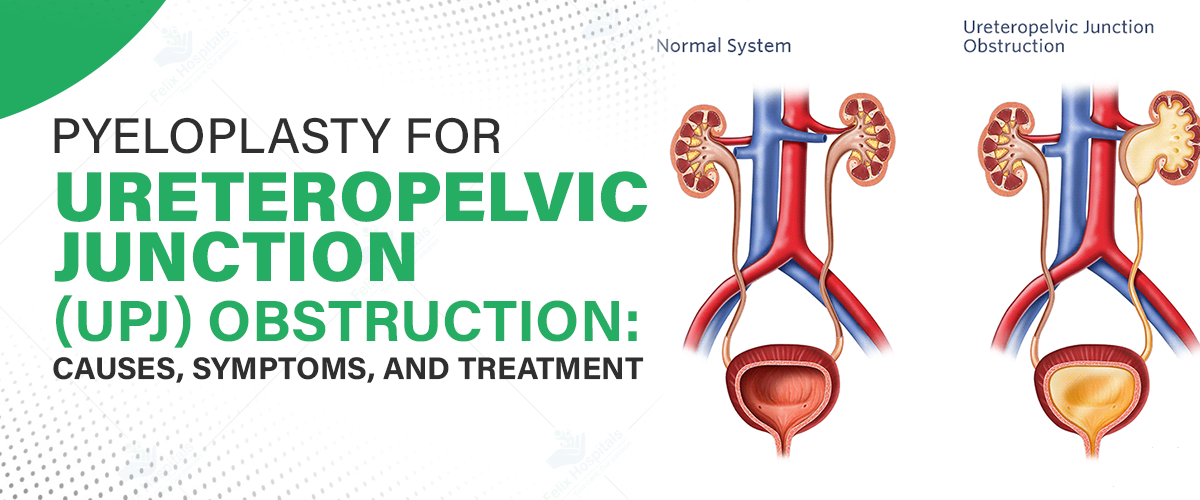
Ureteropelvic Junction (UPJ) Obstruction is a medical condition where there is a blockage at the junction where the renal pelvis meets the ureter. This obstruction can impede the normal flow of urine from the kidney to the bladder, leading to various complications, including kidney damage. Prompt diagnosis and treatment are crucial to prevent long-term kidney issues. If left untreated, UPJ obstruction can result in severe kidney damage, hypertension, and recurrent infections.
At the Top Pyeloplasty Surgery Hospital, specialists offer advanced treatments, with Pyeloplasty being the primary surgical solution to relieve the obstruction and restore proper kidney function. This procedure is highly effective, offering long-term relief and improving the patient’s quality of life.
If you're experiencing persistent urinary issues, seeking medical advice is crucial. Contact us today at +91 9667064100.
UPJ Obstruction occurs when there is a blockage at the point where the renal pelvis, the funnel-shaped part of the kidney, connects to the ureter. This blockage disrupts the flow of urine from the kidney to the bladder. Over time, this can lead to kidney swelling (hydronephrosis) and impairment of kidney function.
The condition can be congenital (present at birth) or acquired later in life due to various factors. Whether congenital or acquired, timely detection and intervention are necessary to avoid complications like kidney failure.
There are two primary categories of causes for UPJ Obstruction: congenital and acquired.
The symptoms of UPJ obstruction can vary depending on the severity and duration of the condition.
To diagnose UPJ Obstruction, several imaging tests and functional studies are performed.
Pyeloplasty is the surgical procedure used to treat UPJ Obstruction. The goal is to remove the obstruction and restore normal urine flow from the kidney to the bladder. Pyeloplasty has a high success rate and is the preferred method of treatment for UPJ obstruction, especially when conservative treatments are ineffective.
Types of Pyeloplasty
Preoperative Preparation
Surgical Process
Postoperative Care and Recovery
Like any surgery, Pyeloplasty carries potential risks, including:
For effective treatment of UPJ Obstruction, schedule a consultation with Dr. Bhanwar Lal Barkesia, one of the Best Pyeloplasty Doctors in Noida at Felix Hospitals. With years of expertise in urology, Dr. Barkesia offers personalized care and advanced surgical techniques to treat UPJ Obstruction and other urological issues.
Schedule an Appointment at Felix Hospitals for the best urology care and treatment options for UPJ Obstruction.
Early detection and timely treatment of UPJ Obstruction are essential to prevent further kidney damage and improve the patient’s quality of life. Thanks to advancements in minimally invasive surgical techniques like laparoscopic and robotic-assisted pyeloplasty, patients can expect a quicker recovery and fewer complications. When considering pyeloplasty, it is important to understand the pyeloplasty surgery cost in Noida and consult with experienced urologists to determine the best course of action for optimal health.
Q1- What are the long-term effects of untreated UPJ Obstruction on kidney function?
ANS: UPJ Obstruction can lead to chronic kidney damage, progressive loss of kidney function, and, in severe cases, kidney failure. Early intervention is essential to prevent these complications and preserve kidney health.
Q2- How can I differentiate between flank pain caused by UPJ Obstruction and other kidney-related conditions?
ANS: Flank pain due to UPJ Obstruction is often accompanied by symptoms like nausea, vomiting, and recurrent urinary tract infections (UTIs). Imaging tests such as ultrasound or CT scan can help confirm the diagnosis and rule out other kidney conditions.
Q3- What factors determine whether a patient should undergo laparoscopic, robotic-assisted, or open pyeloplasty?
ANS: The choice of surgical method depends on the severity of the obstruction, the patient’s overall health, and the experience of the surgeon. Robotic-assisted and laparoscopic procedures are generally preferred for their minimally invasive nature, offering quicker recovery and less post-surgical pain.
Q4- How does a renal scan help in diagnosing UPJ Obstruction, and what does it reveal?
ANS: A renal scan, also known as a diuretic renal scan, assesses how well the kidneys are draining urine. It helps evaluate the extent of the obstruction and the functionality of the affected kidney, providing essential information for treatment planning.
Q5- Is there a risk of UPJ Obstruction recurring after pyeloplasty, and how can this be prevented?
ANS: Although recurrence is rare, it can happen, especially if the original obstruction is not fully removed. Regular follow-up visits and imaging tests after surgery help monitor kidney function and detect any early signs of recurrence.
Q6- Can UPJ Obstruction be diagnosed during routine check-ups, or is it detected only when symptoms become severe?
ANS: While UPJ Obstruction may be asymptomatic in the early stages, it is often diagnosed during routine imaging tests for other conditions, such as UTIs or unexplained flank pain. Early detection through these tests can prevent further complications.
Q7- What dietary changes should be made after pyeloplasty to support kidney health?
ANS: After pyeloplasty, maintaining a kidney-friendly diet is essential. Patients are advised to stay hydrated, reduce salt intake, and eat a balanced diet rich in fruits, vegetables, and lean proteins to support optimal kidney recovery and long-term health.

Urological health is vital for well-being, influenced by diet and exercise. Good nutrition and activity help prevent conditions like UTIs, kidney stones, and cancers.
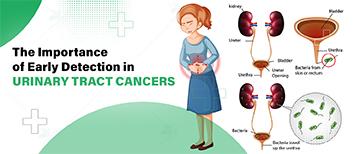
For instance, bladder cancer has a five-year survival rate of about 77% when diagnosed early, compared to just 5% in advanced stages. Early diagnosis directly correlates with improved outcomes and survival rates.
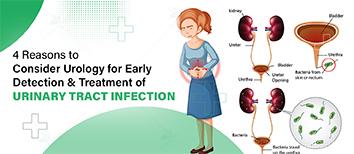
One of the best hospitals for urinary tract treatment in Noida offers comprehensive urology care, featuring expert urologists and advanced diagnostic and treatment facilities.
Our urology and oncology specialists bring extensive experience and expertise in treating various forms of urological cancer.

Subscribe to our
© Copyright 2026. All Rights Reserved by Felix Healthcare Private Limited
Design and development by :


 +(91)9667064100
 Emergency : +(91)9667064100