 WhatsApp
 Emergency:
  WhatsApp









Subscribe to our

Squint, medically known as strabismus, is a common eye condition where one or both eyes deviate from their normal alignment. This misalignment can occur in different directions and may be constant or intermittent. While squint is often noticed in childhood, it can also develop in adults due to various underlying causes.
Squint not only affects the cosmetic appearance of an individual but also has a significant impact on vision. If left untreated, it can lead to complications such as lazy eye (amblyopia), double vision, and poor depth perception. Therefore, early diagnosis and intervention are crucial to preventing long-term visual impairment. If you or your child show signs of squint, seeking professional help from the Best Hospital for Squint (Strabismus) Treatment in Noida is highly recommended.
Schedule your appointment by calling +91 9667064100 or Visit Felix Hospital to explore the best treatment options for squint correction.
Squint is a condition in which the eyes do not align properly. Normally, both eyes work together to focus on the same object, providing clear and single binocular vision. However, in squint, one eye may look straight while the other deviates. This misalignment can be:
Squint may be constant (present all the time) or intermittent (occurs occasionally). The severity and frequency of the misalignment determine the impact on vision and whether treatment is necessary.
Several factors contribute to squint, including:
Squint can present with various symptoms, including:
Squint can have a significant impact on an individual's vision, daily activities, and psychological well-being. Some of the key challenges include:
If you suspect squint in yourself or your child, an ophthalmologist can diagnose the condition through:
Early diagnosis is crucial, especially in children, as timely treatment can prevent complications like lazy eye (amblyopia).
Felix Hospital is home to some of the best doctors for Squint (Strabismus) Treatment in Noida:
Dr. Deepanjali Arya is one of the most highly respected ophthalmologists at Felix Hospital, specializing in advanced cataract and refractive surgeries. With years of experience in treating complex eye disorders, she is well-versed in managing squint (strabismus) cases with precision and care.
Dr. Mohmad Uzair Zakai is another renowned ophthalmologist at Felix Hospital, specializing in cataract surgery and complex eye conditions like squint. His patient-first approach and commitment to excellence make him one of the best doctors for Squint (Strabismus) Treatment in Noida.
Book an appointment today with Felix Hospital’s expert ophthalmologists for a comprehensive eye check-up.
Squint is more than just a cosmetic issue; it affects vision, daily activities, and confidence. Early diagnosis and appropriate treatment can significantly improve eye alignment and prevent long-term vision problems. If you or your child show symptoms, do not delay seeking medical help.
For Squint (Strabismus) Treatment Costs in Noida, consult with the experts at Felix Hospital for personalized care and effective solutions.
Q- Can adults with long-standing squint still benefit from treatment?
Ans- Yes, adults with long-standing squint can still benefit from treatment. While early intervention is ideal, modern treatment options like vision therapy, botox injections, and surgery can significantly improve eye alignment, depth perception, and cosmetic appearance.
Q- Is it normal for a newborn’s eyes to appear misaligned at times?
Ans- Yes, it is common for newborns to have occasional eye misalignment, especially in the first few months as their eye muscles develop. However, if the misalignment persists beyond six months or becomes more noticeable, it’s advisable to consult a pediatric ophthalmologist.
Q- Can prolonged screen time contribute to squint development?
Ans- Excessive screen time doesn’t directly cause squint but can lead to eye strain, which may make an underlying misalignment more noticeable. Children with an uncorrected refractive error may develop accommodative esotropia due to excessive near work.
Q- How do botox injections help in squint treatment?
Ans- Botox injections temporarily weaken the overactive eye muscles, helping to improve alignment in certain types of squint. This is often used for small-angle squints, neurological cases, or as a temporary solution before surgery.
Q- Can squint surgery change the eye’s vision or prescription?
Ans- Squint surgery corrects eye alignment but does not directly affect vision or change a person’s glasses prescription. However, if a squint is associated with an uncorrected refractive error, glasses may still be needed post-surgery.
Q- Is there an ideal age for squint surgery?
Ans- The best age for squint surgery depends on the type and severity of the condition. For congenital squints, surgery is often recommended before the age of two to maximize binocular vision development. In accommodative squints, surgery is considered only if glasses or therapy fails.
Q- Can squint reoccur after successful treatment?
Ans- In some cases, squint may reoccur due to eye muscle changes, neurological factors, or incomplete correction. Regular follow-ups, vision therapy, and proper use of prescribed glasses can help maintain alignment and reduce the risk of recurrence.

Ophthalmology is the branch of medicine that focuses on the diagnosis, treatment, and prevention of eye-related diseases.
The right ophthalmologist is a crucial step in your eye surgery journey
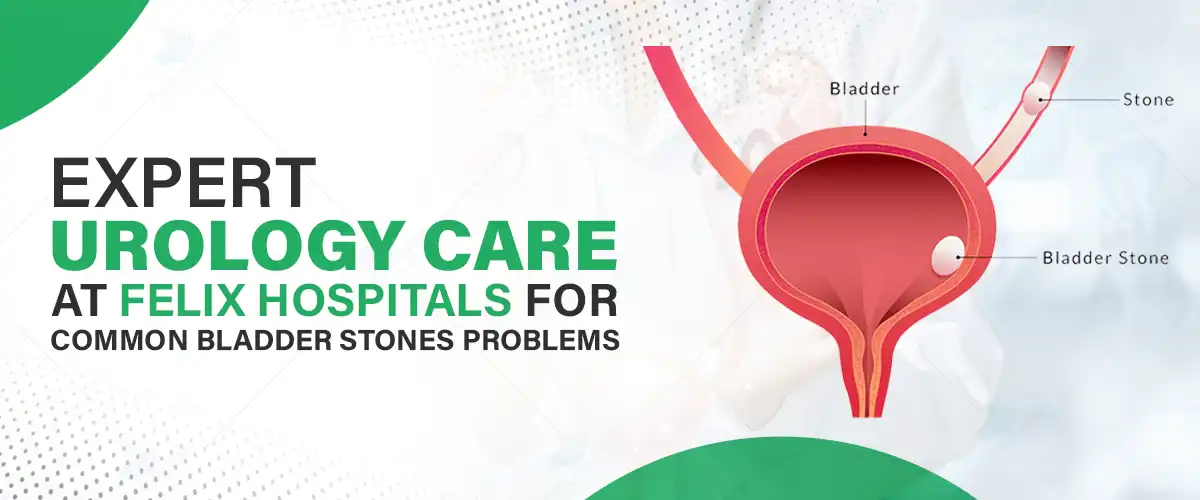
Bladder stones are a common urological issue that can cause discomfort and serious health complications if left untreated. These hard mineral deposits form in the bladder and may lead to pain, urinary difficulties, and infections. Seeking expert urological care is essential for accurate diagnosis and effective treatment.
At Felix Hospital, we specialize in bladder stone treatment, offering state-of-the-art diagnostic tools and advanced treatment options. Our team of experienced urologists ensures personalized care, helping patients regain their urinary health and prevent future occurrences.
Worried about bladder stones treatment cost? Contact us today by Calling +91 9667064100 to learn about affordable treatment options!
Bladder stones are solid masses of minerals that develop in the bladder when urine becomes concentrated and minerals crystallize. If untreated, these stones can lead to chronic urinary problems and infections.
Several factors contribute to the formation of bladder stones, including:
Bladder stones can cause various symptoms, including:
If you experience any of these symptoms, seeking expert care at a bladder stones treatment hospital like Felix Hospital is crucial for timely diagnosis and treatment.
Early detection of common bladder stones problems in men can prevent complications such as infections, kidney damage, or urinary retention.
Felix Hospital offers cutting-edge diagnostic procedures, including:
For smaller stones, the following non-invasive options may be effective:
For larger or symptomatic bladder stones, Felix Hospital offers advanced procedures such as:
To reduce the risk of bladder stones, consider the following lifestyle adjustments:
At Felix Hospital, our urology team, including Dr. Bhanwar Lal Barkesiya, is dedicated to providing top-notch urological care. Whether you need routine check-ups, advanced bladder stone treatments, or post-treatment support, we offer compassionate and specialized care tailored to your needs.
If you are experiencing persistent pain, blood in your urine, or difficulty urinating, don’t ignore these symptoms. A Top Doctor for Male Urology Problems can help diagnose and treat your condition effectively.
Experiencing urinary discomfort or symptoms of bladder stones? Call us now or visit our website to schedule an appointment!
Bladder stones can cause significant discomfort and complications if left untreated. Seeking expert urology care at Felix Hospital ensures timely diagnosis, advanced treatment options, and long-term preventive care. Wondering about bladder stones treatment in noida? Felix Hospital offers affordable and effective treatment plans, ensuring high-quality care without financial burden.
Felix Hospital stands as the Best Urology Hospital in Noida, offering advanced treatments, urology doctors in Noida, and world-class care for all urinary and kidney-related conditions.
Q- Can bladder stones go away on their own?
Ans- Small bladder stones may pass naturally with increased fluid intake, but larger stones often require medical intervention. Ignoring symptoms can lead to severe complications.
Q- What are the warning signs that I should see a doctor for bladder stones?
Ans- If you experience persistent lower abdominal pain, blood in urine, difficulty urinating, or frequent urinary infections, it’s essential to consult a urologist for timely diagnosis and treatment.
Q- How long does it take to recover from a bladder stone removal procedure?
Ans- Recovery time depends on the treatment method. Minimally invasive procedures like cystolitholapaxy allow for a quicker recovery (a few days), whereas open surgery may require a few weeks.
Q- Is bladder stone removal painful?
Ans- Most procedures are performed under anesthesia, ensuring minimal discomfort. Post-procedure pain is usually mild and can be managed with medications.
Q- Can bladder stones lead to kidney damage?
Ans- Yes, untreated bladder stones can cause recurrent infections, urinary blockages, and kidney damage over time. Early detection and treatment are crucial to preventing complications.
Q- Are men more prone to bladder stones than women?
Ans- Yes, men, especially those with prostate enlargement or urinary retention issues, are at higher risk of developing bladder stones.
Q- How can I prevent bladder stones from coming back?
Ans- Drinking plenty of water, maintaining a balanced diet low in salt and oxalates, and addressing underlying conditions like an enlarged prostate or UTIs can significantly reduce the risk of recurrence.
One of the best hospitals for urinary tract treatment in Noida offers comprehensive urology care, featuring expert urologists and advanced diagnostic and treatment facilities.
Advanced neurosurgery improves treatment for brain and spine disorders with better outcomes.
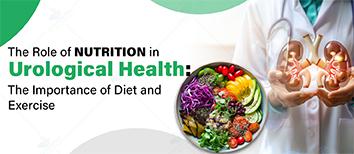
Urological health is vital for well-being, influenced by diet and exercise. Good nutrition and activity help prevent conditions like UTIs, kidney stones, and cancers.
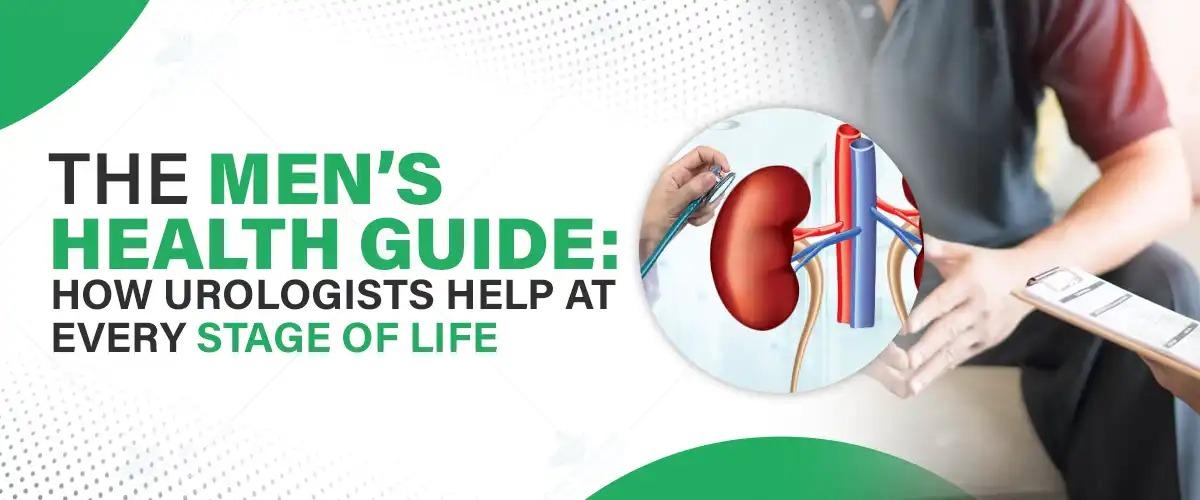
Urological health is a crucial aspect of a man's overall well-being, yet it is often overlooked. From childhood to old age, men may encounter various urological issues that require specialized care. Urologists play a pivotal role in diagnosing, treating, and preventing conditions that affect the urinary tract, reproductive health, and overall quality of life.
For those seeking the Best Hospital for Erectile Dysfunction treatments, finding a facility with experienced specialists and advanced treatment options is essential. This guide explores how urologists support men's health at every stage of life and why proactive care is important.
Struggling with Urinary or Sexual Health Issues? Call us today at +91 9667064100 to get started!
At Felix Hospital, our expert urologists provide specialized care for men of all ages. Dr. Bhanwar Lal Barkesiya and our team are dedicated to diagnosing and treating a range of urological conditions, from childhood concerns to senior health issues.
If you are experiencing persistent pain, blood in your urine, changes in urinary habits, or difficulty maintaining an erection, consult a specialist immediately. A Top Doctor for Male Urology Problems can provide the right diagnosis and treatment plan tailored to your needs.
Schedule your consultation now and take charge of your well-being!
Take Control of Your Urological Health Today! Early detection and treatment can make all the difference. Book an appointment now!
Felix Hospital stands as the Best Urology Hospital in Noida, offering advanced treatments, urology doctors in Noida, and world-class care for all urinary and kidney-related conditions.
Urologists play a crucial role in maintaining men’s health throughout life. Regular screenings and early detection can prevent severe conditions. If you are searching for expert care, consider the erectile dysfunction treatment cost in Noida and consult a qualified urologist at Felix Hospital. Prioritizing urological health today can lead to a healthier future.
Q- Can erectile dysfunction in younger men be a sign of an underlying health issue?
Ans- Yes, ED in younger men can be linked to stress, diabetes, high blood pressure, or even hormonal imbalances. A urologist can help determine the cause and recommend the best treatment.
Q- How do I know if my frequent urination is due to an enlarged prostate or another issue?
Ans- If you experience a weak urine stream, difficulty starting urination, or waking up multiple times at night to urinate, you should see a urologist. Tests like PSA levels and ultrasound can determine if BPH or another condition is the cause.
Q- Are there non-surgical treatments for kidney stones, or is surgery always required?
Ans- Small kidney stones can often pass naturally with hydration and medications. However, larger stones may require shock wave therapy (ESWL), ureteroscopy, or laser treatment.
Q- What are the early warning signs of prostate cancer, and when should I get screened?
Ans- Symptoms like difficulty urinating, blood in urine, and pelvic pain can be warning signs. Screening with a PSA test is recommended after age 50, or earlier for those with a family history.
Q- Is varicocele always a cause of male infertility, and does it require treatment?
Ans- Not all varicoceles affect fertility, but they can lead to lower sperm count and quality. If infertility is a concern, surgical correction (varicocelectomy) may improve chances of conception.
Q- Can lifestyle changes really help with urinary incontinence in older men?
Ans- Yes! Reducing caffeine, managing fluid intake, performing pelvic floor exercises (Kegels), and maintaining a healthy weight can significantly improve symptoms.
Q- What advanced treatments are available for severe erectile dysfunction that doesn’t respond to medication?
Ans- Options include penile implants, shockwave therapy, and platelet-rich plasma (PRP) therapy. A urologist can help determine the best treatment based on your condition.
One of the best hospitals for urinary tract treatment in Noida offers comprehensive urology care, featuring expert urologists and advanced diagnostic and treatment facilities.
Advanced neurosurgery improves treatment for brain and spine disorders with better outcomes.
Urological health is vital for well-being, influenced by diet and exercise. Good nutrition and activity help prevent conditions like UTIs, kidney stones, and cancers.
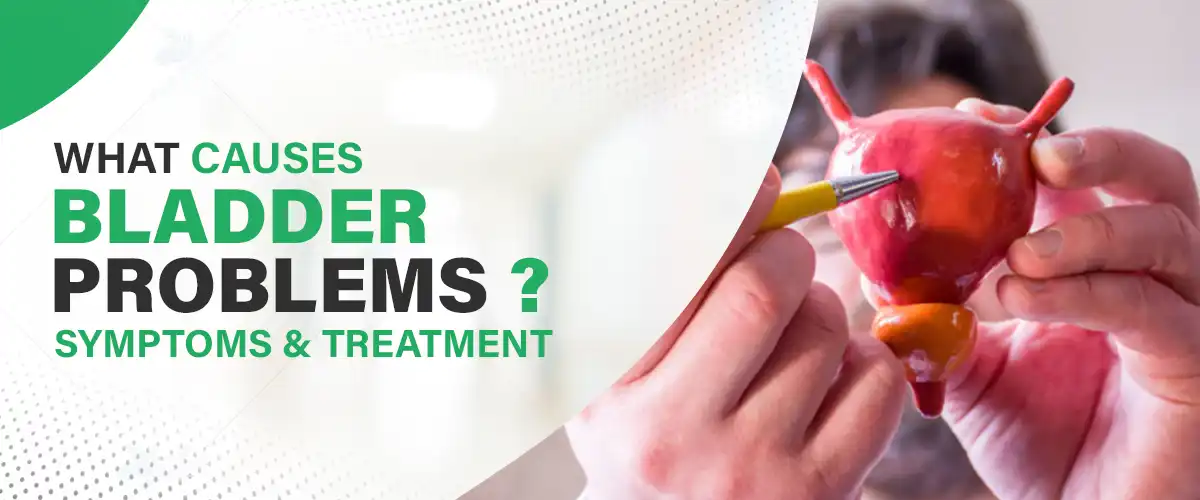
The bladder is a crucial organ responsible for storing and eliminating urine from the body. It plays a vital role in maintaining urinary health, and any dysfunction can lead to discomfort and complications. Bladder problems can affect individuals of all ages and significantly impact their daily lives. Seeking medical assistance from the Best Hospital for urinary bladder treatments is essential for effective diagnosis and management. Early detection and appropriate intervention can help prevent complications and improve the quality of life.
Struggling with Frequent Urination or Bladder Pain? Call us at +91 9667064100.
Bladder problems can arise due to infections, nerve dysfunction, weakened muscles, or chronic conditions. Below are some of the most common causes:
Urinary tract infections occur when bacteria enter the urinary system, leading to inflammation and irritation of the bladder.
OAB is a condition where the bladder contracts involuntarily, causing frequent and sudden urges to urinate.
Urinary incontinence is the loss of bladder control, resulting in involuntary urine leakage.
Types:
Bladder stones are hard mineral deposits formed due to concentrated urine, leading to pain and difficulty urinating.
IC is a chronic bladder condition that causes persistent pelvic pain and bladder pressure.
Bladder cancer occurs when abnormal cells grow uncontrollably in the bladder lining, forming tumors.
Bladder disorders often present with the following symptoms:
If you experience any of these symptoms, it is essential to consult a healthcare provider for urinary bladder treatments to prevent complications.
To determine the exact cause of bladder issues, doctors perform several diagnostic tests:
Early detection is crucial in ensuring the best Treatments for Bladder Control Problems, preventing further complications.
The best Treatments for Bladder Control Problems depend on the underlying cause. These include:
When bladder problems persist for more than a week, or if you notice blood in your urine, seeking professional medical care is crucial.
Dr. Bhanwar Lal Barkesiya, a leading urologist at Felix Hospital, specializes in diagnosing and treating various bladder disorders. With expertise in advanced urinary bladder treatments, he provides personalized care for patients dealing with recurrent UTIs, incontinence, OAB, and bladder cancer.
Don't let bladder problems affect your daily life. Consult at Felix Hospital, for expert diagnosis and personalized treatment. Book an appointment now!
Bladder problems can significantly affect an individual's quality of life, but with timely intervention, they can be effectively managed. Seeking expert consultation from urologists at Felix Hospital ensures access to the best urinary bladder treatments Cost in Noida. Early diagnosis, proper treatment, and lifestyle modifications can help restore bladder function and improve overall well-being. If you are experiencing symptoms, do not hesitate to explore the best Treatments for Bladder Control Problems and regain control over your health.
Felix Hospital offers advanced and reliable Urinary Tract Infection (UTI) treatment in Noida with expert urologists ensuring fast relief and complete recovery.
Q- What are the early warning signs of bladder problems?
Ans- Common early signs include frequent urination, pain while urinating, urinary urgency, blood in urine, and difficulty emptying the bladder. If you experience these symptoms, consult a urologist.
Q- How can I prevent bladder infections and UTIs?
Ans- Maintain proper hygiene, stay hydrated, urinate after sexual activity, and avoid holding urine for long periods to reduce the risk of urinary tract infections.
Q- What lifestyle changes can help improve bladder control?
Ans- Drinking plenty of water, doing Kegel exercises, avoiding caffeine and alcohol, and following bladder training techniques can help strengthen bladder control.
Q- Is urinary incontinence a normal part of aging?
Ans- No, urinary incontinence is common in older adults but not a normal part of aging. It can often be managed with treatment, including medications, therapy, or surgery.
Q- When should I see a doctor for bladder problems?
Ans- If you experience persistent symptoms like pain, blood in urine, frequent urination, or sudden loss of bladder control, it's important to consult a urologist immediately.
Q- Can diet impact bladder health?
Ans- Yes, certain foods and drinks like caffeine, alcohol, spicy foods, and acidic beverages can irritate the bladder and worsen symptoms. Eating a balanced diet and drinking enough water can support bladder health.
Q- How much does bladder treatment cost in Noida?
Ans- The cost of urinary bladder treatments varies depending on the condition and required procedure. Felix Hospital offers affordable and advanced care—contact us for detailed pricing information.
One of the best hospitals for urinary tract treatment in Noida offers comprehensive urology care, featuring expert urologists and advanced diagnostic and treatment facilities.
Advanced neurosurgery improves treatment for brain and spine disorders with better outcomes.
Urological health is vital for well-being, influenced by diet and exercise. Good nutrition and activity help prevent conditions like UTIs, kidney stones, and cancers.
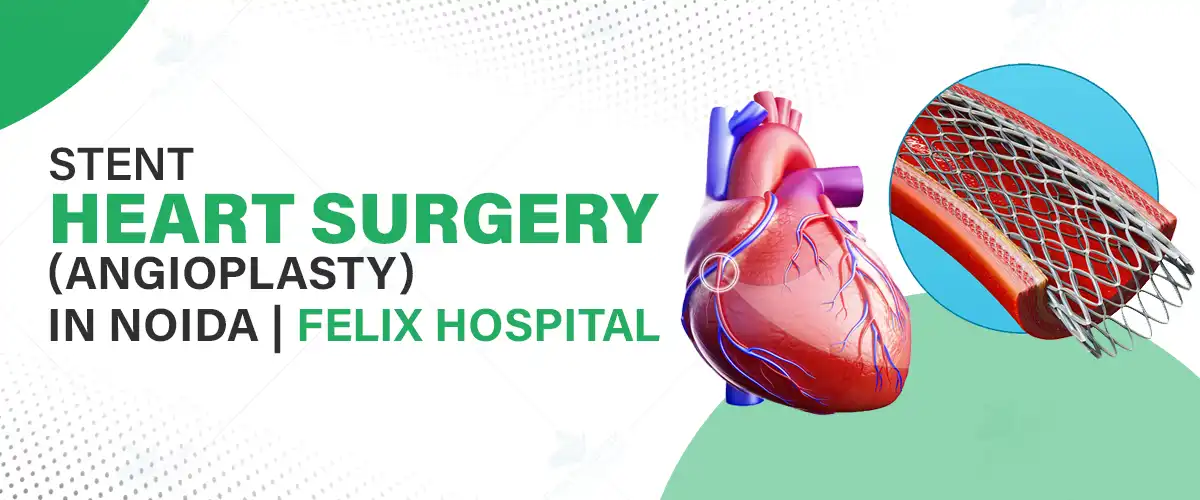
Heart diseases are among the leading causes of mortality worldwide, affecting millions of people every year. Early detection and timely intervention are critical in preventing severe complications. Stent heart surgery, commonly known as angioplasty, is a minimally invasive procedure designed to restore normal blood flow in blocked or narrowed arteries. If you are searching for the Best Hospital for Stent Heart Surgery, Felix Hospital in Noida offers advanced treatment options, experienced cardiologists, and state-of-the-art medical facilities. Choosing the right hospital is essential for ensuring effective heart care and a successful recovery.
Contact us now to learn more about angioplasty costs, insurance coverage, and treatment plans. Call us at +91 9667064100 or walk in for a consultation today!
Angioplasty is a medical procedure used to open clogged arteries and improve blood flow to the heart. It involves inserting a small balloon into the blocked artery, inflating it to widen the vessel, and placing a stent to keep the artery open.
How Stents Help in Treating Blocked Arteries
Stents act as scaffolding to keep the arteries open.
They improve blood circulation and reduce chest pain (angina).
They lower the risk of heart attacks and other cardiovascular complications.
Balloon Angioplasty vs. Stent Placement
Balloon Angioplasty: Uses a balloon to widen the artery temporarily.
Stent Placement: A permanent stent is inserted to prevent re-narrowing.
Angioplasty is recommended in cases where arteries become blocked due to plaque buildup. The following
symptoms and conditions may require the procedure:
Symptoms Indicating the Need for Angioplasty
Chest pain (angina)
Shortness of breath
Fatigue
Dizziness or fainting spells
Conditions Treated with Angioplasty
Coronary Artery Disease (CAD)
Heart Attack (Myocardial Infarction)
Atherosclerosis (narrowed arteries due to plaque)
Risk Factors Increasing the Need for the Procedure
High cholesterol levels
Hypertension (high blood pressure)
Diabetes
Smoking and excessive alcohol consumption
Drug-Eluting Stents (DES): Coated with medication to prevent re-blockage.
Bare-Metal Stents: Simple metal mesh stents without medication.
Bioabsorbable Stents: Dissolve over time, reducing long-term complications.
Angioplasty is performed under local anesthesia and usually takes about 30 minutes to 1 hour. Here’s a breakdown of the procedure:
Pre-Procedure Preparations:
Diagnostic Tests: ECG, blood tests, and coronary angiography to assess blockages.
Medication Adjustments: Blood thinners and other prescribed drugs may be adjusted.
Fasting: Patients are required to fast for a few hours before the procedure.
Hospital Admission: The patient is admitted and prepped for surgery.
During the Procedure:
Local Anesthesia – Administered to numb the insertion site (wrist or groin).
Catheter Insertion – A thin tube is guided to the blocked artery.
Balloon Inflation – A small balloon is inflated to open the blockage.
Stent Placement – A stent is positioned to keep the artery open.
Monitoring – Blood flow is assessed to ensure success.
Post-Procedure Care:
Recovery Period: Usually, a 24-48 hour hospital stay is required.
Lifestyle Adjustments: Patients are advised on diet, exercise, and stress management.
Medications: Blood thinners, cholesterol-lowering drugs, and other prescribed medicines.
Follow-Up Appointments: Regular check-ups to monitor heart health.
While angioplasty is a safe and effective procedure, potential risks include:
Bleeding at the catheter insertion site.
Blood clot formation increases the risk of heart attack.
Artery re-narrowing (restenosis), particularly with bare-metal stents.
Allergic reactions to contrast dye used during the procedure.
How Felix Hospital Minimizes Risks
Felix Hospital ensures patient safety through:
Advanced imaging and diagnostic tools to guide the procedure.
Highly experienced cardiologists performing the surgery.
Post-operative monitoring to prevent complications.
Hospital Stay:
Most patients are discharged within 24-48 hours post-procedure.
Those with complications may require an extended stay.
Medications Post-Angioplasty:
Blood Thinners (Aspirin, Clopidogrel) to prevent clots.
Cholesterol-lowering Drugs (Statins) to manage lipid levels.
Blood Pressure Medications to maintain a healthy heart.
Long-Term Lifestyle Changes:
Healthy Diet: Low-fat, high-fiber diet with fresh fruits and vegetables.
Regular Exercise: Moderate workouts such as walking, yoga, and light aerobics.
Smoking Cessation: Avoiding tobacco and nicotine-based products.
Stress Management: Practicing relaxation techniques like meditation.
The Stent Heart Surgery Cost varies depending on several factors:
Type of Stent Used: Drug-eluting stents are costlier than bare-metal ones.
Hospital Facilities: Room type, ICU stay, and additional services.
Insurance Coverage: Availability of cashless treatment options.
Felix Hospital offers affordable and transparent pricing with financial assistance for insured and non-insured patients.
Experienced Cardiologists: Renowned heart specialists providing world-class treatment.
State-of-the-Art Technology: Advanced Cath Lab and diagnostic facilities.
Patient-Centric Approach: Personalized care and dedicated follow-up support.
24/7 Emergency Cardiac Care: Immediate medical attention for heart attacks and emergencies.
Felix Hospital is home to some of the Best Cardiologists for Heart Care, ensuring world-class treatment with a compassionate approach. Our expert team includes:
Dr. Rahul Arora: Specialist in interventional cardiology and heart failure management.
Dr. Virendra Singh: Senior cardiologist known for advanced cardiac care techniques.
With cutting-edge technology and a patient-first approach, Felix Hospital remains the Best Heart Hospital in Noida for stent heart surgery and cardiac care.
Don't wait for symptoms to escalate—schedule a consultation with our expert cardiologists at Felix Hospital and explore the best angioplasty options tailored for you.
Heart health should never be ignored. Early detection and timely treatment can prevent severe complications. If you are experiencing heart-related symptoms, consult the expert cardiologists at Felix Hospital for the best care. To know more about Stent Heart Surgery costs or to book an appointment, contact us today!
Q1- How do I know if angioplasty is the right treatment for me?
ANS: Angioplasty is recommended based on diagnostic tests like ECG, stress test, and coronary angiography. If you have persistent chest pain or blocked arteries, your cardiologist will assess whether stenting is the best option or if other treatments, like bypass surgery, are more suitable.
Q2- Are there any dietary restrictions before and after angioplasty?
ANS: Yes, before the procedure, you may be advised to fast for 6-8 hours. Post-surgery, a heart-healthy diet is crucial—avoid processed foods, reduce sodium intake, and increase fiber-rich foods to maintain optimal cardiovascular health.
Q3- How long will my stent last, and do I need a replacement?
ANS: Most drug-eluting stents (DES) are designed to last a lifetime, preventing re-blockage. However, lifestyle factors and underlying conditions may impact longevity. Regular follow-ups and a healthy lifestyle can help ensure long-term success.
Q4- Can I exercise after getting a heart stent?
ANS: Yes, but start gradually. Light walking is encouraged immediately after recovery. After a few weeks, under medical guidance, you can resume moderate exercises like cycling or yoga. Avoid heavy lifting or intense workouts until cleared by your doctor.
Q5- Is angioplasty a permanent cure for heart disease?
ANS: While angioplasty effectively restores blood flow, it does not cure heart disease. Lifestyle changes, medication, and routine check-ups are necessary to prevent further artery blockages and maintain heart health.
Q6- Will I need blood thinners after my stent placement?
ANS: Yes, blood thinners like aspirin or clopidogrel are prescribed to prevent clot formation inside the stent. The duration depends on your condition, but many patients take them for at least a year or longer.
Q7- What happens if my artery gets blocked again after angioplasty?
ANS: If re-narrowing (restenosis) occurs, your cardiologist may recommend another angioplasty, a different type of stent, or in severe cases, coronary bypass surgery. Lifestyle modifications significantly reduce the risk of re-blockage.
Dr. Rahul Arora is an experienced Interventional Cardiologist with 21+ years of expertise in advanced cardiac care, specializing in personalized, evidence-based treatment for heart diseases and improved patient outcomes.

A complete guide to understanding varicose vein surgery expenses in Noida, including treatment types, hospital charges, and recovery costs.
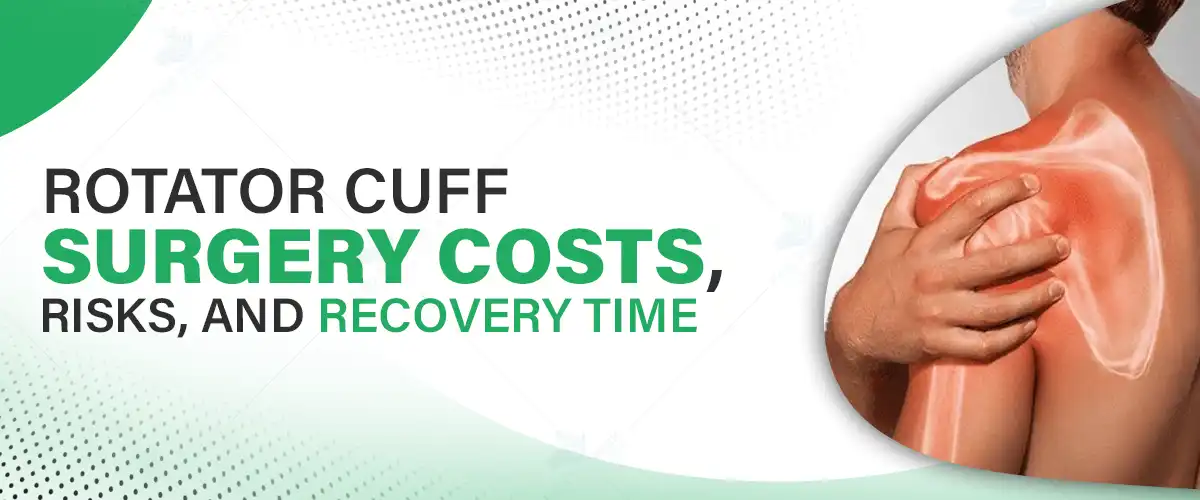
The rotator cuff consists of four tendons and muscles that stabilize the shoulder joint and enable smooth arm movements. Rotator cuff injuries are common and often caused by repetitive overhead motions, sports activities, aging, overuse, or trauma. They can result in pain, weakness, and limited shoulder mobility, significantly affecting daily activities.
For severe or persistent rotator cuff injuries that don’t respond to non-surgical treatments, surgery becomes essential to restore functionality and alleviate pain. If you’re seeking expert care, the best orthopedic hospital in Noida provides advanced treatment options tailored to your needs.
Don't let shoulder pain hold you back! Contact us at +91 9667064100 now for advanced rotator cuff surgery tailored to your needs.
Rotator cuff surgery involves repairing torn tendons in the shoulder to restore strength and mobility. Depending on the severity of the injury, the procedure can be performed using one of the following techniques:
Surgery is typically recommended when non-surgical treatments like physical therapy, medication, or injections fail to provide relief.
Average Costs
The cost of rotator cuff surgery varies widely based on geographic location and the healthcare facility. Globally, the cost can range from ₹1,00,000 to ₹2,50,000. Additional costs include:
Factors Influencing Costs
Several factors impact the overall cost of rotator cuff surgery:
Tips to Manage Costs
Common Risks
Less Common but Serious Risks
How to Minimize Risks
General Recovery Timeline
Factors Affecting Recovery Time
Tips for a Smooth Recovery
Physical Preparation
Mental Preparation
To determine if rotator cuff surgery is suitable for you, consider:
At Felix Hospitals, our expert orthopedic surgeons provide comprehensive care for rotator cuff injuries. Meet our specialists:
With their expertise and commitment to patient care, Felix Hospitals is your trusted destination for rotator cuff surgery.
Ready to regain your shoulder's strength and mobility? Book your consultation with our expert orthopedic surgeons at Felix Hospitals today!
Addressing rotator cuff injuries promptly is essential to restore shoulder mobility and reduce pain. Surgery, when performed by experienced specialists, offers significant benefits in improving quality of life. While the procedure is highly effective, it’s crucial to be aware of the potential complications of rotator cuff surgery, such as infection, stiffness, or re-tears, which can be minimized by choosing an experienced surgeon and following postoperative care instructions. If you’re experiencing shoulder pain or weakness, consult the experts at Felix Hospitals to explore your treatment options. Take the first step towards pain-free movement by scheduling a consultation today.

Knock knees, medically known as genu valgum, is a common condition in young children where the knees angle inward and touch one another when the legs are straightened.
Knock knees, medically known as genu valgum, is a common condition in young children where the knees angle inward and touch one another when the legs are straightened.

Recovering from cancer treatment requires a strong focus on rebuilding immunity and overall health. Treatments like chemotherapy, radiation, and surgery can weaken the immune system, increasing vulnerability to infections. A proper diet plays a key role in restoring immune function, combating fatigue, and addressing nutrient deficiencies. Let’s explore the best foods to include in your cancer recovery diet plan to boost immunity and promote healing. Access expert nutrition diet services for personalized care on your journey to wellness.
Are you recovering from cancer treatment and looking for tailored nutritional advice to boost your immunity? Contact us by calling +91 9667064100.
Cancer treatments, while effective in targeting cancer cells, can often impair the immune system. Chemotherapy and radiation, in particular, can reduce white blood cell counts, leaving the body vulnerable. Common challenges during recovery include weakened immunity, nutrient deficiencies, and fatigue. A well-planned diet rich in essential nutrients can help restore immune function, improve energy levels, and support overall health.
A balanced diet forms the cornerstone of recovery. Essential nutrients for immunity include:
Vitamins: Vitamin C, D, and E to enhance immune responses.
Minerals: Zinc and selenium for cell repair and growth.
Proteins: Vital for immune cell regeneration and tissue repair.
Antioxidants: Help reduce inflammation and combat oxidative stress.
Incorporating these into your meals ensures your body gets the resources it needs for optimal recovery.
a. Fruits and Vegetables
Citrus fruits: Oranges and lemons are rich in vitamin C, which strengthens immunity.
Leafy greens: Spinach and kale provide folate and antioxidants.
Colorful vegetables: Carrots, bell peppers, and tomatoes are packed with beta-carotene and phytonutrients.
b. Whole Grains
Foods like brown rice, quinoa, and oats provide sustained energy and fiber.
Whole grains support gut health, a critical component of immunity.
c. Lean Proteins
Sources like chicken, turkey, and eggs supply essential amino acids for immune repair.
Plant-based proteins, such as lentils and chickpeas, are excellent alternatives.
d. Healthy Fats
Fatty fish: Salmon and mackerel are rich in omega-3 fatty acids, which reduce inflammation.
Nuts and seeds: Walnuts and flaxseeds offer vitamin E and healthy fats.
e. Probiotic-Rich Foods
Yogurt and kefir: Promote gut health and strengthen the microbiome.
Fermented foods: Kimchi and sauerkraut enhance immune responses.
f. Immune-boosting Spices and Herbs
Garlic and ginger: Known for antimicrobial and anti-inflammatory properties.
Turmeric: Contains curcumin, a potent anti-inflammatory compound.
Certain foods can hinder recovery and weaken immunity. It’s essential to minimize:
Refined sugars and processed foods: They promote inflammation and reduce immunity.
Alcohol and trans fats: These can impair immune responses.
High-risk foods: Avoid raw fish, soft-cooked eggs, and unpasteurized dairy products to prevent foodborne illnesses, especially if your immune system is compromised.
Nearby oncology hospitals often emphasize avoiding highly refined and processed foods to aid recovery and enhance treatment outcomes. If you are undergoing chemotherapy, consider seeking treatment at a reputable cancer hospital for chemotherapy for expert care and guidance.
Cancer treatments can cause side effects that impact dietary habits, such as:
Constipation: Increase water intake and include fiber-rich foods like vegetables and beans.
Diarrhea: Opt for potassium-rich foods like bananas and natural fruit juices.
Loss of taste: Experiment with spices and marinades to enhance flavors.
Nausea: Ginger, peppermint, and citrus can help alleviate symptoms.
Staying hydrated is crucial for a cancer recovery diet. Proper hydration helps:
Repair cells.
Eliminate toxins.
Support overall immune function.
Suggestions include water, herbal teas, and nutrient-rich broths to keep the body hydrated and energized.
Planning meals can make it easier to maintain a nutritious diet:
Easy meal ideas: Include soups, salads, and protein-packed dishes with immune-boosting ingredients.
Batch cooking: Prepare meals in advance for convenience.
Snacks: Keep healthy options like nuts, fresh fruits, and smoothies readily available.
At Felix Hospitals, we are proud to have a team of expert dieticians and oncologists dedicated to providing top-notch care to our patients.
Dt. Pooja Yadav: With over 8 years of experience, Dt. Pooja specializes in personalized nutrition plans to enhance overall wellness.
Dt. Shivani Ahlawat: Specializing in weight management, diabetes, and heart health, Dt. Shivani ensures a holistic approach to nutrition.
Dr. Mukta Baxi: With years of experience in the field of oncology, Dr. Baxi offers specialized care for various cancers, providing comprehensive treatment and support.
Our team is here to provide you with compassionate care and support, whether you're seeking nutritional guidance or expert cancer treatment. Let us help you on your journey to better health.
Consult with Leading Oncologists at Felix Hospitals! Schedule a consultation today and take the next step toward healing.
Recovering from cancer treatment requires a holistic approach, with nutrition playing a vital role in boosting immunity and promoting overall health. Including immune-boosting foods such as fruits, vegetables, whole grains, lean proteins, and probiotic-rich options can significantly aid recovery. Avoiding processed foods and staying hydrated further supports the healing process. For a customized cancer recovery diet plan, consult the expert dieticians at Felix Hospitals to rebuild your immunity and embrace a healthier future.
1. How can I boost immunity after cancer treatment?
Ans: Eat a diet rich in vitamins (C, D, E), zinc, selenium, and proteins. Include citrus fruits, leafy greens, lean proteins, and probiotic-rich foods like yogurt.
2. Is dairy safe during recovery?
Ans: Yes, opt for pasteurized products like yogurt and kefir to support gut health. Avoid unpasteurized dairy to reduce infection risks.
3. What foods should I avoid?
Ans: Limit refined sugars, processed foods, alcohol, trans fats, raw fish, soft-cooked eggs, and unpasteurized dairy.
4. Why is hydration important?
Ans: Staying hydrated aids cell repair, toxin elimination, and overall immune function. Drink water, herbal teas, and broths.
5. Can cancer treatment affect my appetite?
Ans: Yes, treatments may cause loss of taste or nausea. Try small meals, spices, and marinades to enhance flavors and manage symptoms.
6. How to manage constipation or diarrhea?
Ans: For constipation, increase fiber and water intake. For diarrhea, focus on potassium-rich foods like bananas. Consult your doctor if symptoms persist.
7. How to plan meals during recovery?
Prep easy, nutrient-rich meals like soups and salads. Batch cooking and keeping healthy snacks like nuts and fruits can save time and ensure proper nutrition.

Balanced diet is key to good health. Learn its definition, importance, and how it helps in maintaining energy, immunity, and overall well-being.
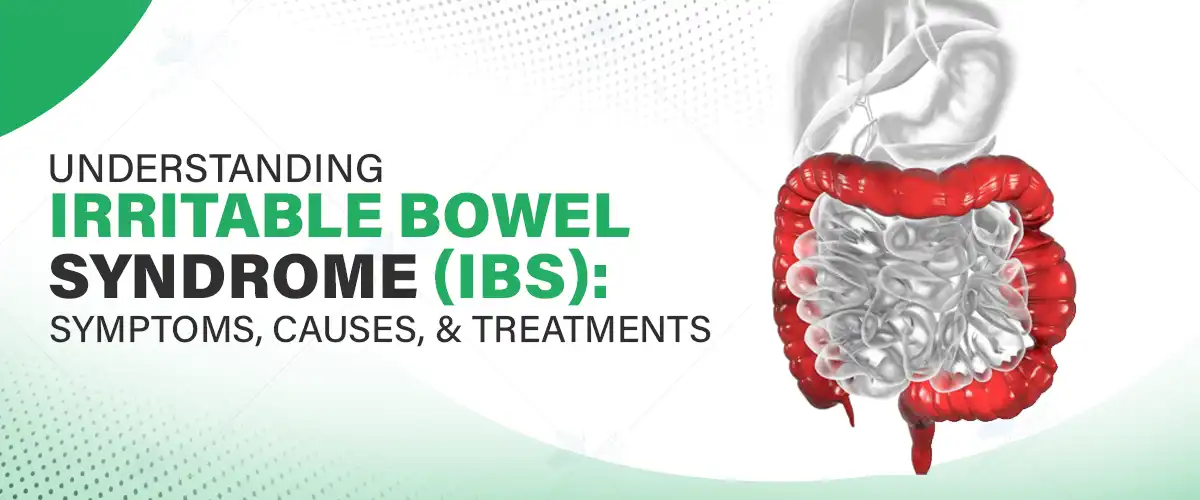
Irritable Bowel Syndrome (IBS) is one of the most common gastrointestinal disorders that affects millions of people worldwide. It is a chronic condition that impacts the digestive system, causing discomfort and disruption in daily life. The symptoms of IBS can range from mild to severe, leading to significant challenges in managing daily activities, work, and social interactions. In Noida, seeking treatment at the best gastroenterology hospital can help in proper diagnosis and tailored care to improve quality of life. Early diagnosis and appropriate management are key to minimizing its impact on overall well-being.
Get a thorough evaluation for IBS and start your journey to a healthier, more comfortable life. Contact us today by calling +91 9667064100 for expert treatment and management.
Irritable Bowel Syndrome (IBS) is a frequent stomach ailment by a group of symptoms that appear in the intestines. Although IBS is annoying and annoying, it is not responsible for chronic damage to the GI tract or for raising the risk for life-threatening illnesses such as colon cancer.
People with IBS may have pain, cramping, bloating, and a change in bowel movements, including diarrhea, constipation, or alternating between the two. While IBS is a chronic condition, it usually can be treated with diet, lifestyle changes, medications, and behavior therapies.
IBS is defined according to the nature of bowel movements during symptom flare times. Although IBS patients may have normal bowel movements on some days, the nature of abnormal stools classifies them into IBS types:
IBS with Constipation (IBS-C): Bowel movements are mostly hard, dry, and lumpy.
IBS with Diarrhea (IBS-D): Bowel movements are mostly loose, watery, and more frequent.
IBS with Mixed Bowel Habits (IBS-M): Hard and lumpy stools and watery and loose stools on alternating days.
It is essential to determine what type of IBS because treatment may differ based on the symptoms. Some medications and dietary strategies are ideal for IBS-C, while others are more suitable for IBS-D or IBS-M. Accurate diagnosis and individually designed management plans allow individuals to minimize discomfort, improve gastrointestinal function, and experience better well-being.
Symptoms of IBS may be unpredictable in intensity and frequency. Some people have continuous symptoms, while others have episodic flare-ups with symptom-free intervals and regular bowel movements.
Common signs and symptoms of IBS are:
Abdominal cramping or pain, typically with the need to have a bowel movement.
Passing gas and bloating.
Alteration in bowel habits, including diarrhea, constipation, or an alternating pattern between the two (IBS-M).
Visible presence of mucus in stool, which can be whitish in color.
The feeling of not fully emptying the bowel, even after defecation.
The etiology of IBS is not known, although scientists define it as a neuro gastrointestinal disorder—a disease of miscommunication between the gut and the brain. Such disorders, or gut-brain interaction disorders, are disabling the digestive system.
Dysmotility – Unnatural movement of the GI tract's muscles controls the movement of food via the intestines, and this might result in constipation, cramps, or diarrhea.
Visceral hypersensitivity – Pain hypersensitivity is sometimes developed in the GI tract among some patients suffering from IBS, which will cause normal functions of the gut to be unpleasant or painful.
Gut microbiome imbalance – Studies indicate IBS patients also have varying levels and types of gut bacteria compared to non-IBS patients, affecting digestion and symptoms.
Severe infection – In some instances, IBS is a consequence of severe GI infection, which suggests viruses or bacteria could be involved.
Food intolerance – Food allergy or intolerance to certain foods can bring on or aggravate IBS symptoms.
Childhood stress and trauma – Individuals who were subjected to extreme emotional, physical, or sexual abuse in their childhood are prone to developing IBS.
Though there are some foods that do not induce IBS, they can trigger the condition and cause flare-ups. Some of the frequent IBS triggers are:
Hormonal shifts – Most individuals get IBS flare-ups at the same time as their menstrual cycle.
Some foods – Even though triggers vary across individuals, some frequent suspects are:
Dairy products
Gluten foods (wheat, barley, rye)
Gas-forming foods (beans, cabbage, carbonated beverages)
Anxiety and stress – Psychological stress may worsen symptoms, and the condition is often referred to as a "nervous stomach" or "anxious stomach."
IBS can happen at any age but is most frequently diagnosed in the late teens to early 40s. Women are twice as likely to be diagnosed with IBS as men.
Food intolerance or sensitivity.
Past history of severe gastrointestinal infections.
History of abuse (physical, emotional, or sexual).
Mental illness, such as depression, anxiety, or post-traumatic stress disorder (PTSD).
In addition, IBS is also often related to other chronic pain syndromes, which include:
Fibromyalgia
Chronic fatigue syndrome (CFS)
Chronic pelvic pain syndrome
By knowing the signs, symptoms, and causes of IBS, individuals can start proper management in the form of diet changes, stress-reduction strategies, and medication based on their categories of IBS.
Your medical history is the beginning of the diagnosis of Irritable Bowel Syndrome (IBS). Your doctor will question you about your symptoms as follows:
Is pain related to bowel movements?
Do you experience any change in the number of bowel movements?
Did your stool change its color?
How frequent are the symptoms?
When did you first start having symptoms?
Which medicines are you currently taking?
Did you have any recent illness or stress event?
Because no one test is employed to diagnose IBS, the diagnosis is established by symptom questionnaire and elimination of other illness with tests like:
Blood tests: Outline disease of the digestive tract or underlying illness.
Stool tests: Identify infection or inflammation of the bowel.
Hydrogen breath test: Diagnoses bacterial overgrowth (SIBO) or food intolerance.
To eliminate inflammatory disorders or abnormal tumors in the gastrointestinal (GI) tract, your doctor may need:
Colonoscopy: Screens the colon for cancer, inflammatory bowel disease (IBD), and polyps.
Flexible sigmoidoscopy: Screens the lining of the rectum and lower colon.
Upper endoscopy: Screens for conditions such as celiac disease by looking at the stomach, esophagus, and upper small intestine.
There is no single treatment for IBS, but most patients find relief in diet, lifestyle, medication, and behavior modification. Treatment is also time-consuming and may not eliminate symptoms entirely.
It is possible to create a personalized meal plan with the assistance of a registered dietitian. Typical dietary suggestions are:
Increase fiber: A high-fiber diet can help relieve constipation. Introduce fiber gradually in small amounts over time to prevent gas and bloating.
Take fiber supplements: If fiber is low, products like Metamucil® or Citrucel® may be helpful.
Limit dairy foods: Lactose intolerance is common in IBS patients. Use non-dairy sources of calcium such as broccoli, spinach, and salmon.
Avoid gas-producing foods: Beans, brussels sprouts, cabbage, carbonated beverages, and chewing gum may cause bloating and discomfort.
Decrease gluten intake: Even without celiac disease, some patients with IBS improve on a gluten-free diet. Work with a healthcare professional to ensure proper nutrition.
Adhere to a low FODMAP diet: This diet minimizes hard-to-digest carbs, easing GI distress while continuing to supply adequate nutrients.
Maintain hydration: Drink at least 2 liters (eight servings of 8 ounces) of water per day to help regulate the bowel.
Food diary: Monitoring meals enables the identification of foods that exacerbate IBS.
Habits of everyday life can also greatly affect symptoms of IBS. Helpful modifications are:
Regular exercise: Exercise for a minimum of 150 minutes of moderate activity each week, like walking, swimming, or cycling.
Relaxation techniques: Utilize meditation, yoga, and breathing exercises to relax the nervous system and minimize digestive discomfort.
Rest well: Rest 7-9 hours every night. Create a standard sleeping schedule and visit a doctor if insomnia doesn't improve.
Keep an activity journal: Recording daily activity may be helpful to recognize useful habits and inform your provider of successful approaches.
Since IBS is highly linked with depression, anxiety, and stress, psychological treatment is beneficial. Options are:
Cognitive Behavioral Therapy (CBT): Helps cope with stress and bad thinking patterns affecting gut function.
Hypnotherapy: Uses guided relaxation techniques to reduce abdominal pain and discomfort.
Biofeedback: Trains to master control of bodily reactions to stress.
Medical physicians can prescribe medication based on your symptoms of IBS:
Antidepressants: Selective serotonin reuptake inhibitors (SSRIs) and tricyclic antidepressants (TCAs) minimize belly pain along with underlying emotional/psychiatric symptoms.
Therapies in constipation: Fiber and laxatives assist in pushing along a bowel movement regularly.
Anti-diarrheal medications: Firm up and prevent sudden urge.
Antispasmodics: Minimizes intestinal cramping and tenderness.
Probiotics: Subject to ongoing studies, but promisingly the bacteria may replenish gut bacteria in balance to cure the stomach IBS.
By embracing the right combination of diet modification, lifestyle alteration, therapy, and medication, the majority can effectively manage IBS and enhance their overall well-being.
Because we're not sure what causes IBS, it can't be avoided or prevented. If you do have IBS, though, you can decrease how frequently the symptoms strike by discovering what your own trigger foods are and limiting their use.
Does IBS raise the risk for more dangerous gastrointestinal issues?
No, IBS does not put you at increased risk of developing more severe illnesses such as colitis, Crohn's disease, or colon cancer.
IBS is hard to cope with since the symptoms of the condition are not consistent. Treatment of the condition also involves trial and error. Luckily, the majority of people with IBS manage to identify a good treatment in the long term.
In the majority of instances, a diet and activity level adjustment will suffice. Although it might take some time to figure out what your triggers are and how you can stay away from them, numerous individuals have stated that within a few weeks or months, they notice a significant decrease in their symptoms. Although IBS symptoms will never be completely eradicated, using the proper method you'll find that you feel a tremendous difference in your well-being.
We are delighted to introduce you to our top panel of gastroenterologists in Noida who work tirelessly for the diagnosis and treatment of Irritable Bowel Syndrome (IBS). They consist of:
Dr. Jagatjot Singh Gill – Dr. Gill has more than 11 years of experience as a highly qualified gastroenterologist with expertise in complicated gastrointestinal disorders, such as IBS. His extensive experience provides holistic care to all patients.
Dr. Amrit Yog Datley – Dr. Datley is a seasoned gastroenterologist dedicated to offering holistic care to IBS patients. His passion for successful treatment leads to patients being able to manage their condition effectively.
The two doctors integrate superior diagnosis equipment with bespoke treatment protocols to provide each patient with an individually customized experience. Equipped with their intimate expertise in gastroenterology, the doctors offer the best to the patients. By means of Felix Hospitals, we enable our patients to conquer IBS better and live with increased quality.
Don't let IBS dominate your life. Book an appointment with the top gastroenterologists in Noida at Felix Hospitals for proper diagnosis and customized treatment.
Irritable Bowel Syndrome (IBS) is controllable, and individuals can enjoy a relatively normal life with proper treatment and care. Lifestyle change, medication, stress management, and early detection are the most important factors in symptom management. Do not delay seeking medical opinion for appropriate diagnosis and expert care. With the right treatment approach, IBS can be satisfactorily managed, and you can live free from anxiety for your symptoms.
Q- How do I distinguish between IBS and other intestinal illnesses?
Ans- IBS is a functional illness that does not result in inflammation or long-term damage, such as inflammatory bowel diseases (IBD). Symptoms of IBS, including abdominal discomfort, bloating, and altered bowel habits (diarrhea or constipation), are variable. Medical diagnosis by a gastroenterologist can distinguish IBS from other illnesses.
Q- What are the most common foods that trigger symptoms of IBS?
Ans- Frequent IBS precipitants are dairy products, caffeine, spicy food, fatty food, and FODMAP-containing foods (some fruits, vegetables, and grains). Keeping a food diary and seeing a dietitian might be helpful for symptom management.
Q- Is IBS hereditary?
Ans- IBS may be familial, meaning there is a genetic basis. But there is also an environmental contribution of diet, stress, and alterations in gut microbiota. If IBS is familial in your case, watch for symptoms.
Q- How effective are probiotics in treating IBS?
Ans- Probiotics can return a healthy balance of gut bacteria, which would be beneficial for some people with IBS. But their impact varies from person to person. Consulting a gastroenterologist can identify the best probiotic treatment for your unique symptoms.
Q- Can IBS symptoms be treated without medication?
Ans- Yes, dietary modification and lifestyle modification, stress reduction, and psychotherapies such as cognitive-behavioral therapy (CBT) can also treat IBS symptoms. In other instances, relief may necessitate medication like antispasmodics or laxatives.
Q- Does IBS worsen with time?
Ans- IBS is a chronic illness, and the symptoms can be variable in severity. With management, some improve, and others have increasingly worsening symptoms with stress, diet, or hormonal changes. Early diagnosis and treatment manage IBS well.
Q- When should I get a doctor's appointment for IBS symptoms?
Ans- Seek a gastroenterologist if you have severe symptoms that include ongoing belly pain, unintended weight loss, hematochezia, or if your symptoms directly affect your lifestyle. Early diagnosis and evaluation are crucial.
Gastric problems occur when excess acid or digestive disturbances affect the stomach lining, causing symptoms like bloating, acidity, and pain. Timely diagnosis ensures effective treatment.
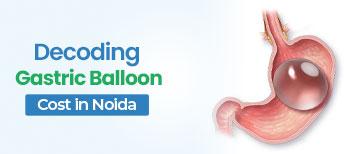
Understand the factors that influence gastric balloon surgery cost in Noida, including hospital facilities, doctor expertise, and post-procedure care.
Irritable Bowel Syndrome (IBS) is a common digestive disorder that affects many individuals, causing discomfort and impacting daily life. Managing IBS involves understanding the condition, making lifestyle changes, and exploring treatment options.
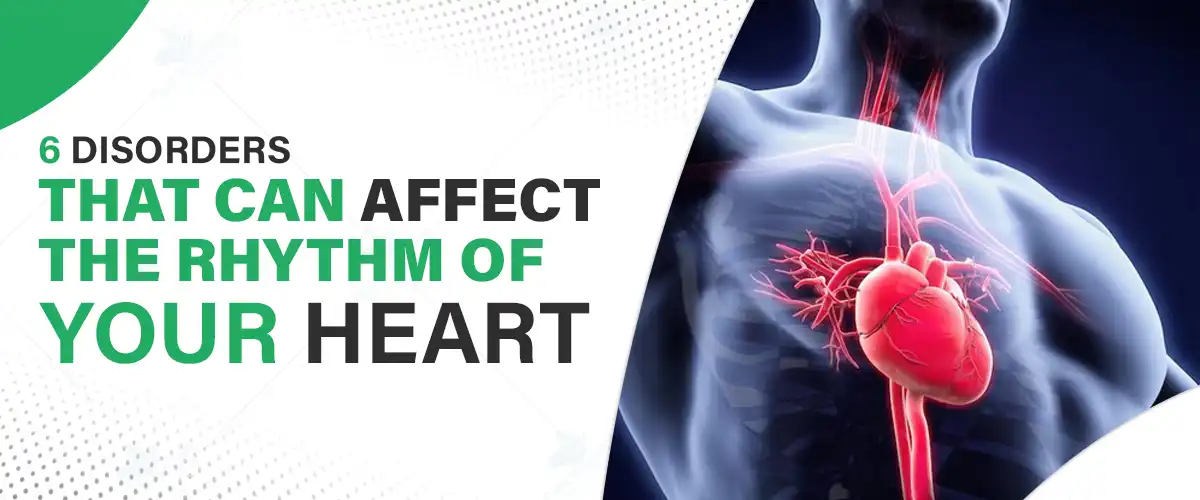
The human heart beats in a rhythmic and synchronized manner to ensure proper circulation of oxygenated blood throughout the body. Any disruption in this rhythm can lead to severe health issues, affecting overall well-being. Heart rhythm disorders, known as arrhythmias, can cause the heart to beat too fast, too slow, or irregularly. Seeking timely medical intervention at the Best Arrhythmia Treatment Hospital in Noida can prevent severe complications and improve heart health.
Book an appointment with the best cardiologists in Noida at Felix Hospital for an accurate diagnosis and effective treatment. Call now at +91 9667064100.
Arrhythmia refers to an abnormal heartbeat that deviates from the normal rhythm. It occurs due to electrical signal disturbances in the heart, affecting its ability to pump blood efficiently. There are various Types of Heart Arrhythmia, each with distinct causes and symptoms.
Heart arrhythmias can lead to severe complications such as stroke, heart failure, and sudden cardiac arrest if left untreated. The symptoms may range from mild palpitations to life-threatening conditions, necessitating prompt medical attention.
Atrial fibrillation (AFib) is the most common type of heart arrhythmia, characterized by a rapid and irregular heartbeat. It occurs when the atria (the upper chambers of the heart) experience chaotic electrical signals, causing them to quiver instead of contracting effectively. AFib can increase the risk of stroke and heart failure if left untreated.
Causes of Atrial Fibrillation:
Symptoms of Atrial Fibrillation:
Treatment Options for Atrial Fibrillation:
Ventricular tachycardia (VT) is a potentially life-threatening arrhythmia characterized by a fast and abnormal heart rhythm originating from the ventricles. This condition can impair the heart's ability to pump blood effectively, leading to sudden cardiac arrest if not managed promptly.
Causes of Ventricular Tachycardia:
Symptoms of Ventricular Tachycardia:
Treatment for Ventricular Tachycardia:
Bradycardia is an abnormally slow heart rate (fewer than 60 beats per minute). While a slow heartbeat can be normal in athletes, in some cases, it can reduce the supply of oxygenated blood to vital organs, leading to severe complications.
Causes of Bradycardia:
Symptoms of Bradycardia:
Treatment for Bradycardia:
Supraventricular tachycardia (SVT) is a rapid heart rate originating above the ventricles. It is often triggered by external factors or congenital abnormalities and can lead to sudden episodes of fast heartbeats.
Common Triggers of SVT:
Symptoms of Supraventricular Tachycardia:
Treatment for SVT:
Long QT syndrome (LQTS) is a condition that affects the heart’s electrical system, leading to prolonged QT intervals on an ECG. This can increase the risk of severe arrhythmias and sudden cardiac arrest.
Causes of LQTS:
Electrolyte imbalances (low potassium or magnesium)
Symptoms of Long QT Syndrome:
Treatment for LQTS:
Premature ventricular contractions (PVCs) are extra heartbeats that disrupt the normal rhythm. They are usually benign but can be concerning if they occur frequently.
Causes of PVCs:
Symptoms of PVCs:
When to Seek Medical Attention:
If you are experiencing symptoms of arrhythmia, consult the Best Heart Arrhythmia Doctors in Noida at Felix Hospital. The team includes:
These experienced cardiologists specialize in diagnosing and treating various Types of Heart Arrhythmia with cutting-edge technology and personalized care.
Worried About Irregular Heartbeats? Schedule your consultation today and ensure a healthier heart!
Early detection and timely treatment of heart rhythm disorders are essential in preventing severe complications. If you experience irregular heartbeats or any related symptoms, consult a specialist immediately. The Heart Arrhythmia Treatments Cost in Noida varies depending on the type of arrhythmia, diagnostic tests, and treatment approach.
Q- Can stress and anxiety directly cause arrhythmias like AFib or SVT?
Ans- Yes, high levels of stress and anxiety can trigger certain arrhythmias, such as atrial fibrillation (AFib) and supraventricular tachycardia (SVT). Stress hormones increase heart rate and may contribute to irregular rhythms. Managing stress through lifestyle changes can help reduce episodes.
Q- How do I know if my palpitations are harmless or a sign of a serious arrhythmia?
Ans- Occasional palpitations due to caffeine, stress, or dehydration are usually harmless. However, if you experience frequent palpitations, dizziness, fainting, or chest pain, it could indicate a serious arrhythmia and requires immediate medical evaluation.
Q- What is the difference between an ICD and a pacemaker for treating arrhythmias?
Ans- A pacemaker is used to regulate a slow heartbeat (bradycardia), ensuring the heart maintains a steady rhythm. An implantable cardioverter defibrillator (ICD) is designed to detect and correct life-threatening fast arrhythmias, like ventricular tachycardia or fibrillation, by delivering electric shocks.
Q- Are PVCs dangerous if I don’t have underlying heart disease?
Ans- In most cases, premature ventricular contractions (PVCs) are benign, especially if you have a healthy heart. However, frequent PVCs (more than 10,000 per day) can lead to complications like cardiomyopathy, so a cardiology evaluation is recommended.
Q- Can I completely cure an arrhythmia with treatment?
Ans- Some arrhythmias, like AFib or SVT, can be permanently treated with catheter ablation, while others, such as genetic arrhythmias (LQTS) or heart block, may require lifelong management with medication or devices like pacemakers. The success of treatment depends on the type and cause of the arrhythmia.
Q- How does thyroid disease contribute to heart arrhythmias?
Ans- Both hyperthyroidism (overactive thyroid) and hypothyroidism (underactive thyroid) can disrupt the heart's electrical signals. Hyperthyroidism may cause AFib, while hypothyroidism can lead to bradycardia. Managing thyroid function is crucial for maintaining normal heart rhythm.
A stent procedure can be life-saving for those with blocked arteries. This guide walks you through the stent experience—from the angioplasty process to post-procedure recovery and lifestyle changes.
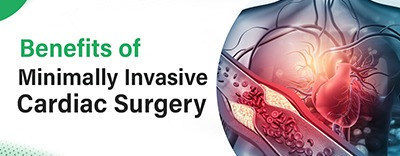
Experience faster recovery and less pain with minimally invasive cardiac surgery—an advanced, safer alternative to traditional heart procedures.

The human brain is the command center of our body, controlling everything from basic functions to complex thinking processes. Maintaining brain health is essential for optimal focus, memory, and cognitive function, which directly impact our daily lives. While physical activity and mental exercises play a role, a balanced nutrition diet service can significantly enhance mental clarity and brain performance.
Scientific studies have shown that the food we consume directly influences our brain’s structure and function. Healthy brain foods provide essential nutrients that support cognitive health and protect against neurodegenerative diseases. Incorporating foods to improve memory into your diet can help sharpen focus and enhance overall mental agility.
Consult with our expert dieticians by calling +91 9667064100 to create a nutrition plan that enhances your focus, memory, and cognitive function.
Certain nutrients play a pivotal role in maintaining brain health and boosting cognitive function. Antioxidants protect brain cells from oxidative stress, omega-3 fatty acids enhance cell signaling, and vitamins aid neurotransmitter production. These brain-boosting nutrients improve blood flow, reduce inflammation, and ensure optimal functioning of neural pathways.
For instance, antioxidants found in berries protect against free radicals that can damage brain cells, while omega-3s from fatty fish enhance memory and focus. A well-balanced diet rich in these nutrients can significantly reduce cognitive decline and improve mental clarity.
a. Leafy Greens
b. Berries
c. Fatty Fish
d. Nuts and Seeds
e. Whole Grains
f. Eggs
g. Dark Chocolate
h. Avocado
i. Beans and Legumes
While incorporating brain-boosting foods is essential, it’s equally important to limit certain items:
Extensive research underscores the importance of healthy brain foods. Studies reveal that diets rich in omega-3 fatty acids, antioxidants, and vitamins significantly reduce the risk of cognitive decline. Additionally, long-term adherence to a diet rich in brain-boosting nutrients has been shown to enhance memory and focus, even in aging populations.
Felix Hospital is home to expert dieticians dedicated to enhancing your cognitive health through personalized nutrition plans.
Their guidance can help you achieve optimal mental clarity and overall health.
Are you ready to optimize your brain health? Boost Your Mental Clarity with a Custom Diet Plan by Booking your consultation with Dieticians at Felix Hospitals.
A well-balanced diet, rich in foods to improve memory and packed with brain-boosting nutrients, is crucial for maintaining focus, memory, and cognitive health. By making small yet consistent dietary changes, you can enjoy enhanced mental clarity and protect your brain from age-related decline. Prioritize healthy brain foods today to ensure a sharper and healthier mind tomorrow.
1. How quickly can I expect to see improvements in my cognitive function with dietary changes?
Ans: While individual results may vary, noticeable improvements in focus and memory can typically be seen within a few weeks of incorporating brain-boosting foods into your diet. Consistency is key to long-term benefits.
2. Can I boost my cognitive function with just a few specific foods, or do I need to make broader dietary changes?
Ans: While certain foods are particularly beneficial for cognitive health, it’s best to adopt a balanced, brain-friendly diet that includes a variety of nutrients. A holistic approach will yield the best results.
3. Are there any supplements that can enhance cognitive function in addition to a healthy diet?
Ans: Supplements such as omega-3 fatty acids (from fish oil) and vitamins like B12 and D may support brain health, but they should complement a well-rounded diet. It's advisable to consult with a healthcare provider before adding supplements.
4. Can stress affect my cognitive function and food choices?
Ans: Yes, chronic stress can impair memory, focus, and overall brain function. It may also lead to poor food choices. A diet rich in antioxidants and omega-3 fatty acids can help reduce stress-induced cognitive decline.
5. What foods should I avoid to protect my cognitive health?
Ans: Avoid excessive refined sugar, processed foods, and trans fats, as they can contribute to memory problems, cognitive decline, and inflammation. Focus on whole foods instead to support brain health.
6. How can I incorporate more brain-boosting foods into my busy schedule?
Ans: Simple options like adding spinach to smoothies, swapping regular snacks for nuts and seeds, and choosing quick meals with fatty fish or whole grains can easily fit into a hectic lifestyle without compromising brain health.
7. Can a brain-boosting diet help prevent neurodegenerative diseases like Alzheimer’s?
Ans: While no diet guarantees the prevention of conditions like Alzheimer’s, a nutrient-rich diet that includes omega-3 fatty acids, antioxidants, and vitamins has been shown to reduce the risk of neurodegenerative diseases and improve cognitive longevity.
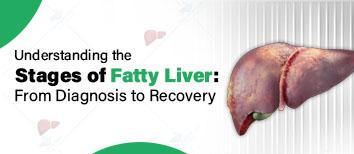
Understand how fatty liver develops, its key stages, and the steps needed for recovery. Early diagnosis and expert treatment can help reverse damage and restore liver function.


Subscribe to our
© Copyright 2026. All Rights Reserved by Felix Healthcare Private Limited
Design and development by :


 +(91)9667064100
 Emergency : +(91)9667064100