 WhatsApp
 Emergency:
  WhatsApp




Subscribe to our
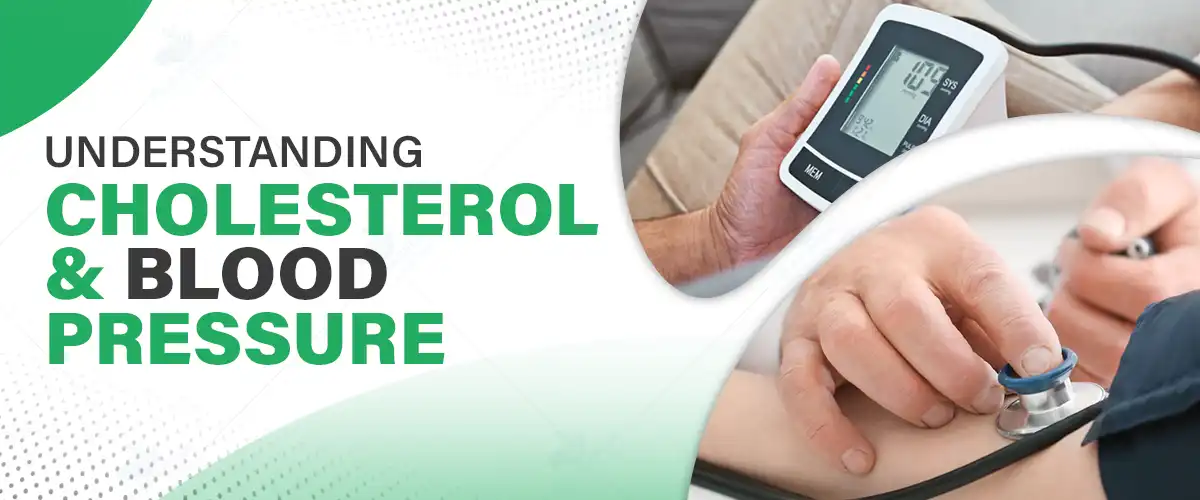
Cholesterol and blood pressure are two of the most crucial health indicators that play a significant role in maintaining heart health and overall well-being. While cholesterol is essential for various bodily functions, an imbalance can lead to cardiovascular issues. Similarly, maintaining a healthy blood pressure level is key to preventing life-threatening conditions such as heart attacks and strokes.
Many people have misconceptions about cholesterol and blood pressure, often believing that only older individuals or those with obesity are at risk. However, these conditions can affect anyone. Seeking guidance from experts at the best cardiology hospital in Noida can help ensure proper management and preventive care.
Schedule your cholesterol and blood pressure check-up at Felix Hospital for early detection and prevention. Contact us today at +91 9667064100.
Cholesterol is a waxy substance in your blood that your body needs to make healthy cells. But too much cholesterol can develop into heart disease.
If cholesterol is high in your blood, it builds up and causes deposits in your blood vessels. They become large over time, narrow down your arteries, and harden into the artery. Occasionally, quick rupture of deposits can cause an area to balloon into a clot that clogs a heart or stroke.
Although high cholesterol tends to run in families, it is usually due to poor diet and lifestyle habits, so it can be treated and prevented. A good diet, exercise regularly, and sometimes medication can reduce high cholesterol.
Hypertension, or high blood pressure, is a widespread condition that impacts the arteries of the body. It is when blood pressure exerted against the walls of the arteries is consistently too great, compelling the heart to pump harder to circulate the blood.
Blood pressure is indicated in millimeters of mercury (mm Hg), and hypertension is typically considered 130/80 mm Hg and above.
| Category | Cholesterol | Blood pressure |
| Symptoms | - Often no symptoms until complications occur (e.g., heart disease) | - Headaches, dizziness, shortness of breath, nosebleeds (in severe cases) |
| Causes | - Poor diet (high in saturated/trans fats) - Lack of physical activity - Genetics - Age and gender (increased with age) | - Excessive salt intake - Lack of physical activity - Smoking - Excess alcohol consumption - Obesity - Stress - Genetics |
| Risk factors | - High-fat diet - Obesity - Diabetes - Smoking - Family history - High blood pressure - Age (increases with age) | - Obesity - Sedentary lifestyle - Family history - Stress - Smoking - Excessive alcohol intake - High salt diet |
| Complications | - Atherosclerosis (narrowing of arteries) - Heart attack - Stroke - Peripheral artery disease | - Heart disease - Stroke - Kidney damage - Vision loss - Aneurysm - Cognitive decline |
| Treatment | - Statins (to lower LDL cholesterol) - Healthy eating and lifestyle changes - Medications to manage high cholesterol | - Antihypertensive medications (e.g., ACE inhibitors, beta-blockers) - Lifestyle changes (diet, exercise) - Monitoring blood pressure regularly |
| Prevention | - Eat a healthy diet (low in saturated and trans fats) - Exercise regularly - Maintain a healthy weight - Limit alcohol and smoking | - Eat a balanced diet (low salt, high in fruits and vegetables) - Regular exercise - Avoid excessive alcohol - Manage stress - Maintain a healthy weight |
High cholesterol will never manifest with symptoms. The only indication that you may have high cholesterol is through the process of taking a blood test.
High blood pressure usually doesn't have symptoms at all, even when it's at a dangerous level. Individuals may be suffering from high blood pressure for years and have no idea about it.
Headaches
Shortness of breath
Nosebleeds
These are not characteristic of high blood pressure and only typically appear when it is harmful or lethal.
Cholesterol is carried in the blood on proteins, in a package called lipoproteins. Various forms of cholesterol are distinguished by what the lipoproteins carry:
Low-Density Lipoprotein (LDL): Commonly known as "bad" cholesterol, LDL transports cholesterol particles around the body. It may have the potential to build up in the walls of arteries, making them narrow and hardened.
High-Density Lipoprotein (HDL): "Good" cholesterol, HDL transports excess cholesterol from the blood back to the liver to be broken down.
A lipid profile also measures triglycerides, another form of fat that circulates in the blood. elevated levels of triglycerides are also a potential cause of increased heart disease risk.
Certain modifiable risk factors like lack of exercise, obesity, and poor diet could cause abnormal cholesterol and triglyceride levels. There could be a genetic element in certain individuals who are less capable of clearing LDL cholesterol from the blood or metabolizing it in the liver.
Certain health conditions could negatively affect cholesterol levels:
Chronic kidney disease
Diabetes
HIV/AIDS
Hypothyroidism
Lupus
Also, some medicines for other diseases can make cholesterol worse, like:
Acne medicines
Medicines for cancer
Blood pressure medicines
HIV/AIDS medicines
Medicines for abnormal heart rhythm
Immunosuppressive medicines after an organ transplant
Blood pressure is discovered to be based on two primary factors: the quantity of blood being pumped by the heart and the resistance of the blood as it moves through the arteries. The greater the amount of blood and the smaller the arteries, the greater the blood pressure.
Primary Hypertension (Essential Hypertension): The majority of individuals do not have a recognized cause for their elevated blood pressure. This form, known as primary or essential hypertension, typically develops over many years. Atherosclerosis, or hardening of the arteries from plaque accumulation, raises the likelihood of developing high blood pressure.
Secondary Hypertension: It is triggered by a resultant medical illness. It often develops abruptly and is more prone to increasing blood pressure than primary hypertension.
Adrenal gland tumors
Congenital heart defects (blood vessel abnormality at birth)
Certain medications such as cough and cold medications, pain drugs, birth control pills, and other prescription medication
Illicit drugs such as cocaine and amphetamines
Kidney disease
Obstructive sleep apnea
Thyroid disorders
In other instances, blood pressure will increase temporarily in a doctor's office because of stress. This is called "white coat hypertension.
There are certain factors which increase the chances of abnormal levels of cholesterol, and they are as follows:
Unhealthy Diet: Excess of saturated or trans fat increases the unhealthy cholesterol. Saturated fat is present in fatty flesh meat and milk products with whole fat, while trans fat normally is present in prepared foods and desserts.
Obesity: When a person's BMI is more than 30, it raises the risk for high cholesterol.
Insufficient Exercise: Exercise maintains higher levels of HDL ("good") cholesterol, so a sedentary lifestyle may help cause high cholesterol.
Smoking: Smoking lowers HDL cholesterol, which cleanses LDL cholesterol from the blood.
Excessive Drinking: Drinking too much alcohol raises total levels of cholesterol.
Age: High cholesterol can happen at any age but is more prevalent in people 40 years and above. As one grows older, one's liver becomes less efficient in eliminating the LDL cholesterol from one's circulation.
Numerous factors have the potential to lead to having high blood pressure, such as:
Age: The risk for high blood pressure grows with age. High blood pressure is more common in men until about age 64, when it's more likely to occur in women.
Race: High blood pressure is higher in Black people, and it develops earlier in life than in white people.
Family History: A past family history of high blood pressure puts a person at risk of having it.
Obesity or Being Overweight: Extra weight results in changes in the kidneys, blood vessels, and other bodily structures that increase the risk of high blood pressure. Being overweight or obesity also increases the risk of heart disease and the risk factors for heart disease, including high cholesterol.
Inadequate Exercise: Weight gain, which increases blood pressure, is caused by lack of exercise. The heart rate in unactive persons is higher, and this works to increase blood pressure.
Tobacco Use or Vaping: Smoking, tobacco chewing, or vaping causes a sudden transient rise in blood pressure. Continuous smoking of tobacco weakens the blood vessels and hastens arterial stiffening. Smoking has to be stopped for cardiovascular health.
Too Much Salt: Excessive intake of sodium causes the body to retain water, thus increasing blood pressure.
Low Potassium: Potassium counteracts the effect of sodium in the body. Low blood potassium levels, commonly caused by nutritional insufficiency or specific medical conditions (such as dehydration), lead to high blood pressure.
Too Much Alcohol: Excessive consumption of alcohol, especially among men, is associated with high blood pressure.
Stress: Too much stress can lead to temporary increases in blood pressure. Stressful behaviors like excessive eating, smoking, or drinking alcohol may heighten this effect.
Chronic Conditions: A number of chronic diseases such as kidney disease, diabetes, and sleep apnea may lead to the development of high blood pressure.
Pregnancy: There are pregnant women with high blood pressure, which is one of the causes of complications.
Although blood pressure is most prevalent in adults, it does occur in children. Hypertension in children is usually secondary to kidney or heart disease but increasingly secondary to lifestyle, including a sedentary lifestyle and an unhealthy diet.
High cholesterol may cause fatty deposits (plaques) to build up in the arteries, known as atherosclerosis. It may limit the blood flow and result in serious complications such as:
Chest Pain (Angina): With deposition of cholesterol within the coronary arteries, it will decrease oxygen to the heart and result in chest pain and coronary artery disease symptoms.
Heart Attack: When an open plaque is developed, a blood clot can be developed at the location, which can hinder blood from being supplied to the heart and result in a heart attack.
Stroke: A stroke happens when a blood clot stops blood from reaching the brain, as a heart attack stops blood from reaching the heart.
Untreated high blood pressure can burden the walls of arteries, causing damage to blood vessels and organs. The longer the condition is left untreated, the higher the risk of developing complications, which include:
Heart Attack or Stroke: Artery hardening and stiffening due to high blood pressure raise the risk of heart attacks, strokes, and their complications.
Aneurysm: Repeatedly elevated blood pressure weakens blood vessel walls, causing them to bulge (aneurysm). The rupture of an aneurysm is life-threatening.
Heart Failure: The heart must work harder to pump with increased pressure. The heart muscle becomes thicker (left ventricular hypertrophy) over time and is less effective, resulting in heart failure.
Kidney Damage: Hypertension can narrow or weaken kidney blood vessels and, therefore, compromise the functioning of kidneys and render them vulnerable to failure.
Eye Problems: Hypertension can damage eye blood vessels, leading to loss of vision or blindness.
Metabolic Syndrome: It comprises the clustering of such conditions as elevated waist circumference, elevated triglycerides, reduced HDL cholesterol, hypertension, and hyperglycemia. It highly increases the risk for stroke, cardiovascular disease, and diabetes.
Cognitive Problems and Dementia: Uncontrolled high blood pressure may affect memory, concentration, and ability to learn. Blocked or narrowed arteries in the brain may cause vascular dementia, which happens when blood supply to the brain is obstructed, at times because of strokes.
Developing heart-healthy lifestyle habits prevents high cholesterol and keeps cholesterol at its best. The most important preventive factors are:
Eat a Healthy Diet: Have a low-sodium diet with plenty of fruits, vegetables, and whole grains with an emphasis on reducing animal fats. Include healthy fats in nuts, seeds, and olive oil in moderation.
Maintain a Healthy Weight: Reducing excess weight and having a healthy body mass index (BMI) can control cholesterol levels.
Quit Smoking: Don't smoke, which decreases HDL ("good") cholesterol and harms arteries.
Get Regular Exercise: Take at least 30 minutes of exercise on most weekdays to improve HDL cholesterol and overall cardiovascular health.
Limit Alcohol Drinking: If you drink alcohol, limit it to avoid damaging cholesterol and heart health.
Control Stress: Use stress-reducing methods like meditation, yoga, or deep breathing to maintain heart health.
Lifestyle modifications can reduce the risk of high blood pressure significantly. Preventive measures are:
Follow a Balanced Diet: Eat foods that contain lots of fruits, vegetables, and whole grains and minimize the consumption of salt in a quest to keep good blood pressure.
Do Regular Exercise: Do at least 150 minutes or more of moderate physical exercise per week, such as swimming, cycling, or walking quickly.
Do Not Take Excessive Alcohol: Limiting the consumption of alcohol prevents high levels of blood pressure.
Handle Stress: Engage in relaxation activities and exercises in an attempt to keep stress away.
Be Within a Healthy Weight Range: Being at a healthy weight reduces the stress on the heart and blood vessels, thus reducing high blood pressure.
Treatment of high cholesterol is initially done by lifestyle modification, such as diet and exercise. But in case lifestyle modification is not enough to reduce cholesterol, physicians may prescribe medication depending on the individual's health condition.
Statins – Inhibit the production of cholesterol in the liver and remove cholesterol from the blood.
Common statins: Atorvastatin (Lipitor), Fluvastatin (Lescol), Lovastatin (Altoprev), Pitavastatin (Livalo), Pravastatin (Pravachol), Rosuvastatin (Crestor), Simvastatin (Zocor)
Cholesterol Absorption Inhibitors – Inhibits cholesterol absorption by the small intestine.
Zetia can be administered with or without statins for augmented response.
Bempedoic Acid – Operates identically to statins but with a lowered risk of muscle pain induction.
Nexletol (bempedoic acid) or Nexlizet (combination of bempedoic acid and ezetimibe)
Bile Acid Sequestrants – Reduce cholesterol by binding to bile acids, which causes the liver to utilize cholesterol for bile acid synthesis.
Cholestyramine (Prevalite), Colesevelam (Welchol), Colestipol (Colestid)
PCSK9 Inhibitors – Cause the liver to take up more LDL cholesterol, reducing blood cholesterol.
Alirocumab (Praluent), Evolocumab (Repatha) (used in very severe cases or intolerance to statins)
Fibrates – Reduce very low-density lipoprotein (VLDL) cholesterol and triglycerides.
Niacin – Reduces the formation of LDL and VLDL cholesterol but is dangerous, i.e., liver damage and strokes.
Omega-3 Fatty Acid Supplements – Reduce triglycerides (prescription or over-the-counter).
Diet and exercise are the initial treatment in children 2 years of age and older with high cholesterol. Severe cholesterol abnormalities in children older than 10 years are treated with statins.
The first treatment for high blood pressure is lifestyle change. If lifestyle change is not sufficient, physicians will prescribe medication.
Lifestyle Changes to Reduce Blood Pressure
Follow a low-sodium, heart-healthy diet with fruits and vegetables.
Exercise daily (at least 30 minutes most days of the week).
Be at a healthy weight.
Stop smoking and reduce alcohol consumption.
Sleep 7 to 9 hours per day.
Manage stress with relaxation techniques.
The drug selected is based on the extent of blood pressure, age, and disease. In most individuals, a combination of two or more drugs works best.
Water Pills – Lessen excess water and sodium to lower blood pressure.
Thiazide diuretics (primary treatment): Chlorthalidone, Hydrochlorothiazide (Microzide)
Loop diuretics (for kidney impairment or heart failure): Furosemide (Lasix)
Potassium-sparing diuretics (don't lose potassium): Triamterene
ACE Inhibitors (Angiotensin-Converting Enzyme Inhibitors) – Make blood vessels relax by blocking a natural chemical that constricts them.
Lisinopril (Prinivil, Zestril), Benazepril (Lotensin), Captopril
Angiotensin II Receptor Blockers (ARBs) – Block the action of a natural chemical that constricts blood vessels.
Losartan (Cozaar), Candesartan (Atacand)
Calcium Channel Blockers – Relax the muscles in the blood vessels and reduce heart rate in certain cases.
Amlodipine (Norvasc), Diltiazem (Cardizem, Tiazac)
Grapefruit should be avoided when on calcium channel blockers, as it can raise levels of drugs perilously.
If you are experiencing symptoms or need to control your blood pressure and cholesterol effectively, expert cardiologists are the ones to consult. At Felix Hospital, we have had seasoned treatment for cardiovascular ailments.
Dr. Rahul Arora – Interventricular cardiology specialist and advanced heart care expert.
Dr. Virendra Singh – Specialist for complex heart and cardiovascular ailments.
With cutting-edge technology and patient-centric treatment, Felix Hospital is one of the top cardiology hospitals in Noida for comprehensive cardiac care.
Book an appointment with our expert cardiologists at Felix Hospital and get personalized guidance on managing your cholesterol and blood pressure.
It is essential to have balanced cholesterol and blood pressure levels to be healthy in the long term for your heart. Preventive treatment through lifestyle modification, routine screening, and medical intervention can avoid severe complications. If you are worried about the health of your heart, talk to the top cardiologists at Felix Hospital today and take charge of your well-being.
Q- Is it possible for me to inherit high cholesterol, and what can I do about it if it exists in my family?
ANS: Yes, heredity has something to do with it. If your family has high cholesterol, then you need to keep a healthy heart diet, be physically active each day, and have a cholesterol test taken regularly. You might need to take medication as well.
Q- Can a person have high blood pressure with absolutely no symptoms?
ANS: Yes. The "silent killer" is a nickname given to high blood pressure because it often has no obvious symptoms until its later stages. That's why it's especially crucial to have your blood pressure checked regularly.
Q- Are there natural foods that decrease blood pressure and cholesterol?
ANS: Yes, foods rich in fiber (such as oats, flaxseeds, and beans), Omega-3 fatty acids (in fatty fish), and potassium (such as bananas and spinach) may be able to keep cholesterol and blood pressure levels under control.
Q- In what ways does stress directly affect my blood pressure and cholesterol level?
ANS: Stress can lead to temporary spikes in blood pressure and to chronic high blood pressure. Stress also affects cholesterol levels through the promotion of unhealthy eating and hormonal imbalances.
Q- Can I lower my cholesterol and blood pressure without taking medicine?
ANS: In most cases, diet restriction, exercise, weight control, and stress reduction can have a marked effect on cholesterol and blood pressure. If lifestyle change is insufficient, however, medication will be required.
Q- How often should I have cholesterol and blood pressure checked?
ANS: If low risk, the cholesterol is monitored every 4-6 years, and blood pressureis checked at least once a year. However, people at risk must do it more often as directed by their physician.
Q- Does alcohol use impact cholesterol and blood pressure?
ANS: While moderate alcohol consumption will increase HDL (good) cholesterol slightly, heavy drinking increases blood pressure, causes weight gain, and otherwise disrupts heart health in other ways. Better to take the doctor's advice regarding alcohol consumption.
हार्ट अटैक के मुख्य लक्षण, कारण और तुरंत किए जाने वाले उपचार के बारे में जानें। समय पर पहचान और सही इलाज से जीवन बचाया जा सकता है।
Arrhythmia is a condition where the heart beats irregularly—too fast, too slow, or with an uneven rhythm. It can feel like a fluttering, racing, or skipped heartbeat.

Carpal Tunnel Syndrome (CTS) is a common condition that affects millions of people worldwide. It occurs when the median nerve, which runs through the wrist’s carpal tunnel, becomes compressed, leading to pain, tingling, and weakness in the hand. While some individuals find relief through conservative treatments, others may require surgery for long-term relief. If left untreated, CTS can severely impact daily activities and reduce overall hand function. For those seeking expert care, the best orthopedic hospital in Noida provides comprehensive treatment options to manage CTS effectively.
Contact us now at +91 9667064100 for more information about carpal tunnel release surgery and how our specialists can help you restore hand function.
What Causes CTS?
Carpal Tunnel Syndrome occurs due to compression of the median nerve inside the carpal tunnel, a narrow passage in the wrist. The condition can develop gradually and worsen over time if not addressed.
Risk Factors
Several factors can increase the risk of developing CTS, including:
Repetitive hand movements (e.g., typing, assembly-line work)
Pregnancy (fluid retention can put pressure on the median nerve)
Diabetes (increases the risk of nerve damage)
Arthritis (inflammation may contribute to nerve compression)
Genetics (a family history of CTS)
Common Symptoms
CTS presents with distinct symptoms, such as:
Numbness and tingling in the thumb, index, middle, and ring fingers
Pain and discomfort in the wrist and hand
Weakness in the hand, leading to difficulty in gripping objects
Worsening symptoms at night, disrupting sleep patterns
Before considering surgery, doctors often recommend non-surgical treatments to alleviate symptoms:
Reducing repetitive hand movements and taking frequent breaks
Adjusting ergonomics at work to relieve strain on the wrist
Wearing a wrist splint at night to keep the wrist in a neutral position, reducing nerve compression
Non-steroidal anti-inflammatory drugs (NSAIDs) like ibuprofen to reduce swelling and pain
Strengthening and stretching techniques to improve wrist flexibility and function
Nerve gliding exercises to promote healthy nerve movement
Corticosteroid injections provide temporary relief for moderate cases by reducing inflammation
If non-surgical treatments fail to provide relief or symptoms worsen, carpal tunnel release surgery may be necessary. Surgery is recommended in the following situations:
When pain, numbness, and tingling persist despite lifestyle changes and conservative treatments
Muscle weakness and loss of grip strength indicate progressive nerve damage
Struggling with simple tasks such as holding objects, buttoning shirts, or using utensils
Diagnostic tests confirming severe CTS and the need for surgical intervention
Carpal tunnel release surgery is a highly effective procedure to relieve pressure on the median nerve. There are two main surgical approaches:
Traditional method involving an incision in the palm to access and release the carpal tunnel
A minimally invasive technique using a small camera (endoscope) to guide the release of the ligament
The surgeon makes an incision (either in the palm or wrist, depending on the approach)
The transverse carpal ligament is cut to relieve nerve pressure
The incision is closed, and recovery begins
Most patients experience symptom relief within weeks to months
Post-surgery exercises help restore hand strength and mobility
Returning to normal activities may take 4 to 6 weeks, depending on the individual
Carpal tunnel release surgery is generally safe and effective, but like any procedure, it carries some risks:
Possible Complications: Infection, nerve damage, stiffness, or scar sensitivity
Success Rate: Over 90% of patients experience significant and long-term symptom relief
If you are experiencing severe or persistent CTS symptoms, it’s time to consult an expert. At Felix Hospital in Noida, Dr. Keshav Goel, Dr. Piyush Kumar Singh, Dr. Binay Kumar Sahu, and Dr. Varun Aggarwal specialize in diagnosing and treating CTS, offering both non-surgical treatments and advanced surgical options.
Schedule a consultation with one of our top orthopedic surgeons at Felix Hospital in Noida and find the relief you deserve.
Carpal Tunnel Syndrome can significantly impact daily life if left untreated. Early diagnosis and treatment can prevent complications and improve hand function. When conservative treatments fail, carpal tunnel release surgery is a safe and effective solution. If you are struggling with CTS, don’t delay—seek consultation with the best orthopedic specialists in Noida at Felix Hospital for the right treatment approach.
1. How long does it take to recover from carpal tunnel release surgery?
Ans. Recovery typically takes 4 to 6 weeks, with most patients experiencing symptom relief within weeks. However, full recovery and the restoration of hand strength and mobility may take a few months, depending on the individual.
2. Can I return to work immediately after carpal tunnel release surgery?
Ans. It’s generally advised to take at least 2 to 4 weeks off work, especially if your job involves repetitive hand movements. Depending on your recovery, you may gradually return to work after 4 to 6 weeks.
3. Is carpal tunnel release surgery painful?
Ans. The surgery is typically done under local anesthesia, so you should not feel pain during the procedure. Post-surgery, mild pain and swelling are common but can usually be managed with medication and ice packs.
4. What are the risks associated with carpal tunnel release surgery?
Ans. Although the procedure is generally safe, possible risks include infection, nerve damage, stiffness, or scar sensitivity. Your surgeon will discuss these risks with you beforehand.
5. Can carpal tunnel syndrome come back after surgery?
Ans. Recurrence of CTS after surgery is rare, but it is possible, particularly if the underlying causes (like repetitive strain) continue. Following your surgeon’s post-operative care instructions can help minimize the risk of recurrence.
6. Are there any non-surgical treatments that work for severe CTS?
Ans. For severe cases, non-surgical treatments like corticosteroid injections and physical therapy can offer temporary relief. However, if symptoms persist or worsen, surgery is often recommended for lasting relief.
7. What is the difference between open and endoscopic carpal tunnel release surgery?
Ans. Open carpal tunnel release involves a single incision in the palm to cut the ligament, while endoscopic surgery uses a small camera and smaller incisions to achieve the same result. Endoscopic surgery may have a quicker recovery time but isn’t suitable for all patients.
Tuberculosis (TB) is primarily known as a respiratory infection caused by Mycobacterium tuberculosis, but it can affect various body parts, including bones and joints.
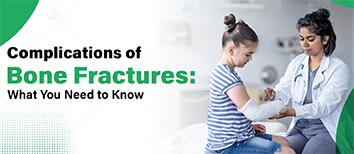
Bone fractures are common injuries from accidents or falls. While many heal well, complications can arise, affecting recovery. Learn more about these issues and treatments.
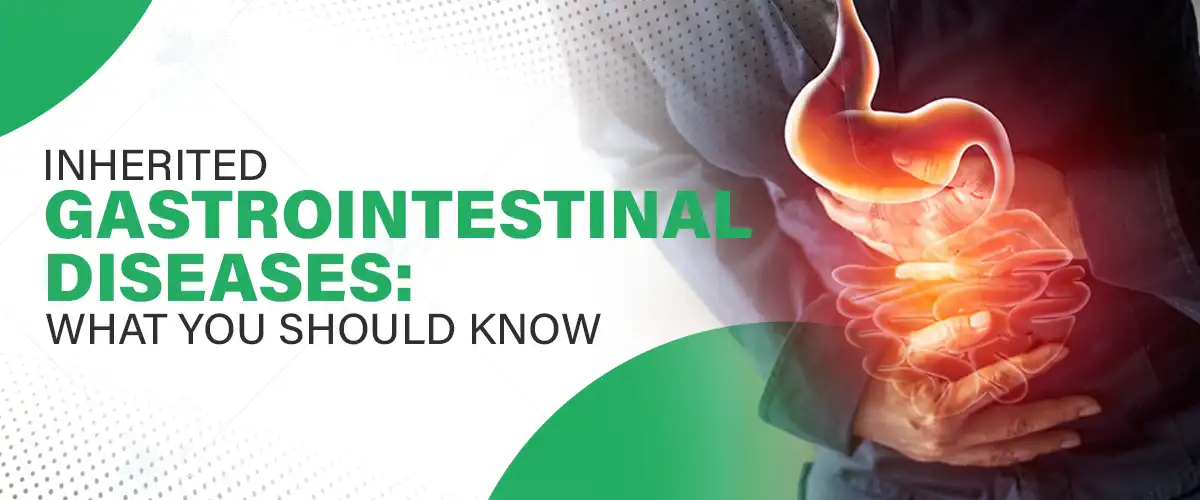
Gastrointestinal (GI) diseases are one of the most prevalent diseases, impacting millions of people all over the globe. The diseases significantly impact an individual's well-being, presenting symptoms like discomfort, bloating, and gastrointestinal upset. While environmental and lifestyle factors contribute to the development of GI diseases, heredity contributes immensely to their incidence. Most GI illnesses are hereditary, and hereditary predisposition raises the risk of contracting certain diseases. Being one of the top hospitals for inherited gastrointestinal illnesses, Felix Hospital is interested in appreciating these genetic factors since they are the basis of early detection, prevention, and treatment.
The blog will try to give readers an insight into inherited gastrointestinal diseases, the genetic underpinnings for their causation, and the utmost importance of early screening and prevention towards the management of these conditions.
If you have a family history of gastrointestinal diseases, early screening and genetic counseling can make all the difference. Contact us today at +91 9667064100.
Genetic gastrointestinal illnesses are conditions that run in families and where a family history or genetic abnormality raises the risk of developing certain GI illnesses. The illnesses strike in any location in the digestive system, such as the pancreas, liver, intestines, and stomach.
Genetics have a big role to play in such disorders, with certain mutations or changes in the DNA making the individual susceptible to the development of certain GI disorders. Family history usually is a great predictor of risk, with certain diseases being more likely to occur in more than one family member.
Some of the most common inherited GI disorders are:
Common Inherited Gastrointestinal Diseases
Colorectal Cancer
Colorectal cancer is the most prevalent type of cancer that has a hereditary basis. The APC gene and Lynch syndrome (hereditary nonpolyposis colorectal cancer) put the individual at risk for the condition. Individuals with family history of colorectal cancer are significantly more likely to acquire the condition. Early diagnosis and genetic screening identify individuals who are at risk and to intervene early, thus ensuring that there is improved survival.
Celiac Disease
Celiac disease is an autoimmune condition which is initiated after the consumption of gluten, which is a protein in wheat, barley, and rye. Celiac disease has a significant linkage with two genetic markers, i.e., HLA-DQ2 and HLA-DQ8. Individuals who carry these genetic markers and have celiac disease present in their families are at very high risk for developing the disorder. The optimal treatment is the use of a gluten-free diet after diagnosis is made, for symptom control as well as small intestine damage avoidance.
Inflammatory Bowel Diseases (IBD) - Ulcerative Colitis and Crohn's Disease
Crohn's and ulcerative colitis are manifestations of IBD with a genetic etiology. The genes that are affected are immune-related genes. The highest risk factor is the presence of a first-degree relative with IBD, and persons with such association are more likely to develop IBD. Diet, stress, and infections play environmental roles in the causation of the disease to some extent in addition to their heavy genetic load.
Irritable Bowel Syndrome (IBS)
IBS is a prevalent functional GI disorder, characterized by abdominal discomfort, bloating, and a change in bowel habits. Family history may influence the prevalence of IBS although IBS is not fully genetic. There are several similarities in symptoms between families of IBS patients, which would indicate a genetic component. However environmental influences such as diet and stress also play a significant role in triggering symptoms of IBS.
Genetic predisposition is a key factor in determining if an individual can develop certain GI diseases or not. Gene mutations have been shown to affect some biological processes such as immunity, digestion, and cell division. The gene mutations may be directly responsible for the disease or render an individual susceptible to environmental substances that can trigger disease development.
For instance:
Genetic history remains a strong factor in predicting and detecting individuals with high risk who can be approached with early screening and preventive management.
Genetic testing has emerged as an important diagnostic and management tool for hereditary gastrointestinal disorders. Genetic screening enables individuals to determine their risk of developing conditions like colorectal cancer, celiac disease, and IBD. Early genetic testing enables clinicians to set up individualized treatment regimens and monitoring.
1. Genetic screening may identify specific mutations that are linked with illnesses such as colorectal cancer and celiac disease. Examples include:
2. Early detection allows for preventive options such as regular screening and dietary adjustments.
3. For those who have a hereditary history of GI disorders, early monitoring and screening will be able to tackle future risks and avoid long-term health complications.
Early Detection:
For individuals with a history of GI disease in their family, early detection is crucial. Regular screening for conditions such as colorectal cancer and IBD can detect possible problems before they result in symptoms. Suggested screening intervals differ according to family history and personal risk factors.
Lifestyle Changes
Lifestyle modifications, including diet, exercise, and stress management, can have an important role in the management of inherited GI disease. Healthy dietary habits with high fiber intake, regular exercise, and stress management can assume the genetic load. In celiac disease, gluten avoidance is of prime importance.
Medical Therapy:
Pharmacotherapy of patients with inherited GI diseases is usually marked by medication, immunosuppressive agents, and diet. For instance:
Genetic counseling is a valuable instrument for individuals with a family history of GI disease. Genetic counselors educate patients on their genetic risk, provide guidance on the interpretation of genetic testing, and outline the potential for early treatment and prevention.
For individuals with more than one instance of GI diseases, genetic counseling can prove to be very helpful in advising them on screening intervals, diet modifications, and potential treatments. It also helps families make educated decisions about their health and wellbeing.
Felix Hospital has gastroenterologists specializing in the diagnosis and treatment of inherited GI diseases. Our specialists, such as Dr. Jagatjot Singh Gill and Dr. Amrit Yog Datley, deliver complete care to patients with inherited GI diseases. Our services cover genetic testing, genetic counseling, and personalized treatment plans for the management and prevention of GI disease progression.
We comprehend the complexity of inherited gastrointestinal disease and provide the latest diagnostic technology and treatments to allow the optimal care. If you require genetic counseling, testing, or advanced medical treatment, our professionals stand ready to assist you.
Make an appointment with our skilled gastroenterologists at Felix Hospital to discover more about your risk for inherited GI disorders. Make your appointment today!
Genetic gastrointestinal illnesses can have a devastating effect on the well-being of a person, but through early screening, genetic counseling, and specific treatment, its effect can be controlled and avoided. Knowledge of the role played by heredity in inducing GI disease and the need for regular screening is vital in persons with a history of such illness in the family. Felix Hospital provides extensive care for hereditary GI illness to get maximum benefit to the patients.
Make an appointment with Felix Hospital today for your consultation and get proactive about your gastrointestinal health.
1. Do inherited gastrointestinal disorders skip generations?
Ans: Yes, certain inherited GI disorders may skip generations because of differences in gene expression, environmental influences, and other factors affecting genetic inheritance. Nevertheless, a family history still puts you at risk.
2. How do I determine whether my gastrointestinal disorder is genetic or lifestyle-related?
Ans: A combination of family medical history assessment, genetic testing, and diagnostic screening can tell you whether your illness has a genetic cause or is the result of lifestyle habits like diet and stress.
3. When should I begin screening if my family has a history of colorectal cancer?
Ans: If a first-degree relative has colorectal cancer, you should ideally get screened 10 years before the age when they got it, or at the age of 40, whichever is earlier. Based on certain risk factors, your doctor might ask you to get tests done beforehand.
4. Is it possible by genetic testing to know if definitely I would have a GI disease?
Ans: Genetic testing can detect for mutations at higher risk but cannot assure you will get the disease. Environment, lifestyle, and immune system also have enormous roles in causing diseases.
5. How do lifestyle changes decrease the risk of inherited gastrointestinal disease?
Ans: Adoption of a high-fiber diet, reduction in the intake of processed food, stress management, healthy weight, regular exercise, and compliance with doctor's recommendations will be in a position to lower the risk and better manage inherited GI diseases.
6. Are there new advances in the treatment of inherited GI diseases?
Ans: Yes, innovations like gene-targeted therapies, biologic drugs for IBD, and enhanced genetic screening technologies are enabling physicians to offer more precise and effective therapies for inherited GI diseases.
7. If I am found positive for an inherited GI disease gene mutation, what do I need to do next?
Ans: Meet with a gastroenterologist and genetic counselor to talk about risk management strategies, prevention screening, dietary changes, and possible treatment options based on your genetic makeup.
Expert gastroenterology care for better digestive health, offering advanced diagnosis and treatment for GERD, IBS, ulcers, and liver disorders.
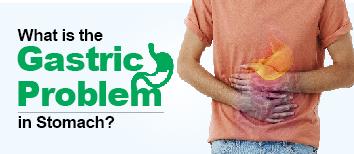
Gastric problems occur when excess acid or digestive disturbances affect the stomach lining, causing symptoms like bloating, acidity, and pain. Timely diagnosis ensures effective treatment.
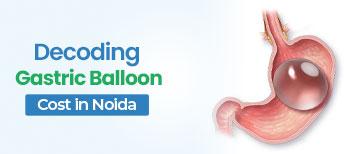
Understand the factors that influence gastric balloon surgery cost in Noida, including hospital facilities, doctor expertise, and post-procedure care.
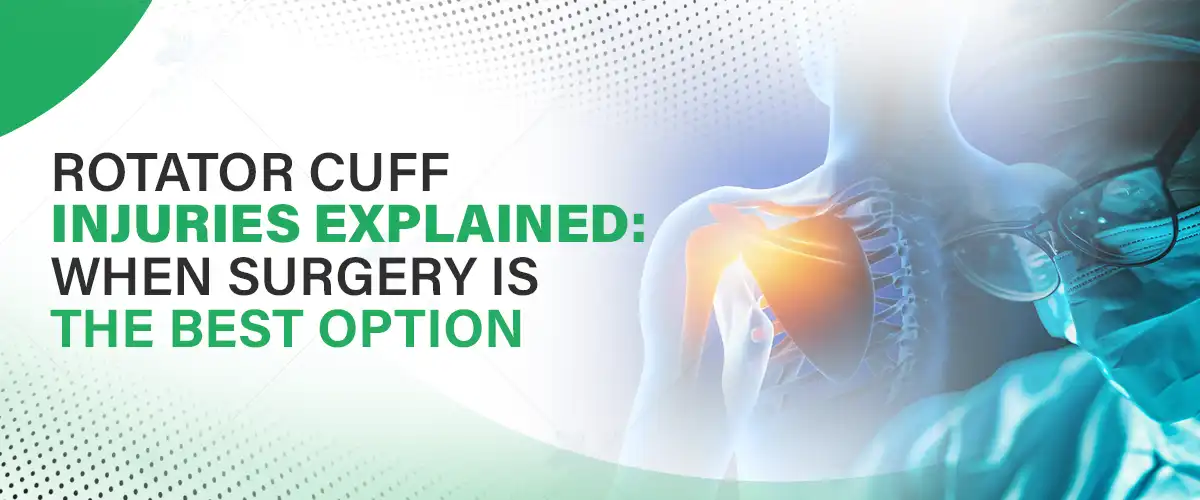
The rotator cuff is a vital component of the shoulder, consisting of a group of muscles and tendons that provide strength, stability, and mobility to the arm. It allows for the rotation and lifting of the arm, making it essential for daily activities such as reaching, lifting, and throwing. Unfortunately, rotator cuff injuries are common and can significantly affect one's quality of life. These injuries often occur due to aging, sports activities, or repetitive overhead movements. If you're seeking treatment for a rotator cuff injury, consulting the best orthopedic hospital in Noida is crucial for getting the best care.
While many rotator cuff injuries can heal with non-surgical treatments, surgery may become necessary in more severe cases. Let’s understand rotator cuff injuries, available treatment options, and when surgery is the best choice for your recovery.
If you're suffering from a rotator cuff injury, don't wait for the pain to worsen. Contact our team of experts at Felix Hospitals by Calling +91 9667064100.
The rotator cuff consists of four muscles and their tendons, which help stabilize the shoulder and facilitate arm movement. The most common types of injuries to the rotator cuff are inflammation (tendonitis), partial tears, and full-thickness tears.
Symptoms of rotator cuff injuries include pain, weakness, and a limited range of motion, particularly when raising the arm or performing overhead activities. Diagnosing the injury involves a physical examination and imaging tests such as X-rays or MRIs to assess the extent of damage.
Many individuals with rotator cuff injuries experience improvement through non-surgical treatments. For mild to moderate injuries, these methods are often effective in managing pain and restoring mobility:
1. Physical Therapy: A targeted physical therapy regimen focuses on strengthening the muscles surrounding the shoulder joint and improving its flexibility. This is often the first line of treatment.
2. Medications: Anti-inflammatory drugs help alleviate pain and reduce swelling, offering relief from the discomfort caused by the injury.
3. Steroid Injections: These injections provide temporary relief from inflammation and can help manage pain while healing progresses.
4. Rest and Activity Modification: Taking breaks from activities that stress the shoulder can allow for natural healing.
5. Platelet-Rich Plasma (PRP) Therapy: A newer treatment option where the patient’s blood is processed to concentrate platelets, which are then injected into the injured area to promote healing.
While these treatments can be highly effective for many patients, rotator cuff injury treatment may require surgical intervention in more severe cases.
Surgery becomes the best option for rotator cuff injuries when conservative treatments do not relieve symptoms or when the injury is severe. Here are key indications that surgery may be necessary:
1. Severe Tears: Large or full-thickness tears of the rotator cuff tendons may require surgery, especially if other treatments have not been successful.
2. Persistent Pain: If pain continues despite physical therapy and medications, and it interferes with daily activities, surgery may be the next step.
3. Loss of Shoulder Function: If the injury causes significant weakness or limits the ability to lift the arm, surgery may be needed to restore function.
4. Failure of Non-Surgical Treatments: When physical therapy, injections, and rest fail to improve the condition, rotator cuff surgery recovery is the best choice to restore shoulder strength and mobility.
Several surgical techniques are available, depending on the severity of the injury and the specific needs of the patient:
1. Arthroscopic Surgery: A minimally invasive procedure where small incisions are made, and a camera is used to repair the tendon. This approach offers a quicker recovery time and less postoperative discomfort.
2. Open Surgery: Used for more extensive tears or when arthroscopic surgery is not suitable. A larger incision is made to access the injured tendon.
3. Tendon Transfer: If the tendon is irreparably damaged, a tendon from another part of the body may be used to restore shoulder function.
4. Tendon Repair and Reattachment: This surgery involves stitching the tendon back into place, allowing for healing and the restoration of shoulder stability.
The rotator cuff surgery recovery process is crucial for regaining full shoulder function. The recovery timeline typically spans 4 to 6 months, with some patients requiring longer. Key elements of recovery include:
Like all surgeries, rotator cuff surgery carries some risks. These include:
Age, underlying health conditions, and activity level all influence the recovery process and potential risks.
At Felix Hospitals, we pride ourselves on offering comprehensive care for rotator cuff injuries. Our team of skilled orthopedic surgeons includes:
With their expertise, Felix Hospitals remains a trusted choice for individuals seeking rotator cuff injury treatment.
Struggling with shoulder pain or a limited range of motion? Schedule an appointment with one of our top orthopedic surgeons at Felix Hospitals.
Rotator cuff surgery can be a life-changing solution for individuals with severe or persistent injuries that don't respond to other treatments. While non-surgical options such as physical therapy and medications work for many, surgery may be the best path for those with significant tears or function-limiting injuries. By consulting with a trusted orthopedic specialist, you can make an informed decision about whether surgery is the right choice for your rotator cuff surgery recovery. Always prioritize expert care and personalized treatment to ensure the best possible outcome.
1. What causes rotator cuff injuries in athletes?
Ans:Repetitive overhead motions like throwing, swimming, or weightlifting can strain the shoulder, causing inflammation, tendonitis, or tears.
2. Can rotator cuff injuries heal without surgery?
Ans:Yes, with physical therapy, rest, medications, and injections. Surgery is needed if conservative treatments fail or if the injury is severe.
3. How long is recovery after rotator cuff surgery?
Ans:Recovery usually takes 4 to 6 months, with physical therapy and activity restrictions during healing.
4. Are there long-term risks after rotator cuff surgery?
Ans:Risks include tendon re-tears, stiffness, and nerve damage, but most recover well with proper rehabilitation.
5. What is Platelet-Rich Plasma (PRP) therapy for rotator cuff injuries?
Ans:PRP therapy involves injecting your concentrated platelets to promote healing and reduce pain.
6. How do I know if surgery is needed for my rotator cuff injury?
Ans:Surgery may be needed for significant tears, persistent pain, or loss of shoulder function when other treatments fail.
Tuberculosis (TB) is primarily known as a respiratory infection caused by Mycobacterium tuberculosis, but it can affect various body parts, including bones and joints.
Bone fractures are common injuries from accidents or falls. While many heal well, complications can arise, affecting recovery. Learn more about these issues and treatments.

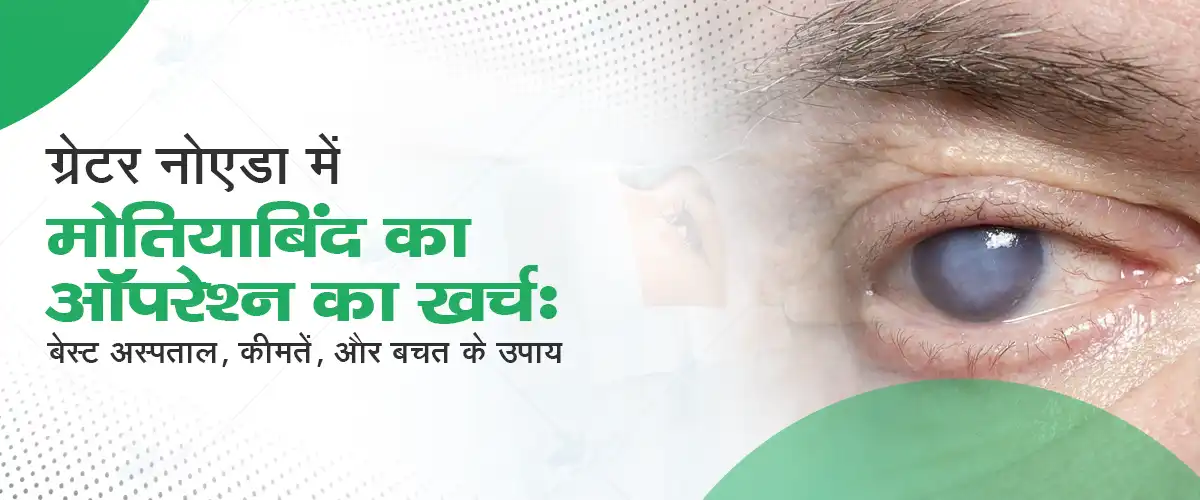
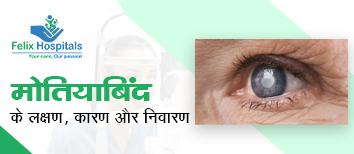
मोतियाबिंद (Cataract) एक आम नेत्र रोग है, जिसमें आंख के लेंस पर धुंधलापन आ जाता है, जिससे दृष्टि प्रभावित होती है। ग्रेटर नोएडा में मोतियाबिंद सर्जरी की मांग तेजी से बढ़ रही है, क्योंकि यहां उन्नत तकनीकों के साथ किफायती और प्रीमियम उपचार दोनों उपलब्ध हैं। सही अस्पताल और उपचार योजना चुनकर मरीज सटीक देखभाल प्राप्त कर सकते हैं और अपनी दृष्टि को बेहतर बना सकते हैं।
ज्यादा जानकारी के लिए हमें कॉल करें +91 9667064100.
मोतियाबिंद (Cataract) आंखों की एक सामान्य समस्या है जिसमें आंख के लेंस (Lens) पर धुंधलापन आ जाता है, जिससे दृष्टि प्रभावित होती है। यह आमतौर पर उम्र बढ़ने के कारण होता है, लेकिन कुछ अन्य कारणों से भी हो सकता है, जैसे कि आंख में चोट, मधुमेह, धूम्रपान, ज्यादा शराब का सेवन, स्टेरॉयड दवाओं का अधिक उपयोग आदि।
मोतियाबिंद धीरे-धीरे विकसित होता है और शुरू में ज्यादा असर नहीं दिखता, लेकिन समय के साथ दृष्टि प्रभावित होने लगती है। इसके मुख्य लक्षण इस प्रकार हैं:
मोतियाबिंद का मुख्य और स्थायी इलाज सर्जरी है, लेकिन शुरुआती चरण में कुछ उपाय किए जा सकते हैं।
बेहतर नंबर वाले चश्मे से अस्थायी सुधार हो सकता है। पढ़ाई या काम के दौरान अच्छी रोशनी का उपयोग करना।
रात में ड्राइविंग के लिए उपयोगी हो सकता है। मोतियाबिंद की प्रगति पर नजर रखने के लिए।
जब मोतियाबिंद से रोजमर्रा के काम (जैसे पढ़ना, ड्राइविंग, या घर के काम) में दिक्कत आने लगे, तो सर्जरी करानी चाहिए। फेकोइमल्सिफिकेशन (Phacoemulsification) सबसे आधुनिक और सुरक्षित तकनीक है, जिसमें एक छोटे चीरे (Incision) के जरिए लेंस हटाकर नया कृत्रिम लेंस (IOL) लगाया जाता है। लेजर कैटारैक्ट सर्जरी में सटीक लेजर तकनीक से आंख के लेंस को बदला जाता है। इंट्राकैप्सुलर कैटारैक्ट एक्सट्रैक्शन (आईसीसीई) पुरानी विधि है, जो अब बहुत कम इस्तेमाल होती है। सर्जरी दर्दरहित होती है और 10-15 मिनट में पूरी हो जाती है। अधिकांश मरीजों को 24 घंटे के अंदर घर भेज दिया जाता है। सफलता दर बहुत अधिक होती है, और नजर लगभग सामान्य हो जाती है।
ग्रेटर नोएडा में हाल के वर्षों में जनसंख्या में उल्लेखनीय वृद्धि हुई है। रियल एस्टेट बाजार में तेजी के कारण अधिक लोग इस क्षेत्र में बस रहे हैं, जिससे वरिष्ठ नागरिकों की संख्या भी बढ़ी है। चूंकि मोतियाबिंद उम्र से संबंधित समस्या है, इसलिए वृद्ध जनसंख्या में वृद्धि के साथ इसकी सर्जरी की मांग भी बढ़ रही है।
ग्रेटर नोएडा में मोतियाबिंद सर्जरी की लागत कई कारकों पर निर्भर करती है, जैसे अस्पताल का प्रकार (सरकारी या निजी), सर्जरी की तकनीक (पारंपरिक या लेजर), उपयोग किए जाने वाले लेंस की गुणवत्ता, और बीमा कवरेज।
सरकारी अस्पतालों में मोतियाबिंद सर्जरी की लागत अपेक्षाकृत कम होती है। कुछ रिपोर्टों के अनुसार, सरकारी अस्पतालों में प्रति आंख सर्जरी का खर्च लगभग 10,000 हो सकता है। निजी अस्पतालों में यह खर्च अधिक हो सकता है, जो 30,000 से 1,40,000 लाख तक हो सकता है, जो अस्पताल की प्रतिष्ठा, सर्जन के अनुभव, और उपयोग की जाने वाली तकनीक पर निर्भर करता है।
पारंपरिक फेकोइमल्सिफिकेशन तकनीक की लागत कम होती है, जो अस्पताल और लेंस के प्रकार के आधार पर भिन्न हो सकती है। लेजर-असिस्टेड कैटारैक्ट सर्जरी की लागत पारंपरिक सर्जरी की तुलना में अधिक होती है, क्योंकि इसमें अत्याधुनिक तकनीक और उपकरणों का उपयोग किया जाता है।
यदि आपके पास स्वास्थ्य बीमा है, तो मोतियाबिंद सर्जरी की लागत का एक हिस्सा या पूरा खर्च बीमा द्वारा कवर किया जा सकता है। यह आपके बीमा पॉलिसी के नियमों और शर्तों पर निर्भर करता है। कृपया अपने बीमा प्रदाता से संपर्क करें और सर्जरी से पहले कवरेज विवरण की पुष्टि करें।
इस तकनीक में, सर्जन आंख में एक बड़ा चीरा लगाकर लेंस के कठोर बाहरी हिस्से को हटाते हैं, जबकि लेंस कैप्सूल का पिछला हिस्सा बरकरार रहता है। इसके बाद, कृत्रिम लेंस प्रत्यारोपित किया जाता है। इसकी लागत 25,000 से 35,000 हजार रुपये प्रति आंख है
इसमें लेंस और उसके आसपास के कैप्सूल को पूरी तरह से हटाने के लिए बड़ा चीरा लगाया जाता है। यह अब कम ही उपयोग में आता है। इसकी लागत 25,000 से 35,000 हजार प्रति आंख है।
इसमें अल्ट्रासाउंड तरंगों का उपयोग करके लेंस को छोटे टुकड़ों में तोड़ा जाता है, जिसे फिर छोटे चीरे के माध्यम से हटाया जाता है। इसके बाद, कृत्रिम लेंस प्रत्यारोपित किया जाता है। इसकी लागत 20,000 से 32,000 प्रति आंख है।
इसमें लेजर का उपयोग करके सटीक चीरे और लेंस के टुकड़े किए जाते हैं, जिससे सर्जरी की सटीकता बढ़ती है। इसकी लागत 25,000 से 35,000 हजार रुपये प्रति आंख है।
इसमें 1.2 मिमी के छोटे चीरे के माध्यम से लेंस को हटाया जाता है, जिससे रिकवरी तेज होती है। इसकी लागत 32,500 से 39,000 हजार रुपये प्रति आंख है।
दूर दृष्टि के लिए स्पष्टता प्रदान करते हैं; निकट दृष्टि के लिए चश्मे की आवश्यकता हो सकती है। इसकी लागत 10,000 से 20,000 हजार रुपये प्रति आंख है।
दूर और निकट दोनों दृष्टियों में सुधार करते हैं; कुछ मामलों में चमक या हैलो की शिकायत हो सकती है। इसकी लागत 30,000 से 50,000 हजार रुपये प्रति आंख है।
दूर, निकट, और मध्य (जैसे कंप्यूटर स्क्रीन) दूरी की दृष्टि में सुधार करते हैं; एंटी-ग्लेयर और ब्लू लाइट फिल्टर जैसी विशेषताएँ शामिल हो सकती हैं। इसकी लागत 45,000 से 80,000 हजार रुपये प्रति आंख है।
इसमें दृष्टिवैषम्य (Astigmatism) को सुधारते हैं। दूर दृष्टि में सुधार करते हैं, लेकिन निकट दृष्टि के लिए चश्मे की आवश्यकता हो सकती है। इसकी लागत 30,000 से 50,000 हजार रुपये प्रति आंख है।
फेलिक्स अस्पताल में कैटरेक्ट (मोतियाबिंद) ऑपरेशन के लिए कुछ बेहतरीन डॉक्टर उपलब्ध हैं:
यदि आपको मोतियाबिंद की समस्या है और बेहतरीन इलाज चाहते हैं, तो फेलिक्स अस्पताल से संपर्क करें! डॉक्टर की सलाह के लिए आज ही फोन करें +91 9667064100.
मोतियाबिंद सर्जरी के लिए सही अस्पताल और उपचार योजना का चयन करना एक महत्वपूर्ण निर्णय है। सही अस्पताल और सर्जरी योजना चुनने के लिए आपको विभिन्न कारकों पर विचार करना चाहिए, जैसे अस्पताल की प्रतिष्ठा, डॉक्टर का अनुभव, सर्जरी की तकनीक और आपके बजट के अनुसार उपलब्ध विकल्प।
सवाल-1. ग्रेटर नोएडा में मोतियाबिंद सर्जरी का औसत खर्च कितना आता है?
उत्तर: ग्रेटर नोएडा में मोतियाबिंद ऑपरेशन की कीमत 10,000 से 1,00,000 तक हो सकती है। अच्छे निजी अस्पतालों में यह 25,000 से 1,00,000 तक जा सकती है, जो सर्जरी की तकनीक और लेंस की गुणवत्ता पर निर्भर करता है।
सवाल-2 क्या बीमा से मोतियाबिंद सर्जरी का खर्च कवर किया जा सकता है?
उत्तर: हां, अधिकतर हेल्थ इंश्योरेंस पॉलिसियां मोतियाबिंद सर्जरी को कवर करती हैं। आयुष्मान भारत योजना, कर्मचारी राज्य बीमा (ईएसआई) और कई निजी हेल्थ पॉलिसियों में यह कवर शामिल होता है। बीमा क्लेम से पहले संबंधित अस्पताल से जांच कर लेना बेहतर होता है।
सवाल-3 मोतियाबिंद सर्जरी के कौन-कौन से प्रकार हैं और उनकी कीमतें क्या हैं?
उत्तर: पारंपरिक मोतियाबिंद सर्जरी के लिए 10,000 से 30,000, फेकोसेकंड लेजर सर्जरी के लिए 30,000 से 80,000 व प्रिमियम लेंस इम्प्लांट ऑपरेशन के लिए 50,000 से 1,00,000 तक मोतियाबिंद ऑपरेशन है। लेंस की गुणवत्ता और अस्पताल की सुविधाओं के आधार पर कीमतें बदल सकती हैं।
सवाल-4 सर्जरी के बाद देखभाल में कितना खर्च आ सकता है?
उत्तर: सर्जरी के बाद कुछ अतिरिक्त खर्च हो सकते हैं। इसमें दवाइयां और आई ड्रॉप्स, फॉलोअप विजिट, संभावित जटिलताओं का इलाज शामिल है।
सवाल-5 मोतियाबिंद ऑपरेशन का खर्च कम करने के लिए कौन-कौन से उपाय किए जा सकते हैं?
उत्तर: खर्च कम करने के कुछ बेहतरीन तरीके है। जैसे आयुष्मान भारत या अन्य सरकारी योजनाओं का लाभ उठाएं। स्वास्थ्य बीमा से खर्च कवर करें। कम लागत वाले लेकिन विश्वसनीय आई हॉस्पिटल चुनें। समूह चिकित्सा कैंपों या एनजीओ द्वारा कराई जाने वाली सर्जरी का लाभ लें।
Cataract surgery is essential to restore clear vision and prevent permanent blindness. It removes the cloudy lens and replaces it with an artificial one, helping patients regain normal sight and quality of life.
As cataracts progress, they scatter and block light, leading to vision issues.
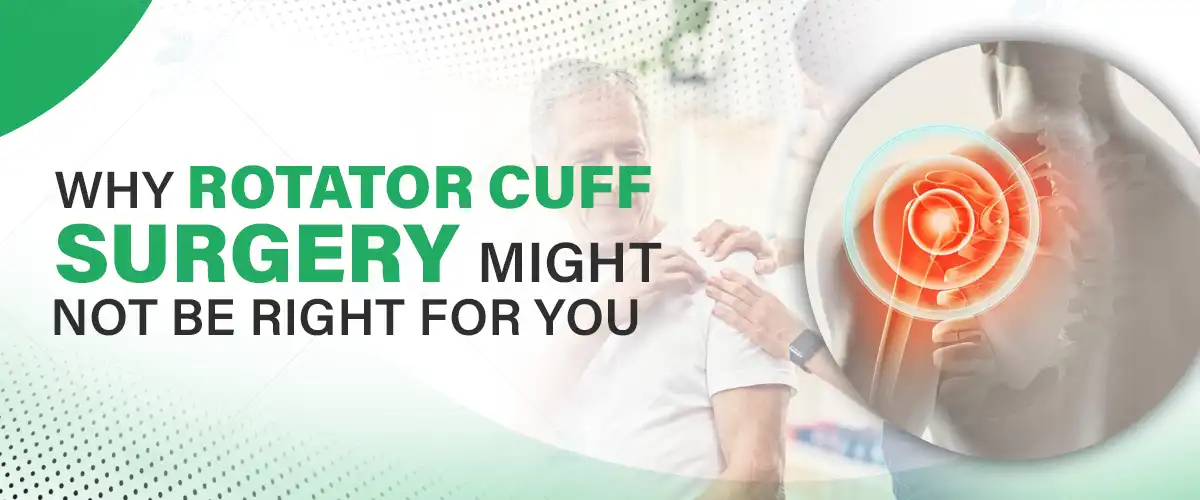
The rotator cuff is a group of muscles and tendons that play a crucial role in shoulder mobility and strength. It helps with lifting, rotating, and stabilizing the arm, making it vital for various everyday activities. However, rotator cuff injuries, especially tears or inflammation, can impair shoulder function, causing pain and limiting movement.
While surgery is often considered a treatment for a rotator cuff injury, it might not always be the best option for everyone. In this article, we’ll discuss when not to have rotator cuff surgery, alternatives to rotator cuff surgery, and the various rotator cuff tear treatment options, to help you make an informed decision. It’s important to note that consulting with the best orthopedic hospital in Noida can provide you with personalized treatment recommendations.
Consult with the best orthopedic specialists by calling +91 9667064100, Our expert surgeons will guide you through your options for the best treatment plan for your needs.
Rotator cuff injuries range from inflammation and tendinitis to partial or complete tears of the tendons. The symptoms often include shoulder pain, weakness, and limited mobility. Diagnosing a rotator cuff injury typically involves a physical examination and imaging tests, such as MRI or X-rays, which help determine the extent of the damage.
Surgery is usually recommended for individuals with severe rotator cuff tears or injuries that do not respond to conservative treatments. If pain persists despite physical therapy, medications, or other non-surgical interventions, surgery might be considered. Additionally, if the injury causes a significant loss of function that interferes with daily life, surgery might be the next step.
However, the decision to proceed with surgery involves evaluating several factors, including age, activity level, and overall health. For some individuals, surgery may not be the most suitable option.
Many rotator cuff injuries, particularly mild or moderate ones, heal without the need for surgery. Non-surgical treatments such as physical therapy, rest, and medication can effectively manage pain and improve mobility. For those who experience less severe injuries, considering alternatives to rotator cuff surgery might be more beneficial, especially if they do not significantly impact daily life.
Like any surgery, rotator cuff surgery carries inherent risks and potential complications. Common issues include infection, stiffness, and the possibility of a re-tear of the tendon. There's also a risk of nerve or blood vessel damage, which can lead to additional problems during or after the surgery. These risks are especially concerning for individuals with pre-existing conditions, increasing the importance of assessing whether surgery is the best route.
Recovery after rotator cuff surgery can be lengthy and challenging. It typically takes anywhere from 4 to 6 months or more for the shoulder to heal fully. During this period, physical therapy is essential, but the shoulder will remain limited in its range of motion, which can affect daily activities. For some individuals, the long recovery time and commitment to physical therapy may outweigh the benefits of surgery, making non-surgical alternatives more appealing.
For older individuals or those with underlying health conditions, the risks of surgery may outweigh the potential benefits. With age, recovery becomes more difficult, and complications are more likely to occur. Health conditions such as diabetes or heart disease can further increase surgical risks, making it vital to explore alternatives to rotator cuff surgery before deciding on a course of treatment.
Rotator cuff surgery can be costly, with expenses for consultations, imaging, and rehabilitation adding up. Some individuals may find it difficult to afford the surgery, especially if they have limited insurance coverage or are responsible for out-of-pocket costs. In such cases, exploring rotator cuff tear treatment options that do not involve surgery can be a more cost-effective choice.
Fortunately, several non-surgical alternatives to rotator cuff surgery can provide relief and promote healing:
One of the most effective non-surgical treatments is physical therapy. Strengthening exercises can help improve shoulder function and reduce pain by restoring mobility and stability to the joint.
Anti-inflammatory medications can reduce pain and swelling associated with rotator cuff injuries. These medications may be prescribed for short-term relief while other treatments are pursued.
For temporary relief, steroid injections can help alleviate pain and inflammation in the shoulder. While these injections provide short-term relief, they are not a long-term solution and should be used in conjunction with other treatments.
Sometimes, the best treatment is to avoid activities that strain the shoulder. Resting the shoulder and modifying activities to reduce stress on the joint can allow the injury to heal without requiring surgery.
An emerging treatment, PRP therapy involves injecting platelets from the patient’s own blood into the injured tendon to accelerate healing. This treatment can be particularly beneficial for tendon injuries and may be considered as an alternative to surgery.
Deciding whether rotator cuff surgery is the right choice involves evaluating the severity of symptoms and the impact on your quality of life. If non-surgical treatments have not provided sufficient relief, surgery may be the next step. However, it’s important to first explore the effectiveness of these alternatives to rotator cuff surgery and consult with an experienced orthopedic surgeon to receive personalized guidance based on your unique circumstances.
If surgery is recommended, it’s crucial to mentally and physically prepare. Understanding the procedure, expected recovery time, and potential risks will help set realistic expectations. Additionally, ensuring a support system for postoperative care is essential for a smooth recovery process.
At Felix Hospitals, our highly skilled orthopedic surgeons offer comprehensive treatment for rotator cuff injuries. Get to know our specialists:
With their expertise and dedication to patient care, Felix Hospitals is your reliable choice for rotator cuff surgery.
Not sure if surgery is the right choice for you? Book your consultation now to start your healing journey.
While rotator cuff surgery is a viable treatment option for some individuals, it is not always necessary or the best choice for everyone. Mild and moderate injuries may respond well to non-surgical treatments, and surgery carries risks and complications that should not be taken lightly. Exploring alternatives to rotator cuff surgery, such as physical therapy, medications, and PRP therapy, can be a more effective and safer route for many individuals.
Ultimately, the decision should be made in consultation with a trusted orthopedic specialist, especially at a reputable facility like the best orthopedic hospital in Noida. By weighing the pros and cons of surgery versus non-surgical treatments, you can make an informed decision that is tailored to your individual needs and health goals.
1. What’s the difference between partial and complete rotator cuff tears?
Ans: Partial tears are less severe, while complete tears involve full tendon rupture and may need surgery.
2. Can older adults avoid surgery for rotator cuff injuries?
Ans: Yes, non-surgical treatments like therapy and injections may work for older adults, depending on the injury.
3. How long does physical therapy take to work?
Ans: Improvements can be seen in weeks, but full recovery may take several months.
4. Are there side effects of PRP therapy?
Ans: Side effects are rare but may include temporary soreness or swelling at the injection site.
5. When is rotator cuff surgery necessary?
Ans: Surgery may be needed if pain and limited mobility persist despite non-surgical treatments.
6. Can small rotator cuff tears heal without surgery?
Ans: Yes, small tears often improve with physical therapy and medications, avoiding surgery.
Tuberculosis (TB) is primarily known as a respiratory infection caused by Mycobacterium tuberculosis, but it can affect various body parts, including bones and joints.
Bone fractures are common injuries from accidents or falls. While many heal well, complications can arise, affecting recovery. Learn more about these issues and treatments.
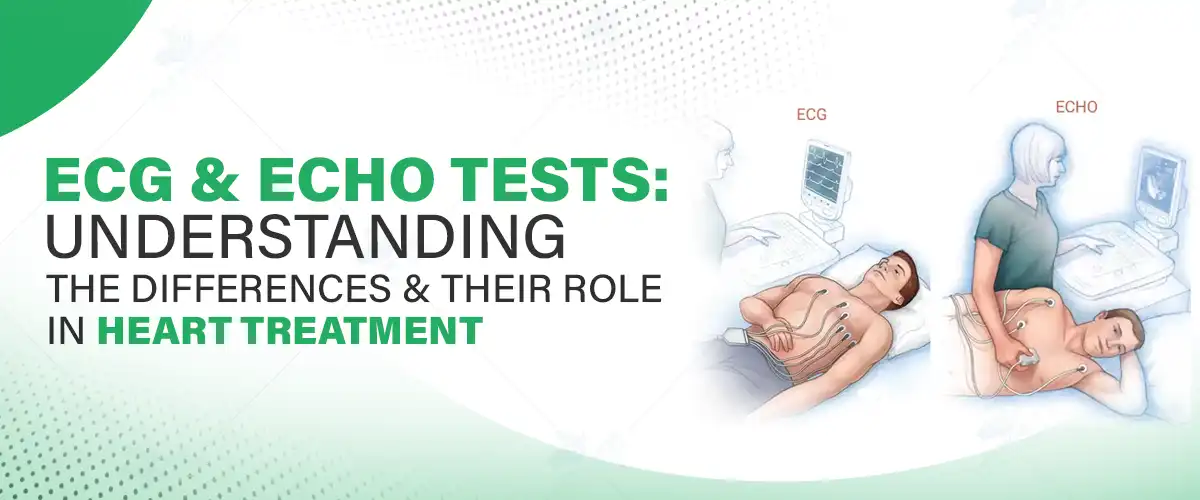
Heart diseases are among the leading causes of death worldwide, with millions of people affected each year. Early detection and diagnosis are crucial for effective treatment and prevention of complications. Two of the most common diagnostic tools used in cardiology are the ECG (Electrocardiogram) and ECHO (Echocardiogram). These tests play a vital role in evaluating heart health and guiding treatment plans.
If you’re looking for the best hospital for ECG and ECHO tests, it’s essential to understand how these tests work, their differences, and when they are recommended. This blog will help you understand the purpose, procedure, and importance of ECG and ECHO tests in heart treatment.
Early diagnosis can save lives. Schedule your test at Felix Hospitals for expert cardiac evaluation. Call us at +91 9667064100.
An ECG (Electrocardiogram) is a non-invasive test that measures the electrical activity of the heart. It helps detect abnormalities in heart rhythm and function.
An ECHO (Echocardiogram) is an ultrasound test that creates detailed images of the heart’s structure and function.
| Aspect | ECG | ECHO |
| Function | Measures electrical activity of the heart | Provides visual images of heart structure |
| Procedure | Electrodes placed on the skin | Ultrasound waves used to create images |
| Purpose | Detects arrhythmias, ischemia, heart attacks | Evaluates heart valves, chambers, and function |
| Time Required | A few minutes | 30–60 minutes |
In some cases, doctors may recommend both ECG and ECHO for a comprehensive evaluation. For example:
At Felix Hospitals, we pride ourselves on having a team of highly skilled radiologists and cardiologists who specialize in ECG and ECHO tests. Our experts include:
With state-of-the-art technology and a patient-centric approach, Felix Hospitals is the best hospital for ECG and ECHO tests in Noida.
Get an accurate diagnosis from leading cardiologists at Felix Hospitals. Walk in today or book an appointment online for seamless heart care!
ECG and ECHO tests are indispensable tools in the diagnosis and treatment of heart diseases. While an ECG focuses on the heart’s electrical activity, an ECHO provides detailed images of its structure and function. Together, these tests offer a comprehensive evaluation of heart health, enabling early detection and effective treatment.
If you’re experiencing symptoms or need a routine check-up, consult a doctor to determine the right test for you. At Felix Hospitals, we offer advanced diagnostic services at an affordable ECG and ECHO tests cost in Noida. Take the first step toward a healthier heart today!
Q- Can an ECG or ECHO detect all types of heart disease?
Ans- No, ECG mainly detects electrical abnormalities like arrhythmias, while ECHO evaluates heart structure and function. Some conditions may require additional tests like angiography or MRI.
Q- Is an ECHO test painful or uncomfortable?
Ans- No, a standard transthoracic ECHO is painless. However, a transesophageal ECHO (TEE) may cause slight discomfort as a probe is inserted into the esophagus.
Q- Can ECG or ECHO tests predict future heart attacks?
Ans- ECG can detect signs of ischemia (poor blood flow) and past heart attacks, while ECHO can assess heart function, but neither test can definitively predict a future heart attack.
Q- How often should a person with a family history of heart disease get these tests?
Ans- It depends on individual risk factors. If you have hypertension, diabetes, or a strong family history, your doctor may recommend annual or biannual check-ups.
Q- What should I do if my ECG results are abnormal?
Ans- Abnormal ECG results don’t always indicate a serious problem. Follow up with your doctor for further tests like an ECHO, stress test, or blood work to determine the cause.
Q- Can ECG or ECHO help in diagnosing high blood pressure-related heart problems?
Ans- Yes, ECHO can detect heart enlargement due to long-term hypertension, and ECG may show strain patterns indicating increased workload on the heart.
Q- Does an ECHO test require any preparation?
Ans- Standard ECHO doesn’t need preparation, but for a transesophageal ECHO (TEE), fasting for several hours is required before the test.
Radiology is a vital medical field that helps doctors diagnose and treat diseases using advanced imaging techniques like X-rays, CT scans, MRI, and ultrasound.
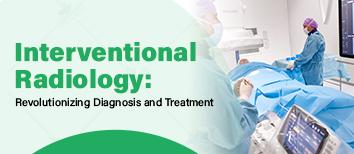
Interventional radiology (IR) is a medical specialty that uses imaging guidance (such as X-ray, CT scan, ultrasound, or MRI).
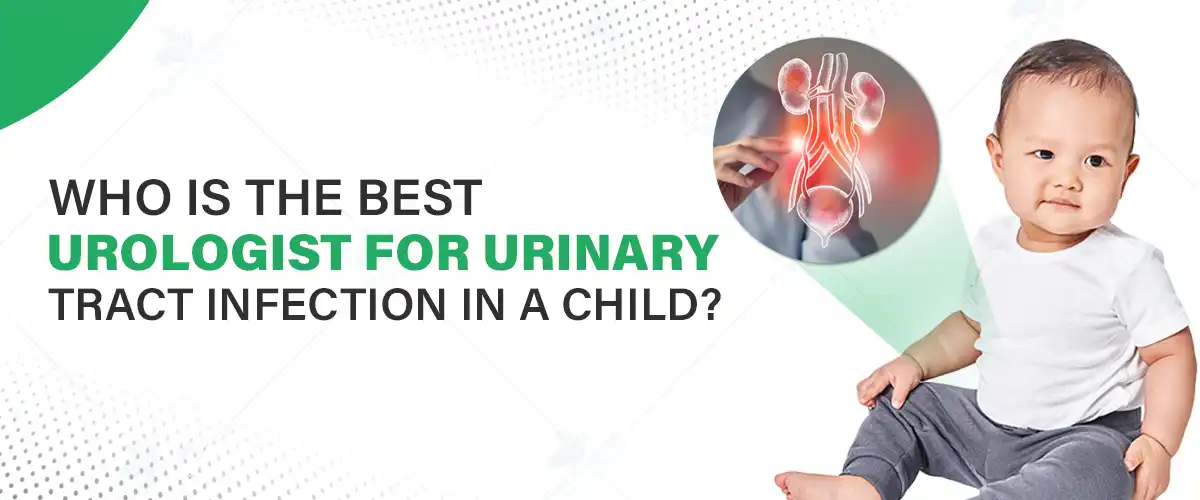
Urinary Tract Infections (UTIs) are common in children and can cause discomfort, pain, and even long-term health issues if not treated properly. A UTI occurs when bacteria enter the urinary tract, leading to infection in the bladder, kidneys, or urethra. While UTIs can affect anyone, children are particularly vulnerable due to their developing immune systems and sometimes incomplete bladder emptying.
Seeking the right specialist for diagnosis and treatment is crucial to ensure your child’s health and well-being. Pediatric urologists are specially trained to handle urological issues in children, making them the best choice for managing UTIs effectively.
For personalized care and advanced treatment options for UTIs, book an appointment by calling +91 9667064100 with one of our experienced pediatric urologists at Felix Hospital.
Untreated UTIs can lead to kidney damage, recurrent infections, and long-term complications. Early diagnosis and treatment are essential to prevent these issues.
Pediatric urologists specialize in diagnosing and treating urological conditions in children. They have additional training and expertise in managing the unique needs of young patients, making them better equipped to handle UTIs in children.
Children’s bodies are still developing, and their urological systems require specialized attention. Pediatric urologists understand the complexities of UTIs in children and can provide tailored treatments to ensure effective recovery.
When choosing a pediatric urologist for your child, consider the following qualifications:
At Felix Hospital, the leading Hospital for Urinary Tract Infection (UTI) treatments in Children we specialize in pediatric urology and offer comprehensive care for children with UTIs. Our team of experienced pediatric urologists uses advanced diagnostic tools to identify the root cause of infections and creates personalized treatment plans for each child.
If your child is experiencing symptoms of a urinary tract infection (UTI), it’s essential to consult an expert pediatric urologist for accurate diagnosis and effective treatment. Felix Hospital is home to a team of highly experienced specialists, including:
Felix Hospital — trusted child hospital in Noida, delivering specialized pediatric care for newborns, infants, and children with compassion and excellence.
Choosing the right pediatric urologist is critical for effectively managing and treating UTIs in children. With specialized care, advanced diagnostic tools, and a compassionate approach, pediatric urologists can ensure your child’s health and well-being. The cost of UTI treatment in children at Felix Hospital may vary based on the severity of the infection and the required diagnostic procedures. If you suspect your child has a UTI, don’t delay—seek expert care immediately. At Felix Hospital, our team of pediatric urologists is dedicated to providing the best care for your child’s urological health.
Felix Hospital offers advanced and reliable Urinary Tract Infection (UTI) treatment in Noida with expert urologists ensuring fast relief and complete recovery.
Q- How can I tell if my child has a urinary tract infection?
Ans- Watch for symptoms like fever, pain while urinating, and irritability in younger children. If these signs persist, it’s essential to consult a pediatric urologist for an accurate diagnosis.
Q- What are the long-term effects if a urinary tract infection is left untreated in children?
Ans- Untreated UTIs can lead to kidney damage, recurrent infections, and long-term complications like vesicoureteral reflux. Early treatment is crucial to prevent such issues.
Q- Can recurrent UTIs in children cause developmental delays or other health issues?
Ans- Yes, frequent UTIs may lead to kidney damage, affecting a child’s growth and development. Seeking prompt care from a pediatric urologist is important to avoid long-term health consequences.
Q- What is the difference between a general urologist and a pediatric urologist?
Ans- Pediatric urologists specialize in children’s urological health, offering tailored treatments that consider a child’s developing body. They are better equipped to handle complex pediatric UTI cases.
Q- Is there a way to prevent urinary tract infections in children?
Ans- Encourage good hygiene habits, ensure proper hydration, and teach your child to avoid holding urine for long periods. Regular check-ups with a pediatric urologist can also help prevent UTIs.
Q- How do pediatric urologists diagnose urinary tract infections in children?
Ans- Pediatric urologists typically perform urine tests, ultrasounds, and sometimes cystograms to accurately diagnose UTIs and assess the condition of the urinary tract.
Pediatric rheumatology focuses on diagnosing and treating autoimmune and inflammatory disorders affecting children’s joints, muscles, and connective tissues.
Our team of pediatric professionals is committed to offering expert care and guidance on sleep-related issues. If you’re looking for a pediatric doctor near me, our experienced specialists are ready to assist.
During sleep, the body releases growth hormones, which are essential for a child's growth and development. Adequate sleep is vital for muscle development, tissue growth, and the overall physical health of a child.
Congenital Heart Defects (CHDs) refer to structural abnormalities in the heart that are present at birth. These defects can range from mild to severe and may affect the heart’s ability to pump blood efficiently. CHDs are among the most common birth defects and can impact a child’s overall health and development.
Early detection, timely treatment, and continuous medical care play a crucial role in managing CHDs effectively. Various hospitals specializing in congenital heart defects treatment in Noida offer expert care to help children lead healthier lives. Parents and caregivers play an essential role in supporting their child’s heart health through regular medical check-ups, lifestyle modifications, and emotional support.
Contact us today at +91 9667064100 to discuss the best treatment plans for congenital heart defects and give your child a healthier future.
CHDs are abnormalities in the structure of the heart or major blood vessels that develop during fetal growth. They can disrupt the normal flow of blood through the heart, affecting oxygen supply to the body. While some defects are mild and require minimal intervention, others may necessitate immediate medical attention or surgery.
CHDs are classified into two main categories:
CHDs may result from a combination of genetic and environmental factors, including:
Early detection of CHDs during pregnancy allows for better planning and management. Prenatal tests include:
After birth, symptoms such as bluish skin, breathing difficulties, and poor feeding may indicate a CHD. Diagnostic tests include:
Certain CHDs can be managed with medications to improve heart function, control symptoms, and prevent complications. Common treatments include:
In rare cases where other treatments fail, a heart transplant may be necessary.
Parents and caregivers may experience anxiety and stress. Seeking counseling and joining support groups can help manage emotional challenges.
Parents should seek immediate medical attention if their child experiences:
Innovations in Surgery & Non-Surgical Interventions
Improving Life Expectancy & Quality of Life
Felix Hospital is a leading center for Congenital Heart Defect (CHD) Treatment in Noida, offering world-class care for children and adults with congenital heart conditions. Our expert cardiologists specialize in early diagnosis, advanced interventions, and lifelong management of CHDs.
At Felix Hospital, the Best Heart Hospital in Noida, we provide cutting-edge treatments, including catheter-based procedures, pediatric cardiac surgery, and lifelong CHD care to ensure the best outcomes for our patients.
Schedule an appointment with the best cardiologists in Noida at Felix Hospital and ensure the best heart care for your child. Call now or book online!
Parents and caregivers should remember that CHD management is possible with proper medical care and lifestyle adjustments. Early diagnosis, timely intervention, and ongoing follow-ups can significantly improve a child’s quality of life. If you are considering congenital heart defect surgery in Noida, consult with a specialist to explore the best treatment options available.
By staying informed and proactive, you can ensure your child gets the necessary care for a healthier future.
Q- Can a child with CHD participate in sports or physical activities?
Ans- While mild CHDs may not limit a child’s activity, certain heart defects require activity modifications. A pediatric cardiologist can help determine safe exercise levels based on the child’s condition.
Q- Are congenital heart defects always detected before birth?
Ans- No, while fetal echocardiography can detect many CHDs during pregnancy, some mild defects may go unnoticed until after birth or even later in childhood when symptoms appear.
Q- Can CHDs be completely cured, or do they require lifelong management?
Ans- Some CHDs can be corrected with surgery or minimally invasive procedures, while others may require lifelong monitoring, medications, or additional interventions as the child grows.
Q- Is there a genetic test available to determine if my child is at risk for CHD?
Ans- Genetic testing can help identify chromosomal abnormalities linked to CHDs, such as Down syndrome, but most CHDs occur due to a combination of genetic and environmental factors.
Q- What are the feeding challenges for infants with CHDs, and how can they be managed?
Ans- Babies with CHDs may have difficulty feeding due to fatigue or breathing issues. Special feeding techniques, high-calorie formulas, or tube feeding may be recommended to ensure proper nutrition.
Q- Do all children with CHDs need surgery, or are there non-surgical treatment options?
Ans- Not all CHDs require surgery. Some can be managed with medications, lifestyle modifications, or catheter-based interventions, which are less invasive than open-heart surgery.
Q- How does a congenital heart defect affect a child’s growth and development?
Ans- Some children with CHDs may experience delayed growth due to reduced oxygen levels or feeding difficulties. Regular follow-ups with a cardiologist and proper nutrition can help manage these concerns.
A stent procedure can be life-saving for those with blocked arteries. This guide walks you through the stent experience—from the angioplasty process to post-procedure recovery and lifestyle changes.

Subscribe to our
© Copyright 2026. All Rights Reserved by Felix Healthcare Private Limited
Design and development by :


 +(91)9667064100
 Emergency : +(91)9667064100