 WhatsApp
 Emergency:
  WhatsApp





Subscribe to our

The summer season brings longer days, higher temperatures, and increased chances of dehydration, fatigue, and weakened immunity. Maintaining a healthy summer diet is essential to stay energized and protect the body from seasonal illnesses. A well-balanced diet rich in summer superfoods can help improve overall health, providing the necessary nutrients to keep the body cool, hydrated, and strong. Incorporating a healthy diet for summer body ensures sustained energy levels and enhanced immunity. Let's explore the best healthy diet in the summer season with nutrition-packed superfoods that support well-being.
Consult with Felix Hospital's expert dietitians by calling +91 9667064100 to create a nutrition plan that keeps you energized and healthy all summer long!
A proper nutrition plan helps regulate body temperature, prevent dehydration, and strengthen the immune system. Superfoods play a vital role in maintaining optimal health by supplying essential vitamins, minerals, and hydration. By opting for a well-rounded nutrition diet services, individuals can stay fit and active despite the summer heat.
Summer brings intense heat, making hydration, immunity, and energy levels crucial for well-being. Incorporating summer superfoods into your diet can help maintain health, prevent fatigue, and keep you active. Here’s a guide to a healthy summer diet with the best foods to support your body.
1. Hydrating Superfoods
Staying hydrated is essential for overall health. These superfoods help maintain fluid balance:
2. Vitamin-Rich Fruits for Immunity
To prevent infections and keep energy levels high, include these in your healthy diet for summer body:
3. Power-Packed Vegetables
Vegetables provide essential nutrients for a healthy summer diet:
4. Protein-Rich Superfoods
Proteins play a crucial role in sustaining energy levels:
5. Cooling and Detoxifying Foods
To eliminate toxins and stay cool, add these to your healthy diet in the summer season:
6. Energy-Boosting Whole Grains
Whole grains provide sustained energy for summer activities:
7. Herbal Drinks and Teas
Refreshing herbal drinks are a great way to boost immunity and stay cool:
At Felix Hospital, we prioritize a holistic approach to nutrition and wellness. With the scorching summer heat, maintaining a healthy diet is crucial to staying hydrated, boosting immunity, and sustaining energy levels. Our expert dietitians are dedicated to guiding you toward the best summer superfoods to keep you healthy and active.
Expert Dietitian Team for Summer Superfoods
Proper nutrition plays a vital role in overall health, especially during summer. Our highly skilled dietitians specialize in personalized diet plans to enhance well-being through superfoods that promote hydration, digestion, and immunity:
Learn more about Felix Hospital’s dietitian services and how we can help you stay healthy! Contact us now by Clicking Here.
Embracing summer superfoods is a smart way to stay healthy, hydrated, and energized. From hydrating fruits to protein-rich foods and herbal teas, each of these superfoods contributes to a healthy summer diet. Including them in daily meals enhances overall immunity and provides essential nutrients for a healthy diet for the summer body. Staying hydrated and making mindful food choices will help you enjoy the warm season with vitality and strength. Prioritize a healthy diet in the summer season to boost immunity, maintain energy levels, and achieve optimal well-being.
1. In what way do summer superfoods help with hydration and prevention of dehydration?
Ans: Watermelon, cucumber, and coconut water are among the summer superfoods that have high water content, and consuming them helps replenish lost fluid in summer. Hydration superfoods assist the body in fluid balance, preventing dehydration and general well-being.
2. Can the intake of superfoods such as mangoes and citrus fruits enhance immunity during summer?
Ans: Yes, mangoes, oranges, and lemons are all great sources of Vitamin C and antioxidants that build the immune system. These superfoods protect the body against infection and nourish the skin during summer when the risk of seasonal disease is higher.
3. What is the role of cooling foods such as buttermilk and mint in summer food?
Ans: Cold foods such as buttermilk and mint are utilized to balance the body temperature, decrease acidity, and improve digestion. They possess detoxifying powers, so it is suitable for their application throughout the summer months to stabilize and maintain comfort.
4. Why I require protein in a summer diet and how to include it
Ans: Protein is also necessary in the aspect of energy level and muscle function. During summer, the inclusion of protein foods such as Greek yogurt, nuts, seeds, and lentils will keep the body strong and energetic and prevent heat fatigue.
5. Are whole grains such as quinoa and oats useful in the maintenance of energy levels in summer activities?
Ans: Yes, grains such as oats and quinoa contain slow-digesting complex carbohydrates that slowly release throughout the day. Consuming such grains maintains you with a steady energy supply, particularly if you are active on warm summer days, as they prevent energy dips.
6. How do herbal teas such as green tea and tulsi tea increase immunity in the summer?
Ans: Herbal teas like green tea, tulsi tea, and lemon-ginger tea are full of antioxidants and contain anti-inflammatory compounds. These teas suppress oxidative stress, maintain immune function, and support digestion, and therefore are apt for boosting immunity in the summer season.

To lose weight effectively, start by creating a calorie deficit—consuming fewer calories than you burn. A safe, steady weight loss usually requires a daily deficit of 500–1000 calories, helping you lose about 0.5 to 1 kilogram per week.
Manage diabetes effectively with a well-planned Indian vegetarian diet chart. Explore healthy meal options and tips for blood sugar control.

Do you find yourself constantly tired, breathless, or unable to cope with sudden physical activity?
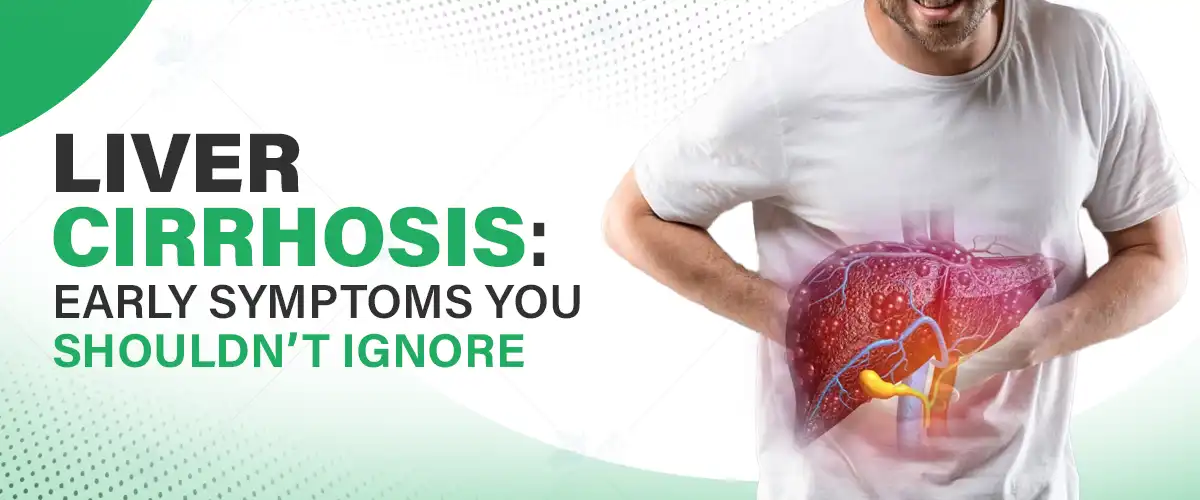
Liver cirrhosis is a progressive condition in which healthy liver tissue is replaced by scar tissue, leading to decreased liver function. It is a serious and often irreversible disease that can significantly impact overall health. Identifying the early symptoms of liver cirrhosis is crucial for timely medical intervention and improved treatment outcomes. Seeking care from the best hospital for gastroenterology can help in early diagnosis and effective management of liver cirrhosis.
If you have risk factors like alcohol consumption, obesity, or viral hepatitis, take proactive steps to protect your liver. Book Your Consultation by Calling +91 9667064100.
Liver cirrhosis is a chronic disease that causes scarring (fibrosis) of the liver due to long-term liver damage. As scar tissue replaces healthy liver cells, the liver struggles to function properly, leading to severe health complications.
Liver cirrhosis progresses through four stages:
1. Compensated Cirrhosis – Minimal symptoms, but liver damage is occurring.
2. Decompensated Cirrhosis – Symptoms become evident as liver function declines.
3. Advanced Cirrhosis – Severe complications arise, such as ascites and jaundice.
4. Liver Failure – The liver loses its ability to function, requiring urgent medical intervention.
Recognizing the early warning signs of liver disease can help prevent further damage and complications. Some of the key signs of liver cirrhosis include:
Persistent tiredness and a general feeling of exhaustion despite rest could indicate early symptoms of liver cirrhosis. The liver plays a vital role in metabolism, and when compromised, it leads to low energy levels.
A significant loss of appetite or unexplained weight loss is an alarming symptom. The liver’s role in digestion and metabolism is disrupted, affecting food intake and leading to malnutrition.
Frequent nausea, bloating, and changes in bowel habits are common indicators of liver dysfunction. Indigestion and acid reflux can also worsen as the disease progresses.
One of the most noticeable early symptoms of liver cirrhosis is jaundice. It occurs due to excess bilirubin in the blood, causing yellowing of the skin and eyes. Jaundice indicates significant liver impairment.
Fluid retention in the legs (edema) and abdomen (ascites) occurs due to the liver's inability to regulate fluid balance. This is a common complication of cirrhosis.
Since the liver produces proteins essential for blood clotting, easy bruising and excessive bleeding may indicate liver dysfunction.
Liver dysfunction leads to itchy skin due to bile salt accumulation and dark urine caused by excess bilirubin in the blood.
As toxins build up in the bloodstream, they can affect brain function, leading to confusion, difficulty concentrating, and memory problems.
Who is at Higher Risk of Developing Liver Cirrhosis?
Importance of Regular Check-Ups and Liver Function Tests
If you experience any liver damage symptoms, it is essential to undergo liver function tests (LFTs), imaging studies, or a liver biopsy to assess liver health. Early diagnosis increases treatment success rates.
If you are experiencing any early symptoms of liver cirrhosis, it is vital to consult a specialist. At Felix Hospital, we have the best team of liver experts, including Dr. Jagatjot Singh Gill and Dr. Amrit Yog Datley. They are among the best gastroenterologists in Noida, offering state-of-the-art diagnosis and treatment for liver conditions, ensuring optimal patient care and outcomes.
Schedule a consultation with the best gastroenterologists at Felix Hospital for a thorough liver health assessment and personalized treatment plan.
Recognizing the early warning signs of liver disease can help in seeking timely medical attention and preventing severe complications. Liver cirrhosis is a progressive condition, but with early intervention and the right medical care, its progression can be slowed or even halted. If you are experiencing signs of liver cirrhosis, visit Felix Hospital for expert consultation and care from the best gastroenterologists.
1. Can liver cirrhosis be reversed if diagnosed early?
Ans: In the early stages, liver cirrhosis can sometimes be slowed or even partially reversed with lifestyle changes, strict medical management, and avoiding alcohol. However, advanced cirrhosis leads to permanent damage.
2. How does liver cirrhosis affect digestion and nutrient absorption?
Ans: Cirrhosis impairs bile production, leading to difficulty in digesting fats and absorbing essential vitamins (A, D, E, and K). This can result in malnutrition and digestive issues like bloating and diarrhea.
3. Is liver cirrhosis painful?
Ans: In the early stages, liver cirrhosis may not cause noticeable pain. However, as the disease progresses, patients may experience dull pain or discomfort in the upper right abdomen due to liver swelling.
4. What lifestyle changes can help manage early-stage cirrhosis?
Ans: Key changes include reducing salt intake to prevent fluid retention, following a protein-balanced diet, avoiding alcohol completely, and staying physically active to maintain a healthy weight.
5. Can stress worsen liver cirrhosis?
Ans: Yes, chronic stress can worsen liver disease by increasing inflammation and affecting the immune system. Stress management techniques like meditation and yoga can support liver health.
6. Are there any warning signs of liver failure in cirrhosis patients?
Ans: Advanced warning signs include severe confusion (hepatic encephalopathy), vomiting blood (variceal bleeding), excessive swelling (ascites), and persistent jaundice. These require urgent medical attention.
7. What is the life expectancy of someone with liver cirrhosis?
Ans: Life expectancy depends on the stage of cirrhosis. With early diagnosis and proper care, many patients live for years. However, decompensated cirrhosis has a poorer prognosis without a liver transplant.
Understand the factors that influence endoscopy procedure cost in Noida. Learn about the types, preparation, and benefits of choosing the best multi-speciality hospital in Noida for accurate diagnosis.

Appendix surgery, also known as appendectomy, is a common emergency procedure performed to treat appendicitis.

Arthritis is a long-term disease that affects millions of people around the globe, leading to pain, stiffness, and swelling of the joints. Although the symptoms of arthritis vary seasonally, most individuals experience more pain during the summer months. The high temperatures and humidity may cause greater stiffness, swelling, and inflammation of the joints. Knowing the impact of summer weather on the joints is important to better control symptoms and stay active.
For patients with arthritis, effective treatment and management are vital to alleviate the symptoms. If you realize that you are facing more pain, a visit to the best rheumatology hospital in Noida from specialists at the facility can offer personalized advice and treatment. These hospitals have the best diagnostic and treatment machinery, which assists patients in coping with their arthritis symptoms and leading a better life, particularly during the challenging summer season.
Consult our expert orthopedic specialists today for personalized arthritis management! Book an appointment now by Calling +91 9667064100.
Weather conditions, particularly temperature, humidity, and barometric pressure, play a significant role in joint health. High humidity levels can intensify inflammation, causing increased discomfort for individuals with arthritis. Scientific studies suggest that Rheumatoid arthritis and humidity are closely linked, with many patients reporting flare-ups during humid conditions.
Common Types of Arthritis Affected by Heat and Humidity
1. Osteoarthritis: Cartilage breakdown worsens in extreme temperatures, leading to joint pain.
2. Rheumatoid Arthritis: Humidity can trigger inflammation, leading to increased swelling and stiffness.
3. Gout: Heat-induced dehydration increases uric acid levels, causing painful gout flare-ups.
To deal with the weather influence on arthritis in the best possible way, one should take a consultation from professionals who can provide you with personal attention. Scheduling an appointment at a reputed arthritis hospital will help you acquire a comprehensive treatment protocol that best meets your personal need, leading to better symptom management and healthier joints.
Dehydration is a major factor contributing to joint pain during summer. Synovial fluid, which lubricates joints, requires adequate hydration to function properly. When the body lacks sufficient water, joint stiffness increases, leading to restricted mobility and discomfort. Dehydration and joint stiffness are particularly problematic for arthritis patients, as they can exacerbate pain and inflammation.
High temperatures can trigger the body's inflammatory response, leading to swelling in the joints. Individuals with Rheumatoid arthritis and humidity sensitivity often experience worsened symptoms due to this inflammation.
Excessive sweating can lead to a loss of essential minerals such as potassium and magnesium. These minerals are necessary for muscle and joint function. Their depletion can result in muscle cramps and worsen arthritis symptoms.
Extreme heat can cause fatigue, making it difficult for arthritis patients to stay active. Reduced mobility leads to muscle stiffness and joint pain, further impacting daily activities. Ensuring proper hydration helps counteract dehydration and joint stiffness, improving overall joint function.
1. Hydration Tips
2. Diet for Joint Health
3. Cooling Strategies
4. Exercise Adjustments
5. Skincare & Clothing Tips
If joint pain persists despite lifestyle adjustments, seeking professional help is essential. The following specialists at the best orthopedic hospital in Noida offer expert care for arthritis management:
Discover the best treatment options at Noida’s top orthopedic hospital. Schedule your consultation today!
The summer heat and humidity can significantly impact arthritis sufferers, exacerbating pain, inflammation, and mobility issues. By prioritizing hydration, adjusting dietary habits, and incorporating cooling strategies, individuals can effectively manage their symptoms. Understanding the relationship between Rheumatoid arthritis and humidity is key to preventing flare-ups, while addressing dehydration and joint stiffness ensures better joint health. For severe cases, consulting top orthopedic specialists at the best hospital in Noida can provide tailored treatment solutions. By taking proactive steps, individuals can maintain strong, pain-free joints throughout the summer season.
1. Why does my arthritis pain worsen on humid days?
Ans: High humidity increases joint inflammation and fluid retention, making movement more painful and stiff. The pressure changes in the air can also contribute to discomfort.
2. Can dehydration really impact my arthritis symptoms?
Ans: Yes, dehydration reduces synovial fluid, which lubricates the joints. Without enough hydration, stiffness, inflammation, and pain can worsen, making mobility more difficult.
3. Are there any specific foods that can help with arthritis in summer?
Ans: Absolutely! Anti-inflammatory foods like berries, fatty fish (rich in Omega-3s), leafy greens, turmeric, and nuts can help reduce swelling and ease joint pain naturally.
4. How can I stay active without worsening my arthritis in the heat?
Ans: Engage in low-impact exercises like swimming, water aerobics, or indoor yoga. These activities keep your joints flexible without putting excess strain on them, preventing flare-ups.
5. Does wearing certain fabrics help with arthritis discomfort in summer?
Ans: Yes, breathable and moisture-wicking fabrics like cotton and bamboo help regulate body temperature, reduce sweating, and prevent heat-induced joint stiffness or discomfort.
6. How can I tell if my joint pain needs medical attention?
Ans: If you experience persistent swelling, redness, extreme stiffness, or worsening pain that doesn’t improve with home remedies, consult a specialist for proper diagnosis and treatment.
7. What are the best cooling techniques to reduce arthritis flare-ups?
Ans: Applying cold compresses, taking cool showers, staying indoors during peak heat, and drinking plenty of fluids can help manage summer-related arthritis symptoms effectively.
Orthopedics is a specialized branch that takes care of your musculoskeletal problems related to joints, bones, muscles, spine, ligaments, and tissues.
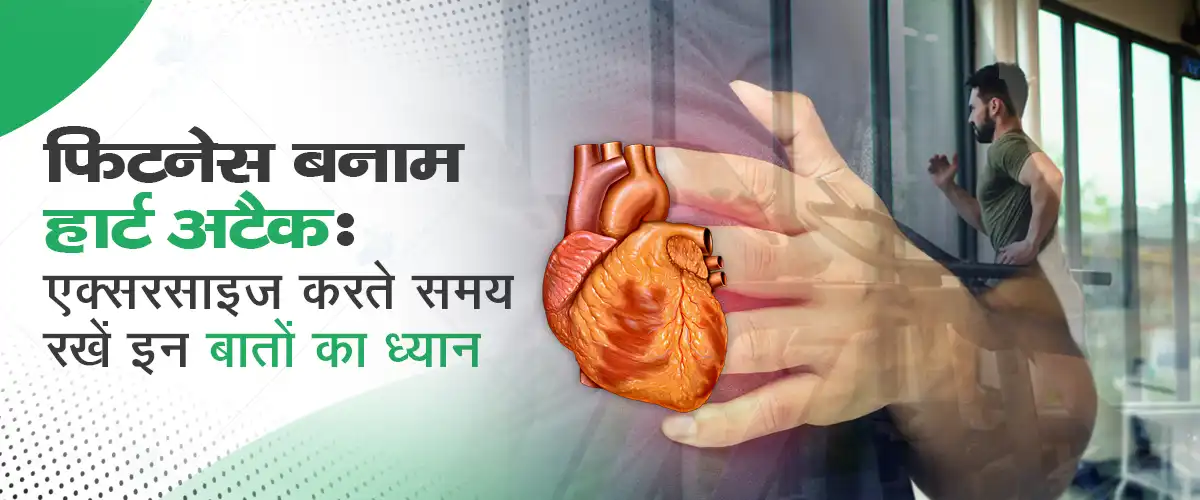
आज के दौर में फिटनेस को बनाए रखना हमारी जीवनशैली का एक महत्वपूर्ण हिस्सा बन गया है। सही एक्सरसाइज न केवल शारीरिक ताकत बढ़ाती है बल्कि हृदय को भी स्वस्थ रखने में मदद करती है। मगर गलत तरीके से की गई एक्सरसाइज या अत्यधिक वर्कआउट हृदय के लिए खतरनाक साबित हो सकता है। इस ब्लॉग में हम फिटनेस और हृदय स्वास्थ्य के बीच के संबंध को समझेंगे।
ज्यादा जानकारी के लिए हमें कॉल करें +91 9667064100.
हार्ट अटैक, जिसे मायोकार्डियल इंफार्क्शन (Myocardial Infarction - MI) भी कहा जाता है, एक गंभीर चिकित्सा स्थिति है जो तब होती है जब हृदय की मांसपेशियों तक रक्त का प्रवाह बाधित हो जाता है। यह आमतौर पर कोरोनरी धमनियों (coronary arteries) में रुकावट के कारण होता है, जो हृदय को ऑक्सीजन और पोषक तत्व प्रदान करती हैं।
अत्यधिक एक्सरसाइज से हृदय की धड़कन (हार्ट रेट) जरूरत से ज्यादा तेज हो जाती है, जिससे दिल को अतिरिक्त मेहनत करनी पड़ती है। हाई-इंटेंसिटी वर्कआउट से ब्लड प्रेशर असामान्य रूप से बढ़ सकता है, जिससे धमनियों पर अधिक दबाव पड़ता है।
जिन्हें पहले से ही हाई ब्लड प्रेशर, कोरोनरी आर्टरी डिजीज (सीएडी) या कोई अन्य हृदय रोग है, उनके लिए अत्यधिक वर्कआउट खतरनाक हो सकता है। बिना डॉक्टर की सलाह के हाई-इंटेंसिटी कार्डियो या वेट ट्रेनिंग करने से दिल पर दबाव बढ़ सकता है।
वार्मअप से शरीर की मांसपेशियां सक्रिय होती हैं और दिल को अचानक झटका नहीं लगता। कूल डाउन करने से हार्ट रेट और ब्लड प्रेशर धीरे-धीरे सामान्य स्तर पर आता है। हल्की स्ट्रेचिंग, स्पॉट जॉगिंग, आर्म रोटेशन या 5-10 मिनट की धीमी वॉक करें।
हर व्यक्ति की शारीरिक क्षमता अलग होती है। जरूरत से ज्यादा एक्सरसाइज करने से चोट और हार्ट स्ट्रेन का खतरा बढ़ जाता है। अगर आप शुरुआत कर रहे हैं, तो हल्की कार्डियो एक्सरसाइज (जैसे वॉकिंग, साइक्लिंग) से शुरू करें।
अत्यधिक वेट लिफ्टिंग करने से ब्लड प्रेशर बढ़ सकता है, जिससे हृदय पर दबाव बढ़ता है। गलत पोजीशन में भारी वजन उठाने से हृदय धमनियों पर स्ट्रेस आ सकता है, जिससे हृदय संबंधी समस्याएं हो सकती हैं।
बहुत अधिक या बहुत कम कार्डियो, दोनों ही हानिकारक हो सकते हैं। सही मात्रा में कार्डियो करने से ब्लड सर्कुलेशन बेहतर होता है और दिल मजबूत रहता है।
हृदय को मजबूत बनाने का सबसे अच्छा तरीका एरोबिक (कार्डियो) एक्सरसाइज हृदय की कार्यक्षमता को सुधारने में मदद करती है और ब्लड सर्कुलेशन को बढ़ाती है। इससे कोलेस्ट्रॉल कम होता है और ब्लड प्रेशर नियंत्रित रहता है। रोजाना 30-40 मिनट की ब्रिस्क वॉक (तेज़ चाल) हृदय स्वास्थ्य के लिए बहुत फायदेमंद होती है। स्विमिंग (तैराकी) पूरे शरीर को एक्टिव रखने वाली यह एक्सरसाइज हृदय की धड़कन को नियंत्रित रखती है। साइक्लिंग दिल को मजबूत बनाती है और पैरों की मांसपेशियों के साथ-साथ कार्डियोवैस्कुलर सिस्टम को भी स्वस्थ रखती है। डांसिंग और ज़ुम्बा दिल को फिट रखने के साथ-साथ तनाव भी कम करती हैं।
केवल कार्डियो ही नहीं, बल्कि स्ट्रेंथ ट्रेनिंग और योग भी हृदय स्वास्थ्य के लिए जरूरी हैं। स्ट्रेंथ ट्रेनिंग से मांसपेशियों को मजबूती मिलती है, जिससे शरीर की मेटाबॉलिज्म दर बढ़ती है और फैट बर्न तेजी से होता है।
योग से ब्लड प्रेशर कम होता है, जिससे दिल पर कम दबाव पड़ता है। प्राणायाम (गहरी सांस लेने की तकनीक) से शरीर में ऑक्सीजन की आपूर्ति बढ़ती है और तनाव कम होता है।
एक्सरसाइज करना सेहत के लिए जरूरी है, लेकिन अपने शरीर के संकेतों को नजरअंदाज करना खतरनाक हो सकता है। इन बातों का रखें ध्यान
डॉक्टर की सलाह के लिए आज ही फोन करें +91 9667064100.
एक्सरसाइज से पहले अपने स्वास्थ्य की सही स्थिति को समझना बेहद जरूरी है, खासकर अगर आपकी उम्र 40 साल से ज्यादा है या कोई पुरानी बीमारी (हृदय रोग, डायबिटीज, हाई ब्लड प्रेशर आदि) है। इसलिए निम्न बातों का रखें ध्यानः
फेलिक्स अस्पताल बेहतरीन हृदय रोग विशेषज्ञों (Cardiologists) का केंद्र है, जहाँ मरीजों को विश्वस्तरीय उपचार और समर्पित देखभाल मिलती है। हमारे अनुभवी विशेषज्ञों की टीम में शामिल हैं:
अत्याधुनिक तकनीक, मरीज-केंद्रित देखभाल और नोएडा के सर्वश्रेष्ठ हृदय अस्पताल के रूप में अपनी पहचान के साथ, फेलिक्स अस्पताल आपके हृदय स्वास्थ्य के लिए बेहतरीन उपचार सुनिश्चित करता है।
फिटनेस और हृदय स्वास्थ्य को बनाए रखने के लिए संतुलित एक्सरसाइज बेहद जरूरी है। लेकिन इसका मतलब यह नहीं कि ज्यादा एक्सरसाइज करने से हम ज्यादा स्वस्थ रहेंगे। जरूरत से ज्यादा या गलत तरीके से की गई एक्सरसाइज सेहत पर नकारात्मक प्रभाव डाल सकती है, खासकर हृदय पर। इसलिए सही तकनीक, सही वर्कआउट प्लान और अपने शरीर की सीमाओं को समझना आवश्यक है।
सवाल 1. क्या ज्यादा एक्सरसाइज करने से हार्ट अटैक का खतरा बढ़ता है ?
उत्तर: हां, अगर आप ओवर-ट्रेनिंग कर रहे हैं या बिना सही गाइडेंस के बहुत ज्यादा इंटेंस वर्कआउट कर रहे हैं, तो इससे दिल पर ज्यादा दबाव पड़ सकता है। खासकर अगर किसी को पहले से ब्लड प्रेशर, कोलेस्ट्रॉल, या हृदय रोग की समस्या है, तो बहुत ज्यादा एक्सरसाइज करना नुकसानदायक हो सकता है।
सवाल 2. वर्कआउट के दौरान हार्ट अटैक के संकेत क्या होते हैं ?
उत्तर: एक्सरसाइज करते समय अगर आपको ये लक्षण महसूस हों, तो तुरंत रुक जाएं और मेडिकल हेल्प लें। अगर पहले से कोई हृदय रोग की समस्या हो, तो हमेशा इमरजेंसी दवा (जैसे एस्पिरिन) पास रखें।
सवाल 3. हार्ट पेशेंट्स के लिए कौन-सी एक्सरसाइज सबसे सुरक्षित है ?
उत्तर: हार्ट पेशेंट्स को बहुत ज्यादा जोरदार एक्सरसाइज करने से बचना चाहिए। धीरे-धीरे और संतुलित एक्सरसाइज करना बेहतर होता है।
सवाल 4. हार्ट हेल्दी रहने के लिए कितनी एक्सरसाइज जरूरी है ?
उत्तर: हफ्ते में कम से कम 150 मिनट की मध्यम तीव्रता वाली एक्सरसाइज या 75 मिनट की तेज़ एक्सरसाइज हार्ट हेल्थ के लिए फायदेमंद होती है।
सवाल 5. क्या सुबह खाली पेट एक्सरसाइज करना दिल के लिए सही है ?
उत्तर: नहीं, खासकर अगर आपको लो ब्लड प्रेशर या डायबिटीज की समस्या है, तो खाली पेट एक्सरसाइज करने से चक्कर आ सकता है और कमजोरी महसूस हो सकती है।

Best heart hospital in Noida for bypass surgery at affordable prices with expert cardiac surgeons, advanced facilities, and quality patient care for better recovery.

हार्ट अटैक के मुख्य लक्षण, कारण और तुरंत किए जाने वाले उपचार के बारे में जानें। समय पर पहचान और सही इलाज से जीवन बचाया जा सकता है।
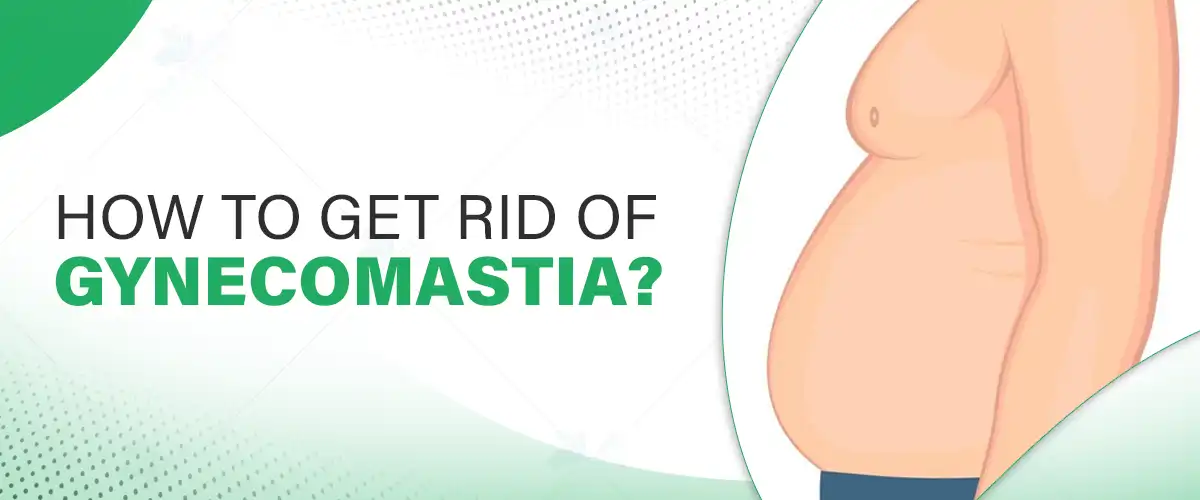
Gynecomastia, commonly known as enlarged male breasts, is a condition that affects many men, leading to physical discomfort and emotional distress. It occurs due to an imbalance of hormones, specifically an increase in estrogen or a decrease in testosterone. While gynecomastia is not a serious medical condition, it can significantly impact self-esteem and confidence. Understanding the best gynecomastia treatment options is essential to effectively manage and eliminate the condition. For those seeking medical intervention, consulting the best plastic surgery hospital can ensure expert care and optimal results.
Get a professional evaluation and discuss the best treatment options tailored to your needs. Call now at +91 9667064100.
Gynecomastia is the enlargement of male breast tissue caused by hormonal imbalances. It results in a noticeable swelling or lump under the nipple, which may feel tender or sore. Unlike chest fat, which is caused by excess adipose tissue, gynecomastia involves the growth of glandular breast tissue, often requiring targeted treatment methods.
While gynecomastia and chest fat may appear similar, they have distinct causes and require different treatment approaches:
Several factors contribute to the development of gynecomastia:
For individuals looking for how to treat gynecomastia naturally, incorporating exercise, dietary changes, and lifestyle modifications can be effective.
One of the most effective gynecomastia treatment options includes a combination of strength training and cardiovascular exercises.
When natural methods fail to yield results, medical interventions may be necessary. Here’s how to treat gynecomastia using medical treatments:
For persistent or severe gynecomastia, surgery is often the most effective treatment. Some of the best treatment options include:
The cost of gynecomastia surgery varies based on the severity of the condition, the expertise of the surgeon, and the hospital. Recovery typically takes a few weeks, with minimal scarring when performed by skilled surgeons at the best plastic surgery hospital.
While mild cases of gynecomastia may resolve on their own, it is essential to seek medical attention if:
At Felix Hospital, experienced plastic surgeons such as Dr. Pragya Priya and Dr. Vishvendu Gaur specialize in gynecomastia treatment. They provide personalized consultations and advanced treatment options tailored to each patient’s needs.
Ready to take the next step? Schedule a consultation at Felix Hospital to explore your treatment options.
Gynecomastia can be distressing, but various gynecomastia treatment options are available, ranging from lifestyle changes to medical interventions. While natural methods can be effective in mild cases, persistent gynecomastia may require medical treatments, including medications or surgery. Consulting an expert at the best plastic surgeon in Noida can help determine the most effective course of action. If you are struggling with gynecomastia, seek professional guidance to regain confidence and improve your quality of life.
1. Can gynecomastia go away on its own?
Ans. Mild cases, especially those during puberty, often resolve without treatment, but persistent cases may require medical intervention.
2. Does weight loss help in treating gynecomastia?
Ans. Weight loss can help if the condition is due to excess fat (pseudogynecomastia), but true gynecomastia caused by glandular growth may not resolve without treatment.
3. How long does recovery take after gynecomastia surgery?
Ans. Recovery usually takes about 2-4 weeks, with most patients resuming normal activities within a few days.
4. Are there any non-surgical treatments for gynecomastia?
Ans. Medications like tamoxifen can help in some cases, but they are usually prescribed for severe or persistent gynecomastia.
5. What are the risks associated with gynecomastia surgery?
Ans. Risks include swelling, scarring, infection, and temporary loss of sensation in the chest area.
6. Can gynecomastia return after surgery?
Ans. Recurrence is rare but possible if the underlying hormonal imbalance is not addressed.
7. How much does gynecomastia surgery cost?
Ans. The cost varies based on the severity, hospital, and surgeon’s expertise. A consultation at Felix Hospital can provide an accurate estimate.

Plastic surgery cost in Noida depends on the procedure type, surgeon expertise, hospital infrastructure, and post-surgery care.
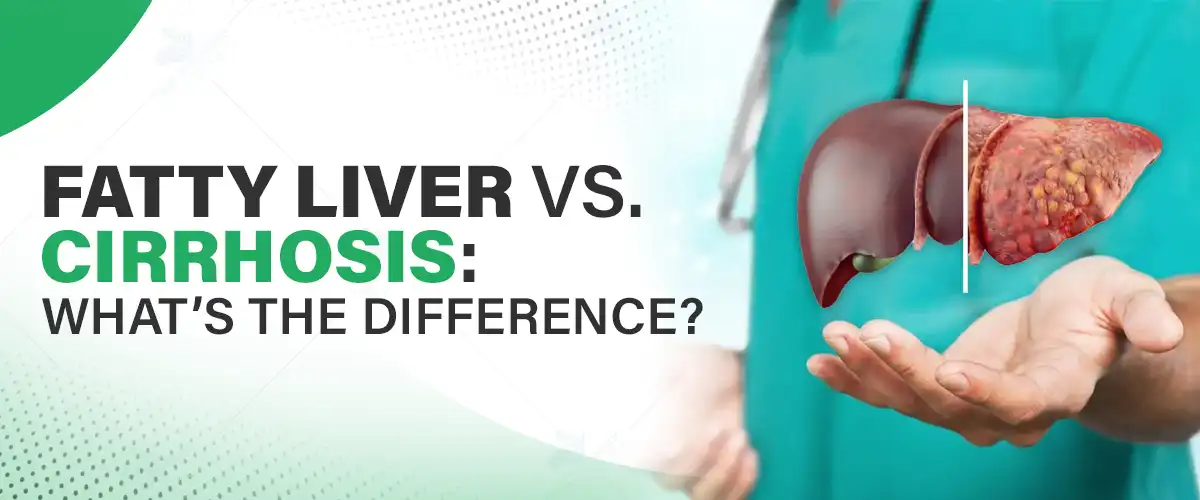
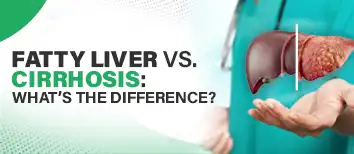
The liver is one of the most vital organs in the human body, responsible for detoxification, metabolism, and digestion. However, certain conditions like fatty liver disease and cirrhosis can severely affect liver function. Understanding the difference between fatty liver and cirrhosis is crucial for early diagnosis and effective treatment. Many patients seek care at a gastro hospital to manage these liver conditions before they progress into severe complications.
Take Control of Your Liver Health Today! Call +91 9667064100 or Book an Appointment by Clicking Here Now.
Fatty liver occurs when excess fat accumulates in liver cells. It is classified into two types:
Fortunately, fatty liver is reversible with lifestyle modifications, including diet, weight loss, and exercise.
Cirrhosis is an advanced stage of liver disease characterized by scar tissue replacing healthy liver cells, leading to permanent damage. Liver fibrosis vs. cirrhosis often confuses people; fibrosis is the initial stage of scarring, while cirrhosis is the final, irreversible stage.
| Feature | Fatty Liver | Cirrhosis |
|---|---|---|
| Cause | Fat accumulation in the liver | Scar tissue replaces healthy liver cells |
| Reversibility | Yes, with proper diet & lifestyle changes | No, but progression can be managed |
| Symptoms | Usually mild or no symptoms | Severe symptoms, including liver failure |
| Treatment | Diet, exercise, medication | Managing symptoms, possible liver transplant |
Yes, fatty liver disease can progress to cirrhosis if left untreated. The liver is a vital organ responsible for detoxification, metabolism, and overall body function. While fatty liver (hepatic steatosis) is initially a benign condition, prolonged damage can lead to liver fibrosis (scarring of liver tissue), which may eventually develop into cirrhosis.
The progression from fatty liver to cirrhosis occurs in stages:
1. Fatty Liver (Steatosis) – Excess fat accumulates in liver cells due to poor diet, alcohol consumption, or metabolic conditions. At this stage, the condition is reversible with lifestyle changes.
2. Non-Alcoholic Steatohepatitis (NASH) or Alcoholic Hepatitis – The liver becomes inflamed due to prolonged fat accumulation, leading to cellular damage.
3. Liver Fibrosis – Persistent inflammation triggers scar tissue formation, restricting blood flow and affecting liver function.
4. Cirrhosis – Extensive scarring replaces healthy liver tissue, impairing function and leading to complications such as liver failure and cancer.
Several factors contribute to the progression from fatty liver to cirrhosis:
Early detection and intervention at the hospital are crucial to preventing fatty liver from advancing to cirrhosis. If diagnosed early, lifestyle modifications and medical treatment can halt or even reverse liver damage.
Diagnosis of Fatty Liver and Cirrhosis
Doctors use a combination of tests and imaging to assess liver health and determine the extent of damage.
-Ultrasound – Identifies fat accumulation in the liver.
-MRI (Magnetic Resonance Imaging) – Provides a detailed liver structure analysis.
-FibroScan (Elastography) – Measures liver stiffness to determine fibrosis or cirrhosis.
Treatment Approaches for Fatty Liver and Cirrhosis
Treatment depends on the stage of the disease.
1. Fatty Liver Treatment (Reversible Stage)
-Healthy, balanced diet rich in fruits, vegetables, and lean proteins.
-Reduce or eliminate alcohol consumption.
-Engage in regular physical activity (at least 30 minutes a day).
-Maintain a healthy weight through controlled calorie intake.
-Insulin-sensitizing drugs (for diabetic patients).
-Lipid-lowering medications (for high cholesterol patients).
2. Cirrhosis Treatment (Irreversible Stage)
-Medications to reduce swelling, itching, and fatigue.
-Dietary modifications to limit salt intake (prevents fluid retention).
-Hepatic encephalopathy management – Preventing toxin buildup affecting brain function.
-Portal hypertension control – Medications to reduce high blood pressure in the liver.
-Varices treatment – Preventing life-threatening bleeding from liver blood vessels.
-Liver Transplant – In severe cases where cirrhosis leads to liver failure, a liver transplant may be the only option.
Preventing liver disease is easier than treating advanced cirrhosis. Follow these essential lifestyle habits to maintain optimal liver health:
If you are experiencing early symptoms of fatty liver disease or cirrhosis, seeking expert medical advice is crucial for timely diagnosis and treatment. At Felix Hospital, we are proud to have a team of highly experienced gastroenterologists dedicated to providing comprehensive liver care.
Our specialists, Dr. Jagatjot Singh Gill and Dr. Amrit Yog Datley are renowned as two gastroenterologists, offering cutting-edge diagnostics and personalized treatment plans for liver diseases. Whether you need advanced imaging, lifestyle guidance, or specialized medical care, our team ensures optimal patient outcomes with compassionate and expert-driven healthcare.
If you have risk factors for fatty liver or cirrhosis, visit Felix Hospital for a comprehensive liver health check-up. Schedule your Appointment to get expert medical care.
Understanding the difference between fatty liver and cirrhosis is essential for early diagnosis and treatment. While fatty liver is reversible with proper care, cirrhosis is a severe, irreversible condition requiring medical management. Seeking timely medical guidance at a gastro hospital can help prevent the progression of liver disease. If you have risk factors, consult a specialist for proper liver health evaluation.
1. Can fatty liver cause symptoms even if I feel fine?
Ans: Yes, many people with fatty liver disease experience no symptoms initially. However, some may notice fatigue, mild abdominal discomfort, or elevated liver enzymes during routine blood tests. Regular check-ups are essential for early detection.
2. How fast can fatty liver disease progress to cirrhosis?
Ans: The progression rate varies based on individual risk factors like obesity, alcohol consumption, and metabolic conditions. In some cases, it may take years or even decades, while in others, rapid progression occurs, especially with uncontrolled diabetes or heavy alcohol use.
3. Is liver fibrosis reversible before it turns into cirrhosis?
Ans: Yes, liver fibrosis (early-stage scarring) can be reversed with proper lifestyle modifications, including a healthy diet, exercise, weight management, and avoiding alcohol. However, once cirrhosis develops, the damage is permanent.
4. Can cirrhosis occur without alcohol consumption?
Ans: Absolutely. Non-Alcoholic Fatty Liver Disease (NAFLD) can lead to cirrhosis due to obesity, diabetes, high cholesterol, viral hepatitis, or autoimmune conditions. Alcohol is just one of many causes.
5. What are the early warning signs that fatty liver is turning into cirrhosis?
Ans: Symptoms like unexplained weight loss, persistent fatigue, swelling in the legs or abdomen, jaundice (yellow skin/eyes), and increased bruising may indicate liver scarring is worsening. Seek medical attention if these symptoms appear.
6. Can a liver function test (LFT) alone diagnose cirrhosis?
Ans: No, while LFTs can detect elevated liver enzymes, a diagnosis of cirrhosis often requires additional imaging tests like Ultrasound, MRI, FibroScan, or a Liver Biopsy to assess the extent of liver damage.
7. Are there specific foods that help reverse fatty liver disease?
Ans: Yes! A Mediterranean-style diet rich in leafy greens, berries, fatty fish (like salmon), nuts, whole grains, and olive oil can help reduce liver fat and inflammation, supporting liver recovery.
Understand the factors that influence gastric balloon surgery cost in Noida, including hospital facilities, doctor expertise, and post-procedure care.
Expert gastroenterology care for better digestive health, offering advanced diagnosis and treatment for GERD, IBS, ulcers, and liver disorders.
Understand the factors that influence endoscopy procedure cost in Noida. Learn about the types, preparation, and benefits of choosing the best multi-speciality hospital in Noida for accurate diagnosis.
Appendix surgery, also known as appendectomy, is a common emergency procedure performed to treat appendicitis.

Cataracts are a common eye condition that affects millions of people worldwide, especially as they age. They occur when the eye's natural lens becomes cloudy, leading to blurred vision and difficulty performing daily tasks. Cataract surgery is a safe and effective procedure to restore clear vision and improve quality of life.
In Noida, the demand for cataract surgery is growing, with many seeking the best hospital for cataract surgery that offers advanced technology, experienced surgeons, and affordable costs. This blog will guide you through the process of finding the right hospital, understanding the cataract surgery risks & side effects, and balancing quality with cost.
Looking for high-quality cataract surgery at a cost-effective price? Contact us at +91 9667064100 now to learn more about your treatment options and financing plans.
Cataracts are the clouding of the eye's natural lens, usually caused by aging, but they can also result from injury, diabetes, or prolonged exposure to UV rays.
How Cataracts Affect Vision
Blurred or hazy vision.
Difficulty seeing at night.
Sensitivity to light and glare.
Fading of colors.
When cataracts interfere with daily activities like reading, driving, or watching TV.
When vision loss cannot be corrected with glasses or contact lenses.
Selecting the right hospital is crucial for a successful outcome. Consider the following factors:
Look for hospitals with a strong track record in cataract surgery.
Check patient reviews and testimonials.
Ensure the hospital has experienced and skilled ophthalmologists.
Advanced technology like laser-assisted cataract surgery ensures precision and better results.
Choose a hospital that provides comprehensive care, including pre-surgery consultations and post-operative follow-ups.
Noida is home to several renowned hospitals specializing in cataract surgery. These hospitals are trusted for their state-of-the-art facilities, experienced surgeons, and patient-centric approach.
Advanced surgical techniques.
Highly skilled ophthalmologists.
Positive patient reviews and high success rates.
The cataract surgery cost in Noida varies depending on several factors:
Traditional cataract surgery: ₹20,000 to ₹40,000 per eye.
Laser-assisted cataract surgery: ₹50,000 to ₹80,000 per eye.
Type of surgery (traditional vs. laser).
Surgeon’s experience and reputation.
Hospital facilities and technology.
Includes pre-surgery tests, surgery fees, and post-operative care.
Cheaper options may compromise on quality.
Invest in a reputable hospital for better outcomes.
Check if your insurance covers cataract surgery.
Look for discounts or financing options.
Do not compromise on the surgeon’s expertise or hospital facilities.
Verify if your insurance plan covers cataract surgery.
Understand the terms and conditions.
Many hospitals offer EMI options or payment plans.
Felix Hospital is home to some of the most skilled ophthalmologists specializing in cataract surgery:
Dr. Deepanjali Arya
Known for her vast experience in advanced cataract treatments.
Combines precision with compassionate care to provide exceptional results.
Dr. Mohmad Uzair Zakai
Recognized as one of the top ophthalmologists in the region.
Expertise in cataract surgery with a patient-focused approach.
If you’re looking for the best doctor for cataract surgery, Felix Hospital is your go-to destination.
Take the first step toward restoring your vision by booking a consultation with our expert ophthalmologists at Felix Hospital.
Cataract surgery is a life-changing procedure that can restore your vision and improve your quality of life. Choosing the right hospital and surgeon is crucial for a successful outcome. While cost is an important factor, it should not come at the expense of quality.
If you’re in Noida, Felix Hospital offers world-class cataract surgery at an affordable cataract surgery cost in Noida. With experienced surgeons like Dr. Deepanjali Arya and Dr. Mohmad Uzair Zakai, you can trust us for exceptional care.
Q- What is the recovery time after cataract surgery?
ANS: Recovery from cataract surgery is typically quick. Most patients can resume normal activities within a few days, but it's essential to follow post-operative care instructions, which may include using prescribed eye drops and avoiding strenuous activities for a few weeks.
Q- Can cataract surgery be performed on both eyes at the same time?
ANS: Generally, cataract surgery is performed on one eye at a time. The second eye is usually scheduled for surgery after a few weeks, allowing the first eye to heal before the second procedure is done.
Q- What type of cataract surgery is better: traditional or laser-assisted?
ANS: Both traditional and laser-assisted cataract surgeries are safe and effective, but laser-assisted surgery tends to offer more precision and faster recovery times. It’s particularly beneficial for patients with complex cataracts.
Q- Will I need glasses after cataract surgery?
ANS: While cataract surgery restores clear vision, many patients still require reading glasses after surgery, especially if they have presbyopia (age-related difficulty focusing on near objects). Your surgeon will discuss the best lens options during the consultation.
Q- What are the risks and side effects associated with cataract surgery?
ANS: Though rare, cataract surgery risks include infection, bleeding, retinal detachment, and issues with the implanted lens. However, the majority of patients experience no significant complications and have improved vision after surgery.
Q- How can I determine if my cataract surgery will be covered by insurance?
ANS: To determine whether cataract surgery is covered by insurance, contact your insurance provider directly and inquire about the specifics of your policy. They will clarify any requirements or exclusions related to cataract surgery coverage.
Q- Are there any lifestyle changes required after cataract surgery?
ANS: After cataract surgery, you should avoid activities that could put stress on your eyes, such as heavy lifting or swimming in pools. Additionally, wearing sunglasses to protect your eyes from UV light and keeping up with regular eye exams are essential for long-term eye health.
Cataract surgery is essential to restore clear vision and prevent permanent blindness. It removes the cloudy lens and replaces it with an artificial one, helping patients regain normal sight and quality of life.
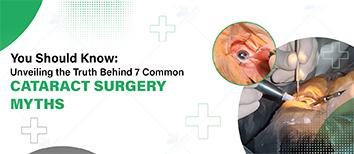
Cataract surgery can be a life-changing procedure, restoring clarity and enhancing the quality of life for those affected by cataracts.

As cataracts progress, they scatter and block light, leading to vision issues.
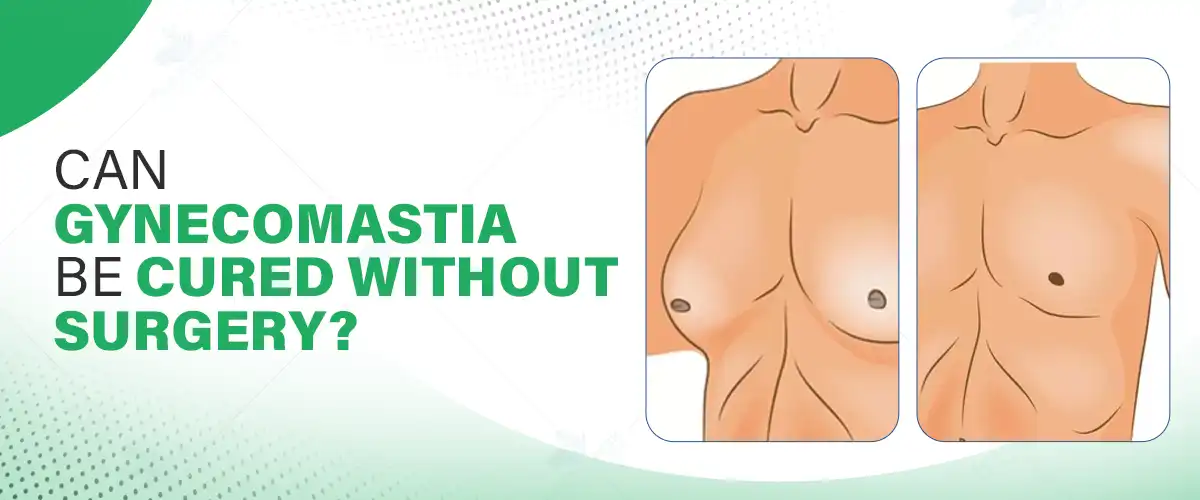
Gynecomastia, commonly known as enlarged male breast tissue, is a condition that affects many men, leading to discomfort and self-consciousness. It occurs due to an imbalance between estrogen and testosterone levels, often influenced by factors such as obesity, medications, or underlying health conditions. While gynecomastia treatment without surgery is possible in many cases, some severe instances may require surgical intervention.
For those seeking treatment in India, Felix Hospital is known as the best plastic surgery hospital offering expert care and treatment options for gynecomastia. But before considering surgery, let's explore non-surgical treatment options and whether they can effectively cure gynecomastia.
Discover the best gynecomastia treatment without surgery. Schedule a consultation now by Calling +91 9667064100.
To determine the best gynecomastia treatment without surgery, it is crucial to understand its root causes:
1. Hormonal Imbalance
Hormonal fluctuations, particularly an increase in estrogen or a decrease in testosterone, can lead to gynecomastia. These imbalances can occur naturally during puberty or due to aging.
2. Medications
Certain medications, such as anabolic steroids, anti-androgens, antidepressants, and some heart and ulcer drugs, may contribute to gynecomastia by altering hormone levels.
3. Obesity
Excess fat, especially around the chest area, can mimic gynecomastia, known as pseudo-gynecomastia. Fat accumulation can also lead to increased estrogen production, worsening the condition.
4. Medical Conditions
Underlying health issues like liver disease, kidney failure, thyroid disorders, and tumors can disrupt hormone balance, leading to gynecomastia.
Many cases of gynecomastia can be managed through non-surgical means. Here are the most effective gynecomastia treatment without surgery options:
1. Dietary Changes
2. Exercise Routine
3. Stress Management
In some cases, medications can be an effective gynecomastia treatment without surgery.
1. Hormone Therapy
Compression garments offer a temporary, non-invasive solution to conceal gynecomastia, boosting confidence while undergoing non-surgical treatment.
While gynecomastia treatment without surgery is effective for many, certain cases require surgical intervention:
In such cases, consulting a skilled plastic surgeon is advisable to explore surgical options like liposuction or gland removal.
Felix Hospital in Noida is home to some of the best plastic surgeons specializing in gynecomastia treatment. If surgery becomes necessary, Dr. Pragya Priya and Dr. Vishvendu Gaur are the top specialists providing expert care and personalized treatment plans.
Dr. Pragya Priya is a renowned plastic and reconstructive surgeon with expertise in treating gynecomastia using advanced surgical techniques. She is known for her precision and a patient-centric approach, ensuring minimal scarring and fast recovery.
Dr. Vishvendu Gaur is another esteemed plastic surgeon at Felix Hospital, specializing in body contouring and gynecomastia surgery. His extensive experience and dedication make him a trusted choice for patients seeking the best results.
For those looking for gynecomastia treatment without surgery, these specialists also offer personalized non-surgical treatment plans, ensuring patients receive the most effective solution.
Get expert consultation today and Book an appointment with the best plastic surgeons at Felix Hospital.
Gynecomastia can often be treated without surgery through lifestyle changes, medication, and natural remedies. However, in severe or persistent cases, surgery might be the best solution. Early intervention and consultation with a specialist increase the chances of successful treatment.
If you’re seeking the best plastic surgery hospital for gynecomastia treatment, Felix Hospital in Noida offers expert care with Dr. Pragya Priya and Dr. Vishvendu Gaur, ensuring safe and effective results. Consult a specialist today to determine the best approach for your condition.
1. Can gynecomastia go away on its own without treatment?
Ans: Mild cases of gynecomastia, especially those caused by puberty, may resolve on their own within a few months to a couple of years. However, persistent cases may require lifestyle changes, medication, or surgical intervention.
2. What foods should I avoid to prevent gynecomastia from worsening?
Ans: Avoid processed foods, sugary beverages, alcohol, and soy-based products, as they can contribute to hormonal imbalances and increased estrogen levels, worsening gynecomastia.
3. How effective are workouts in reducing gynecomastia?
Ans: Targeted chest exercises and overall fat loss can help reduce pseudo-gynecomastia (fat accumulation in the chest). However, true gynecomastia caused by glandular growth may not respond significantly to exercise alone.
4. Are there any medications that can completely reverse gynecomastia?
Ans: Medications like Tamoxifen, Raloxifene, and Aromatase Inhibitors can help reduce breast tissue growth in some cases, but they may not work for everyone. Consulting a doctor is essential before starting any medication.
5. Is gynecomastia linked to serious health problems?
Ans: While gynecomastia itself is not life-threatening, it can be a symptom of underlying conditions such as liver disease, thyroid disorders, or hormonal imbalances that need medical attention.
6. How do I know if I have true gynecomastia or just excess chest fat?
Ans: True gynecomastia is characterized by firm or rubbery glandular tissue under the nipple, while pseudo-gynecomastia is soft and mainly composed of fat. A medical examination or ultrasound can confirm the diagnosis.
7. When should I consider surgery for gynecomastia?
Ans: Surgery is recommended when gynecomastia persists despite lifestyle changes and medication, causes psychological distress, or results in hardened breast tissue that won’t shrink naturally.
Plastic surgery cost in Noida depends on the procedure type, surgeon expertise, hospital infrastructure, and post-surgery care.

Joint health plays a crucial role in maintaining mobility and overall well-being. In hot weather, joints can become more susceptible to dehydration, inflammation, and stiffness, making it essential to focus on proper hydration and nutrition. A well-balanced diet and sufficient water intake can help keep joints lubricated, reducing discomfort and preventing long-term damage. Consulting experts at the best orthopedic hospital in Noida can provide personalized guidance on maintaining strong joints during extreme temperatures.
Struggling with joint pain in hot weather? Call now at +91 9667064100 or visit our website to schedule an appointment!
Synovial fluid is responsible for cushioning and lubricating the joints, allowing smooth movement. Dehydration reduces the production of this fluid, leading to joint stiffness and increased friction, which can cause discomfort and pain.
Hot weather can lead to excessive sweating, which depletes the body's fluid levels. This can result in joint inflammation and stiffness, making movements more difficult and painful, especially for those with arthritis or other joint-related conditions.
Conditions like gout, osteoarthritis, and rheumatoid arthritis may worsen in hot weather. Increased uric acid levels, combined with dehydration, can lead to more frequent flare-ups and joint discomfort.
Role of Water in Maintaining Cartilage and Synovial Fluid
Water is essential for keeping cartilage hydrated and maintaining optimal levels of synovial fluid. Proper hydration ensures that joints function smoothly and reduces wear and tear.
Signs of Dehydration Affecting Joints
Recommended Daily Water Intake
Depending on climate and activity levels, adults should consume at least 8-12 glasses of water daily. Those who exercise or spend time in hot weather should increase their intake accordingly.
Best Hydrating Fluids
A proper diet is essential for reducing joint pain and inflammation. Here are the best foods for joint health that can help strengthen joints and keep them hydrated.
Hydrating Foods
Anti-Inflammatory Foods
Joint-Strengthening Nutrients
Certain foods can contribute to dehydration and inflammation, worsening joint pain. People looking to improve joint health should avoid:
For personalized nutrition advice, seeking nutrition diet services can help in creating a diet plan that supports joint health while preventing discomfort.
For optimal joint health, strength, and flexibility, consult these top nutrition specialists who can help you create the perfect diet plan:
These specialists can guide you in the best foods for joint health, effective hydration strategies, and advanced orthopedic treatments to keep your joints strong and pain-free.
Want a personalized diet plan for joint health? Book a consultation with leading orthopedic specialists for expert guidance on hydration and joint-friendly nutrition.
Hydration and diet are key factors in maintaining strong and pain-free joints, especially in hot weather. Consuming the best foods for joint health and staying well-hydrated can prevent joint stiffness and discomfort. By making simple lifestyle changes and consulting specialists at the hospital in Noida, individuals can enjoy better mobility and joint health even in extreme heat conditions. Prioritizing hydration and a balanced diet will not only improve joint function but also enhance overall well-being.
1. Why do my joints feel stiff even when I drink enough water?
Ans: While hydration is crucial, joint stiffness can also be due to poor circulation, lack of movement, or underlying conditions like arthritis. Combining hydration with joint-friendly exercises and an anti-inflammatory diet can help.
2. Can excessive sweating in hot weather worsen joint pain?
Ans: Yes, excessive sweating can lead to electrolyte loss and dehydration, reducing synovial fluid and making joints stiff. Replenishing with electrolyte-rich drinks and hydrating foods is essential.
3. Are cold or warm fluids better for joint hydration in summer?
Ans: Room-temperature or slightly warm fluids are better as they are absorbed more efficiently. Ice-cold drinks can sometimes cause muscle constriction and discomfort.
4. Does consuming dairy help or worsen joint inflammation?
Ans: It depends. Low-fat dairy can strengthen bones with calcium and vitamin D, but full-fat dairy or processed dairy may trigger inflammation in some people, especially those with lactose intolerance.
5. How do I know if my joint pain is caused by dehydration or arthritis?
Ans: Dehydration-related joint pain usually improves after drinking fluids and resting, while arthritis pain persists and may worsen with humidity. A consultation with an orthopedic expert can clarify the cause.
6. Are plant-based alternatives like almond or soy milk good for joint health?
Ans: Yes! Fortified plant-based milk provides calcium, vitamin D, and magnesium, essential for strong bones and joints. Opt for unsweetened versions to avoid added sugars.
7. How can I balance hydration without over-drinking water?
Ans: Instead of forcing excessive water intake, include hydrating foods like cucumbers, watermelon, and citrus fruits. Herbal teas and coconut water are great alternatives to maintain hydration without overloading the kidneys.
Orthopedics is a specialized branch that takes care of your musculoskeletal problems related to joints, bones, muscles, spine, ligaments, and tissues.
Heart disease remains one of the leading causes of death worldwide, claiming millions of lives each year. The good news is that many heart diseases are preventable through early lifestyle modifications and proactive health management. By understanding and addressing key risk factors, you can significantly reduce your risk of heart disease and improve your overall well-being.
If you’re looking for the best heart hospital in Noida, Felix Hospitals offers comprehensive care and expert guidance to help you maintain a healthy heart. In this blog, we’ll explore five essential factors you can manage to protect your heart and share strategies to prevent heart disease.
Get a comprehensive heart check-up at Felix Hospitals and receive personalized care from the best cardiologists in Noida. Contact us today at +91 9667064100.
Heart disease remains one of the leading causes of death worldwide, but the good news is that many risk factors are manageable. By making the right lifestyle choices, you can significantly improve your heart health. Here are five essential factors to focus on:
Nutrition plays a critical role in heart health. A balanced diet can help lower cholesterol, control blood pressure, and maintain a healthy weight.
Best Heart-Healthy Foods
Foods to Avoid
Importance of Hydration
Drinking plenty of water helps maintain blood volume and supports overall heart function.
Regular exercise strengthens the heart, improves circulation, and helps manage weight.
Recommended Physical Activities
Simple Ways to Stay Active
Chronic stress can lead to high blood pressure, inflammation, and other heart-related issues.
Techniques for Stress Management
Importance of Work-Life Balance and Sleep
High blood pressure and cholesterol are major risk factors for heart disease.
Why Monitoring is Important
Lifestyle Modifications
Medications (if prescribed)
Follow your doctor’s advice and take prescribed medications as directed.
5. Quit Smoking & Limit Alcohol Intake
Smoking and excessive alcohol consumption are harmful to your heart.
How Smoking Damages the Heart
Benefits of Quitting Smoking
Effects of Excessive Alcohol
Recommended Safe Alcohol Limits
At Felix Hospitals, we have a team of highly skilled cardiologists and dieticians dedicated to your heart health.
Best Cardiologists in Noida
Dieticians at Felix Hospitals
Book a consultation with our expert cardiologists at Felix Hospitals and start your journey towards a healthier heart.
Reducing your risk of heart disease is within your control. By maintaining a healthy diet, staying physically active, managing stress, controlling blood pressure and cholesterol, and quitting smoking, you can take proactive steps toward a healthier heart.
Regular health check-ups are essential for early detection and prevention. If you’re in Noida, Felix Hospitals offers world-class care at an affordable heart treatments cost in Noida. Consult our experts today and take charge of your heart health!
1. Can stress alone cause heart disease, even if I have a healthy lifestyle?
Ans: Yes, chronic stress can lead to inflammation, high blood pressure, and irregular heart rhythms, increasing your risk of heart disease even if you eat well and exercise regularly.
2. How do I know if my cholesterol and blood pressure are within a healthy range?
Ans: Regular screenings are essential. Ideally, total cholesterol should be below 200 mg/dL, and blood pressure should be around 120/80 mmHg. Your doctor can provide specific targets based on your health condition.
3. Is it safe to drink alcohol if I have high blood pressure?
Ans: Moderation is key. Excessive alcohol intake can raise blood pressure and lead to heart complications. Stick to recommended limits-up to 2 drinks per day for men and 1 for women.
4. What are some heart-friendly alternatives to processed snacks?
Ans: Opt for unsalted nuts, fresh fruits, yogurt, whole-grain crackers, or homemade trail mix instead of chips or sugary snacks. These options are nutrient-dense and support heart health.
5. How soon can I see improvements in my heart health after quitting smoking?
Ans: Within 20 minutes of quitting, your heart rate and blood pressure begin to drop. After a year, your risk of coronary heart disease is cut in half. Long-term benefits continue to accumulate.
6. Are herbal supplements effective for managing cholesterol and blood pressure?
Ans: Some, like garlic, omega-3 fatty acids, and green tea, may offer benefits, but they should never replace prescribed medications. Always consult your doctor before taking supplements.
7. Does lack of sleep really affect heart disease risk?
Ans: Yes, insufficient sleep increases stress hormones, raises blood pressure, and contributes to obesity—key factors in heart disease. Aim for 7–8 hours of quality sleep per night.
Best heart hospital in Noida for bypass surgery at affordable prices with expert cardiac surgeons, advanced facilities, and quality patient care for better recovery.

In Noida hospitals, recognized for being among the best heart health hospitals in Noida, are at the forefront of offering critical care for heart-related issues.

Heart attack signs early is crucial because timely intervention can significantly reduce the risk of severe complications and improve outcomes.


Subscribe to our
© Copyright 2026. All Rights Reserved by Felix Healthcare Private Limited
Design and development by :


 +(91)9667064100
 Emergency : +(91)9667064100