 WhatsApp
 Emergency:
  WhatsApp

















Subscribe to our

Cancer is a life-altering diagnosis that affects millions of individuals and their families every year. The journey from diagnosis to recovery can be emotionally, physically, and financially challenging. Choosing the right cancer care center plays a pivotal role in ensuring effective treatment and support during this journey. A specialized and reliable cancer hospital in Noida or your locality can provide the expertise and resources needed to navigate this complex condition. This blog aims to guide you in selecting the best Right Cancer Care Center that aligns with your needs and priorities.
Take the first step towards personalized and effective cancer care. Contact us now to book a consultation at +91 9667064100.
1. Advanced Treatment Options
The availability of cutting-edge therapies distinguishes top-tier cancer care centers. Look for facilities offering innovative treatments such as immunotherapy, precision medicine, and robotic surgeries, which provide targeted and minimally invasive solutions to improve outcomes.
2. Multidisciplinary Teams
Comprehensive cancer treatment requires a collaborative approach. Leading centers employ teams of oncologists, radiologists, surgeons, and supportive care experts to ensure a holistic and coordinated treatment plan.
3. State-of-the-Art Facilities
Advanced diagnostic tools and treatment technologies, such as PET scans, radiation therapy, and molecular testing, are essential for effective care. Choosing a center equipped with these facilities ensures accurate diagnosis and optimal treatment.
4. Accreditation and Certifications
Accredited centers adhere to stringent standards of care and quality. Certifications from recognized organizations indicate a commitment to excellence and patient safety.
1. Diagnosis and Treatment Plan
Every cancer case is unique, requiring a personalized treatment plan tailored to the specific type and stage of cancer. Reputable centers focus on creating individualized care strategies for their patients.
2. Specialized Programs
Certain cancers, such as pediatric or rare types, require specialized expertise. Centers with dedicated programs for pediatric oncology, geriatric oncology, or rare cancer treatments are better equipped to handle specific cases.
3. Support Services
Effective cancer care goes beyond medical treatment. Look for centers offering psychological counseling, nutritional guidance, and palliative care to address the emotional and physical needs of patients.
1. Location and Accessibility
Proximity to the center is crucial for frequent visits and follow-ups. A conveniently located facility reduces travel-related stress, allowing you to focus on recovery.
2. Reputation and Reviews
Researching patient testimonials, success stories, and online reviews can provide valuable insights into the center’s quality of care and patient satisfaction.
3. Expertise of Medical Staff
Experienced doctors and support staff significantly impact treatment outcomes. Ensure the center employs board-certified oncologists and skilled healthcare professionals.
4. Financial Aspects
Understanding the cost of treatment, insurance coverage, and financial aid options is vital. Transparent communication about expenses helps in making informed decisions.
1. Innovative Diagnostic Tools
Technologies like PET scans, molecular testing, and liquid biopsies enable precise diagnosis and staging of cancer, ensuring targeted treatments.
2. Advanced Treatment Methods
Modern therapies such as proton therapy, cyberknife surgery, and CAR T-cell therapy offer effective solutions with fewer side effects, enhancing patient outcomes.
3. Telemedicine for Cancer Care
Telemedicine facilitates virtual consultations, allowing patients to access expert opinions and follow-ups without unnecessary travel.
1. Emotional and Mental Health Support
Cancer’s psychological impact is profound. Emotional support through counseling, therapy, and support groups can improve mental well-being.
2. Rehabilitation Services
Post-treatment rehabilitation, including physical and occupational therapy, helps patients regain strength and functionality.
3. Community Programs
Engaging in survivorship programs and community support initiatives helps patients rebuild their lives and fosters a sense of belonging.
At Felix Hospital, you will receive world-class cancer care from some of the best oncologists in the field. Dr. Mukta Bakshi and Dr. Vinita Kumari bring their extensive expertise and compassionate approach to provide personalized treatment plans tailored to each patient’s unique needs. With a strong focus on advanced diagnostics, cutting-edge therapies, and holistic support, they ensure the best possible outcomes for their patients. Trust Felix Hospital’s dedicated team to guide you on your journey to recovery with care and excellence.
Schedule a Consultation Today with experienced oncologists and learn about advanced treatment options tailored to your needs.
Selecting the right cancer care center is a critical step toward effective treatment and recovery. Thorough research and consideration of factors such as advanced treatment options, expert staff, and holistic support services are essential. A trusted hospital in Noida, like Felix Hospital, offers comprehensive care tailored to individual needs, ensuring the best outcomes for patients.
The journey to recovery is challenging, but choosing the Right Cancer Care Center can make all the difference. Take the first step by exploring reputed facilities that prioritize advanced treatments, compassionate care, and patient-centric approaches.
1. What types of cancer treatments are offered at advanced cancer care centers?
Ans: Advanced cancer care centers offer treatments such as immunotherapy, precision medicine, robotic surgeries, proton therapy, and CAR T-cell therapy to target cancer effectively.
2. Why is accreditation important when choosing a cancer care center?
Ans: Accreditation ensures that the center meets high standards of care, safety, and quality, providing confidence in the treatments offered.
3. How do I find a cancer care center that offers clinical trials?
Ans: Research the center's website or inquire directly about ongoing clinical trials for your specific cancer type and stage.
4. What support services should a cancer care center provide?
Ans: Look for centers offering psychological counseling, nutritional guidance, palliative care, and rehabilitation services to address holistic patient needs.
5. How do advanced technologies improve cancer diagnosis and treatment?
Ans: Technologies like PET scans, molecular testing, and cyberknife surgery enhance the accuracy of diagnosis and provide targeted, minimally invasive treatment options.
6. What should I consider when evaluating the expertise of oncologists?
Ans: Ensure that the oncologists are board-certified, experienced in treating your type of cancer, and part of a multidisciplinary team for comprehensive care.
7. What financial aid options are available for cancer treatment?
Ans: Many centers provide financial counseling, insurance assistance, and access to financial aid programs to help manage the costs of treatment.

Blood cancer affects the production and function of blood cells. Early detection, accurate diagnosis, and advanced treatments significantly improve survival rates and patient outcomes in Noida and beyond.
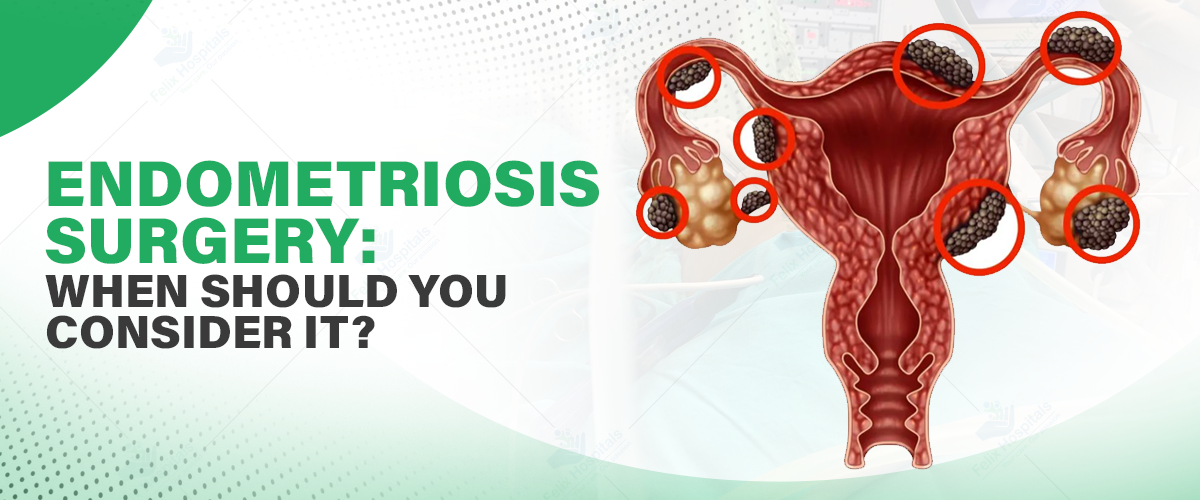
Endometriosis is a chronic illness in which tissue resembling the lining of the uterus grows outside of the uterus, causing pain, heavy menstrual flow, and even infertility. Happily, many treatments are possible, including laparoscopy and laparotomy, not only useful in diagnosis but also in the treatment of the disease.
The decision between these procedures is based on the severity of your illness, symptoms, and general well-being. Laparoscopy, an open surgery, is usually the most preferred procedure to diagnose and cure mild and moderate endometriosis, as it requires minimal incisions and has faster recovery. Laparotomy, which is a more invasive procedure, can be done in extreme cases when more extensive parts of endometriosis are to be excised.
Getting treated in a highly rated hospital nearby guarantees experienced gynecologists, advanced equipment, and customized treatment. With the guidance of experienced professionals, you can select the best treatment methods to overcome symptoms and enhance your lifestyle.
If you want to undergo laparoscopic surgery or require a second opinion, our experienced professionals are at your service. Call us today at +91 9667064100.
Endometriosis surgery is a surgical intervention for the diagnosis and treatment of endometriosis, a condition in which tissue that is like the lining of the uterus is found outside the uterus. The displaced tissue may lead to pain, inflammation, and infertility, and therefore some women must have surgery for endometriosis.
Endometriosis surgery in the majority of instances is not extensive. Classic surgery involved an open operation (large abdominal incision) to excise endometriotic tissue. Advances in medical technology in recent times made a minimally invasive laparoscopic procedure the standard approach. This operation involves a small incision, reducing recovery time and complications over an open operation.
Treatment for endometriosis involves surgery to remove endometriotic tissue to ease symptoms and enhance quality of life. Two methods are used:
Your case will be assessed by a healthcare provider, who will decide if surgery is the right choice for you. Surgery to treat endometriosis is advised when:
Surgery is a great option for symptom improvement and enhanced fertility. At the best hospital for endometriosis will advise the most appropriate methods of treatment for your specific situation after consultation.
Having the right preparation is important to keep the surgical process and recovery a success. The best gynecology hospital in Noida will instruct you with personal instructions, but standard preoperative instructions are:
Endometriosis surgery is usually done using laparoscopy, but in more serious cases, laparotomy may be used. This is what occurs when undergoing laparoscopic surgery, the most typical procedure:
Recovery time will vary depending on the procedure done:
Your healthcare provider will provide detailed post-operative care instructions to support healing and minimize discomfort. Always follow their advice for optimal recovery and long-term symptom relief.
For the majority of patients, endometriosis surgery yields substantial relief from pain through removal or destruction of endometrial lesions. In about 20% of patients, though, complete relief may not be felt and further medical interventions may be needed. Even in surgical responders, recurrence of pain with the passage of time is a possibility.
The likelihood of recurrence of endometriosis following surgery is based on:
New or newly developed lesions may occur following surgery, rendering it challenging whether the disease is recurrent or still in its growing phase. Recurrent symptoms may reflect new lesions rather than recurrence of the original ones.
Laparoscopy trumps laparotomy in that:
Laparotomy, which is a more open invasive operation, is reserved only for emergencies of serious type where laparoscopy is not feasible.
Although surgery for endometriosis is usually safe, potential risks and complications are:
While surgery and medication are relief for most, outcomes of treatment differ. Researchers continue to investigate new treatments, including the immune system in the process of endometriosis.
Call your doctor if you have:
Endometriosis can be treated with surgery, which has a life-altering improvement in quality of life, but follow-up and continuing care are required for long-term relief and symptom control. Always adhere to your doctor's instructions for the optimum result.
At Felix Hospital, we realize the dilemma of endometriosis and the need for specialist care in its diagnosis and treatment. Our specialists in the gynecology department are equipped to carry out advanced endometriosis surgery, providing relief from symptoms and enhancing reproductive health.
These experts are committed to offering customized treatment plans, such as minimal invasive laparoscopic surgery, to successfully treat endometriosis. In case you require surgery or prolonged treatment, our experts are here to offer caring and holistic care.
Take Control of Your Endometriosis Today! Let Pain and Discomfort Not Hold You Back. Book an Appointment with Our Experienced Gynecologists at Felix Hospital.
Endometriosis is a multifactorial condition which requires strict treatment, diagnostic process, and chronic upkeep. As much as medication can control the symptoms, most particularly for lesser symptoms, the best method to tackle it when individuals have severe symptoms or a problem with conception is surgery. Laparoscopy, nevertheless, is the superior method in spite of or rather because it is minimally invasive, offers a quicker healing rate, and less chance for complications compared to open surgery.
Trained gynecologists at Felix Hospital work towards offering the best treatment with the best surgical techniques for maximum benefits to the patient. Whether you are searching for relief from pelvic pain, facing infertility issues, or require endometriosis treatment, our experts will guide you throughout the process. In addition, we recognize the value of keeping healthcare expenses in check, and we work to provide clear costs for Endometriosis Surgery, including endometriosis surgery.
1. Can endometriosis surgery help me get pregnant?
Ans: Yes, for most people with endometriosis-related infertility, laparoscopic surgery can be beneficial by removing lesions and adhesions that can block reproductive organs. The success rate, however, depends on several factors, such as the severity of the condition and the general state of fertility in the patient.
2. How long does it take to recover from laparoscopy for endometriosis?
Ans: Most people recover within 1-2 weeks of laparoscopic surgery, and some can return to work and other usual activities within this time. Full recovery, however, takes several months, depending on the extent of more extensive removal of the tissues.
3. Is laparoscopy always better than laparotomy in the management of endometriosis?
Ans: Laparoscopy is generally the first choice as it is less invasive, recovery time is shorter, and it is associated with fewer complications. Laparotomy can sometimes be indicated in more severe cases where larger quantities of endometriotic lesions need to be excised or laparoscopy cannot be done.
4. Is endometriosis surgery a cause of permanent relief of symptoms?
Ans: Although surgery can be very effective in relieving symptoms, endometriosis can recur in some women, especially when the condition is extensive. Hormonal therapy can be prescribed post-surgery to minimize recurrence.
5. What are the complications of surgery for endometriosis?
Ans: Although generally safe, complications can include infection, bleeding, damage to nearby organs, and anesthetic sensitivity. Telling your doctor about your medical history and concerns before surgery can help reduce these complications.
6. What if endometriosis surgery doesn't eliminate my symptoms?
Ans: In a few cases, surgery won't completely eliminate symptoms, or symptoms will recur after a period of time. If this happens, other treatments like hormone therapy, pain control, or re-surgery might be suggested.
7. How soon can I go back to work after endometriosis surgery?
Ans: For laparoscopy, recovery for most people is 1-2 weeks depending on the type of work. If you have heavy physical work, you will be out for an extended period of time. For laparotomy, recovery takes longer and extended rest before you can get back to work.
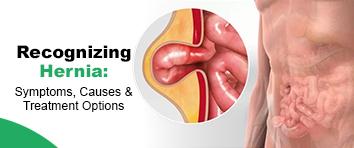
A hernia typically occurs due to a combination of muscle weakness and strain. This can happen from factors such as aging, injury, heavy lifting, chronic coughing, or conditions like pregnancy and obesity.
Turner Syndrome can impact fertility and reproductive health, causing challenges with ovarian function, hormone production, and pregnancy for affected women.

The connection between diet and mental health is profound yet often overlooked. What we eat influences not just our physical health but also our emotional well-being. A balanced diet, such as the MIND diet or a mental health diet, can help alleviate symptoms of anxiety, depression, and other mood disorders. According to research, individuals who consume nutrient-dense diets are 25–30% less likely to suffer from mental health issues compared to those who rely on processed and high-sugar foods.
This highlights the vital role of a brain health diet in managing anxiety and fostering mental wellness. If you're looking for anxiety treatment nearby, consider consulting with mental health experts who can guide you toward both dietary adjustments and therapeutic approaches to improve your emotional health.
Contact us at +91 9667064100 now to start your journey toward better mental health through a balanced diet.
The relationship between our gut and brain, known as the gut-brain axis, plays a crucial role in regulating emotions and cognitive functions. A healthy gut, supported by the right nutrients, fosters the production of neurotransmitters like serotonin, which is responsible for feelings of happiness and relaxation.
On the other hand, deficiencies in essential nutrients such as omega-3 fatty acids, B vitamins, and magnesium can exacerbate anxiety, depression, and mood swings. Diets specifically designed to improve mental health, such as the MIND diet or a targeted depression diet, aim to fill these nutritional gaps, reducing mental health challenges significantly.
Incorporating specific nutrients into your brain health diet is essential to boost mental well-being.
For optimal results, your mental health diet should focus on whole, nutrient-dense foods.
Certain foods can negatively impact your mental health, exacerbating anxiety and mood disorders.
Regular meals are important in blood sugar regulation, which affects energy and mood. Skipping food or eating too much causes irritability and fatigue. Water is also as important, assisting the brain and managing stress. Herbal teas, healthy broths, and fruit with water flavor are perfect for hydration when on a mental health diet.
For an overall mental well-being plan, try to use nutrition diet services that will assist you in developing a personalized eating plan for physical and emotional health. Such services can provide you with customized recommendations to improve your diet and manage stress, anxiety, and other mental well-being issues.
Adopting a balanced diet offers more than just anxiety relief. It can improve sleep quality, enhance concentration, and boost energy levels. A mental health diet like the MIND diet also reduces the risk of neurodegenerative diseases, promoting long-term cognitive health.
While adopting a balanced diet, such as a brain health diet, MIND diet, or depression diet, can significantly improve mental health, it may not always suffice for everyone. If you experience persistent symptoms, consulting with a dietician or mental health professional is essential for a personalized and effective plan tailored to your needs.
At Felix Hospital, we pride ourselves on having a team of expert dieticians who specialize in improving mental health and overall well-being. Our dedicated professionals include Dr. Pooja Yadav, and Dr. Shivani Ahlawat. They are committed to guiding you on your journey to better mental health through tailored dietary strategies that align with your unique health goals.
Let us create a personalized diet plan that works for you! Schedule a consultation with the expert dieticians at Felix Hospital today.
A balanced diet plays a pivotal role in improving mental health and reducing anxiety. Incorporating principles from a brain health diet, MIND diet, or depression diet can transform your well-being. Small, sustainable dietary changes, coupled with guidance from professionals, can pave the way to a healthier, happier life. Take the first step today—your mental health deserves it.
1. Can the MIND diet help with both anxiety and depression?
Ans: Yes, the MIND diet emphasizes brain-healthy foods like leafy greens, nuts, and whole grains, which support neurotransmitter production and reduce inflammation, helping alleviate symptoms of both anxiety and depression.
2. How quickly can I see improvements in mental health with dietary changes?
Ans: Results vary, but some people notice reduced anxiety and better mood within a few weeks of adopting a brain health diet or MIND diet. Consistency is key for long-term benefits.
3. Are there specific foods in a depression diet that boost serotonin levels?
Ans: Yes, foods like salmon (rich in omega-3 fatty acids), bananas (high in magnesium), and yogurt (probiotics) help enhance serotonin production, improving mood and reducing depression symptoms.
4. Can a mental health diet reduce the risk of neurodegenerative diseases like Alzheimer’s?
Ans: Absolutely. The MIND diet focuses on foods that protect brain health, such as berries and leafy greens, which are shown to lower the risk of cognitive decline and Alzheimer’s disease.
5. Is it possible to follow a brain health diet on a budget?
Ans: Yes, affordable options like seasonal fruits, frozen vegetables, whole grains, and legumes provide essential nutrients for brain health without breaking the bank. Meal planning can further reduce costs.
6. Can children and teens benefit from a mental health diet?
Ans: Definitely. A diet rich in omega-3s, whole grains, and fresh produce supports healthy brain development and emotional well-being, making it ideal for all age groups.
7. Should I avoid all caffeine if I have anxiety?
Ans: Not necessarily. While excess caffeine can worsen anxiety, moderate consumption, especially from green tea, which contains calming compounds like L-theanine, can be beneficial.

Balanced diet is key to good health. Learn its definition, importance, and how it helps in maintaining energy, immunity, and overall well-being.

ऑब्सट्रक्टिव स्लीप एपनिया एक गंभीर लेकिन प्रबंधनीय विकार है। इसके लक्षणों को पहचानकर और उचित चिकित्सा सहायता लेकर इसे नियंत्रित किया जा सकता है। जीवनशैली में सुधार और सही निदान से न केवल नींद की गुणवत्ता बढ़ाई जा सकती है, बल्कि दीर्घकालिक स्वास्थ्य समस्याओं से भी बचा जा सकता है। यदि आपको या आपके किसी प्रियजन को ओएसए के लक्षण दिख रहे हैं, तो शीघ्र डॉक्टर से परामर्श लेना आवश्यक है। अवरोधक स्लीप एपनिया उपचार के लिए सर्वश्रेष्ठ अस्पताल (Best Hospital for Obstructive Sleep Apnea Treatment) का चयन करके आप विशेषज्ञ चिकित्सा सहायता प्राप्त कर सकते हैं, जिससे आपकी नींद और संपूर्ण स्वास्थ्य में सुधार हो सके।
ज्यादा जानकारी के लिए हमें कॉल करें +91 9667064100.
ऑब्सट्रक्टिव स्लीप एपनिया को लेकर अक्सर पूछे जाने वाले और उनके उत्तर (Frequently asked questions and answers about obstructive sleep apnea)
ऑब्सट्रक्टिव स्लीप एपनिया (ओएसए) एक नींद से जुड़ी समस्या है, जिसमें सोते समय व्यक्ति की सांस बार-बार रुकती और शुरू होती रहती है। यह तब होता है जब गले की मांसपेशियां आराम की स्थिति में आकर ऊपरी श्वसन मार्ग को अवरुद्ध कर देती हैं, जिससे सांस लेने में रुकावट आती है। ऑब्सट्रक्टिव स्लीप एपनिया (ओएसए) एक गंभीर लेकिन इलाज योग्य समस्या है। यदि आपको जोर से खर्राटे आने, दिन में अत्यधिक नींद महसूस होने, सुबह सिरदर्द होने या रात में सांस रुकने जैसी समस्याएं हों, तो डॉक्टर से सलाह लेना आवश्यक है।
यदि स्लीप स्टडी में ओएसए की पुष्टि होती है, तो इलाज में लाइफस्टाइल बदलाव, सीपीएपी थेरेपी, ओरल एप्लायंसेस और जरूरत पड़ने पर सर्जरी शामिल की जाती है यह एक स्लीप डिसऑर्डर है, जिसमें नींद के दौरान सांस बार-बार रुकती और फिर से शुरू होती है। यह आमतौर पर तब होता है जब गले की मांसपेशियां शिथिल होकर श्वसन मार्ग को अवरुद्ध कर देती हैं। अनुपचारित ओएसए हृदय रोग, उच्च रक्तचाप, डायबिटीज और मानसिक स्वास्थ्य समस्याओं का कारण बन सकता है।
ओएसए का निदान स्लीप स्टडी (पॉलीसोम्नोग्राफी) और होम स्लीप टेस्ट से किया जाता है।
ओएसए विकसित होने के कई कारण हो सकते हैं, जिनमें शारीरिक विशेषताएं, मौजूदा स्वास्थ्य स्थितियां और जीवनशैली से जुड़े कारक शामिल हैं।
यदि ओएसए का समय पर इलाज न किया जाए, तो यह कई गंभीर स्वास्थ्य समस्याओं का कारण बन सकता है। यह न केवल शारीरिक स्वास्थ्य, बल्कि मानसिक स्वास्थ्य और दैनिक जीवन की गुणवत्ता को भी प्रभावित कर सकता है।
ओएसए को नियंत्रित करने के लिए जीवनशैली में बदलाव, सही नींद की आदतें और चिकित्सीय उपचार जरूरी हैं। हल्के मामलों में लाइफस्टाइल में बदलाव मदद कर सकता है, जबकि गंभीर ओएसए के लिए चिकित्सीय हस्तक्षेप की आवश्यकता होती है।
हमारे ईएनटी विशेषज्ञ उन मरीजों के लिए विश्व-स्तरीय देखभाल प्रदान करने के लिए समर्पित हैं जिन्हें ऑब्सट्रक्टिव स्लीप एपनिया का इलाज चाहिए। चाहे आप नोएडा सेक्टर 137 में हों या ग्रेटर नोएडा गामा 1 में, फेलिक्स हॉस्पिटल्स में आपको ऑब्सट्रक्टिव स्लीप एपनिया उपचार के लिए सर्वश्रेष्ठ डॉक्टर मिलेंगे, जो विशेषज्ञ देखभाल और एक सहज रिकवरी यात्रा सुनिश्चित करते हैं।
हमारे विशेषज्ञ ईएनटी सर्जन में शामिल हैं:
एक समर्पित पेशेवर टीम के साथ, Felix Hospital यह सुनिश्चित करता है कि आप ऑब्सट्रक्टिव स्लीप एपनिया के उपचार के दौरान उच्चतम मानकों की देखभाल प्राप्त करें।
ज्यादा जानकारी के लिए हमें कॉल करें +91 9667064100.
ऑब्सट्रक्टिव स्लीप एपनिया (ओएसए) एक गंभीर लेकिन प्रबंधनीय स्थिति है, जो नींद की गुणवत्ता, हृदय स्वास्थ्य, मानसिक स्वास्थ्य और कार्यक्षमता को प्रभावित कर सकती है। यदि समय पर इसका निदान और इलाज न किया जाए, तो यह उच्च रक्तचाप, हृदय रोग, स्ट्रोक और डायबिटीज जैसी समस्याओं का कारण बन सकता है। ओएसए का जल्द निदान और सही इलाज से न केवल नींद की गुणवत्ता में सुधार होता है, बल्कि हृदय रोग, उच्च रक्तचाप और मानसिक स्वास्थ्य समस्याओं से भी बचाव किया जा सकता है। यदि आप नोएडा में अवरोधक स्लीप एपनिया उपचार लागत (obstructive sleep apnea treatment cost in Noida) के बारे में जानना चाहते हैं, तो उचित इलाज के लिए विशेषज्ञ डॉक्टर से परामर्श करना महत्वपूर्ण है।
1. ओएसए का निदान कैसे किया जाता है ?
उत्तरः ओएसए के निदान के लिए डॉक्टर पॉलिसोम्नोग्राफी टेस्ट करते हैं। यह एक रातभर चलने वाला टेस्ट होता है जिसमें नींद के दौरान शारीरिक गतिविधियों को मॉनिटर किया जाता है। होम स्लीप एपनिया टेस्ट भी किया जाता है। यह एक सरल और पोर्टेबल टेस्ट है जो घर पर किया जा सकता है।
2. क्या ओएसए गंभीर हो सकता है ?
उत्तरः हां, अगर इसे अनुपचारित छोड़ दिया जाए, तो यह हाई ब्लड प्रेशर, हार्ट डिजीज, स्ट्रोक, डायबिटीज और दुर्घटनाओं (नींद में झपकी आने के कारण) का कारण बन सकता है।
3. क्या बच्चे भी ओएसए से प्रभावित हो सकते हैं ?
उत्तरः हां, बच्चे भी ओएसए से प्रभावित हो सकते हैं, विशेष रूप से अगर उन्हें बड़े टॉन्सिल या एडेनॉइड्स की समस्या हो। बच्चों में ओएसए के लक्षण वयस्कों से अलग हो सकते हैं, जैसे कि ध्यान केंद्रित करने में परेशानी, खराब स्कूल परफॉर्मेंस और हाइपरएक्टिविटी।
4. ओएसए से बचाव के लिए क्या किया जा सकता है ?
उत्तरः हां, जरूरी है कि स्वस्थ वजन बनाए रखें। नियमित व्यायाम करें। सोने से पहले शराब और धूम्रपान से बचें। नींद की सही दिनचर्या अपनाएं। पीठ के बल सोने के बजाय करवट लेकर सोने की आदत डालें।
5. क्या ओएसए का इलाज पूरी तरह संभव है ?
उत्तरः उपचार से लक्षणों को काफी हद तक नियंत्रित किया जा सकता है, लेकिन यह इस पर निर्भर करता है कि समस्या कितनी गंभीर है। कुछ मामलों में, वजन कम करने या सर्जरी के बाद ओएसए पूरी तरह ठीक हो सकता है।
6. क्या ओएसए के लिए दवाएं उपलब्ध हैं ?
उत्तरः ओएसए के लिए कोई विशेष दवा नहीं है, लेकिन कुछ मामलों में डॉक्टर नींद की गुणवत्ता सुधारने के लिए दवाएं सुझा सकते हैं। मुख्य रूप से, जीवनशैली में बदलाव और सीपीएपी थेरेपी ही सबसे प्रभावी उपचार माने जाते हैं।

Neglected tropical diseases (NTD) will be eradicated from the root only through awareness. But this is possible only when people are aware of the illnesses and get treatment by reaching the hospital on time.

Air pollution is a major health risk for all ages, causing respiratory and eye issues.
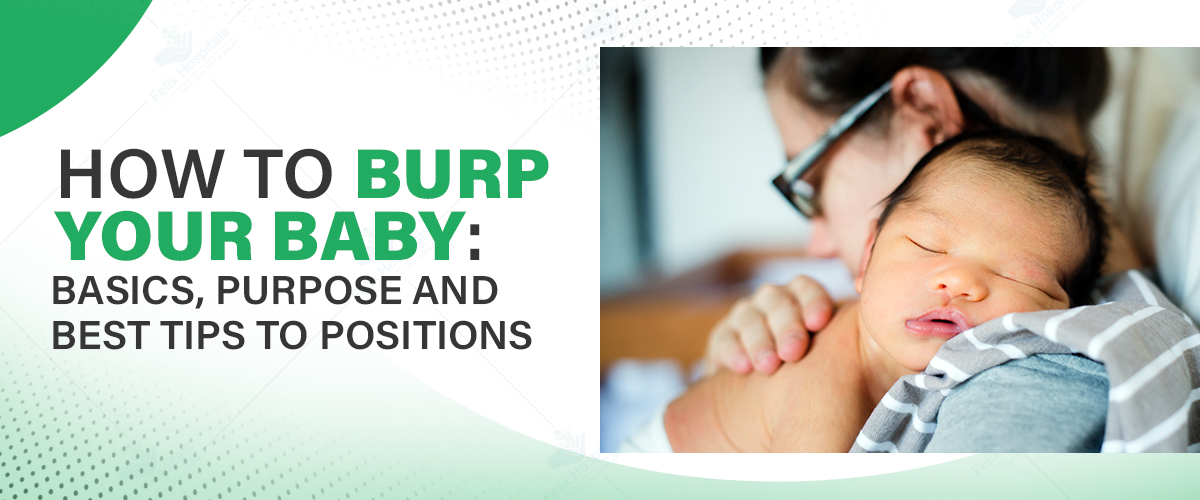
As a new parent, you can observe that your baby tends to become cranky or irritable during or after feeding. This is usually due to the intake of air while feeding, which leaves your baby uncomfortable and full. Burping is part of the feeding process that will help relieve this discomfort and make your baby feel comfortable.
In this article, we are going to discuss the importance of burping, effective ways to do it, and clear out some common myths about this parental practice. Are you looking for the best hospital near me for your new baby? It is important that you consult seasoned professionals who will guide you through such parenting techniques.
Need expert advice on breastfeeding and burping? Call +91 9667064100 for personalized guidance!
Burping is critical to the comfort of your baby and the overall experience of feeding. Here's why it matters:
In case you need professional attention and advice for your baby, achieving the best pediatric hospital in Noida will provide you with the necessary care and expertise to enjoy a quality parenting experience.
Burping your baby is a vital step in the feeding routine, which discharges any air that might be trapped inside and cause discomfort. Use the following easy steps to perform a successful and trouble-free exercise of burping your baby:
For professional guidance and assistance at every step, get to the best pediatric care facility in Noida so your baby stays comfortable and healthy.
Burping the baby is one of the most critical parts of feeding the baby and goes a long way in making your child feel comfortable after every meal. When infants feed on the breast and bottle, they ingest air. That air will cause them to be uncomfortable and gassy, leading to restlessness and crankiness. Burping eliminates the retained air, producing a quieter baby and meal time. Various positions and methods can be used to effectively burp your baby. Let's take a closer look at these positions so that you can make the best choice for you and your baby on the most comfortable and efficient manner.
The ideal position for burping your baby is usually what is most comfortable for both of you. There are three fundamental positions that work best for most babies and also what pediatricians recommend:
1. On Your Shoulder
This is a very natural and relaxed burping position for you and your baby. To burp your baby in this position:
This is the best position because it supports your infant in an upright position and hence allows bubbles of air to rise and exit from the body. Furthermore, being that close to them gives them a feeling of security and comfort, and thus it is the best bonding time.
2. Face-Down on Your Lap
Face-down is a comfortable method for babies who like to burp in an unstrained way. Here is how to do it:
This one is effective because gravity can help the air bubbles rise and put your baby safely and securely in an upright position. Just be sure to support their head well so that their neck won't get strained.
3. Sitting Upright
Since your baby is a bit older and has more head control, the sitting position is also a great one in which to burp. To burp in this position:
This is a good position as it keeps your baby upright in a burped position to allow the expulsion of any air contained within the stomach. Sitting babies also fare well with this position due to improved head and neck control.
Along with getting the right position, there are a few additional tips that will make burping simpler and more effective for you and your baby.
1. Try Walking with Your Baby
Once your baby has established good head control, you can attempt to hold them on your chest and walk slowly around the room. The act of walking will serve to release any trapped air in their stomach and offer further comfort. This will be soothing for your baby as well, since the gentle motion of rocking them calms them down.
2. Burp Your Baby Even When Sleeping
Your baby may at times sleep while feeding. Though it may be tempting to just let them sleep, it's essential to still try to burp your baby. Burping is important gently, even when asleep, so that they don't wake up in discomfort from ingested air. If your baby is fast asleep, try to wake them up gently or roll them more upright and a few soothing back pats to dislodge any trapped gas.
3. Ready for First Spit-Up
It's also quite normal for babies to spit up a little milk during or following burping. Although it's a bit messy, it's normal and generally nothing to panic about. To prevent ruining your clothes, always bring a burp cloth or bib to catch spit-up. You can also put a towel or cloth in front of your baby's chin for extra protection. Remember that spit-up is most often a minor problem, but if your baby spits up constantly at all times or looks upset, it is best to call your pediatrician.
4. Burping During or After Feedings
Most experts advise burping the baby at frequent intervals during feeding. In bottle-fed babies, it is always advisable to burp every 2-3 ounces. While breastfeeding, burp the baby after you switch breasts or in the middle of the feed. This allows you to release the air before it accumulates and makes your baby uncomfortable. Remember that other babies require more burps, particularly if the baby is swallowing air during feeding.
5. Be Patient
Sometimes babies won't burp right away and that is totally fine. If your baby does not burp after one or two minutes of the soft rubbing motion, have them try the position change or try later on, a couple of minutes later. If it doesn't happen immediately, it doesn't always mean they never will burp. Keep going and be patient.
How quickly you burp also relates to whether bottle-feeding or breastfeeding. Burping your baby when and as much as and how will prevent them from being uncomfortable nor painful from having air trapped in their stomachs.
For Bottle-Fed Babies
Bottle feeding means you must burp the baby to have air dislodge that got swallowed during the feeding process. The following is how you burp bottle-fed babies:
Burping after bottle-feeding is especially necessary since infants swallow more air while sucking on a bottle. If your infant fusses or turns away from the bottle, it may be an indication that they require burping.
For Breastfed Babies
Burping during breastfeeding is a bit more complex because babies swallow less air naturally when feeding from the breast. Nevertheless, one has to interrupt and release air occasionally.
Since babies swallow less air during breastfeeding than during bottle feeding, you may not need to burp as frequently. However, it's always best to check and see if they feel uncomfortable or gassy following feeding.
It's totally normal if your baby doesn't burp after each feeding. Some babies are just born burpers, and others don't require passing that air so much. Here's what to remember if your baby won't burp:
Each baby is unique, and some swallow air more than others. Provided that your baby is content, is feeding well, and not being distressed by any of the usual signs such as over-crying or being gassy, then it doesn't matter if your baby doesn't burp after each feed.
It's sure to confuse new parents but a critical job of soothing the little one after feeds. Our best-rated, international acclaimed medical care at Felix Hospital helps new parents guide and counsel new parents about burping baby effectively through means of tips, facts, and medical knowledge offered by our world-class pediatric specialist experts who are:
Such experts give valuable advice on why it is essential to burp, how to put it in its correct position, and how to continue to facilitate your baby feeding and sleeping normally. You're a new mom or would prefer to hone your skill set, Felix Hospital's here to aid, provide supportive care, and facilitate your child's well-being.
For expert tips on breastfeeding and burping, reach out to +91 9667064100 and get the support you need today!
Burping is an easy but important part of baby care. It can really help your baby feel more comfortable during and after feeding, which means a happier baby and more relaxed feeding times for you both. Just keep in mind that every baby is unique, and it can take a while to get the best burping technique down for your baby. Don't panic; with patience and practice, you'll be a burping pro in no time!
Remember, if you ever have a question about feeding or comforting your baby, don't hesitate to ask your pediatrician. They will be able to provide you with personalized guidance tailored to your baby's individual needs and health conditions.
1.) Do you have to burp how much of your baby while breastfeeding?
Ans: You have to burp your baby after 2-3 ounces of milk or switching breasts during breastfeeding. Burping more often allows any air caught to be released and avoid discomfort or gas.
2.) Do you need to burp after breastfeeding?
Ans: While burping is never necessary, it is a good idea to remove any air that has been swallowed in order to prevent the baby from becoming uncomfortable and fussy. Getting into the habit of burping the baby is a good habit to acclimatize them.
3.) Does burping indicate the baby is full?
Ans: Not always. Burping means the baby swallowed air, but it does not necessarily mean they are full. Watch your baby's signals to see if they need more feeding.
4.) When do you stop burping a baby?
Ans: Most infants outgrow the need for frequent burping by the age of 4-6 months. Because they have more control over their digestive system, they will swallow less air and no longer have to be burped as frequently.
5.) How is burping different from belching?
Ans: Belching and burping are used pretty much interchangeably to refer to the expulsion of air from the stomach via the mouth. Having said that, "belching" is an adult-only word, while "burping" is for infants.
6.) Do I wean my baby if he or she spits up?
Ans: Spitting up is normal and typically nothing to be concerned about. If your baby does spit up, you can likely just keep feeding. But if there is excessive spitting up or persistent spitting up, consult with your pediatrician to eliminate any problems.
7.) How to know if a baby's stomach is full?
Ans: A full baby is typically characterized by lack of interest in feeding, turning away from the breast or bottle, or being satisfied and pleased. You can also determine whether the baby is comfortable and is not actively looking for more milk.

Every parent wants their child to become a successful, confident, and good human being. A child is like a sponge, which can take any shape and can absorb almost everything they see/learn.

10 Reasons why a child may not grow

During sleep, the body releases growth hormones, which are essential for a child's growth and development. Adequate sleep is vital for muscle development, tissue growth, and the overall physical health of a child.

मासिक धर्म महिलाओं के जीवन का एक स्वाभाविक और महत्वपूर्ण हिस्सा है। हालांकि कई महिलाओं को इससे जुड़ी समस्याओं का सामना करना पड़ता है, जो उनके शारीरिक और मानसिक स्वास्थ्य को प्रभावित कर सकती हैं। इस ब्लॉग में, हम मासिक धर्म से जुड़ी सामान्य समस्याओं और उनके समाधान पर विस्तृत चर्चा करेंगे। अगर आपको या आपके परिवार की किसी भी महिला को मासिक धर्म से जुड़ी समस्याओं का सामना करना पड़ रहा है, तो तुरंत पास के अस्पताल (best hospital near me) में जांच करवाएं। समय पर उपचार और सही देखभाल से इन समस्याओं को प्रभावी ढंग से प्रबंधित किया जा सकता है।
ज्यादा जानकारी के लिए हमें कॉल करें +91 9667064100.
मासिक धर्म (Menstruation) महिलाओं और किशोरियों में होने वाली एक प्राकृतिक शारीरिक प्रक्रिया है, जो प्रजनन प्रणाली का एक महत्वपूर्ण हिस्सा है। यह प्रक्रिया आमतौर पर 11 से 15 वर्ष की उम्र में शुरू होती है और रजोनिवृत्ति तक चलती है, जो लगभग 45-50 वर्ष की उम्र में होती है। मासिक धर्म तब होता है जब गर्भाशय की अंदरूनी परत (एंडोमेट्रियम) हर महीने गर्भधारण की तैयारी करती है। यदि अंडाणु (एग) निषेचित नहीं होता, तो यह परत रक्त और ऊत्तकों के रूप में योनि से बाहर निकल जाती है, जिसे माहवारी या पीरियड्स कहा जाता है। यह चक्र आमतौर पर 28 दिनों का होता है, लेकिन यह 21 से 35 दिनों के बीच भी हो सकता है।
सामान्य समस्याओं की पहचान और समाधान की आवश्यकता
मासिक धर्म से संबंधित कई समस्याएं हो सकती हैं, जो महिलाओं के शारीरिक और मानसिक स्वास्थ्य को प्रभावित कर सकती हैं। कुछ सामान्य समस्याएं और उनके समाधान इस प्रकार हैं:
मासिक धर्म एक प्राकृतिक प्रक्रिया है, लेकिन कई महिलाओं को इससे जुड़ी विभिन्न समस्याओं का सामना करना पड़ता है। इनमें से कुछ सामान्य समस्याएं और उनके समाधान निम्नलिखित हैं:
कारण:
समाधान:
कारण:
समाधान:
कारण:
समाधान:
कारण:
समाधान:
कारण:
समाधान:
मासिक धर्म से जुड़ी इन सामान्य समस्याओं का समाधान समय पर किया जाए तो महिलाओं का स्वास्थ्य बेहतर बना रह सकता है। यदि कोई समस्या लगातार बनी रहे या गंभीर हो जाए, तो विशेषज्ञ चिकित्सक से परामर्श लेना आवश्यक है। नोएडा में सर्वश्रेष्ठ स्त्री रोग विशेषज्ञ अस्पताल (best gynecology hospital in Noida) में अनुभवी डॉक्टरों की टीम आपके मासिक धर्म से जुड़ी समस्याओं का समुचित निदान और उपचार प्रदान कर सकती है।
मासिक धर्म के दौरान स्वच्छता बनाए रखना न केवल आरामदायक होता है, बल्कि संक्रमण और अन्य स्वास्थ्य समस्याओं से बचने के लिए भी आवश्यक है। उचित देखभाल और स्वच्छता से महिलाएं स्वस्थ रह सकती हैं और मासिक धर्म के दौरान होने वाली असुविधाओं को कम कर सकती हैं।
मासिक धर्म के दौरान सही स्वच्छता नियमों का पालन करना बहुत जरूरी है। इसके लिए निम्नलिखित उपाय अपनाने चाहिए:
पैड, टैम्पोन और मेंस्ट्रुअल कप का सही उपयोग:
सेनेटरी पैड:
टैम्पोन:
मेंस्ट्रुअल कप:
मासिक धर्म के दौरान महिलाओं का शरीर अधिक संवेदनशील होता है, जिससे संक्रमण होने की संभावना बढ़ जाती है। इससे बचाव के लिए कुछ महत्वपूर्ण बातें ध्यान में रखनी चाहिए:
गुप्तांग की सफाई:
साफ और सूखे अंडरगारमेंट्स पहनें:
पैड या टैम्पोन को सही तरीके से डिस्पोज करें:
बार-बार हाथ धोना:
कपड़ों की देखभाल:
मासिक धर्म के दौरान होने वाली समस्याओं जैसे दर्द, कमजोरी, अनियमितता और तनाव से राहत पाने के लिए कई घरेलू और प्राकृतिक उपचार प्रभावी हो सकते हैं। यह उपाय न केवल शरीर को आराम देते हैं, बल्कि बिना किसी दुष्प्रभाव के मासिक धर्म को संतुलित रखने में भी मदद करते हैं।
कैसे फायदेमंद है ?
कैसे इस्तेमाल करें ?
कैसे फायदेमंद है ?
कैसे इस्तेमाल करें ?
कैसे फायदेमंद है?
योगासन जो मदद कर सकते हैं:
कैसे करें ?
मासिक धर्म से जुड़ी कुछ समस्याएं सामान्य हो सकती हैं और घरेलू उपायों से ठीक हो सकती हैं, लेकिन कुछ स्थितियों में चिकित्सकीय परामर्श आवश्यक होता है। यदि निम्नलिखित लक्षण दिखाई दें, तो तुरंत स्त्री रोग विशेषज्ञ से संपर्क करना चाहिए।
चिंता की बात कब होती है?
संभावित कारण:
डॉक्टर से संपर्क क्यों करें ?
चिंता की बात कब होती है ?
संभावित कारण:
डॉक्टर से संपर्क क्यों करें?
चिंता की बात कब होती है ?
संभावित कारण:
डॉक्टर से संपर्क क्यों करें ?
महिलाओं में मासिक धर्म से जुड़ी सामान्य समस्याओं का इलाज गाइनोकॉलजिस्ट (Gynecologist) यानी स्त्री रोग विशेषज्ञ करते हैं। ये डॉक्टर महिलाओं के प्रजनन स्वास्थ्य से जुड़ी सभी समस्याओं का निदान और इलाज करते हैं।
फेलिक्स हॉस्पिटल्स में काफी कुशल स्त्री रोग विशेषज्ञ उपस्थित हैं:
अगर मासिक धर्म से जुड़ी कोई गंभीर समस्या हो रही है, तो जल्द से जल्द फेलिक्स हॉस्पिटल्स का स्त्री रोग विभाग संपर्क करें और सही इलाज करवाएं। समय पर उपचार से आपकी सेहत और जीवन की गुणवत्ता में सुधार हो सकता है।
डॉक्टर की सलाह के लिए आज ही फोन करें +91 9667064100 और मिलने के लिए आज ही अपना कंसल्टेशन शेड्यूल करें।
मासिक धर्म महिलाओं के स्वास्थ्य और जीवनशैली का एक महत्वपूर्ण हिस्सा है। इसे लेकर सही जानकारी और जागरूकता होना बहुत जरूरी है ताकि इससे जुड़ी समस्याओं को समय पर पहचाना और सही तरीके से प्रबंधित किया जा सके। मासिक धर्म से जुड़ी सामान्य समस्याओं, उनके कारणों और समाधानों की जानकारी हर महिला को होनी चाहिए। सही स्वच्छता और खानपान का ध्यान रखने से संक्रमण और अन्य स्वास्थ्य समस्याओं से बचा जा सकता है। संतुलित आहार, नियमित व्यायाम, योग और ध्यान अपनाकर मासिक धर्म को स्वस्थ और नियमित रखा जा सकता है। घरेलू और प्राकृतिक उपायों से कई परेशानियों को आसानी से कम किया जा सकता है। सही देखभाल और जानकारी से महिलाएं अपने मासिक धर्म को सहज और स्वस्थ बना सकती हैं। इसे एक स्वाभाविक प्रक्रिया के रूप में अपनाएं और खुद की सेहत को प्राथमिकता दें।
मासिक धर्म से जुड़ी सामान्य समस्याओं को लेकर अक्सर पूछे जाने वाले सवाल और उनके जवाब (Frequently asked questions and answers about common problems related to menstruation)
1. अगर पीरियड्स अनियमित हो जाएं तो क्या करें ?
उत्तर: मासिक धर्म के अनियमित होने के कई कारण हो सकते हैं, जैसे हार्मोनल असंतुलन, तनाव, वजन में बदलाव, थायरॉयड समस्या या पीसीओएस है। समाधान के लिए संतुलित आहार लें और फास्ट फूड से बचें।
2. मासिक धर्म के दौरान होने वाले अधिक दर्द से कैसे बचें ?
उत्तर: पीरियड्स के दौरान हल्का दर्द सामान्य है, लेकिन अगर दर्द बहुत ज्यादा हो तो यह समस्या बन सकती है। समाधान के लिए पेट पर गर्म पानी की सिकाई करें।
3. अत्यधिक रक्तस्राव होने पर क्या करें ?
उत्तर: अगर पीरियड्स 7 दिनों से ज्यादा चलते हैं या अत्यधिक रक्तस्राव हो रहा है तो यह चिंता का विषय हो सकता है। समाधान के लिए आयरन युक्त आहार (पालक, अनार, चुकंदर) खाएं ताकि एनीमिया से बचा जा सके।
4. क्या पीरियड्स में ज्यादा थकान और कमजोरी होना सामान्य है ?
उत्तर: हां, मासिक धर्म के दौरान शरीर में आयरन की कमी और हार्मोनल बदलाव के कारण कमजोरी महसूस हो सकती है। समाधान के लिए आयरन और विटामिन C युक्त आहार (अमरूद, संतरा, सूखे मेवे) लें।
5. पीरियड्स के दौरान मूड स्विंग्स और चिड़चिड़ापन क्यों होता है ?
उत्तर: मासिक धर्म से पहले और दौरान हार्मोनल बदलाव के कारण मूड स्विंग्स, तनाव और चिड़चिड़ापन होना सामान्य है। समाधान के लिए मेडिटेशन और योग करें ताकि मानसिक तनाव कम हो।
6. मासिक धर्म में स्वच्छता के लिए क्या सावधानियां रखनी चाहिए ?
उत्तर: मासिक धर्म के दौरान सही स्वच्छता न रखने से संक्रमण का खतरा बढ़ सकता है। समाधान के लिए हर 4-6 घंटे में पैड, टैम्पोन या मेंस्ट्रुअल कप बदलें।
7. अगर पीरियड्स 2-3 महीने तक न आएं तो क्या करें ?
उत्तर: अगर पीरियड्स लगातार 2-3 महीने तक न आएं, तो यह समस्या का संकेत हो सकता है। संभावित कारण पीसीओएस है। समाधान के लिए हेल्दी डाइट और एक्सरसाइज को रूटीन में शामिल करें।

योनि संक्रमण महिलाओं में सामान्य स्वास्थ्य समस्या है, जिसे समय पर पहचानना और सही उपचार करना जरूरी है। इस लेख में हम इसके प्रमुख लक्षण, प्रकार, कारण, उपचार

Solid malignancies or solid tumors are a type of cancer that grows in solid organs or tissues like the breast, lungs, prostate, liver, or kidneys. Unlike blood cancers which affect the blood and bone marrow, solid malignancies develop in organs, glands, or bones and, thus, are also sometimes called organ cancer. These can either be benign (non cancerous) or malignant (cancerous). A malignant tumor grows uncontrollably and may metastasize or spread to other parts of the body, interfering with normal organ functions.With advancements in modern medicine, early detection and treatment can significantly improve outcomes for patients. However, recognizing the early signs and understanding the disease is crucial in seeking timely medical intervention.
If you suspect any symptoms or require a consultation, visit Felix Hospitals. Schedule a Consultation at +91 9667064100.
A solid malignancy is a cancerous growth in a specific organ or tissue. These tumors may occur anywhere in the body, for example, lung cancer in the lungs, breast cancer in the breast, prostate cancer in the prostate, or melanoma in the skin. Solid malignancies start as a localized mass which may later metastasize, or spread, to other parts of the body. Therefore, early detection and treatment are crucial.
Solid malignancies are categorized by the type of tissue they originate from:
Depending on an individual’s solid tumor’s location and stage, they may experience symptoms such as:
Before laying down the treatment plan, your oncologist will try to figure out the causes behind the solid malignancies. However, solid cancers commonly arise from genetic mutations. Some other causes include:
The best way to beat cancer is through early diagnosis. Depending on your cancer type, your oncologist may prescribe few of these tests to determine the type, size and stage of the tumor.
Treatment of solid malignancies depends upon the type, location, and stage of the cancer. At Felix Hospitals, the best cancer hospital in Noida, we provide patients with individualized care using the latest medical advancements.
Common treatment approaches include:
While not all solid malignancies can be prevented, some lifestyle changes significantly can reduce the risk:
Prevention is a proactive step toward a healthier future.
At Felix Hospitals, the best hospital for cancer treatment in Noida, we understand the challenges of dealing with cancer. As a leading cancer hospital in Noida, we offer advanced diagnostic and treatment facilities to ensure the best outcomes for our patients. Our team of experienced oncosurgeons like Dr Mukta Baxi, and Medical Oncologists like Dr. Vinita Kumari along with support staff work tirelessly to provide compassionate care tailored to your unique needs. From early detection to comprehensive treatment plans, Felix Hospitals is committed to being your partner in the fight against cancer.
Take control of your health today. Visit Felix Hospitals for expert treatment and care with just a click.
Solid malignancies, if diagnosed early, can be treated with better outcomes. At Felix Hospitals, we ensure our patients get the best quality treatment with proper care and support. Your health is our priority, and we will guide you in your fight against cancer.
1. What are the common forms of solid malignancies?
Ans: The common types are breast cancer, lung cancer, colorectal cancer, and prostate cancer.
2. Are solid malignancies curable?
Ans: Any kind of cancer, including solid malignancies can be treated, provided they are detected and addressed in the early stages. Advances in treatment have markedly increased survival rates.
3. How is a biopsy performed?
Ans: A biopsy is a diagnostic procedure where a small tissue from the tumor is extracted either through a needle or surgery and later analyzed under a microscope.
4. What is the role of genetic testing in cancer treatment?
Ans: Genetic testing helps identify specific mutations in cancer cells, thus allowing doctors to choose targeted therapies that are more effective.
5. What can I do to minimize my risk for solid malignancies?
Ans: Follow a healthy lifestyle, don't smoke, and avoid excessive alcohol, get vaccinated, and have regular screenings for cancers.
6. Why should I select Felix Hospitals for my cancer treatment?
Ans: Felix Hospitals offers advanced diagnostics and personalized treatment plans. Our team of highly experienced oncologists provide a multidisciplinary approach to treat cancer.

Explore the cervical cancer vaccine cost in Noida, compare prices across hospitals, and understand how vaccination helps prevent HPV infection and cervical cancer.

Explore essential information about breast cancer, including its symptoms, causes, types, and treatments, to stay informed and proactive about your health.
Lung cancer is a serious condition that starts in the lungs and can spread to other parts of the body.
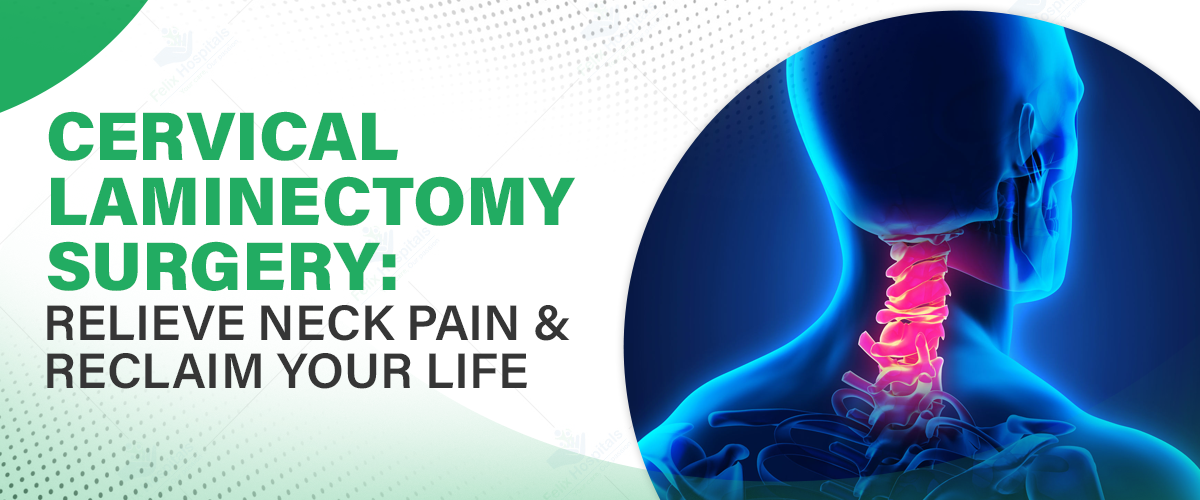
Cervical laminectomy surgery is a precise procedure aimed at alleviating pressure on the spinal cord and nerves in the neck, often caused by conditions like spinal stenosis, herniated discs, or bone spurs. These issues can result in chronic pain, numbness, or weakness, significantly impacting quality of life. This surgery helps restore mobility and reduce discomfort by removing the lamina, a portion of the vertebra covering the spinal canal. Consulting a trusted neuro hospital in Noida ensures access to advanced technology and skilled specialists, crucial for achieving the best outcomes in such delicate procedures.
Learn more about cervical laminectomy surgery and begin your journey to a pain-free life! Contact Felix Hospitals Today at +91 9667064100.
Cervical laminectomy is a surgical procedure aimed at decompressing the spinal cord and nerves by removing a portion of the vertebral bone called the lamina. This creates more space within the spinal canal, alleviating nerve compression and improving overall mobility.
Key Benefits of Cervical Laminectomy:
Differences Between Cervical and Lumbar Laminectomy: While cervical laminectomy targets the neck region, lumbar laminectomy focuses on the lower back. Both procedures aim to decompress nerves but differ in their approach due to the anatomical and functional variations in these spinal regions.
Cervical laminectomy is often necessary when conservative treatments like medication, physical therapy, and injections fail to alleviate symptoms caused by:
Cervical laminectomy surgery is recommended for individuals experiencing:
Conditions That May Require Cervical Laminectomy:
When Non-Surgical Treatments Are Insufficient: If physical therapy, anti-inflammatory medications, or steroid injections fail to provide relief, cervical laminectomy becomes a viable solution to address the root cause of the symptoms.
Step-by-Step Overview:
1. Preparation: Patients undergo imaging tests (MRI or CT scans) to identify the affected areas.
2. Anesthesia: The surgery is performed under general anesthesia to ensure patient comfort.
3. Incision: A small incision is made in the back of the neck.
4. Removal: The surgeon removes the lamina and any other structures causing compression.
5. Closure: The incision is closed, and the patient is moved to the recovery room.'
Minimally Invasive vs. Traditional Open Surgery: Minimally invasive techniques involve smaller incisions and less tissue damage, resulting in quicker recovery and reduced hospital stays. Traditional open surgery may be necessary for complex cases.
Duration and Complexity: The procedure typically lasts 2-3 hours, depending on the severity of the condition and the surgical approach.
At Felix Hospitals, patients have access to a team of highly skilled neurologists specializing in spinal surgeries:
Dr. Sumit Sharma: Renowned for his expertise in spinal conditions and nerve disorders, Dr. Sharma ensures personalized care tailored to each patient’s needs.

Dr. Alok Kumar Dubey: Known for his proficiency in advanced spinal treatments, Dr. Dubey’s innovative care techniques achieve optimal outcomes.

Schedule an appointment Call on +91 9667064100 with our expert neurologists today to explore your treatment options.
Cervical laminectomy surgery is a transformative procedure for individuals suffering from chronic neck pain and nerve-related symptoms. By consulting experienced neurologists and choosing a trusted healthcare facility like Felix Hospitals, patients can ensure effective treatment and a smoother recovery journey. Felix Hospitals’ commitment to excellence, advanced technology, and affordable care make it a preferred destination for spinal surgeries.
Q. 1. How long does cervical laminectomy surgery take?
Ans: The procedure generally lasts 2-3 hours, but the exact duration depends on the complexity of the case and the surgical approach used.
Q. 2. Is cervical laminectomy effective for all spinal stenosis cases?
Ans: While it is highly effective for relieving symptoms caused by spinal stenosis, the outcome can vary based on the extent of nerve compression and overall spine health.
Q. 3. How soon can I resume daily activities after the surgery?
Ans: Light activities can often be resumed within 2 weeks, while more strenuous tasks might require 4-6 weeks, depending on the recovery process.
Q. 4. Will I need ongoing physical therapy after the procedure?
Ans: Yes, tailored physical therapy sessions are recommended to rebuild neck strength and improve mobility, ensuring long-term recovery.
Q. 5. What are the most common complications associated with cervical laminectomy?
Ans: Although rare, potential complications include wound infection, nerve injury, or spinal instability, often mitigated by proper post-operative care.
Q. 6. What type of anesthesia is used, and how will it affect me?
Ans: General anesthesia is typically administered, ensuring you are fully unconscious and comfortable during the procedure.
Q. 7. Is minimally invasive cervical laminectomy suitable for all patients?
Ans: It is ideal for patients with less severe conditions, but complex cases may still require traditional open surgery for optimal results.
Q. 8. What should I do to prepare for cervical laminectomy surgery?
Ans: Preparation includes undergoing necessary tests, discontinuing certain medications, fasting as advised, and arranging post-operative care.

Blood clot in the brain is a serious condition causing sudden neurological symptoms and requires immediate medical treatment.
A spinal cord injury occurs when there is damage to the spinal cord, often resulting from trauma, disease, or degenerative conditions.

Multiple sclerosis is a neurological disease that affects the brain and spinal cord.

Both urinary tract infections (UTIs) and vaginal yeast infections are more common in summer because of heat and humidity. A vaginal yeast infection results from an overgrowth of the fungus Candida, which creates severe itching, burning, and changes in vaginal discharge. They are common infections but can be painful and disrupt your life. Luckily, they can be treated with antifungal drugs. If you experience any of the above-mentioned symptoms, you must seek the advice of a doctor for proper diagnosis and treatment. For the best treatment, you can go to the best gynecology hospital nearby, where experienced professionals can provide individualized treatment plans to make you healthy and treat a vaginal yeast infection properly.
Visit our gynecologists for a customized treatment plan and expert advice. Call us today at +91 9667064100.
Vaginal yeast infection is a very prevalent form of fungal infection caused by an overgrowth of one of the yeasts known as Candida. Candida is a normal resident in small quantities in places like your mouth, digestive tract, and vagina. Candida is fine in good conditions since the "good" bacteria within your body keep it under control. When the balance is upset, however, Candida can quickly get out of hand and cause a yeast infection.
A vaginal yeast infection produces symptoms of burning, itching, vulvar redness (the outer regions of the vagina), and alterations in vaginal discharge. It is not an STI. Another name for a vaginal yeast infection is vulvovaginal candidiasis or vaginal candidiasis. It is a type of vaginitis, which is inflammation, pain, and potential infection of the vagina. While there are various forms of vaginitis, yeast infection is one of the most prevalent.
A vaginal yeast infection may make visible changes to your vulva and vaginal discharge look and feel. The outside skin of your vaginal opening might get red and itchy, and the hurt is worse with sex or with urination. Your vaginal discharge can be thicker and lumpy-looking, but usually will not smell really awful. Not all women get symptoms, and the type of symptoms and how bad they are vary.
Even though anyone who has a vagina can get a yeast infection, most commonly they occur in women after puberty and before menopause. Several factors can make someone more likely to have a yeast infection, but it is said that yeast infections are very common and are treated easily.
About 75% of women will get one or more vaginal yeast infections during their lifetime, and more than half will get two or more. Yeast infections are the second most frequent cause of vaginitis, after bacterial vaginosis.
There are a number of different things that can increase the risk of getting a vaginal yeast infection, including:
Medications: The use of antibiotics, birth control pills, or certain steroids.
Pregnancy: Changes in hormonal levels during pregnancy can create a fertile ground for yeast to multiply.
Weakened Immune System: HIV or autoimmune illnesses might render the individual more prone.
Untreated Diabetes: Blood glucose elevation provides an environment in which yeast multiplies easily.
Lifestyle choices may also cause an increase in the susceptibility of yeast infection to include:
Being seated in a wet swimsuit for hours on end.
Having sweaty underwear on for hours on end.
Application of scented tampons or vaginal deodorants.
Vaginal yeast infection is defined by various typical symptoms such as:
Itchy or Burning Sensation: Persistent itchy or burning sensation on your vagina and vulva.
Thick, White Discharge: Thick white discharge from your vagina with cottage cheese texture.
Redness and Swelling: Vulva and vagina becoming red and swollen.
Small Cuts or Cracks: Sensitive skin can result in small cuts or cracks on the surrounding vulva area.
Painful Urination: Burning while urinating.
Sexual Pain: In a few instances, vaginal yeast infection hurts during intercourse.
All are symptoms that can be shared by sexually transmitted diseases (STIs) or other vaginal infections and hence, should have a proper diagnosis made through consultation with a physician.
Yeast infection of the vagina happens when your normal balance of bacteria in the vagina is interrupted, and the candida yeast can spread freely. Certain typical reasons for such interruption are:
Use of Antibiotics: Antibiotics destroy good bacteria as well as bad bacteria, and this can shatter the vaginal flora, resulting in a yeast infection.
Pregnancy and Hormonal Changes: Pregnancy, birth control pills, or the menstrual cycle might cause hormonal changes that provide an environment for the overgrowth of yeast.
Untreated Diabetes: Untreated diabetes can raise the blood sugar levels, which form a good culture medium for the growth of yeast.
Weakened Immune System: HIV/AIDS, chemotherapy, and radiation treatment are a few of the diseases that can weaken your immune system, thus making it difficult to combat infection.
To confirm a vaginal yeast infection, your doctor will take a history of your symptoms and might take a sample of the discharge from the vagina for analysis. The test is done to confirm the presence of yeast and if you have the kind of infection. Your doctor uses the combination of your symptoms and test results to choose the best course of treatment.
The majority of vaginal yeast infections are treated with antifungal drugs, either oral or used directly in the area, depending on the severity of the infection.
Oral Medicines: Fluconazole is usually administered by a single dose.
Topical Therapy: Cream, ointment, or vaginal suppositories (vaginal tablets) are used once a day for seven days. Examples of antifungal drugs include miconazole (Monistat®) and terconazole.
Your physician will instruct you on the proper use of the drug. You should so that the infection is cured once and for all and does not recur.
For successful treatment, abstain from sexual intercourse after you have completed your medication. Sex can inflame the vagina, and antifungal medication thins out condoms or diaphragms.
Over-the-counter medications are potent enough to cure a vaginal yeast infection, but you need to consult first your doctor so that you will know you have a yeast infection and can select the right treatment for it.
With treatment, the majority of yeast infections will clear up within a few days, but it may take up to a week for them to completely go away. More severe infections are longer lasting and require a longer course of treatment. It is necessary to complete the treatment prescribed in order not to have the infection come back.
No, a yeast infection will not disappear by itself. Antifungal medication must be employed to treat the infection and avoid it getting worse.
Hot weather is likely to bring an increased risk of both urinary tract infections (UTIs) and vaginal yeast infections because of the heat and excess moisture. A vaginal yeast infection happens when the fungus Candida grows excessively, causing changes in vaginal discharge, itching, and burning. These infections are prevalent and quite painful, derailing your regular activities. Fortunately, they are curable using antifungal drugs.
To avoid these infections during summer, follow these key tips:
Stay Hydrated: Drink sufficient water during the day to eliminate bacteria from your urinary tract and ensure a good balance of vaginal flora.
Practice Good Hygiene: Always wipe from front to back and make sure the genital area is clean and dry to prevent the possibility of bacteria or yeast overgrowth.
Wear Breathable Clothing: Opt for loose-fitting, cotton underwear and avoid tight-fitting clothes to minimize moisture buildup and friction, both of which contribute to yeast growth.
Change Out of Wet Clothes Quickly: Whether you’ve been swimming or working out, change out of wet clothes promptly to prevent bacterial or fungal growth.
Avoid Fragrances: Avoid using fragrant douches, pads, and tampons since they will disrupt the normal balance of yeast and bacteria in the vaginal flora.
Use Water-Based Lubricants: If you are having sex, use water-based lubricants so that you may avoid irritation, which is bound to lead to infection.
Manage Blood Sugar: If you have diabetes, maintain your blood sugar under control because high blood sugar makes one susceptible to yeast infection.
In case you have been showing signs of a vaginal yeast infection, please visit a professional for proper diagnosis and treatment. For the most effective care, visit the best gynecology hospital in noida where skilled professionals will be able to provide you with customized treatment procedures to help manage and recover from a vaginal yeast infection effectively.
If you get more than four vaginal yeast infections each year, talk to your healthcare provider. They might:
Check your diagnosis with a vaginal yeast infection test.
Give you a blood sugar test for diabetes.
Test you for HIV/AIDS if they think you might need it.
Check for changes in hormones because of birth control or pregnancy.
Your doctor will treat you based on the test findings. Treatment of the underlying cause can help avert recurrent yeast infections.
While a yeast infection can be transmitted to a sexual partner, in men it is not of much concern. If your female sexual partner becomes infected, she will probably need to watch for symptoms and be treated as needed.
At Felix Hospital, we know that prevention of vaginal yeast infections and urinary tract infections (UTIs) is important, particularly in the summer season. Our skilled gynecologists are here to keep you healthy and avoid these repeated infections:
These experts are committed to providing expert advice and personalized care to prevent UTIs and yeast infections and improve your general reproductive health.
Seek professional treatment and prevention of UTIs and yeast infections at Felix Hospital. Make a booking today by Clicking Here.
During the hot summer season, the risk of urinary tract infection (UTI) and vaginal yeast infection is higher, but by taking simple preventive steps, you can go a long way in avoiding these annoying conditions. Drinking plenty of water, proper hygiene, wearing loose clothing, and controlling underlying medical conditions such as diabetes are essential steps to take in order to keep the vagina and urinary tract healthy. If you experience symptoms of yeast infection or UTI, a visit to a medical doctor is necessary in order to initiate treatment early enough and prevent complications.
For individual counseling and treatment, don't hesitate to book an appointment with our experienced gynecologists at Felix Hospital. Our professionals work tirelessly for your well-being and health at all stages of life. And with our reasonable charge for gynecology treatment, you know that you are receiving the best treatment possible at a cost that will not break your bank. Call us now to find out more about the cost of treatment and how we can help you achieve good health.
1. Can hot weather actually trigger yeast infections?
Ans: Yes, humid and hot weather can predispose a person to yeast infections because there is a lot of sweating and moisture, which is conducive for the growth of fungi.
2. What are some of the home remedies for vaginal yeast infection?
Ans: Although some home treatments such as coconut oil and probiotics can be alleviating, a health expert must perform a visit to get an accurate diagnosis and antifungal medication.
3. Can men develop vaginal yeast infections?
Ans: Vaginal yeast infections are not common in men, but yes, they can develop, especially if they have a compromised immune system or other condition.
4. Can yeast infections be caused by a poor diet?
Ans: Poor eating habits, particularly diets high in sugar, may boost the chances of developing a yeast infection since sugar feeds Candida. Eating healthy can keep the body at a good balance of bacteria and yeast.
5. Do I need my partner to be treated if I have a yeast infection?
Ans: In general, men do not need treatment unless they become symptomatic. But if your partner is a woman, they will need to watch for symptoms and get treated if they occur.
6. How long does it take for yeast infections to clear up with treatment?
Ans: Most yeast infections clear up within a few days to a week with appropriate antifungal treatment. More severe cases will take longer, but it is important to finish the prescribed treatment to get completely better.
Explore the latest non-surgical treatments for fibroid management. Learn about advanced options to relieve symptoms and improve your quality of life.

The shoulder is one of the body's most versatile and mobile joints, allowing a wide range of movements. However, this mobility makes it susceptible to injuries, such as dislocation. A dislocated shoulder occurs when the upper arm bone (humerus) is forced out of the shoulder socket (glenoid). This condition can cause severe pain and limit mobility, significantly impacting your daily life.
Shoulder dislocation is a common injury caused by trauma, such as falls, sports injuries, or accidents. At the best orthopedic hospital in Noida, you can receive expert care for shoulder dislocation treatment, ensuring effective recovery and prevention of further complications. Let’s explore a step-by-step guide to understanding, managing, and recovering from a dislocated shoulder.
Contact us today at +91 9667064100 to learn more about our personalized shoulder dislocation treatments!
A dislocated shoulder is when the head of the humerus is forced out of the glenoid cavity. This injury can be classified into three main types:
1. Trauma: High-impact events, such as falls, car accidents, or contact sports, are leading causes of trauma.
2. Overuse or Repetitive Strain: Activities that place heavy stress on the shoulder joint.
3. Joint Hypermobility: Some individuals have naturally loose joints, increasing the risk of dislocation of the shoulder.
1. Importance of Professional Care: Avoid attempting to fix the dislocation yourself, as improper handling of the injury, damage surrounding tissues, or harm nerves.
2. Imaging Tests: Healthcare professionals may perform X-rays or MRIs to assess the extent of the dislocation, confirm proper alignment, and check for fractures or additional injuries.
1. Closed Reduction: An orthopedic doctor will carefully manipulate the shoulder back into place without surgery. This procedure is performed with the aid of sedatives or muscle relaxants to ensure comfort and prevent muscle spasms.
2. Risks of Self-Reduction: Attempt to relocate the shoulder without a healthcare professional’s supervision can lead to serious complications, including nerve damage or further dislocation.
1. Immobilization: After the shoulder is repositioned, you’ll need to use a sling or immobilizer to restrict movement and allow the joint to heal.
2. Pain Relief: Doctors may prescribe pain medications or recommend over-the-counter NSAIDs to manage discomfort and inflammation.
3. Rest: It’s essential to avoid heavy lifting, strenuous activities, or sudden arm movements for a prescribed recovery period to support proper healing.
These steps under professional guidance, can ensure a safer and perfect recovery from a dislocated shoulder.
1. Perform regular exercises to maintain shoulder strength and flexibility.
2. Warm up before engaging in physical activities.
3. Avoid wrong arm positions and excessive lifting.
At Felix Hospitals, our team of skilled orthopedic surgeons provides the best care for shoulder dislocation treatment. Meet our experts:
These experts work collaboratively to provide comprehensive care tailored to your needs.
Don’t let shoulder pain hold you back! Schedule your consultation with our expert orthopedic team at Felix Hospitals today for world-class care and recovery.
A dislocated shoulder requires the best medical attention to prevent complications and ensure a smooth recovery. Seeking treatment from experienced orthopedic surgeons at Felix Hospitals ensures the best outcomes through accurate diagnosis, effective treatment, and personalized rehabilitation plans.
Don’t let shoulder dislocation limit your lifestyle—consult the experts at Felix Hospitals today for comprehensive care and prevention strategies.
1. What should I do immediately after a shoulder dislocation?
Ans: Stop all activities immediately, support the arm with a sling or cloth, and seek medical attention without attempting to fix the dislocation yourself.
2. Can a dislocated shoulder heal on its own without medical intervention?
Ans: No, a dislocated shoulder requires medical evaluation and treatment. Without proper care, it may result in long-term complications like chronic instability or nerve damage.
3. How long does it take to recover from a shoulder dislocation?
Ans: Recovery time varies depending on the severity of the dislocation, but it typically takes 4 to 12 weeks. Physical therapy is crucial for a full recovery.
4. When is surgery necessary for a dislocated shoulder?
Ans: Surgery may be needed for recurrent dislocations, severe ligament damage, or if non-surgical treatments fail to stabilize the shoulder joint.
5. What are the risks of trying to fix a dislocated shoulder at home?
Ans: Self-reduction can cause serious complications, including nerve damage, blood vessel injury, and further dislocation, making professional care essential.
6. Can physical therapy completely restore my shoulder after a dislocation?
Ans: Yes, physical therapy is highly effective in restoring strength, stability, and mobility to the shoulder. It also helps prevent future dislocations when done consistently.
7. Why choose Felix Hospitals for shoulder dislocation treatment?
Ans: Felix Hospitals offers comprehensive care with expert orthopedic surgeons, advanced diagnostic tools, and personalized treatment plans to ensure optimal recovery.

Bone fractures are common injuries from accidents or falls. While many heal well, complications can arise, affecting recovery. Learn more about these issues and treatments.


Subscribe to our
© Copyright 2026. All Rights Reserved by Felix Healthcare Private Limited
Design and development by :


 +(91)9667064100
 Emergency : +(91)9667064100