 WhatsApp
 Emergency:
  WhatsApp



















Subscribe to our
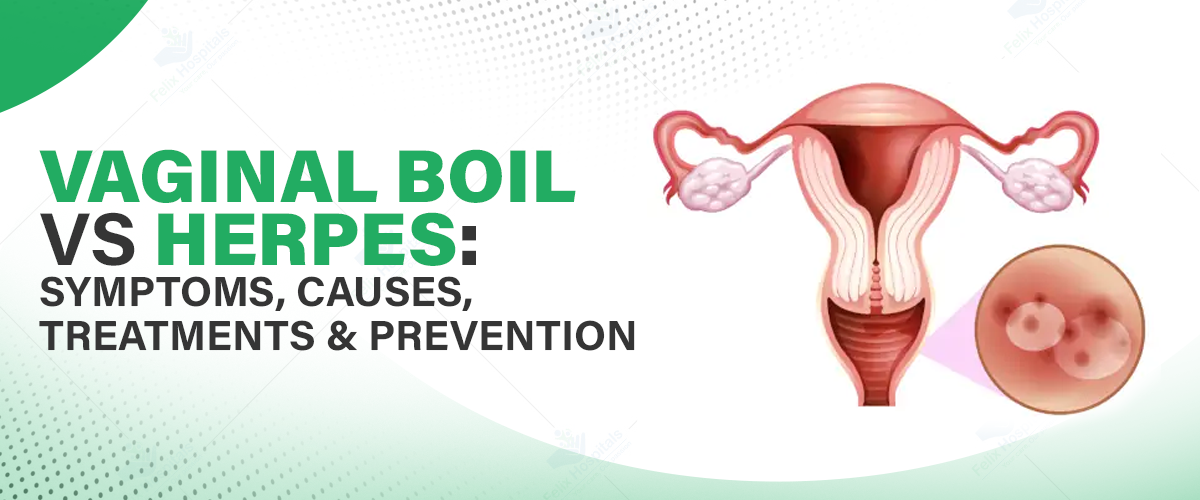
When it is vaginal health, vaginal boils and herpes are confusing and unsettling as they look alike and feel the same. Though they might make themselves look and feel the same way at the onset, vaginal boils and herpes are very different as far as cause, symptom, treatment, and prevention go. Knowing what they are will help you keep good care of yourself and be good with your treatment, courtesy of the best gynecology hospital in Noida for correct diagnosis and healing.
If you experience symptoms of vaginal boil or herpes, do not hesitate to get the right treatment. Call us immediately at +91 9667064100.
Vaginal boil, or furuncle, or skin abscess is a painful, pus-filled swelling on the genital region, often on the vulva, labia (vaginal lips), or pubic area. The condition typically arises when a hair follicle gets infected with bacteria, usually Staphylococcus aureus (staph). Infection can sometimes happen from bacteria entering the skin through a cut or a break.
Vaginal boils begin small, similar to a pimple, and grow larger, becoming more sensitive with time. They can eventually rupture and discharge pus. Most vaginal boils will heal by themselves with home treatment, but some need to be treated by a doctor to drain or with antibiotics.
A red, small bump that increases in size
Soft to the touch, usually warm or painful
Yellow or white pus-center
Pain on sitting or walking
Severe ones also have the presence of fever and lymph nodes.
The most common cause of a vaginal boil is a staph infection, but insufficient hygiene, shaving or waxing ingrown hairs, and obesity can also increase the chances that one will develop one. Vaginal boils are caused by other forms of skin trauma, including insect bites or acne.
Staphylococcus aureus infection: The bacteria that create the infection exist on the skin and in the nose and create boils if they penetrate the skin.
Obesity: Excess fat may entrap moisture and bacteria, leading to an infection.
Poor hygiene: Not washing or not washing after exercise increases the risk.
Shaving and grooming: Minor cuts from a razor provide bacteria with a means of getting into the skin.
Immune system disorders: Like diabetes or pregnancy, that weaken the immune system, put one at risk of infection.
Herpes simplex virus (HSV) is a viral infection that creates blisters and sores on or near the genitals (genital herpes) or mouth (oral herpes). The virus is very contagious and can be spread by touching an infected person's blisters or even when there are no blisters visible. Although herpes is painful, it is a treatable illness.
HSV-1 (Oral Herpes): Mainly causes cold sores near the mouth but also may cause genital herpes if spread through oral sex.
HSV-2 (Genital Herpes): Mainly causes genital sores but also may occur around the mouth.
Painful sores or blisters in the genital region, mouth, anus, or other parts of the body
Itching or pain at the site before blisters form
Flu-like symptoms such as fever or swollen lymph nodes during the initial outbreak
Painful urination or painful urination during outbreaks
It should be noted that others who have herpes will never actually have an outbreak and never even realize they have the virus. Even so, they are still able to spread the virus to other individuals.
Herpes is spread by direct contact with an infected site or body fluid. Even if a person is not showing symptoms (asymptomatic), they can still transmit the virus and infect others. Herpes can be spread through:
Oral sex (for HSV-1 and HSV-2)
Kissing
Vaginal, anal, or oral sex (for HSV-2)
Shared personal belongings (rarely, such as razors or towels)
Although vaginal boil and herpes can cause painful bumps, the two of them are quite distinct from each other:
Vaginal Boil: It begins as a red, sensitive small bump, which enlarges and develops a pus-filled center, which could be white or yellow. It occurs in the labia or the pubic region.
Herpes: Herpes results in fluid-filled blisters that rupture and turn into painful ulcers. These ulcers are found frequently in the area around the genitalia, anus, or mouth. The ulcers recur and heal after some time.
Vaginal Boil: Due to bacterial infection (Staphylococcus aureus) or shaving or ingrown hair.
Herpes: Due to a viral infection (herpes simplex virus, HSV).
Vaginal Boil: Most vaginal boils will heal on their own within 1-3 weeks with home care. In the most severe cases, drainage or antibiotics may be required.
Herpes: Lesions of herpes tend to last 2-4 weeks, and sores will heal with time.
Antiviral medications can reduce the frequency and severity of the lesions.
Most vaginal boils can be treated at home:
Warm Compress: Apply a warm, moist washcloth over the affected area several times daily. This will enable the boil to drain spontaneously.
Pain Relief: Pain can be eased with acetaminophen or ibuprofen, which can be purchased without a prescription.
Proper Hygiene: Bathe the infected area with antibacterial soap and water.
Loose Clothing: Wear loose-fitting clothing in order to minimize irritation.
In extreme cases, a doctor might give antibiotics or get the boil drained at a medical clinic. Do not squeeze or pop the boil yourself; it will just make it more infected.
Herpes can't be cured, but attacks can be treated and spreading reduced. Treatment consists of:
Antiviral Drugs: Acyclovir, famciclovir, and valacyclovir can minimize the severity and duration of outbreaks.
Pain Relief: Topical creams or over-the-counter painkillers can relieve pain.
Preventive Measures: Condom use during sex and avoiding touching sores can minimize transmission risks.
Practice Good Hygiene: Wash the genital area daily with warm water and antibacterial soap.
Avoid Shaving: Do not shave your pubic area, or shave carefully to prevent cuts that give bacteria entry.
Wear Loose-Fitting Clothes: Wearing tight clothes can trap sweat and bacteria, increasing the likelihood of boils.
Manage Obesity: Maintaining your weight at a healthy level can reduce skin folds where bacteria thrive.
Practice Safe Sex: Use dental dams or condoms during sex even if no symptoms are seen.
Prevent sores contact: Don't kiss or make love if both of you have evident sores or are shedding the virus.
Take antiviral medication: If you have frequent outbreaks, taking daily antiviral medication can lower your transmission risk.
At Felix Hospital, we recognize the pain caused by genital disease, like herpes and vaginal boils. Our gynecologists are committed to providing whole care to enable you to manage such situations with the best quality of care at all times. Whatever you need in order to avoid, diagnose, or treat herpes or vaginal boils, we are ready to give you expert assistance molded to meet your unique needs.
Dr. Sangeeta Sharma
Dr. Charu Yadav
Dr. Suniya Kuruvilla
Dr. Archana Rathi
Dr. Pragati Jain
Dr. Swati Thakur
Each of these specialists has their own area of expertise in diagnosing and treating genital conditions such as herpes and vaginal boils, so you can be confident that you will receive the best possible care.
Do you have genital health issues? Make your appointment today for expert advice and treatment.
Though both vaginal boils and herpes present similar discomfort, they are distinct conditions with distinct etiology and treatment. Vaginal boils, often resulting from bacterial infection, are generally treated by home remedies, while herpes, being viral, needs to be kept in check permanently through antiviral drugs. In the event you feel some out-of-the-way symptoms, best you see a healthcare practitioner for correct diagnosis and treatment. Regardless of whether you have a vaginal boil or herpes, by taking measures to keep both from spreading and returning, you can ensure to promote your genital health and well-being.

मीनोपॉज महिलाओं में होता है। इसे प्सही देखभाल के अलावा जीवनशैली में बदलवा करके नियंत्रित कर सकते हैं। नियमित स्वास्थ्य जांच, संतुलित आहार के अलावा मानसिक रूप से सकारात्मक रहते हुए स्वस्थ जीवनशैली को अपनाकर महिलाएं खुशहाल जीवन जी सकती हैं। इस ब्लॉग में हम मीनोपॉज के कारण, लक्षण और रोकथाम के बारे में जानेंगे। यदि आपको मीनोपॉज से जुड़ी कोई समस्या हो रही है, तो पास के स्त्री रोग अस्पताल (the best gynecology hospital near me) से संपर्क करना एक सही विकल्प हो सकता है।
ज्यादा जानकारी के लिए हमें कॉल करें +91 9667064100.
मेनोपॉज एक प्राकृतिक जैविक प्रक्रिया है। जिसमें एक महिला के मासिक धर्म चक्र के अंत को दर्शाती है। इसका निदान तब किया जाता है। जब लगातार 12 महीनों तक मासिक धर्म नहीं होता है। आमतौर पर यह 40 के अंत या 50 की शुरुआत में होता है। मेनोपॉज उम्र बढ़ने का एक प्राकृतिक तत्व होने के बावजूद यह शारीरिक और भावनात्मक परिवर्तन ला सकता है जो रोजमर्रा की जिंदगी को बाधित कर सकता है।
पेरीमीनोपॉज मीनोपॉज से पहले का चरण होता है। जिस दौरान मासिक धर्म अनियमित होता है। इस दौरान हार्मोनल परिवर्तन होते हैं। मीनोपॉज तब होता है कि जब लगातार 12 महीनों तक मासिक धर्म नहीं आता है। पोस्टमीनोपॉज वह अवस्था होती है। जब मीनोपॉज के बाद शरीर नए हार्मोनल संतुलन के साथ जीवन जीना सीखता है।
मीनोपॉज मुख्य रूप से हार्मोनल परिवर्तनों से होता है। कुछ प्रकार निम्न हैं:
अगर मीनोपॉज के लक्षण जीवन की गुणवत्ता को प्रभावित कर रहे हैं, तो अच्छे स्त्रीरोग विशेषज्ञ या गयनेकोलॉजिस्ट से सलाह लेना जरूरी है। इन स्थितियों में डॉक्टर से संपर्क करें:
मीनोपॉज को पूरी तरह से रोका नहीं जा सकता है। यह एक प्राकृतिक प्रक्रिया है। मगर जीवनशैली बदलाव कर कम करने में मदद मिलती हैं।
कैल्शियम और विटामिन डी युक्त आहार यानी की दूध, दही, हरी पत्तेदार सब्जियां, बादाम का सेवन करें। प्रोटीन युक्त खाद्य पदार्थ (दालें, अंडे, मछली) शामिल करें। प्रोसेस्ड फूड और अधिक चीनी के सेवन से बचना चाहिए।
वेट-बेयरिंग और स्ट्रेंथ ट्रेनिंग व्यायाम (योग, वॉकिंग, साइकलिंग) करना चाहिए। हड्डियों की मजबूती बनाए रखने के लिए एक्सरसाइज को दिनचर्या में शामिल करना चाहिए।
ध्यान (मेडिटेशन) और योग से तनाव कम होता है। पर्याप्त नींद लेने और सोने का नियमित समय तय करें। जिससे आराम मिले।
अच्छे अस्पताल से परामर्श लेकर हार्मोन रिप्लेसमेंट थेरेपी (HRT) पर विचार करना चाहिए। प्राकृतिक सप्लीमेंट्स, जैसे सोया प्रोडक्ट्स, लेने से भी लक्षण कम किए जा सकते हैं।
धूम्रपान और शराब का सेवन कम करें, क्योंकि ये मीनोपॉज के लक्षणों को बढ़ाते हैं।
बोन डेंसिटी टेस्ट, ब्लड टेस्ट और अन्य स्वास्थ्य परीक्षण कराते रहना चाहिए। हार्मोनल बदलावों की निगरानी के लिए डॉक्टर से परामर्श लेना चाहिए।
मीनोपॉज का कोई स्थायी इलाज नहीं है। मगर सके लक्षणों को प्रबंधित करने के लिए विभिन्न उपचार उपलब्ध हैं जो निम्न है
एस्ट्रोजन और प्रोजेस्टेरोन हार्मोन सप्लीमेंट देते हैं। हॉट फ्लैश, रात में पसीना, योनि शुष्कता और हड्डियों की कमजोरी में मदद करता है। लेकुछ महिलाओं में आचआरटी का दीर्घकालिक उपयोग स्तन कैंसर या हृदय रोग का जोखिम बढ़ाता है। इसलिए डॉक्टर की सलाह जरूरी होती है।
एसएसआरआई दवा हॉट फ्लैश और मूड स्विंग को नियंत्रित करने के लिए दी जाती हैं। गैबापेंटिन नींद और हॉट फ्लैश में मदद करती है। बिसफॉस्फोनेट्स दवा हड्डियों को मजबूत करने के लिए दी जाती है।
योग, ध्यान, और एक्सरसाइज करने से लक्षण कम होता हैं। कैल्शियम और विटामिन डी युक्त आहार दूध, दही, पत्तेदार सब्जियां का सेवन करना चाहिए। फाइटोएस्ट्रोजेन यानी सोया उत्पाद, अलसी, तिल को आहार में शामिल करना चाहिए।
अगर मीनोपॉज से संबंधित समस्याएं गंभीर हैं तो सर्जरी का विकल्प अपनाया जा सकता है।
मीनोपॉज के दौरान और बाद में लक्षणों को प्रबंधित करने के लिए विभिन्न प्रकार की थेरेपी है। सही देखभाल से जीवन की गुणवत्ता को बनाए रख सकते हैं…
अगर किसी महिला को मीनोपॉज से संबंधित सर्जरी (जैसे हिस्टेरेक्टॉमी या ओओफोरेक्टॉमी) करानी पड़ी हो, तो बाद की देखभाल आवश्यक होती है। डॉक्टर की सलाह के अनुसार दर्द निवारक दवाएं लें। टांकों की साफ-सफाई बनाए रखें और किसी भी असामान्य लक्षण (सूजन, लालिमा, तेज दर्द) पर डॉक्टर से संपर्क करें। धीरे-धीरे हल्की गतिविधियां शुरू करें और भारी काम करने से बचें। यदि अंडाशय हटाए गए हों, तो हार्मोनल सप्लीमेंट या प्राकृतिक हार्मोन-बूस्टिंग आहार का सेवन करें।
मीनोपॉज के बाद हड्डियों और मांसपेशियों की मजबूती बनाए रखने के लिए फिजियोथेरेपी सहायक हो सकती है: मांसपेशियों को लचीला और मजबूत बनाए रखने के लिए उपयोगी होती है। हड्डियों की मजबूती के लिए वॉकिंग, डांसिंग, और हल्के वजन उठाने वाले व्यायाम फायदेमंद हैं। यूरिन नियंत्रण में मदद करता है और योनि की मांसपेशियों को मजबूत करता है। मालिश और एक्यूप्रेशर थेरेपी से शरीर को आराम मिलती है।
सोया उत्पाद, अलसी के बीज और तिल में प्राकृतिक एस्ट्रोजेन है। यह हॉट फ्लैश को कम कर सकते हैं। ठंडा पानी पिएं और हल्के कपड़े पहनना चाहिए। दूध, पनीर, हरी सब्जियां और अंजीर खाना चाहिए। धूप में समय बिताकर विटामिन डी प्राप्त करना चाहिए। कैमोमाइल टी या ग्रीन टी पीने से राहत मिलती है। अश्वगंधा और ब्राह्मी जैसे आयुर्वेदिक जड़ी-बूटियां लाभदायक होती हैं। नारियल तेल या एलोवेरा जेल त्वचा को मॉइस्चराइज करता है। आंवला और मेथी बालों के झड़ने को कम करने में मदद करते हैं।
मीनोपॉज से जुड़ी सामान्य समस्याओं का इलाज गाइनोकॉलजिस्ट (Gynecologist) यानी स्त्री रोग विशेषज्ञ करते हैं। ये डॉक्टर महिलाओं के प्रजनन स्वास्थ्य और हार्मोनल परिवर्तनों से जुड़ी सभी समस्याओं का निदान और इलाज करते हैं।
फेलिक्स हॉस्पिटल में अनुभवी स्त्री रोग विशेषज्ञ उपलब्ध हैं:
अगर आपको मीनोपॉज से जुड़ी कोई गंभीर समस्या हो रही है, तो जल्द से जल्द फेलिक्स हॉस्पिटल के स्त्री रोग विभाग से संपर्क करें और सही इलाज करवाएं। समय पर उपचार से आपकी सेहत और जीवन की गुणवत्ता में सुधार हो सकता है।
डॉक्टर की सलाह के लिए यहां क्लिक करें या इस नंबर पर संपर्क करें +91 9667064100।
मीनोपॉज एक प्राकृतिक प्रक्रिया है। इसके लक्षण महिलाओं के शारीरिक और मानसिक स्वास्थ्य को प्रभावित करते हैं। सही आहार, नियमित व्यायाम, तनाव प्रबंधनसे इसके प्रभावों को नियंत्रित कर सकते हैं। हार्मोनल और गैर-हार्मोनल उपचार के साथ-साथ जीवनशैली में बदलाव करने से महिलाएं इस चरण को अधिक सहजता से पार करता हैं। अगर मीनोपॉज के लक्षण गंभीर हैं, तो स्त्री रोग विशेषज्ञ से परामर्श लेना चाहिए। जिससे सही उपचार और देखभाल सुनिश्चित की जा सके।
सवाल 1. मीनोपॉज क्या है और यह कब होता है ?
उत्तरः मीनोपॉज वह अवस्था है जब महिला के मासिक धर्म स्थायी रूप से बंद हो जाते हैं। 45-55 वर्ष की उम्र में यह प्राकृतिक प्रक्रिया है। शरीर में हार्मोनल बदलाव के कारण होती है।
सवाल 2. मीनोपॉज के आम लक्षण क्या हैं ?
उत्तरः हॉट फ्लैश, रात में पसीना, मूड स्विंग, अनिद्रा, योनि शुष्कता, हड्डियों की कमजोरी और वजन बढ़ना मीनोपॉज के मुख्य लक्षण होते हैं।
सवाल 3. क्या मीनोपॉज के लक्षणों का इलाज संभव है ?
उत्तरः हार्मोन रिप्लेसमेंट थेरेपी (एचआरटी), जीवनशैली सुधार, योग, सही आहार, और कुछ दवाओं से लक्षणों को प्रबंधित कर सकते है।
सवाल 4. क्या मीनोपॉज के बाद हड्डियां कमजोर हो जाती हैं ?
उत्तरः एस्ट्रोजन की कमी के कारण ऑस्टियोपोरोसिस हड्डियों की कमजोरी का खतरा बढ़ जाता है। कैल्शियम, विटामिन डी और वेट-बेयरिंग एक्सरसाइज से इसे नियंत्रित कर सकते हैं।
सवाल 5. क्या मीनोपॉज के बाद भी स्वस्थ जीवन जिया जा सकता है ?
उत्तरः संतुलित आहार, नियमित व्यायाम, तनाव प्रबंधन और सही देखभाल अपनाकर मीनोपॉज के बाद भी स्वस्थ और सक्रिय जीवन में मदद मिलती है।
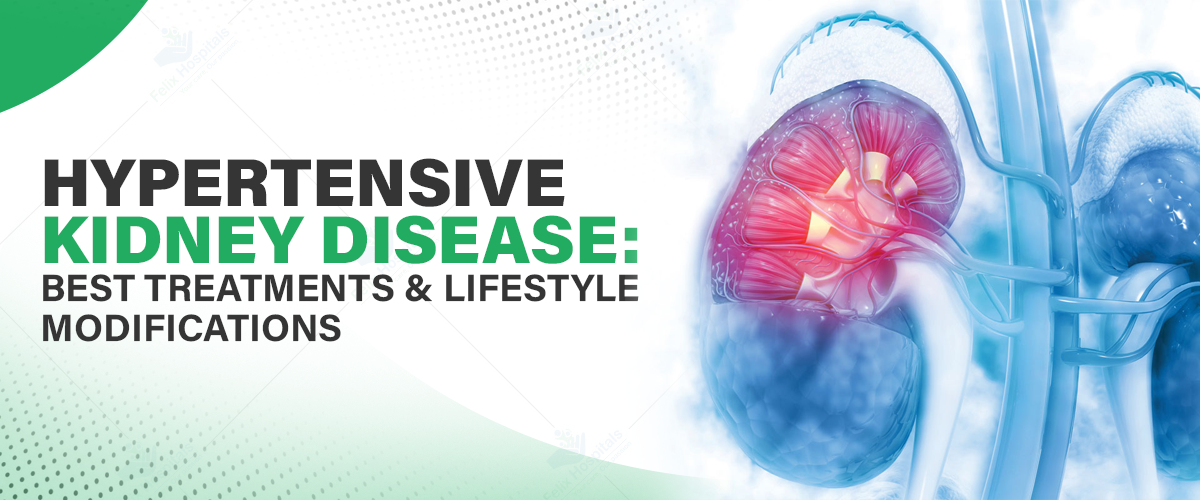
Hypertensive Kidney Disease is a condition of the kidney due to chronic high blood pressure (hypertension). The role of the kidneys is to eliminate waste and excess fluid from the body, but when blood pressure is not well managed, it hurts the tiny blood vessels and kidney tissues. This damage over time compromises kidney function, and subsequent complications like fluid overload, accumulation of toxins, and further increase in blood pressure ensue. If untreated, High Blood Pressure Kidney Disease will lead to chronic kidney disease (CKD) and, in extreme instances, renal failure.
As per the Noida's leading nephrologists at Felix Hospital, early diagnosis and tight control of blood pressure are the prerequisites for avoiding irreversible kidney damage and ensuring the long-term health of kidneys.
Take control of your health—Visit a world-class nephrology clinic today! Call us today at +91 9667064100 and schedule your Now.
Hypertensive Kidney Disease occurs when chronic high blood pressure causes too much stress on the arteries of the kidneys, which subsequently narrow, thicken, or scar. It decreases blood flow to the kidneys and impairs their function to filter out waste. It is progressive and usually asymptomatic in its initial stages. Since the blood pressure and the kidneys are associated, kidney failure may also progress to worsening blood pressure, perpetuating a cycle.
Hypertensive Kidney Disease's most widespread cause is extended, untreated elevated blood pressure. However, more than one aspect plays a part in its creation, including:
Genetics & Family History – Risk is heightened with a background susceptibility to high blood pressure or kidney disease.
Aging – Older people are more likely to develop high blood pressure and associated kidney disease.
Poor Lifestyle Habits – High salt intake, obesity, physical inactivity, cigarette smoking, and alcohol abuse lead to hypertension and kidney injury.
Underlying Clinical Disorders – Diabetes, autoimmune diseases (such as lupus, vasculitis), and chronic infections (such as hepatitis B and C) promote kidney injury.
Long-standing Hypertension – The longer the period of uncontrolled high blood pressure, the greater the risk of Hypertensive Kidney Disease development.
Heart Disease: High blood pressure weakens arteries, making them susceptible to heart attack, stroke, and heart failure.
Aneurysm: Hypertension can weaken the walls of blood vessels and cause them to bulge (aneurysms), which can burst.
Left Ventricular Hypertrophy: The muscle thickens in the heart to pump blood at greater pressures, leading to heart failure.
Pulmonary Edema: Fluid accumulation in the lungs, leading to shortness of breath.
Kidney Failure (End-Stage Renal Disease): Uncontrolled high blood pressure may result in permanent damage to the kidney, for which dialysis or kidney transplant has to be undergone.
Proteinuria: Kidney damage may result in urinary leakage of protein.
Fluid Retention: Excess fluid is unable to be filtered by the kidneys, resulting in edema in legs, ankles, and feet.
Metabolic Acidosis: Kidneys are unable to affect normal acid-base equilibrium in the blood.
Hyperkalemia: Excess potassium cannot be filtered out by the kidneys, and it affects heart function.
Anemia: Decreased kidney function can contribute to decreased red blood cell production.
Weak Bones: Kidney disease can interfere with calcium and phosphorus balance, creating bone loss and fractures.
Damage to Nerves: Kidney disease can interfere with nerve function, resulting in numbness, tingling, or pain.
Increased Risk of Infection: The immune system becomes weakened by kidney disease and vulnerable to infections.
Complications During Pregnancy: Pregnancy is risky with kidney disease to both mother and fetus.
Injury to Organs: High blood pressure kills blood vessels as well as internal organs in the body like brain, eyes, and peripheral arteries.
Treatment of High Blood Pressure Kidney Disease is based on the extent of kidney damage. The main objective is to control blood pressure and retard disease progression. Treatment includes:
Blood Pressure Management – It is important to control hypertension in order to prevent additional kidney damage. This includes antihypertensive drugs, a low-sodium diet, exercise, and lifestyle changes like smoking cessation.
Kidney-Sparing Medications – ACE inhibitors (angiotensin-converting enzyme inhibitors) and ARBs (angiotensin receptor blockers) reduce blood pressure and preserve kidney function.
Dialysis – In severe cases where the kidneys are not functioning to filter out waste properly, dialysis can be used to filter out toxins and excess water from the blood.
Kidney Transplant – For those with end-stage kidney disease, a kidney transplant can be the treatment of choice in order to revive normal kidney function.
Lifestyle Changes – A healthy diet, exercise, alcohol and tobacco avoidance, and stress management can delay the progression of the disease and avoid complications.
Regular check-ups and medical advice play a critical role in preventing Hypertensive nephropathy from progressing to chronic kidney disease or kidney failure.
Hypertensive kidney disease (HKD) needs to be treated by specialists in an integrated fashion. Our skilled nephrologists are committed to assisting patients with effective control of high blood pressure, avoiding further injury to the kidneys, and maintaining maximum kidney function.
Dr. Sameer Tawakley – With a wealth of experience in treating hypertension-induced kidney damage, Dr. Tawakley is a specialist in tailored treatment plans that make the blood pressure easy to manage and preserve the kidneys from injury.
Dr. Udit Gupta – With particular interest in early diagnosis and management of hypertensive nephropathy, Dr. Gupta involves patients in prevention of complications and stable renal function.
Dr. Navin Jha – Board certified for acute and chronic kidney disease management, Dr. Jha combines cutting-edge therapies, lifestyle modification, and patient education to foster long-term renal health.
By combining the latest medical interventions, lifestyle change, and strict monitoring, our nephrologists achieve complete recovery from kidney disease due to hypertension. For professional consultation and customized treatment, meet top specialists at a Noida-accredited award-winning kidney hospital to preserve your kidneys' health.
Book an appointment with the best nephrologists in Noida for early diagnosis and expert care. Book Your Appointment Now.
Hypertensive Kidney Disease is a serious and life-threatening disease that can seriously affect general well-being. Inadequately controlled hypertension may cause irreversible damage to the kidneys and speed up the disease process. Early diagnosis, effective medical treatment, and lifestyle changes can allow people to preserve maximum kidney function and have a healthier life.
If you or your family member are prone to develop hypertensive kidney disease, it is necessary to consult an expert specialist for treatment by experienced nephrologists. Thorough treatment plans such as medicines, diet plan, and follow-up can manage blood pressure and safeguard the kidneys from injury. Consult the best kidney hospital in Noida for expert advice and treatment from top kidney specialists for individualized care and long-term well-being.
Felix Hospital stands as the kidney failure hospital in noida, offering advanced nephrology care with expert doctors and state-of-the-art facilities for comprehensive kidney failure treatment in Noida.
1. How do I know that my kidneys are being damaged by high blood pressure if I have no symptoms?
Ans: Silent progression of hypertensive kidney disease is frequent. Periodic blood pressure measurement, kidney function tests (creatinine, eGFR), and urine protein analysis can reveal early evidence of kidney damage.
2. Is drug treatment and lifestyle modification reversible in hypertensive kidney disease?
Ans: Even though damage to existing kidneys cannot be undone, successful management will arrest further development and, in its first presentation, even correct renal function.
3. Some of the warning signs of hypertensive kidney disease that I need to watch out for are?
Ans: Chronic elevated blood pressure, frothy or dark-colored urine, edema of the face or feet, nocturia, and fatigue not explained by other causes.
4. Why do patients with high blood pressure have protein in their urine?
Ans: High blood pressure injures the kidney filters (glomeruli) of the blood, resulting in protein loss in the urine—a state of proteinuria, an indicator of impaired kidney function.
5. Are there protective foods for kidneys if one has high blood pressure?
Ans: Yes, a low-sodium diet is included in the kidney-friendly foods, along with potassium-balanced vegetables, lean protein, whole grains, and fluid intake through controlled hydration. Avoid processed food, red meat, and excessive dairy.
6. How does hypertensive kidney disease increase the risk of heart disease?
Ans: Damaged kidneys hold fluid, cause electrolyte imbalance, and exert additional strain on the heart, enhancing the risk of heart failure, stroke, and other cardiovascular complications.
7. At what level of hypertensive kidney disease is dialysis indicated?
Ans: Dialysis becomes indicated at the late phase (End-Stage Renal Disease, ESRD) when renal function falls below 15% and waste elimination is severely compromised, with potentially life-threatening complications.
Alport syndrome is a rare genetic disorder that affects the kidneys, eyes, and ears, leading to progressive kidney disease and a range of other complications.
Kidney dialysis is a life-saving treatment for patients suffering from chronic kidney disease or kidney failure. Understanding the dialysis cost in Noida helps patients and families plan treatment effectively. This article explains the factors affecting d

Acute Kidney Injury: Causes, Symptoms, and Treatment explores the sudden deterioration of kidney function, which disrupts the body’s ability to filter waste and regulate fluids.

Polycystic Kidney Disease (PKD) is a genetic disorder characterized by the growth of fluid-filled cysts in the kidneys, often leading to kidney failure.
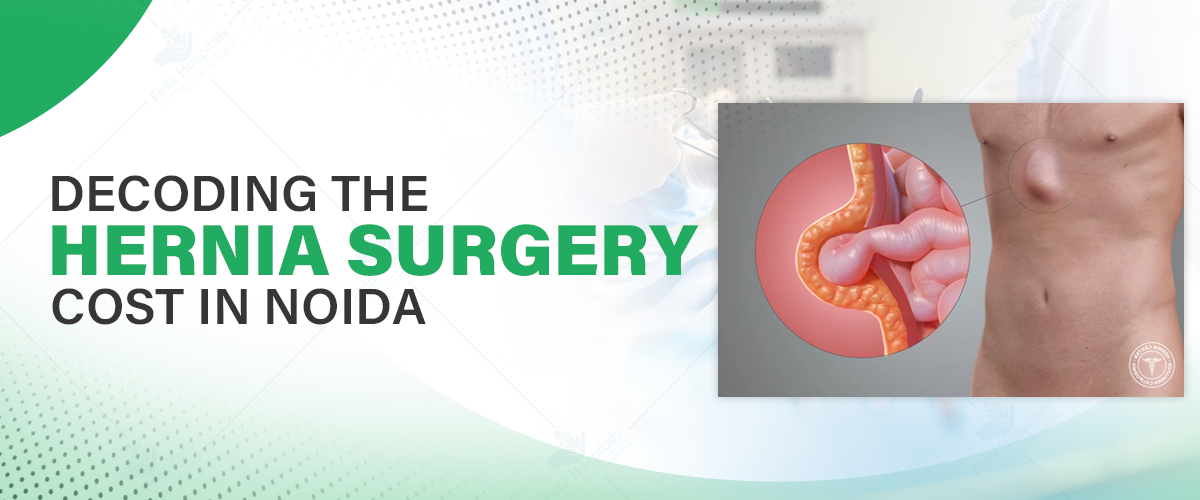
Hernia is a prevalent medical condition that results in pain and complications if not treated. Fortunately, hernia surgery is a simple and trustworthy treatment to fix the condition. Patient concern number one, however, is the Best hernia treatment cost for Noida. The expense may be different considering a number of variables like infrastructure of the hospital, the competence of the surgeon, and nature of the operation needed. Through this blog, we will categorize the cost of hernia surgery, variables, and what you can do to minimize expenses without compromising quality of treatment.
Want to know the cost of hernia surgery in Noida? Get customized quotes, specific to your requirements, and treatment choices to suit your budget. Call us now at +91 9667064100.
A hernia is a protrusion of an organ or tissue through a weak spot in the surrounding muscle or connective tissue. Most common are:
Surgery is usually the best course of treatment, and the price of hernia surgery in Noida can assist patients in planning their treatment accordingly.
The cost of hernia surgery in Noida may differ based on various factors. On average, hernia surgery may cost between ₹30,000 to ₹1,50,000 based on the hospital, experience of the surgeon, and the type of surgery (open or laparoscopic).
| Minimum Cost | Rs. 30,000 |
| Maximum Cost | Rs. 80,000 |
| Average Cost | Rs. 50,000 |
| Minimum Cost | Rs. 50,000 |
| Maximum Cost | Rs. 1,50,000 |
| Average Cost | Rs. 1,00,000 |
Patients must also take into account other expenses like pre-surgery tests, post-surgery medications, and hospital stay fees.
There are various determinants of the total cost of hernia surgery in Noida, including:
If you're worried about the ability to pay the expense of hernia surgery in Noida, following these tips will help save money:
When it is hernia surgery in Noida, one has to select the appropriate healthcare provider. Here's why we are different:
In case you want quality treatment, Dr. Ritesh Kumar Agarwal is among the finest surgeons in laparoscopic nephrectomy at Felix Hospitals. With years of surgery experience in laparoscopic surgery, Dr. Agarwal is one of the finest doctors to get laparoscopic nephrectomy treatment. Patients can rely on his experience for a risk-free and successful surgery, getting the best result. Dr. Agarwal and Felix Hospitals staff offer customized care to assist you during the procedure if you are planning laparoscopic nephrectomy.
Your healing process begins here. Schedule an appointment with our skilled surgeons at Felix Hospitals and receive customized advice and treatment plans.
Hernia surgery is a proper choice for this common ailment, and Noida has a number of good quality options available for treatment. Hernia surgery can be expensive, but with advance planning, patients can obtain decent and trustworthy options without any difficulty. The type of surgery, hospital reputation, and expertise of the surgeon all play a role in determining the final cost. By comparing hospitals, by way of insurance coverage, and by opting for daycare surgery centers, the patient can make healthcare affordable while getting the best treatment. Opting for a reliable healthcare facility such as Felix Hospitals, with its highly trained surgeons, advanced technology, and individualized care, guarantees not only an affordable but also a successful healthcare experience.
Q- What influences the cost of laparoscopic hernia surgery in Noida?
Ans- Laparoscopic hernia surgery will be more expensive because of more technology, advanced equipment, and skilled doctors needed. Hospital setup, surgeon experience, and the nature of hernia are also vital factors in determining the ultimate price.
Q- When can one expect to recover from hernia surgery?
Ans- Recovery period depends on the type of operation. In open surgery, one will take 4-6 weeks to recover, while the recovery period in laparoscopic surgery is a faster recovery, which is usually 2-4 weeks. Listen to your doctor's words and recover fast.
Q- Is hernia surgery risky?
Ans- Although hernia operation is generally safe, like any other operation, complications including infection, haemorrhage, and development of recurrence of hernial relapse can be encountered. Having a good surgeon can minimize the risks considerably.
Q- Can I have a day-case hernia operation?
Ans- Some of the laparoscopic hernial operations are day-case to be home the same day, keeping hospital-staying expenses to a minimum and with a faster return to normal activity.
Q- What are the advantages of laparoscopic hernia surgery compared to open surgery?
Ans- Laparoscopic surgery has a number of advantages over open surgery such as smaller cuts, less pain, quicker recovery, and less scarring but at maybe a greater expense.
Q- Is health insurance available for hernia surgery in Noida?
Ans- Hernia surgery is covered in most health insurance plans, but coverage can depend on the policy and insurance provider. Contact your insurance provider to know what exactly they cover.
Q- How do I choose the best hospital for hernia surgery in Noida?
Ans- While selecting a hospital, consider the surgeon's expertise, hospital facilities, experience of previous patients, and the treatment cost. Well-equipped hospitals with high success rates, like Felix Hospitals, can be the best for providing care and results.

Male infertility is a common issue among men, which affects their pregnancy with a partner. Conception is a multifaceted process that needs more than one reproductive factor to balance, and there are many hindrances to successful pregnancy. Fortunately, with the help of medical science today, male infertility treatment in noida at felix hospital providing specialized care and cutting-edge solutions to aid your path toward parenthood.
Struggling with infertility? Book your consultation now by calling +91 9667064100 to take the first step towards expanding your family.
Male infertility is a condition in which the male reproductive apparatus fails to conceive with a woman. It results from problems relating to the production, function, or transmission of sperm. Both male and female can be infertile, and the issues that relate to the man are accountable for about half of all the cases of infertility.
A male is infertile when he has been engaging in frequent unprotected intercourse for more than one year and has not gotten his partner pregnant.
Male infertility is a worldwide health condition, and it is estimated to affect 186 million people across the globe. Research shows that there are approximately 10-15% of men in the United States who are trying to conceive but have fertility issues.
No, it is not simple to get pregnant. The human race is quite inefficient in reproduction, and even young, healthy couples have only a 20-25% chance of getting pregnant per month of unprotected sex. There are several factors that have an impact on conception and these include:
The first sign of male infertility is the failure to conceive a woman after frequent, unprotected sex. Certain men, however, have other signs, which are typically associated with other conditions like hormonal imbalance, genetic disorder, or reproductive system abnormalities. They may include:
It is advisable to seek a doctor if you have been unable to have a baby for one year or earlier if you have any of the following:
If you are facing infertility, availing a professional medical opinion at the best hospital for male infertility treatment can get the right diagnosis and treatment course that is suitable for your condition.
Male infertility is a multicausal condition that can significantly compromise the fertility of the couple. It is caused by numerous medical, environmental, and lifestyle etiologies which interfere with the production, function, or transport of sperm. Knowledge of the causes can lead to the identification of potential treatment and enhance fertility success.
There are a number of medical conditions and diseases that can cause male infertility, such as:
Genetic and Chromosomal Disorder
In some inherited conditions, the production of sperm can be affected, e.g.:
Kallmann's Syndrome – A syndrome which disrupts the development of hormone and sperm.
Trauma or injury
Some ulcer, arthritis, and high blood pressure medication
2. Environmental Causes
Environmental exposure to certain toxins and physical conditions is likely to cause harm to the health of sperm, including:
Excessive Heat
3. Lifestyle and Health Issues
Substance Abuse
Obesity
There are various causes of male infertility. They are:
Male infertility can cause complications such as:
Male infertility can always be prevented, although avoiding the known causes can be helpful. Try the following:
Male infertility is typically multifactorial, and determining the cause can require a few tests. Keep in mind that some causes remain unknown. For accurate diagnosis and effective treatment, consult the best hospital nearby for expert care. Infertility testing can be costly and is not always covered by insurance, so it's a good idea to check your coverage before proceeding.
In most instances, the cause of infertility cannot be determined. Even if the cause is unknown, your physician can recommend treatment or procedures to facilitate conception. It is usually advisable for the female partner to also be evaluated since infertility can be a mutual problem. In some instances, assisted reproductive methods can be suitable for both partners.
If you are facing infertility because of male infertility, follow the advice of Dr. Bhanwar Lal Barkesia, an experienced urologist in noida at Felix Hospital. Dr. Barkesia has a thorough knowledge of diagnosing and treating male infertility, such as low sperm count, erectile dysfunction, varicocele treatment in noida, and endocrine disorders. By his personalized method, he offers customized treatment programs for treating lifestyle-based infertility, disease, and genes. For identifying the best doctor of male infertility treatment in Noida, look no further than Felix Hospital as your go-to source for high-quality treatment and cutting-edge equipment.
Schedule an appointment today and let our experienced team assist you in identifying the causes and recommending the right treatments for your journey to parenthood.
Male infertility is on the rise, but in the majority of instances, it can be cured or even avoided by proper lifestyle and medical intervention. Early diagnosis and treatment are easier if the causes are known to be genetic, hormonal, or lifestyle. Avoiding excess alcohol and tobacco intake, following a healthy diet, stress management, and timely medical intervention can go a long way in reproductive health.
With newer developments in fertility treatments and a optimistic attitude, the majority of men are able to overcome the issues of infertility and fulfill their desire to become fathers. In addition, understanding the cost of Male Infertility Treatment enables patients to make good decisions regarding what best treatment options are accessible to them.
1. What are the most common causes of male infertility?
Ans- Male infertility may be due to medical conditions such as varicocele, infection, hormonal imbalance, or obstruction in the reproductive system. Lifestyle factors such as alcoholism, smoking, drug abuse, and obesity may also cause infertility.
2. How is male infertility diagnosed?
Ans- Male infertility can usually be diagnosed through a set of tests that range from physical examination, semen analysis, and endocrine tests, and in some, genetic testing, scrotal ultrasound, or testicular biopsy to determine the etiology.
3. Is male infertility treatable?
Ans- Yes, male infertility can often be treated based on the cause. Treatment may be in the form of medication, surgery (like for varicocele, for example), hormone therapy, or assisted reproductive technology like IVF (In Vitro Fertilization) or ICSI (Intracytoplasmic Sperm Injection).
4. When should a man seek help for infertility?
Ans- A man should consult a doctor if he has been attempting to conceive for more than a year and has not succeeded, or if he is experiencing symptoms like trouble ejaculating, pain with testicular sensation, or severe loss of libido or sexual functioning.
5. What is the role of age in male infertility?
Ans- While sperm quality and sperm count decrease in men with advancing age, they are not affected as quickly as in women. However, with increasing age in men, lower sperm quality and quantity, as well as higher chances of having offspring with a genetic abnormality, are associated.
6. Can lifestyle modification enhance male fertility?
Ans- Yes, a healthy lifestyle can improve fertility. This includes healthy weight, no smoking and no excessive alcohol consumption, stress reduction, balanced diet, and no exposure to environmental toxins and excess heat.
7. How does stress impact male fertility?
Ans- Chronic stress is known to influence hormone levels, especially cortisol, which can impact sperm quality and production. Stress reduction through relaxation, exercise, and therapy is known to enhance fertility in a few instances.

Urological health is vital for well-being, influenced by diet and exercise. Good nutrition and activity help prevent conditions like UTIs, kidney stones, and cancers.
Our urology and oncology specialists bring extensive experience and expertise in treating various forms of urological cancer.
Urological health plays a crucial role in men’s overall well-being, affecting both urinary and reproductive functions.

Find the best urologist for your child's UTI with expert care and treatment.
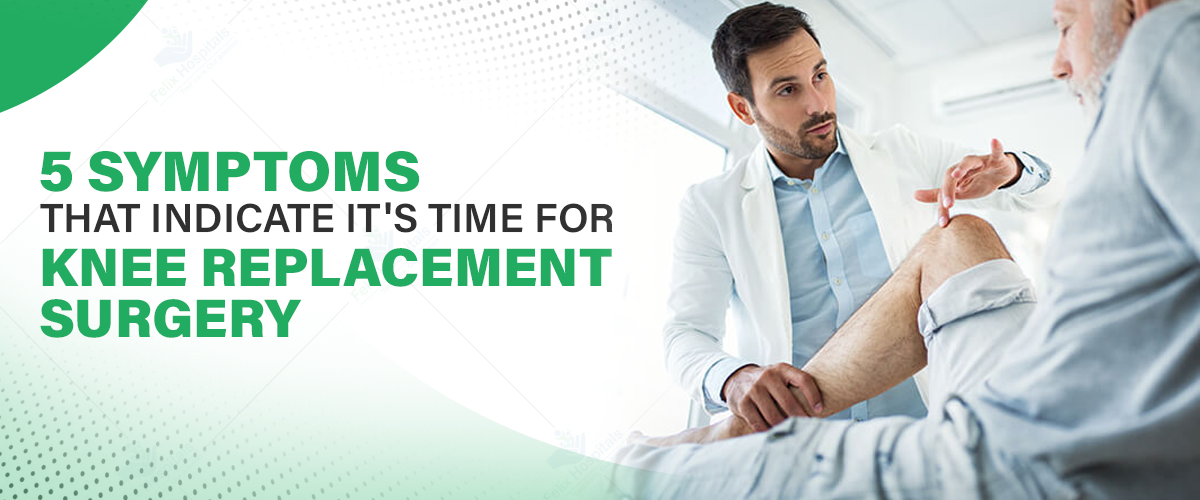
Knee replacement surgery (knee arthroplasty) is a surgical process in which your knee joint or some part of it is replaced by a prosthetic artificial joint. In this procedure, your surgeon removes bone and cartilage that are damaged and replaces them with a prosthesis. The healing process may take as long as a year, but with time and proper recovery, you can slowly get back to your usual routine. If you are planning to have knee replacement surgery, a consultation with the top orthopedic hospital nearby will enable you to get the best treatment and advice from specialists during your recovery period.
Find out more about the benefits of knee replacement surgery and get personalized treatment advice. Call us Today at +91 9667064100.
A knee replacement is a procedure to replace all or part of your knee joint. It's a kind of operation known as an arthroplasty (joint replacement).
A surgeon will take out the worn components of your own knee joint and swap them with an artificial joint (a prosthesis) composed of metal and plastic.
Your surgeon will advise on a total or partial knee replacement:
Knee pain is an illness that affects millions of people globally, in the majority of cases having a profound effect on daily function and quality of life. Despite numerous treatments for joint disease, there are individuals who will ultimately discover that knee replacement surgery is the most effective relief and function. If you are living with persistent knee pain or other objectionable symptoms, it is crucial that you sit down with the top orthopedic physician to assess your situation. In this post, we discuss five common symptoms you might have that may indicate you should get knee replacement surgery and how the best orthopedic surgeon can lead you in the direction of the proper course of treatment.
Recurring knee pain is often the initial indication or initial warning of a more complex underlying condition. If you find that you are having repeated pain that is not helped by rest, physical therapy, or over-the-counter medication, it might be time to look into more invasive procedures. Stabbing, aching, or throbbing pain that may become worse when you walk, climb stairs, or stand for a long time might be worth looking into more invasive procedures.
When to Seek Help: It is important to seek the advice of a medical expert if your joint pain lasts for weeks or affects your daily functioning. Whether the reason behind your pain is damage to cartilage, ligament injury, or arthritis, proper diagnosis will reveal it.
Limited mobility is another indication that you might need knee replacement surgery. It can manifest itself as stiffness, being unable to bend or straighten your knee, or walking for long distances. Simple things you used to do on autopilot—taking the dog out, climbing stairs, or rising from a chair—become more difficult.
When to Seek Help: If you've been staying away from exercise because of knee pain or reduced mobility, you should talk to a doctor about your symptoms. They can order imaging tests, like X-rays or MRIs, to check on the health of your knee joint and whether surgery is required.
Inflammation and swelling of the knee joint can also signal a variety of other conditions, such as arthritis or trauma. If your knee is swelling too often, particularly after exercise, this could be a sign that the joint is breaking down. Swelling will also come with heat on the knee if it continues, which means that there is inflammation.
When to Seek Help: A daily swelling, particularly with pain, is a symptom that cannot be neglected. If self-care measures like ice, rest, and elevation fail to bring down the swelling, a patient should seek medical assistance. He or she can determine the seriousness of your situation and suggest if knee replacement surgery can be necessitated.
Instability of the knee can generate the feeling of inability of the knee to bear your weight, and therefore walking, running, or even sporting activities become challenging. Weakness of the knee joint is usually associated with this symptom, and you feel that you are not able to have complete confidence in your knee and therefore become hesitant to move.
When to Seek Help: If you are having trouble walking or are experiencing frequent instability or weakness, you need to get immediate medical help. These symptoms may be a sign of a condition that, if not treated, can elevate the risk of falls and injury. For assessment of the strength of your knee and recommendation of the most appropriate treatment, including knee replacement surgery, a visit to the top hospital for knee replacement surgery is advisable. There, an orthopaedician can carry out the requisite tests and refer you to a safe, successful treatment plan for your condition.
Most patients begin with conservative methods of managing knee pain, including physical therapy, medication, corticosteroid injections, or lifestyle modification. If these measures have not been well tolerated by you, that may be a sign that your condition has now advanced to the point where more invasive intervention is necessary.
When to Get Help: You should see an orthopedic specialist if, after several months, nonsurgical approaches haven't improved your condition enough. They can evaluate your overall health and advise on the risks and benefits of knee replacement.
Your surgeon and doctor will tell you what you must do to prepare for surgery. In the majority of instances, you'll need:
Let your surgeon and physician know about all prescription and over-the-counter medications and supplements you take. You might have to stop some medications or supplements before your surgery.
Your physician will inform you when to have nothing to eat and drink prior to your surgery the day prior to your surgery. All patients must refrain from eating and drinking for 12 hours prior to surgery.
The surgery day, you'll receive anesthesia to knock you out so you won't feel the pain. Your anesthesiologist will give you either general anesthesia so you can be put under for the surgery or regional anesthesia to numb you from the waist down.
Your surgeon will:
Knee replacements usually last an hour or two.
The artificial components that your surgeon will insert during a knee replacement are closely related to your own natural knee. Rather than bone and cartilage, the synthetic joint consists of metal and plastic. It's designed to appear like, and be identical in size to a natural knee joint.
Once the operation is done, you will be taken to a recovery room. You will be monitored by your operation team for a few hours to ensure that you do not have any issues recovering from the anesthesia. Your vital signs will be monitored, and pain will be assessed.
Some patients undergoing knee replacement are sent home on the day of surgery. You may need to spend a night in the hospital. Your doctor will let you know when you can safely go home.
What are the Benefits of Knee Replacement Surgery?
Knee replacement is a safe, successful operation that gets patients moving and leaves chronic pain behind. The vast majority of patients who undergo knee replacement experience reduced pain, increased use and motion of the knee, and overall improvement in their well-being. However, delaying knee replacement can lead to further joint damage, increased pain, reduced mobility, and a more difficult recovery process.
How long does a Knee Replacement last?
A replacement knee works well for most people for many years. In fact, over 90% of patients undergoing knee replacement have better function of their knee for 10 to 15 years.
Some individuals who undergo knee replacement surgery continue to experience pain and other symptoms in their knee. Infrequent complications are:
Some medical conditions will complicate recovery from a knee replacement. Discuss your medical history with your surgeon. Inform them if you have:
Your surgeon will describe to you what you can expect following surgery and how you can minimize your likelihood of developing complications.
It will normally take around a year to fully recover from a knee replacement. Yet, you can expect to be back doing most of your every day activities by about six weeks following surgery.
Recovery time will differ depending on a variety of issues, including:
Your doctor will give you a customized plan for recovery, but typically you should:
After surgery, you will hurt, especially during the first few weeks of your recovery. You'll have pain from the surgery itself and pain as your body begins to heal.
Your doctor will give you a regimen of prescription pain medication, over-the-counter nonsteroidal anti-inflammatory drugs (NSAIDs) (if it is acceptable for you to use them) and acetaminophen to alleviate your pain. Your doctor will inform you how much of each drug you can take per day or within a specific time period.
Talk to your doctor if you think that you are in too much pain or concerned about side effects of taking painkillers.
When can I return to work after the Knee Replacement?
How long you are out of school or work will depend on how stressful your job or other activity is on your knee. The majority of patients need to rest at home for several weeks after a knee replacement. Your doctor will inform you when you are able to return to school or work.
You will be able to use a walker or cane several days after surgery. But you may need assistance with some of your activities of daily living, such as:
Think ahead and arrange for a friend or family member to assist you after surgery. Your surgeon or doctor can recommend resources if you need assistance in recovering.
Recovery will be safer and simpler if you make your home ready in advance, including:
If knee pain persists despite lifestyle changes, professional intervention is essential. The specialists at the leading hospital for knee replacement surgery include:
These experts provide tailored treatment plans to address knee pain and help restore your mobility, improving your quality of life.
Consult with our expert orthopedic team today to explore if knee replacement surgery is right for you. Schedule your consultation now!
Total knee replacement is a highly effective way to restore the quality of life of people who experience chronic knee pain, restricted mobility, and other knee conditions. When non-surgical treatment is no longer effective and you are plagued by ongoing pain, swelling, instability, or loss of function, the time has come to think about this life-altering surgery. Though recovery is time-consuming and laborious, with proper rehabilitation and care, most of the patients have considerable improvement in mobility, pain relief, and a return to normal life.
But it's worth the cost of knee replacement surgery against a decision. It may vary with factors like a hospital, type of surgery, and your location. Always consult with your doctor to discuss your symptoms, the potential benefits, and the expense, and decide on the best action in your case.
1. How long will a knee replacement last, and at what time will I need to have another one?
Ans: Knee replacements should last between 10 to 15 years or so, based on a variety of factors such as age, activity, and general health. Within 10 to 15 years, some patients will need a revision operation to swap out the prosthetic knee.
2. How long does it take to recover from knee replacement surgery?
Ans: Although it may take as long as a year to fully recover, most people can resume simple activities such as walking or driving in 6 weeks, with ongoing physical therapy assisting in the recovery of mobility and strength.
3. Can I drive after knee replacement surgery?
Ans: You can possibly drive about 6 weeks, but mostly this will be based on your recovery speed and on the leg that you had the procedure done on. It is very crucial to discuss with your surgeon first before driving.
4. Will I have to change my lifestyle after knee replacement surgery?
Ans: You will possibly need to make a few changes to your lifestyle to help your recovery, such as changing your exercise regime and not doing anything that may put too much strain on your knee. Your surgeon will give you some advice to enable you to keep leading a healthy, active lifestyle.
5. How costly is a knee replacement?
Ans: Knee replacement fees can range greatly depending on where in the hospital it's done, whether it's a partial or a total, how experienced the surgeon is, and if there are other treatments involved. Your doctor has to be asked to give an estimate of the price.
6. What are the chances of complications after knee replacement surgery?
Ans: While knee replacement surgery is generally safe, there are some risks such as infection, blood clots, and complications related to the prosthetic implant. These risks are rare, and your surgeon will take steps to minimize them and ensure your safety.
7. Can I resume sports after knee replacement surgery?
Ans: After full recovery, most individuals are able to resume swimming, biking, or walking. Nevertheless, such high-impact sporting activities as basketball or running might be less suitable because they can be too stressful for knee replacement. Always consult your surgeon to find out what are the optimal alternatives for you.

Orthopedics is a specialized branch that takes care of your musculoskeletal problems related to joints, bones, muscles, spine, ligaments, and tissues.

Knock knees, medically known as genu valgum, is a common condition in young children where the knees angle inward and touch one another when the legs are straightened.

As we age, one of the most noticeable signs of aging is the formation of wrinkles. These fine lines and creases develop due to various factors, including the natural aging process, sun exposure, and lifestyle choices. Wrinkles can appear around the eyes, mouth, and forehead, prompting many individuals to seek solutions to smooth and rejuvenate their skin. Among the numerous treatments available, dermabrasion stands out as an effective method for addressing wrinkles and other signs of aging. Often performed in specialized facilities in plastic surgery hospitals, this procedure is trusted by experienced dermatologists and surgeons to tackle various skin concerns, including aging-related changes. In this blog, we’ll delve into how dermabrasion works, its benefits, and how it can help you achieve youthful, radiant skin.
Say goodbye to wrinkles and hello to radiant, youthful skin. Schedule your dermabrasion appointment by Calling +91 9667064100.
Dermabrasion is a professional skin-resurfacing treatment designed to exfoliate the outer layers of the skin. It involves the use of a high-speed rotating device with an abrasive surface that removes damaged skin cells, promoting the growth of healthier, smoother skin underneath. The process stimulates collagen production, a protein responsible for maintaining the skin’s structure, elasticity, and firmness.
In essence, dermabrasion is a controlled way of “sanding” the skin to eliminate rough patches and imperfections, making it an effective solution for addressing wrinkles, scars, and uneven texture. The procedure can be customized depending on the severity of skin concerns and the areas being treated.
Wrinkles form when the skin loses collagen and elastin, key components that provide skin with its firmness and elasticity. With age, the production of these proteins decreases, resulting in the formation of fine lines and wrinkles. Dermabrasion works by exfoliating the outer layers of the skin, removing damaged, aged skin cells and allowing new, more youthful skin to emerge.
The mechanism behind dermabrasion for wrinkles is its ability to stimulate collagen production. As the outer skin layers are removed, the body responds by creating new skin cells and increasing collagen synthesis. This not only smooths out fine lines and wrinkles but also helps to restore skin elasticity, making the skin appear firmer and more youthful.
By targeting the deeper layers of the skin, dermabrasion can reduce the appearance of both fine lines and deeper wrinkles. As the skin heals and regenerates, it appears smoother, with a more even texture and tone, making it an ideal solution for individuals looking to reverse the effects of aging.
Dermabrasion offers both immediate and long-term benefits for aging skin. After the procedure, many patients notice a significant improvement in their skin’s appearance. The treatment effectively smooths the skin’s texture, removes dull, dead skin cells, and boosts overall skin radiance. Here are some of the key anti-aging benefits of dermabrasion:
Dermabrasion for wrinkles is suitable for many people, but it works best for individuals with specific skin types and conditions. The ideal candidate for dermabrasion is:
Before opting for dermabrasion, a thorough consultation with a dermatologist or plastic surgeon is necessary. They will evaluate your skin type, the severity of your wrinkles, and your overall health to determine if dermabrasion is the right solution for you.
When it comes to wrinkle treatments, dermabrasion is one of several options available. Let’s compare it with other popular anti-aging treatments:
During the procedure, a local anesthetic is applied to numb the area being treated. A dermatologist or surgeon uses a rotating device with an abrasive tool to remove the outer skin layers. The treatment typically lasts between 30 minutes to an hour, depending on the area being treated.
After the procedure, you can expect some redness, swelling, and a mild burning sensation, similar to a sunburn. Recovery time varies, but most people can return to their normal routine after about 7 to 10 days. Post-care instructions include keeping the skin moisturized and avoiding sun exposure to prevent complications.
Ready to experience smoother, youthful skin? Book your consultation today with our Top expert dermatologists in Noida
When considering dermabrasion, entrusting your skin to experienced professionals is crucial. Felix Hospitals is home to some of the most skilled plastic surgeons who ensure precision and safety during procedures.
Dermabrasion is a highly effective treatment for reducing wrinkles and rejuvenating aging skin. By exfoliating the outer layers of skin and stimulating collagen production, dermabrasion can improve skin texture, tone, and elasticity, offering both immediate and long-term anti-aging benefits. If you're considering dermabrasion for wrinkles, it's essential to consult a professional at a reputable clinic or Best plastic surgeon in Noida to ensure the best results for your skin type and needs. With proper aftercare, dermabrasion can help restore a youthful, radiant appearance, giving you smoother, firmer skin.
1. How does dermabrasion differ from laser skin resurfacing for wrinkles?
Ans: Dermabrasion uses a mechanical exfoliation technique to remove the skin’s outer layers, while laser resurfacing employs light energy to target deeper skin layers. Dermabrasion is more effective for surface-level wrinkles, whereas lasers often address pigmentation and deeper imperfections.
2. Can dermabrasion treat deep wrinkles effectively, or is it more suited for fine lines?
Ans: Dermabrasion works best for fine lines and shallow wrinkles, though it can soften the appearance of deeper wrinkles. For significant wrinkle reduction, it’s often combined with other treatments like fillers or laser therapy.
3. What makes dermabrasion a better option than Botox for wrinkle treatment?
Ans: Unlike Botox, which temporarily paralyzes facial muscles, dermabrasion improves the skin’s texture by removing damaged layers and stimulating collagen. This provides more natural-looking and longer-lasting results for skin rejuvenation.
4. How soon will I see results after a dermabrasion procedure?
Ans: Initial improvements in skin texture and tone are visible once redness subsides, usually within a week. Collagen production continues for several weeks, leading to enhanced long-term results.
5. Is dermabrasion painful, and how is discomfort managed during the procedure?
Ans: The procedure is performed under local anesthesia to minimize discomfort. Most patients describe the sensation as mild to moderate, similar to a deep exfoliation.
6. Are there any risks of pigmentation changes after dermabrasion?
Ans: While rare, pigmentation changes like hyperpigmentation or hypopigmentation can occur, especially in darker skin tones. Following aftercare instructions and avoiding sun exposure reduces these risks.
7. Can dermabrasion be used to treat wrinkles around sensitive areas like the eyes or mouth?
Ans: Yes, dermabrasion can target fine lines around sensitive areas like the eyes and mouth, but it requires expert precision to avoid complications.
8. How long do the results of dermabrasion last, and is maintenance necessary?
Ans: Results can last several years, especially when paired with good skincare and sun protection. Maintenance treatments may be recommended every few years to prolong the effects.

Plastic surgery cost in Noida depends on the procedure type, surgeon expertise, hospital infrastructure, and post-surgery care.

Sexually transmitted diseases (STDs) are infections that spread from one person to another through sexual contact. They can be caused by bacteria, viruses, or parasites and affect millions of people worldwide. While many STDs do not cause immediate symptoms, they can lead to serious health complications if left untreated. Understanding the causes, symptoms, and prevention of STDs is crucial for reducing their spread and maintaining overall health.
Early diagnosis and treatment play a key role in preventing complications and limiting disease transmission. If untreated, STDs can result in severe health issues, including infertility, pelvic inflammatory disease (PID), chronic pain, and an increased risk of HIV infection. Regular testing and timely medical care at the best urology hospital nearby are essential for effective management and treatment.
Early detection is key to preventing complications. Contact us to book your screening and consultation by calling +91 9667064100 with our trusted team of specialists.
Sexually transmitted diseases (STDs), or sexually transmitted infections (STIs), are infections that are transmitted from one individual to another during sexual contact. They are typically transmitted during vaginal, oral, or anal sex. But sometimes they are transmitted by other sexual contact involving the vagina, penis, mouth, or anus. This is because some STIs, such as herpes and HPV, are transmitted through skin-to-skin contact.
A few STIs may be transmitted to the baby when a person has the STI during pregnancy or childbirth. Others are transmitted when a person transmits the disease through breast-feeding, via blood transfusion, or needle sharing.
Sexually transmitted diseases are characterized by the presence of numerous symptoms or perhaps no symptoms. That's the reason that, in some instances, sexually transmitted infections remain unsuspected until complications occur or someone is diagnosed as having the STI.
Symptoms of sexually transmitted infection can occur several days after having the exposure. However, you might not recognize that something is wrong for several years, depending on what the cause of the STI is.
Sexually transmitted diseases may be caused by:
Anyone who is sexually active can get or spread an STD. Risk factors that can possibly increase the risk of contracting a sexually transmitted disease are:
If you are at risk or experiencing symptoms, consulting specialists at the best urology hospital in Noida can ensure accurate diagnosis, effective treatment, and proper guidance for maintaining sexual health.
The majority of individuals in the initial stages of an STD have no symptoms. That is why screening is necessary to avoid complications.
There are several methods of avoiding or reducing your risk of contracting an STD.
The best doctor in the hospital will only prescribe these HIV prevention medicines to you if you do not have HIV. You will be required to take an HIV test before you begin using PrEP and then every three months as long as you continue taking PrEP.
Your doctor will also check your kidney function before prescribing a Truvada prescription. Your doctor then will check your kidney function every six months. If you have HIV and also are hepatitis B positive, talk to an infectious diseases specialist or a liver doctor before therapy.
At Felix Hospital, we are aware of the significance of treating and preventing sexually transmitted diseases (STDs) in a manner that protects the safety of your health. Our gynecologists are committed to providing you with comprehensive care for the prevention, diagnosis, and treatment of STDs so that you can benefit from the optimum quality of treatment at each and every step.
Our doctors are:
Additionally, our experienced urologists, like Dr. Bhanwar Lal Barkesiya, are also available to treat urological complications that may be brought about by STDs. From dysuria to erectile dysfunction, our urologists are committed to providing the right diagnosis and tailored treatment programs to suit your personal needs.
If you suspect you may have been exposed to a sexually transmitted infection don’t wait. Schedule an appointment with our expert gynecologists and urologists.
Sexually transmitted diseases (STDs) are an ongoing public health issue, but they can be prevented with just caution. Safe sex, routine screening, honest communication with partners, and prompt medical treatment can decrease the risk of infection and its impact. Vaccination and preventive drugs like PrEP also help protect against certain STIs. Early treatment and diagnosis are necessary to manage infections and avoid long-term health consequences. Being aware and making the right decision can preserve people's health as well as assist in managing sexually transmitted diseases in the general population.
Q- How do you prevent sexually transmitted infections?
Ans- STIs can be avoided through the use of condoms, having safe sex, being vaccinated against certain infections such as HPV and hepatitis, and routine check-ups. Limiting the number of sexual partners and disclosing health and safety to your partner can also minimize risk.
Q- What are STD symptoms, and should I worry if I have them?
Ans- STDs can be caused by such symptoms as painful urination, sores, abnormal discharge, or lower abdominal pain. The majority of STDs, however, are asymptomatic. Should you experience any of these symptoms or believe you have been exposed to an STD, it's necessary to get medical help right away to prevent complications.
Q- Can STDs be transmitted when there are no visible symptoms?
Ans- Yes, most STDs can be spread even when you don't have any symptoms. That's why it's so crucial to get tested on a regular basis, especially if you're having sex, so that you don't unknowingly spread or catch one.
Q- Can STDs be prevented during oral sex?
Ans- Although oral sex is safer than vaginal and anal sex, STDs do get transmitted. If a dental dam or condom is used, the risk of disease transmission can be reduced while performing oral sex.
Q- How often should I get an STD test?
Ans- The amount of testing that you should have depends on your sex life. You should get tested once a year if you are sexually active, and more frequently if you have more than one partner, if you change partners, or have unprotected sex.
Q- Are sexually transmitted diseases curable?
Ans- Certain STDs like chlamydia and gonorrhea are treatable with antibiotics. Viral STDs including HIV, herpes, and HPV cannot be treated but can be controlled through medication. Early diagnosis and appropriate treatment are essential in controlling and preventing disease transmission.
Q- Will STDs impact my fertility?
Ans- Yes, if untreated, STDs such as gonorrhea and chlamydia can result in pelvic inflammatory disease (PID) in women, which causes infertility. In men, epididymitis is caused by untreated STDs, which affects fertility as well. Regular testing and treatment are required in order to ensure reproductive health.

Learn how a CT Angiogram helps assess heart disease and your heart score effectively.

Discover six heart rhythm disorders, their causes, symptoms, and treatment options.
Preventive measures are necessary to ensure the well-being of the heart, and periodic cardiac checkups and screening are essential to enable early diagnosis and prevention. Routine checkups assist in detecting risk factors such as high blood pressure, elevated cholesterol, and other cardiovascular issues before they become severe. By monitoring heart function regularly, one can take preventive measures to reduce their risk of cardiovascular disease and live longer and healthier. By arranging check-ups on a priority basis, timely interventions are achieved, and these lead to correcting probable flaws before they form major issues.
Early diagnosis and specialized care are the remedies for evading major heart complications. Call us now for any type of heart complications by calling +91 9667064100.
Cardiac check-ups and screenings involve a series of tests and exams to test for overall cardiovascular well-being. The checks are necessary because most cardiovascular diseases, such as hypertension, coronary artery disease, and arrhythmias, present no symptoms during their initial phases. Early diagnosis allows one to take the right measures to effectively manage these diseases, avoiding any major complications in the long run.
Most heart conditions, such as coronary artery disease, arrhythmias, and valve disease, occur without symptoms. Screenings can detect these problems early, and they can then be treated and managed more effectively.
Cardiac screenings give you important information about important health measures, including cholesterol, blood pressure, and how your heart is performing. These tests enable you and your physician to make educated choices about your well-being.
Screening tests identify significant risk factors like high cholesterol, diabetes, obesity, and smoking. Awareness of such risks gives the patient the power to make significant lifestyle changes for the prevention of heart disease.
According to screening, doctors can prescribe individualized prevention plans such as dietary change, exercise program, medication, or other intervention specially tailored for individuals.
Regular check-ups offer peace of mind about your heart health, ensuring that potential problems are ruled out or addressed at the earliest opportunity. Even if test results are in normal range, the reassurance is a comfort to your overall health.
Taking an active role in your heart health with ongoing screenings is a major move toward an healthier, more active life. Don't wait until symptoms appear—schedule your heart check-up now!
Early detection of heart disease enables us to intervene proactively, decreasing substantially the risk of developing complications like heart attack and stroke. Early detection increases the health of the heart, overall wellness, and long-term prognosis through lifestyle changes, medications, and other treatments. Preventive care today can save your heart and improve your quality of life. For comprehensive heart care, visit the best hospital near by.
Heart tests are a collection of screenings to ascertain the heart's state of health as well as expose latent dangers. According to your age, past diseases, and risk factors, your doctor can order the following tests:
Routine heart screening is essential to the preservation of cardiovascular health. Screening intervals differ based on age and personal risk factors:
Early detection and routine screening place you in the driver's seat to make your heart healthy. If you have symptoms or are worried about cardiovascular risk factors, call a healthcare professional for individualized screening advice. Your healthier tomorrow begins today!
If your cardiac test identifies a heart condition, timely and effective treatment is required. At Felix Hospitals, Heart Specialist Hospital in Noida, we provide the newest cardiac care, which is designed to suit your requirements with optimal outcomes. Our treatments are as follows:
Felix Hospital provides exceptional cardiac care with the expertise of some of the best Heart specialists in Noida. Our team of skilled specialists includes:
Felix Hospital is a technology-driven, top-class heart hospital in Noida. We deliver personalized and holistic heart care to facilitate our patients to attain their best outcomes.
Book an appointment for a cardiac check-up today and start off on the right foot with heart-friendly years!
Your heart is the core of your health, and visiting check-ups from time to time in place of its significance may prove to be a blessing in preventing life-claiming illnesses. Early detection, customized treatments, and specialist advice will help you take proactive measures to secure your cardiovascular health. Felix Hospitals, Noida, boasts an illustrious team of cardiologists who are committed to providing holistic heart care, from routine screening to advanced therapy. If you are searching for a heart check-up package price, we offer competitive and tailored screening packages to meet your requirements.
Q- What does Felix Hospital's heart check-up package provide, and how is it different from other hospitals?
Ans- Felix Hospital's heart check-up package provides ECG, echocardiogram, cholesterol test, and blood pressure. It is different from the majority of hospitals in that it provides options for individualized screening according to individual risk factors and disease histories.
Q- How would I know whether I need a cardiac check-up even if I am asymptomatic?
Ans- The majority of the cardiac diseases develop in a silent manner before their manifestations. In cases with risk factors like family history, obesity, diabetes, or hypercholesterolemia, a check-up is advisable even if no apparent symptoms exist.
Q- Are there various cardiac screening tests for younger and older patients?
Ans- Yes, the young adults (20-39 years) will typically receive baseline studies such as blood pressure and cholesterol, while over 40 would require stress testing, echocardiography, or other imaging based on risk category.
Q- What is the package cost of a heart check-up at Felix Hospital, and do you provide customized plans?
Ans- The cost of the heart check-up package at Felix Hospital varies depending on the tests. Felix Hospital provides individualized screening plans based on age, lifestyle, and medical conditions, thus cost-effective and patient-centered.
Q- How long will it take to get my cardiac screening results at Felix Hospital?
Ans- All routine test results such as cholesterol and ECG are returned in a few hours, but more extensive reports such as echocardiograms or stress tests can take 24-48 hours. Physicians review and re-review results in a prompt manner.
Q- Do I need to have a doctor's prescription to get a heart check-up?
Ans- Yes, in Felix Hospital, there is no referral required to book for a cardiac screening. You can book a preventive heart check-up appointment on your own interest or risk factors.
Q- What lifestyle modifications will Felix Hospital suggest if my screening reveals heart risk factors?
Ans- Felix Hospital cardiologists offer individualized lifestyle change, such as heart-healthy eating, exercise programs, stress reduction therapy, and, when necessary, medication to manage risk factors appropriately.
The primary goal of the Treadmill Stress Test is to evaluate how well the heart responds to increased physical activity
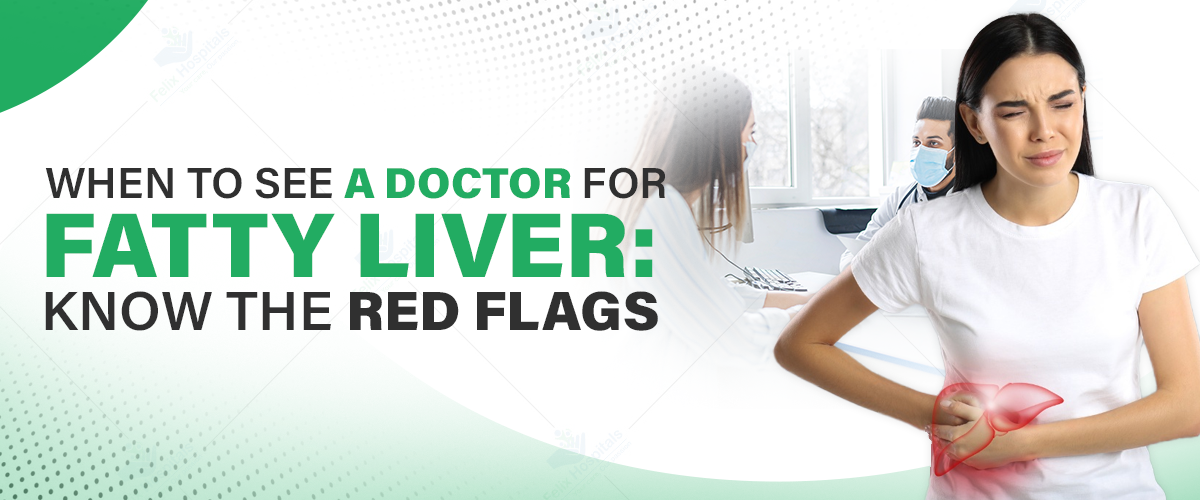
Fatty liver disease is an increasingly prevalent condition affecting millions worldwide, often silently impairing liver function. This blog delves into its early signs, critical red flags, and the importance of timely intervention to prevent severe complications. Early recognition of symptoms and seeking professional medical care are vital steps in preserving optimal liver health. To ensure the best care for fatty liver disease, consulting experts at the best gastro hospital is essential for your well-being.
If you’re concerned about your liver health or experiencing any related symptoms. Call Felix Hospital at +91 9667064100 to consult our experienced specialists.
Fatty liver disease refers to the accumulation of excess fat in liver cells, impairing the organ’s ability to function efficiently. It often progresses silently, but early identification is critical to avoid serious consequences.
1. Non-Alcoholic Fatty Liver Disease (NAFLD):
A common condition not associated with alcohol consumption. It often develops in individuals with obesity, insulin resistance, or high cholesterol levels.
2. Alcoholic Fatty Liver Disease (AFLD):
Caused by excessive alcohol intake, leading to inflammation and liver damage over time.
Early stages of fatty liver disease may not present obvious symptoms. However, some subtle signs to watch for include:
1. Fatigue and Unexplained Weakness:
Feeling persistently tired without a clear cause.
2. Mild Pain or Discomfort in the Upper Right Abdomen:
A dull ache can signal inflammation or liver enlargement.
3. Unexplained Weight Loss:
A sudden decrease in weight without changes to diet or exercise routines.
These symptoms, while mild, should not be ignored as they may indicate the onset of liver dysfunction. It is essential to incorporate foods to keep the liver healthy into your diet to support liver function and prevent further complications. A balanced diet rich in antioxidants, fiber, and healthy fats can help maintain optimal liver health.
Fatty liver disease often begins silently, but as it progresses, symptoms become more pronounced, signaling the need for immediate medical intervention. Ignoring these signs can lead to severe complications, including liver failure.
1. Persistent Abdominal Pain
A dull, persistent pain in the upper right abdomen is one of the early warning signs of advanced liver damage. This discomfort may intensify over time and become more frequent, often indicating inflammation, liver enlargement, or scarring (fibrosis).
2. Jaundice
Yellowing of the skin and eyes, known as jaundice, occurs when the liver struggles to process and excrete bilirubin, a byproduct of red blood cell breakdown. This can signify significant liver dysfunction or damage.
3. Swelling (Edema and Ascites)
Swelling in the legs (edema) and fluid accumulation in the abdomen (ascites) are common in advanced fatty liver disease. These symptoms indicate poor liver function, often linked to increased pressure in the blood vessels around the liver (portal hypertension).
4. Easy Bruising or Bleeding
The liver plays a crucial role in producing clotting factors. When its function is impaired, the body’s ability to form clots diminishes, leading to frequent bruising or prolonged bleeding from minor cuts.
5. Confusion or Memory Problems
Cognitive issues, such as confusion, forgetfulness, or difficulty concentrating, can be signs of hepatic encephalopathy. This condition occurs when the liver is unable to filter toxins from the bloodstream, allowing them to reach the brain.
6. Dark Urine and Pale Stool
Changes in urine and stool color are often related to bile production and excretion issues. Dark urine and pale or clay-colored stool may signal bile duct obstruction or reduced bile flow due to liver dysfunction.
Certain groups are more susceptible to fatty liver disease due to lifestyle, genetics, or environmental exposure:
1. Individuals with Pre-existing Conditions:
People with obesity, type 2 diabetes, or metabolic syndrome are at a higher risk.
2. Family History of Liver Disease:
A genetic predisposition can increase susceptibility.
3. Prolonged Exposure to Hepatotoxic Substances:
Alcohol, certain medications, or toxins can contribute to liver damage over time.
At Felix Hospital, we prioritize your liver health with expert guidance and advanced care. Our experienced gastroenterologists, Dr. Jagatjot Singh Gill, and Dr. Amrit Yog Datley, are dedicated to diagnosing and treating liver conditions with precision.
Take the first step toward better liver health. Call Felix Hospital at +91 9667064100 today!
Fatty liver disease is a silent but potentially serious condition. Recognizing the red flags early and seeking timely medical care can make a significant difference in outcomes. Regular check-ups, a healthy lifestyle, and expert guidance can help you maintain optimal liver health and prevent complications.
Don’t ignore the signs—your liver health matters. Reach out to Felix Hospital for comprehensive care and expert advice on managing and preventing fatty liver disease.
Q1. What are the most effective dietary changes to reverse fatty liver disease?
Ans: Incorporate liver-friendly foods like leafy greens, whole grains, nuts, fatty fish, and antioxidant-rich items like berries. Limit sugary drinks, fried foods, processed snacks, and alcohol to reduce fat accumulation and improve liver health.
Q2. Can fatty liver disease be reversed entirely?
Ans: Yes, early-stage fatty liver disease, especially NAFLD, can often be reversed through lifestyle changes like weight loss, healthy eating, and regular exercise. Advanced stages may require medical interventions.
Q3. Is alcohol consumption safe for someone with non-alcoholic fatty liver disease (NAFLD)?
Ans: Even small amounts of alcohol can worsen liver damage in people with NAFLD. It’s best to avoid alcohol entirely to support liver recovery.
Q4. What is the role of exercise in managing fatty liver disease?
Ans: Regular physical activity, like brisk walking or strength training, helps reduce liver fat and improves insulin sensitivity. Aim for at least 30 minutes of moderate exercise 5 times a week.
Q5. Are there any specific warning signs of fatty liver in children or teenagers?
Ans: Fatty liver in children often shows unexplained weight gain, fatigue, or mild abdominal discomfort. Early diagnosis and intervention are essential for younger patients.
Q6. How is fatty liver disease linked to diabetes and obesity?
Ans: Obesity and diabetes contribute to insulin resistance, which leads to fat buildup in the liver. This relationship makes managing these conditions critical to preventing or treating fatty liver disease.

Gastric problems occur when excess acid or digestive disturbances affect the stomach lining, causing symptoms like bloating, acidity, and pain. Timely diagnosis ensures effective treatment.

Expert gastroenterology care for better digestive health, offering advanced diagnosis and treatment for GERD, IBS, ulcers, and liver disorders.


Subscribe to our
© Copyright 2026. All Rights Reserved by Felix Healthcare Private Limited
Design and development by :


 +(91)9667064100
 Emergency : +(91)9667064100