 WhatsApp
 Emergency:
  WhatsApp





Subscribe to our
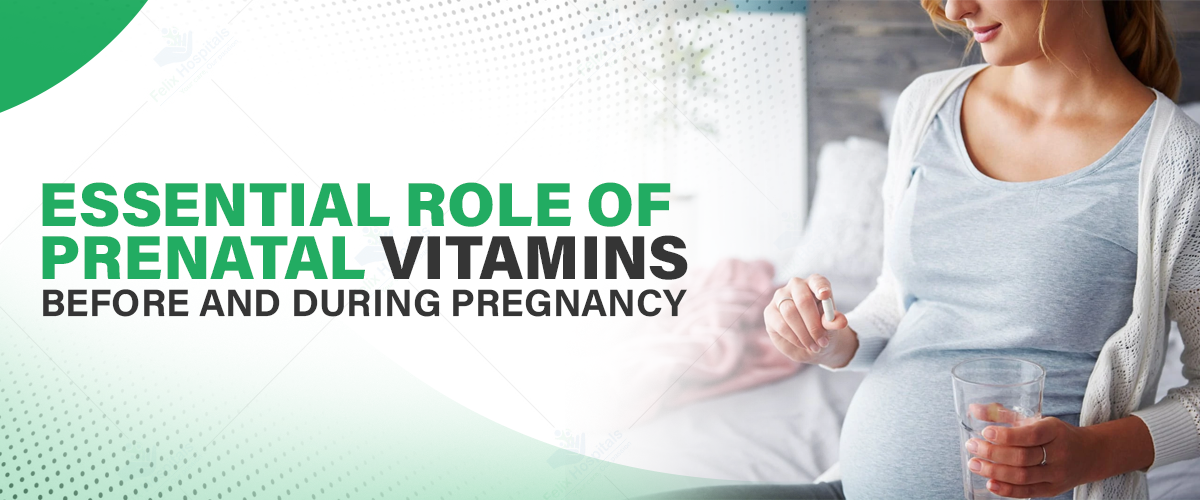
Are you wondering whether you need to take prenatal vitamins or if you are having side effects like constipation due to them? Find answers to your questions here!
Even though a well-balanced diet is the ideal means of acquiring essential nutrients, pregnancy may lead to deprivation of essential minerals and vitamins. Being pregnant or planning to become pregnant, prenatal vitamins fill the nutritional gap. If you like to take professional suggestions regarding prenatal care, rely on the best gynecology hospital to provide you with personalized guidance for your health and well-being.
Talk to our gynecologists by calling +91 9667064100 today and get tips on prenatal vitamins and a healthy pregnancy.
Prenatal vitamins are daily supplements that pregnant or soon-to-be-pregnant women can take. They have all the vitamins that are needed to nourish the baby while it grows. Over-the-counter at most grocery stores, pharmacies, and online, there are numerous brands to choose from. The best Gynecology physician will prescribe one in particular or even write a prescription for a prenatal vitamin from the pharmacy.
Although nothing takes the place of a healthy diet, prenatal vitamins fill in what food can't provide. During pregnancy, your body needs increased levels of certain nutrients, including folic acid and iron, to nourish a developing baby. Prenatal vitamins provide you with these nutrients in the quantities you require.
It is better to start taking prenatal vitamins a month to three months prior to when you plan to start conceiving. That's because there are certain birth defects that happen early in pregnancy, even when the woman herself does not yet know that she is pregnant. If you are pregnant already, then start taking prenatal vitamins as soon as possible after you can confirm the pregnancy.
A balanced diet is to be adhered to at all times, but there are certain vitamins and minerals that are especially essential while pregnant. Following are some of the most essential ones:
Other Important Vitamins
With so many on the market, it can be difficult to find the best prenatal vitamin. Get your health care provider's recommendation. Always check the label so that the supplement includes all the nutrients listed above.
Ultimately, consuming prenatal vitamins in conjunction with a healthy, well-balanced diet is what will result in a healthy baby.
Some women have side effects when they take prenatal vitamins. The most frequent ones are:
If the side effects continue, try taking another brand of prenatal vitamin or consult the best gynecologist at the best hospital for pregnancy, just for a suggestion.
No, prenatal vitamins will not cause weight gain. There is no indication to suggest that the use of prenatal vitamins will cause weight gain if you're not pregnant.
It is important not to take over what is required in prenatal vitamins. Taking an excess of it is dangerous. If you think that you are not receiving a certain nutrient, consult your doctor. Depending upon your condition, they might write or suggest prescription or extra supplements for you.
A single skipped prenatal vitamin here and there won't damage your pregnancy, but most health care providers suggest taking prenatal vitamins every day. They help prevent complications during pregnancy and promote fetal development by filling your body with vital nutrients.
It's always good to take prenatal vitamins if you aren't pregnant, but particularly in the childbearing age group. Some doctors recommend taking a prenatal vitamin as a precautionary measure. However, if you're past childbearing age or you're pretty sure you won't get pregnant, a daily multivitamin would probably be okay.
Here at Felix Hospital, we do recognize the significance of nutritional needs of a pregnant woman towards fetal and maternal development. Prenatal vitamins play a crucial role in ensuring that women obtain appropriate nutrients for pregnancy health. Our gynecologists are available to advise you on pregnancy, providing you with all information and guidance required to make educated choices regarding prenatal vitamins as well as general health.
Our experienced gynecologists are:
These specialists provide expert guidance and individualized care so that you're on the right path for a healthy pregnancy, including how to properly use prenatal vitamins. Whether you want to conceive, are pregnant, or have pregnancy problems, we are here to offer expert guidance according to your requirements.
Schedule a consultation with our experienced gynecologists and receive the professional guidance you require for a healthy and safe pregnancy.
In conclusion, prenatal vitamins are an essential component of maintaining fetal and maternal health during pregnancy. They complete any nutritional deficiencies and supply the necessary nutrients required for a healthy pregnancy and baby growth. Whether you are planning to have a baby or are already pregnant, your healthcare provider is the best person to seek advice from in terms of selecting the best prenatal vitamins. Felix Hospital has experienced gynecologists who will guide you through every stage of pregnancy, providing personalized advice and treatment to make the best possible decisions for yourself and your child. Call us today to speak with our experts and start the journey to a healthy pregnancy!
1. Do I have an allergy history? Can I take prenatal vitamins?
Ans: If you have allergies, particularly to certain vitamins or minerals, it is advisable to consult your healthcare provider first to take prenatal vitamins. They can assist in selecting a safe supplement for you.
2. Are there some prenatal vitamins, preferably, recommended for anemic women?
Ans: Increased levels of iron are required for patients with anemia, hence, the doctor may advise a course of taking extra iron-content prenatal vitamins so that healthy red blood cells would form properly and deliver oxygen to the baby efficiently.
3. What must I do when I miss my dose of prenatal vitamins?
Ans: If you've missed a prenatal vitamin dose, take it the moment you recall. If near the time when you are due for your next dose, you can omit the missed dose but do not take two doses together to compensate for the one that was missed. Consult your physician if you have missed several doses.
4. Are prenatal vitamins available for women who are lactose intolerant or following a vegan diet?
Ans: Yes, prenatal vitamins do come for special dietary requirements, such as vegan or lactose intolerance. Your healthcare provider may recommend brands based on your specific needs.
5. Can I switch prenatal vitamin brands if I'm not experiencing side effects?
Ans: If you are not having any side effects and are comfortable with your current prenatal vitamin, there is no necessity to switch in general. But if you feel that the present brand is not working or you want to try something different, talk to your doctor before making any switch.
6. How long should I take prenatal vitamins after giving birth?
Ans: You will be notified upon delivery whether or not to continue taking prenatal vitamins, particularly if you are breastfeeding, since your body is still in need of essential elements for you and your baby. You will be instructed as to when to discontinue by your practitioner.
7. Are prenatal vitamins going to cause miscarriage if used incorrectly?
Ans: It is safe to take prenatal vitamins as instructed by your physician and will not lead to miscarriage. If you take it more than the suggested dose or take it in a wrong manner, it can lead to harm; thus, adherence to the recommended dosage is vital. Always consult your doctor if you are concerned.
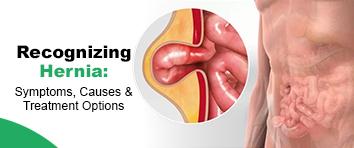
A hernia typically occurs due to a combination of muscle weakness and strain. This can happen from factors such as aging, injury, heavy lifting, chronic coughing, or conditions like pregnancy and obesity.
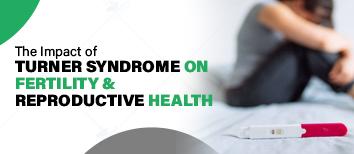
Turner Syndrome can impact fertility and reproductive health, causing challenges with ovarian function, hormone production, and pregnancy for affected women.
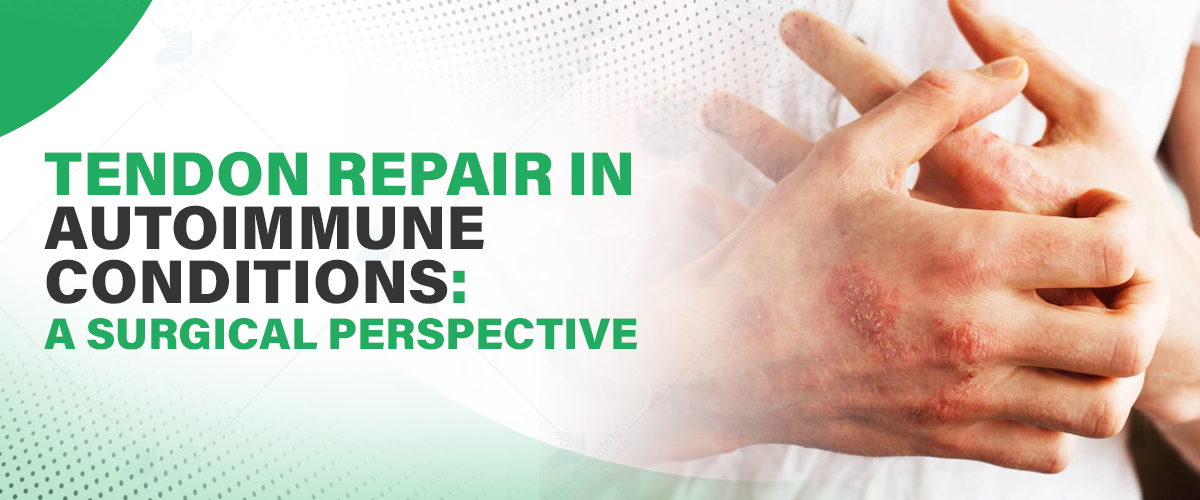
Autoimmune diseases, including Rheumatoid Arthritis (RA), Systemic Lupus Erythematosus (SLE), and Ankylosing Spondylitis, tend to affect the musculoskeletal system, especially the tendons. Tendons, being attachments of muscles to bones, are vital for movement and joint stabilization. Autoimmune diseases tend to result in chronic inflammation, causing tendon damage, degeneration, and rupture. Tendon repair surgery is therefore necessary in these instances in a bid to regain function, alleviate pain, and enhance the quality of life for the patients.
If you like a best rheumatology hospital within the locality that has experience with autoimmune diseases and their musculoskeletal manifestations, ensure that the center offers up-to-date surgical and non-surgical interventions. Tendon repair surgery in such a situation needs to be planned carefully and carried out in time to avoid permanent disablement.
This blog is an analysis of the surgical process of repairing tendons in autoimmune diseases considering the significance of early treatment, the sequence of surgeries, and issues encountered during treatment.
Get Started on Your Recovery Journey, Don't let autoimmune diseases hinder your movement. Call us Today at +91 9667064100.
Autoimmune diseases are when the immune system, which is supposed to defend the body against infection from viruses and bacteria, instead attacks healthy tissue. The faulty immune response creates inflammation that, over time, can severely damage tendons. Rheumatoid Arthritis, Lupus, and Ankylosing Spondylitis are especially known to attack tendons, causing:
Tendons are a vital part of the musculoskeletal system, which transmit the force generated by muscles to bones to facilitate movement. Tendon injury in autoimmune conditions can result in:
Other tendon injuries that affect autoimmune patients include rotator cuff tears, Achilles tendonitis, and trigger finger. These conditions are particularly challenging for autoimmune patients, as their immune system can contribute to chronic inflammation and tendon degradation. Proper diagnosis and timely intervention are crucial to prevent further complications such as reduced mobility, chronic pain, and long-term joint damage. Specialty care from experts at a best hospital nearby can help manage these conditions effectively, offering treatment options like physical therapy, corticosteroid injections, or even surgical interventions when necessary, to preserve functionality and enhance quality of life.
Conservative means like medication, physio, and dietary alterations are typically the first line. But in others, they could be insufficient. Surgery is indicated in the below-mentioned instances:
Delayed tendon repair can result in future complications, which can result in joint deformity and lifelong disability. Access to the best rheumatologist in Noida is a guarantee of immediate treatment that is customized to every patient, thus preventing further injury and restoring functioning as much as possible.
There are two main types of tendon repair surgeries, with its pros and cons:
Open Tendon Repair Surgery:
Minimally Invasive Tendon Repair Surgery:
Robot-assisted surgery, being one of the minimally invasive methods, provides unprecedented accuracy and improved outcomes.
Autoimmune patients present challenges to tendon repair, which are:
Prior to surgery for tendon repair, extensive evaluation is performed to determine the patient's overall health and preparedness for the surgery. Of specific significance are:
Convalescence after surgery for the repair of tendons is an important process which must be properly planned and executed. The most important elements of postoperative care are:
Surgical repair of the tendon is successful depending on the following:
Through proper management, patients can achieve enhanced tendon function, pain relief, and quality of life.
Felix Hospitals has a Rheumatology Department where the team deals with advanced autoimmune patient treatment. With a background in immunotherapy, joint injections, and sophisticated surgical interventions, the department ensures customized treatment programs for conditions such as Rheumatoid Arthritis, Lupus, and Ankylosing Spondylitis.
Our patient-oriented approach focuses on:
If you’re suffering from tendon damage due to an autoimmune condition, don’t wait. Book an appointment with Dr. Kiran Seth at Felix Hospitals by clicking here.
Surgery for tendon repair is an important function in the treatment of autoimmune disorders, restoring movement and enhancing quality of life. At Felix Hospitals, we utilize advanced surgical methods combined with customized care to achieve the best results for our patients while keeping the cost of rheumatology treatment in check to make our solutions affordable.
If conservative management has not alleviated, come to our expert team at Felix Hospitals for a complete assessment and customized treatment plan. Your well-being and health are our first priority.
1. What autoimmune diseases cause tendon damage?
Ans: Autoimmune diseases such as Rheumatoid Arthritis, Systemic Lupus Erythematosus (SLE), and Ankylosing Spondylitis are the reason for chronic inflammation, which causes tendon damage, degeneration, and rupture.
2. How would I know if I need tendon repair surgery?
Ans: If you have a severe tendon injury, loss of function, or persistent pain that cannot be alleviated with medication or physical therapy, you might need tendon repair surgery.
3. What are some of the various types of tendon repair surgeries?
Ans: Tendon repair surgeries usually come in the form of two types: open tendon repair (conventional surgery) and minimally invasive tendon repair, i.e., robotic-assisted surgeries for fast recovery and least scarring.
4. What are the autoimmune patients' problems with tendon repair?
Ans: Autoimmune patients can face changed healing, delayed recovery, increased risk of complications such as infection, scarring, and postoperative flare-up due to failure of the immune system.
5. How long is the recovery time from tendon repair surgery?
Ans: Recovery will depend on numerous factors but will typically include time off and physical therapy to restrengthen and mobilize the tendon. Almost all patients will see considerable improvement within a couple of months.
6. What are the advantages of minimally invasive tendon repair surgery?
Ans: It is possible through minimally invasive surgery to reduce scarring, recover faster, and have lesser chances of infection compared to open surgery, and that makes it a perfect procedure for most patients.
7. What are my best chances of successful recovery from tendon repair surgery?
Ans: Healthy living, overall good management of your autoimmune disorder, and physical therapy as prescribed by your physician can help you a great way to help you recover and heal in the long term.
Learn how menopause impacts bone health and discover strategies to prevent osteoporosis, including lifestyle tips, diet, and treatments for stronger bones.
Gout is a form of arthritis caused by the buildup of uric acid crystals in the joints, leading to sudden and severe pain
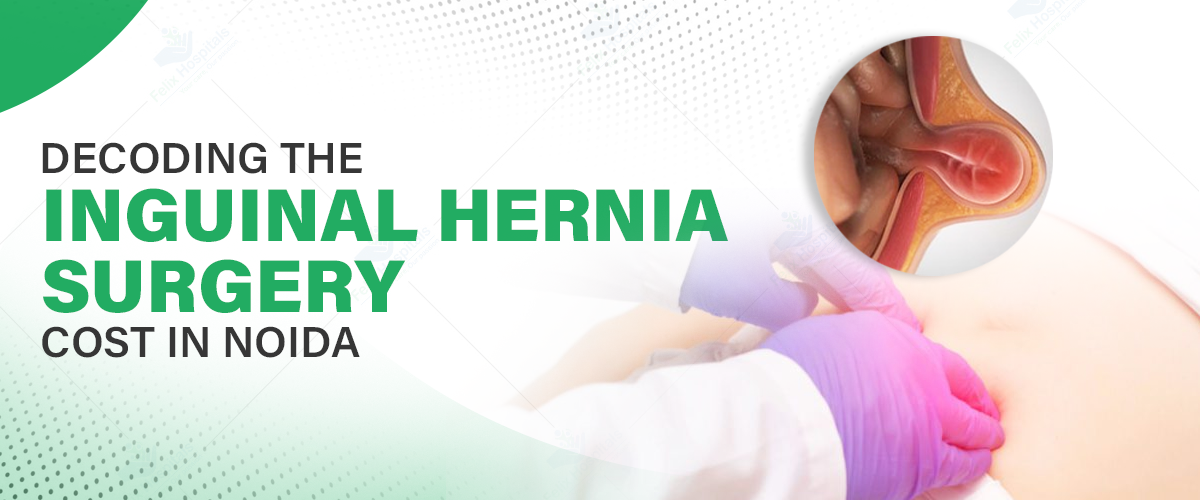
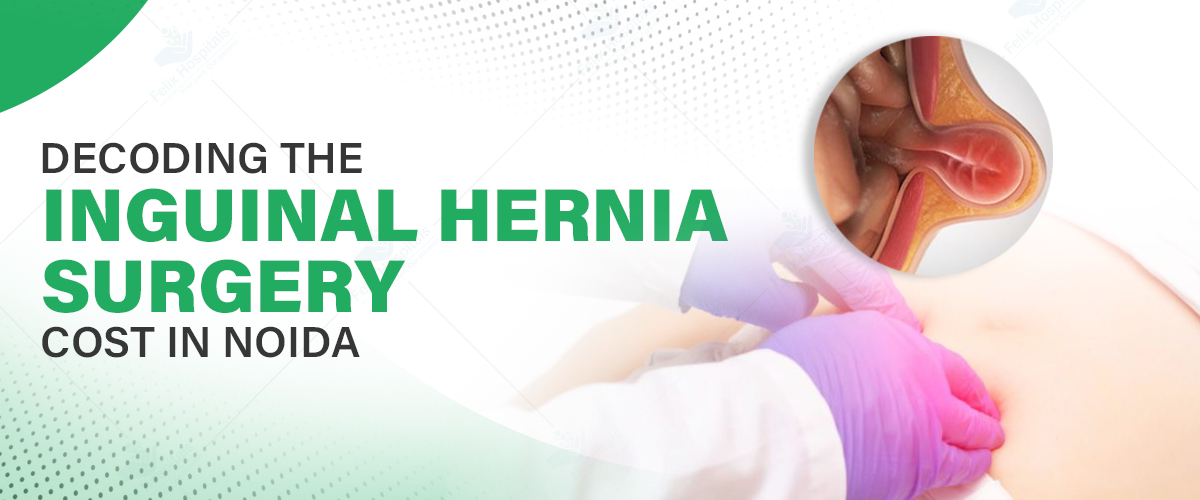
If you or your loved one is going to have an inguinal hernia and in search of a hospital near me, then it's imperative that you get to know about the treatment available, especially the expense of surgery, before arriving at any decision. Inguinal hernia is a very common condition and often requires repair surgically, and knowing about the expenses associated can help you plan better both medically and monetarily.
With the best of medical centers in Noida, such as well-known names like Felix Hospital, patients can now afford world-class surgery at reasonable costs. Let us talk about the facts regarding inguinal hernia surgery, the price, the influencing factors, and how you can make a quality and cost-effective decision.
Want to know how much your inguinal hernia surgery will cost? Contact us at +91 9667064100.
Inguinal hernia is when tissue, like a part of the intestine, bulges through a weak spot in the muscle of the abdomen, most often in the groin area. It can cause pain, discomfort, and serious complications if not treated.
Inguinal hernia repair is done to mend the weakened abdominal wall and tuck the bulging tissue back. Two most common types of surgery are:
Both the operations are effective, though laparoscopic surgery sometimes provides shorter post-operative time and reduced post-operative pain.
The cost of inguinal hernia surgery in Noida may be different from case to case. At an average, the surgery can cost anything from INR 40,000 to INR 1,20,000, depending upon the method used (open or laparoscopic), the type of hospital, and the facilities.
| Minimum Cost | 40,000 |
| Maximum Cost | 1,20,000 |
| Average Cost | 75,000 |
If you are looking for the best hospital to get inguinal hernia surgery, Felix Hospital Noida has a one-stop treatment plan at reasonable prices. The hospital has excellent patient care, advanced surgical equipment, and skilled surgeons that provide money value.
There are several factors that affect the total cost of inguinal hernia surgery:
Select an Insurance-Authorized Hospital: Select a hospital authorized by your insurance scheme to reduce total expenditure.
Felix Hospital in Noida is a name to be reckoned with when it comes to surgical treatment, providing world-class facilities at economic rates. Here's why it is a favorite destination for inguinal hernia surgery:
When it comes to inguinal hernia surgery, the expertise of the surgeon matters greatly. At Felix Hospital, you’re in safe hands with some of the best doctors for inguinal hernia surgery:
All this expertise, compassionate care, and international renown infrastructure, Felix Hospital is the perfect place to get inguinal hernia surgery done.
Book a consultation with our expert surgeons at Felix Hospital and discuss your treatment options with us in total transparency.
Inguinal hernia surgery is a serious and in most cases unavoidable surgery that demands strict scrutiny—medical and financial. With improved surgical methods and adequately equipped facilities, Noida has emerged as a hub for quality and cost-effective healthcare. Among the many options, Felix Hospital is a reputable name with expert services, qualified doctors, and reasonable treatment plans. Having a clear understanding of the total cost, what influences it, and why the selection of a familiar healthcare facility is important are essential to a smooth and safe recovery. So if you are looking for the best inguinal hernia surgery hospital that cares for your health and your purse, Felix Hospital is the place you want to be.
1. For how long will I be hospitalized after inguinal hernia surgery at Felix Hospital?
Ans- Generally, patients undergoing laparoscopic surgery may return home between 24-48 hours. For open surgery, subject to the recovery rate of the patient and overall condition, it might take more time.
2. Is laparoscopic hernia surgery at Felix Hospital insured?
Ans- Yes, Felix Hospital will see all the large insurance carriers, and the majority of plans cover lap and open hernia repair. Our staff will assist you with the process.
3. Can I decide which surgeon performs my inguinal hernia surgery at Felix Hospital?
Ans- Yes. You can see some of the surgeons like Dr. Ritesh Agrawal and Dr. Vishal Sharma, and select the one in whom you have maximum comfort after meeting him.
4. How soon should I recover before I am able to resume work or physical activity following surgery?
Ans- Most patients can resume light activities at one week and full work (except heavy lifting) at 2–3 weeks, especially after laparoscopic surgery. Your surgeon will also give you an individual recovery plan.
5. What do I do if my hernia reappears after surgery? Does Felix Hospital cover it?
Ans- Recurrence is not rare, particularly with skill and mesh repair techniques applied at Felix Hospital. However, in case of recurrence, we provide comprehensive cure procedures and follow-up treatment at low additional charges.
6. Is EMI available for hernia surgery without having to be credit card-reliant?
Ans- Yes, we have flexible EMI options even for patients without a credit card. You can ask about financing partners available at our billing counter.
7. Are mesh implants applied at Felix Hospital FDA-approved and safe?
Ans- Yes, we employ only the best, FDA-approved mesh implants from reputed medical suppliers for optimal safety and long-term durability in hernia repair surgeries.
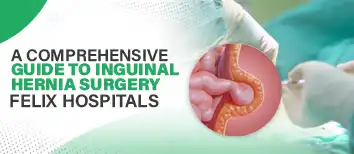
Felix Hospitals is the leading hospital for hernia surgery in Noida and Delhi NCR.
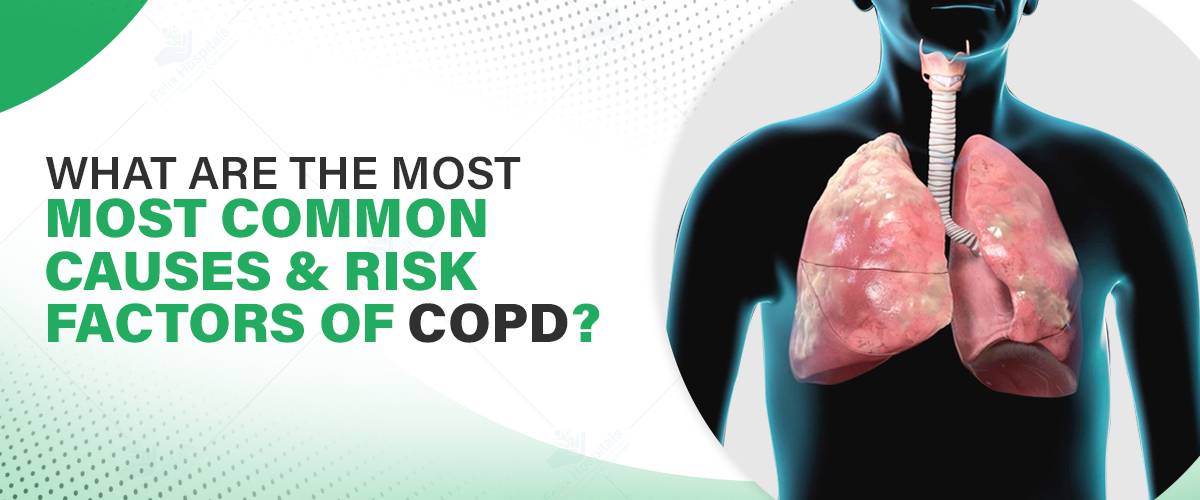
Breathing is second nature to all of us—until breathing becomes more difficult. Chronic Obstructive Pulmonary Disease, or COPD, is a serious, progressive lung disorder that undermines breathing. Far too frequently undetected and disregarded, COPD places compromised individuals worldwide at risk for lowered quality of life, repeated respiratory infections, and disability. If you have COPD, care for someone with it, or just want to learn about how to keep your lungs safe, this complete guide will walk you through everything you need to know—cause and symptoms, diagnosis, treatment, and prevention. Whether you're seeking information or looking for the best hospital near me for treatment, now is the time to take control of your breathing health with facts. Control your breathing health today with facts.
Don't Wait to Breathe Easier—Book a Lung Health Check Today. Call us on +91 9667064100 Book your appointment online now!
Chronic obstructive pulmonary disease (COPD) is a shortened name for some of the long-term lung and airway scarring that clog (block) your airways and make it hard to breathe. Either emphysema or chronic bronchitis means that you have COPD.
Remodeling of your lungs and airways in COPD includes:
Decreased flexibility of your air sacs and airways (alveoli).
Inflammation, fibrosis (scarring) and narrowing of your airways.
Thick mucus in your airways.
Destruction of walls between your alveoli.
They enlarge and block leakage of air.
COPD patients normally have exacerbations, or worsening symptoms, of smelly shortness of breath, stickier mucus that blocks airways, wheeze and cough. You might have to be hospitalized during severe exacerbations. COPD slowly worsens over decades. Flare-ups get worse and become more common. This usually happens over years or decades, but some people decline more rapidly.
COPD comprises both emphysema and chronic bronchitis. The majority of patients with COPD have both.
Emphysema is when your alveoli become inflamed and damaged. The most common symptom is shortness of breath (dyspnea).
Chronic bronchitis is inflaming your large airways. It makes your airways smaller and a lot of mucus is produced. The most common symptom is cough.
COPD symptoms don't typically happen until a lot of lung damage is done. COPD symptoms will gradually get worse, especially if exposure to smoke or other irritants goes on.
Some of the symptoms of COPD include:
Having trouble catching your breath, especially with exertion.
Wheezing or whistling sound while breathing.
Long-standing cough that may produce great amounts of mucus.
The mucus is likely to be clear, white, yellow or greenish.
Tightness or heaviness in the chest.
Fatigue or severe tiredness.
Frequent infections of the lung.
Spontaneous loss of weight. This is achievable as the disease progresses.
Swelling of ankles, feet or legs.
Patients with COPD also usually experience intervals of more than normal day-to-day variation in symptoms. This greater fluctuation in symptoms is referred to as an exacerbation (eg-zas-er-bay-shun). Exacerbations can last from a few days to several weeks. Precipitants of an exacerbation are odors, cold air, dirty air, cold or infection.
Symptoms can be:
Needing to work harder to breathe or breathe with effort.
Tightness in the chest.
Cough that is increased.
Excess mucus or color or consistency of mucus.
COPD is not sudden work—it is built up over many years with the exposure to the harmful irritants that kill lung tissue. Having a handle on the causes and how your lungs react will help you make breathing protective steps and get treated early if you do need to see a doctor.
The most prevalent etiology of COPD in most industrialized nations is chronic cigarette smoking. But cigarette smoking is not the sole offender—there are other environmental and occupational exposures that contribute to the causation of this chronic pulmonary disease as well.
Tobacco Smoke: This is by far the most prevalent cause. Smokers—particularly over decades—have far greater probabilities of getting COPD. Yet, not all smokers will get detectable symptoms, but nonetheless, lung damage can quietly happen over time.
Indoor Air Pollution: Most people in developing nations are exposed to biomass fuel smoke from burning wood, coal, or animal dung for heating and cooking. These vapors bring about much irritation and with time destroy the lungs in poorly ventilated homes.
Occupational Exposure: In addition, exposure to dusty environments, chemical fumes, vapors, or smoke (e.g., construction site, factory, or mines) leads to chronic lung inflammation and raises COPD risk—particularly without safety equipment.
Secondhand Smoke & Other Irritants: Secondhand smoke, pipe smoke, cigar smoke, or tainted air exposure on a daily basis also leads to lung injury and raises other risk factors.
Genetic Causes – Alpha-1 Antitrypsin (AAT) Deficiency: Approximately 1% of COPD is caused by a genetic condition known as alpha-1 antitrypsin deficiency. Individuals who carry this condition are missing a protective protein, which protects the lungs from harm. Therefore, they can develop COPD or emphysema at an early age-even if they have never smoked. In certain instances, the condition also causes liver damage.
Puzzlingly, not all smokers develop COPD: That indicates that genetics and other personal characteristics—such as exposure to pollution in early life or childhood infections of the respiratory system—may affect who develops the disease. But even those with no symptoms at all can have compromised lung function and hidden damage from years of smoking.
That's why regular lung exams are advised—particularly in current or former smokers or a family history of COPD.
There are a number of things that can put you at risk for developing COPD. Some are lifestyle-related, some are environmental, and some are even genetic.
Top Risk Factors Include:
Tobacco Smoke: The risk factor for COPD is long-term cigarette smoking. The more you smoke—and the longer you've been smoking—the higher your risk. Pipe, cigar, and marijuana smoking can also be a factor, as can repeated exposure to secondhand smoke.
Asthma: Those with asthma already have inflamed airways. When they smoke or are exposed to other lung irritants, they are more susceptible to developing COPD.
Occupational Exposure: Certain jobs that involve long-term exposure to dust, chemical fumes, smoke, or vapors (like mining, construction, or factory work) can predispose to lung inflammation and damage.
Indoor Air Pollution: In certain regions of the globe, heating or cooking homes by burning coal, wood, or other fuels—particularly in poorly ventilated homes—is harmful to the lungs in the long term.
Genetics: A genetically rare disorder called alpha-1 antitrypsin deficiency (AATD) can lead to COPD, even without smoking. Other inherited characteristics can lead to COPD in certain smokers.
As your COPD progresses, it doesn't stay contained in your lungs. It spreads to the other areas of your overall well-being too.
Some of the most frequent complications are:
Recurrent Respiratory Infections: Individuals with COPD are at increased risk of developing colds, flu, and pneumonia. They can become a lot more difficult to breathe and can accelerate lung deterioration.
Heart Disease: COPD increases the risk of heart problems, including heart attacks. The exact reason isn't fully understood but may be linked to lower oxygen levels and inflammation.
Lung Cancer: Having COPD increases your chances of developing lung cancer—especially if you’re a smoker.
Pulmonary Hypertension: This is high blood pressure in the arteries of your lungs. It can develop as a result of severe COPD and puts strain on your heart.
Anxiety and Depression: Living with a chronic disease and struggling to breathe can affect your mental health, leading to increased stress, anxiety, or depression.
Early diagnosis can make a big difference in managing COPD effectively. If you’re experiencing symptoms like shortness of breath, a lingering cough, or wheezing, your healthcare provider will conduct a thorough evaluation.
Your doctor may ask questions like:
Did you ever smoke or have any secondhand smoking?
Do you spend time or work in dusty, fume-containing, or dirty places?
Has COPD or liver disease occurred in you or any close blood relatives?
Are you ever short of breath even when standing or sitting?
Are you having trouble coughing up or spitting up mucus on a frequent basis?
Your doctor makes a diagnosis of COPD with the help of some or all of the following tests:
Pulmonary Function Tests (Spirometry): Tests how much air you can blow out in one second (FEV1) and how well your lungs are functioning in general.
Pulse Oximetry: A nonpainful test with a clip on your finger to determine the oxygen level in your blood.
Imaging Tests: Chest X-ray or CT scans allow visualizing changes in your lungs as a result of COPD.
Arterial Blood Gas Test: Blood test that calculates the amount of oxygen and carbon dioxide and checks how efficiently your lungs are exchanging the gases.
Exercise Testing: Helps to check if your level of oxygen falls while exercising.
Electrocardiogram (ECG/EKG): Checks your heart rhythm and function to rule out causes of breathlessness due to the heart.
Alpha-1 Antitrypsin Test: A test to see whether you have the genetic form of COPD secondary to AAT deficiency.
Genetic Testing: In case there is a suspicion regarding inherited diseases, your physician might prescribe a genetic workup.
Treatment of COPD focuses on the alleviation of symptoms, prevention of complications, and the improvement of the overall quality of life. Your physician will adapt your treatment to the severity of your symptoms, lung function, and lifestyle.
The single most significant thing you can do—if you are a smoker—is to quit. Smoking is responsible for the majority of COPD cases, and quitting at any point during the disease can reduce its progression and enhance your lung function. Your physician might suggest:
Behavior therapy or counseling
Nicotine replacement (patches, gum)
Prescription medications
Stop-smoking programs or groups
The majority of individuals with COPD utilize inhalers to assist with opening up airways and lowering inflammation. Among the most common inhaled medicines are:
Bronchodilators: Cause muscles around airways to relax, allowing for easier breathing.
Inhaled corticosteroids: Lower airway inflammation and prevent flare-ups.
Combination inhalers: Combine bronchodilators and steroids to improve symptom management.
For people who are having trouble with inhalers or require more medicine, your physician can prescribe liquids to be taken with a nebulizer—a device that converts the medication into a mist you inhale.
If your oxygen level is too low, your physician can add supplemental oxygen. You may need it with exercise, at night, or all the time, depending on your condition.
This is a structured program that includes:
Supervised exercise
Breathing techniques
Nutritional guidance
COPD education and emotional support
Pulmonary rehab can help improve your lung strength, endurance, and overall wellbeing.
During COPD exacerbations (flare-ups), your doctor might recommend:
Oral corticosteroids to reduce inflammation
Antibiotics if there’s a bacterial infection
BiPAP (bilevel positive airway pressure) machines to assist your breathing during severe episodes
For people with severe COPD, other options might include:
Lung volume reduction (LVR) surgery or valve surgery to remove or close diseased parts of the lung and enhance breathing.
Clinical trials, which are experiments with new treatments that might be better for some patients.
For those seeking expert care, the best hospital for COPD treatment, offers personalized treatment plans and advanced pulmonary care to help patients breathe easier and live healthier lives.
The best prevention against developing COPD is avoiding smoking and the avoidance of lung irritants. Even if you have COPD, there is a lot you can do to prevent it from getting worse and to prevent complications.
Quit Smoking: Quitting smoking is the most effective action you can take to slow COPD and lower your risk of lung cancer and heart disease.
Stay Away from Secondhand Smoke and Pollutants: Avoid being around smoke and reduce exposure to dust, fumes, and air pollution. If you have a job that exposes you to chemical vapors or dust, talk to your employer about using proper protective equipment.
Pneumococcal vaccine to stop certain pneumonias
COVID-19 vaccine and boosters, as advised
RSV vaccine if you are eligible
Take Care of Your Mental Health: Having a chronic condition is often emotionally demanding. If you feel sad, worried, or overwhelmed, talk with your healthcare provider or mental health specialist. Support groups can help you feel less isolated.
For tailored treatment and individualized care, visit Felix Hospital and meet Dr. Priyadarshi Jitendra Kumar, one of the Best pulmonologists in Noida. With years of experience and rigorous background in the treatment of respiratory ailments, particularly due to air pollution, Dr. Kumar provides holistic care suiting each patient's specific needs. Whether you have chronic respiratory illnesses or just want to know how to prevent and treat them, his treatment is meant to enhance your lung condition as a whole.
If you're short of breath, have a chronic cough, or have a history of smoking or pollution, it's time to get checked. Book your consultation today at Felix Hospitals.
It is hard to live with COPD, but when you are diagnosed early, have the right treatment plan, and change your life around, you can keep symptoms in check and quality of life great. If you know the condition—what brings it on and how it acts on your lungs—you are more prepared to take control. Whether it's stopping smoking, using medications properly, or going through a pulmonary rehab program, every step is towards safeguarding your lungs and avoiding complications. At Felix Hospital Noida, our pulmonologists are dedicated to making you breathe easier and live better. If you're concerned about the cost of COPD treatment in Noida, our team is here to provide transparent guidance and compassionate care every step of the way. Don't neglect chronic symptoms—get tested early and take the first step towards improved lung health.
Q1- Can an individual with COPD live a normal life?
Ans- Yes, most individuals with COPD have active lifestyles, particularly if the disease is diagnosed early and treated appropriately. With treatment, rehabilitation, and lifestyle changes, you can greatly enhance your quality of life.
Q2- Is COPD caused only by smoking?
Ans- While smoking is the most common cause, COPD may also be caused by prolonged exposure to indoor smoke (e.g., cooking with firewood), industrial chemicals, or genetic disorders like Alpha-1 Antitrypsin deficiency.
Q3- What is a COPD flare-up like, and how do I know it's happening?
Ans- A flare-up may feel like having to breathe harder than usual, with tighter constricting chest tightness, more coughing, more or more colored mucus, and maybe fever. If the symptoms are ongoing or quickly becoming worse, seek medical attention.
Q4- How is COPD different from asthma?
Ans- While both conditions involve breathing, asthma is typically reversible and caused by allergens, whereas COPD is progressive and typically caused by long-term damage. Some individuals may have both, referred to as Asthma-COPD Overlap Syndrome (ACOS).
Q5- What are the signs that my COPD is worsening?
Ans- You might notice you’re short of breath even while resting, having more frequent infections, needing more medications, or experiencing fatigue and weight loss. If so, consult your pulmonologist to adjust your treatment plan.
For individuals seeking specialized care, a Pulmonary Edema Hospital in Noida offers advanced treatment options and expert management of this condition, ensuring comprehensive care for patients in need.
Felix Hospitals is considered the best hospital for Pulmonary Function Tests, offering cutting-edge technology and expert pulmonologists for accurate assessments.
For individuals seeking specialized care, a Pulmonary Edema Hospital in Noida offers advanced treatment options and expert management of this condition, ensuring comprehensive care for patients in need.
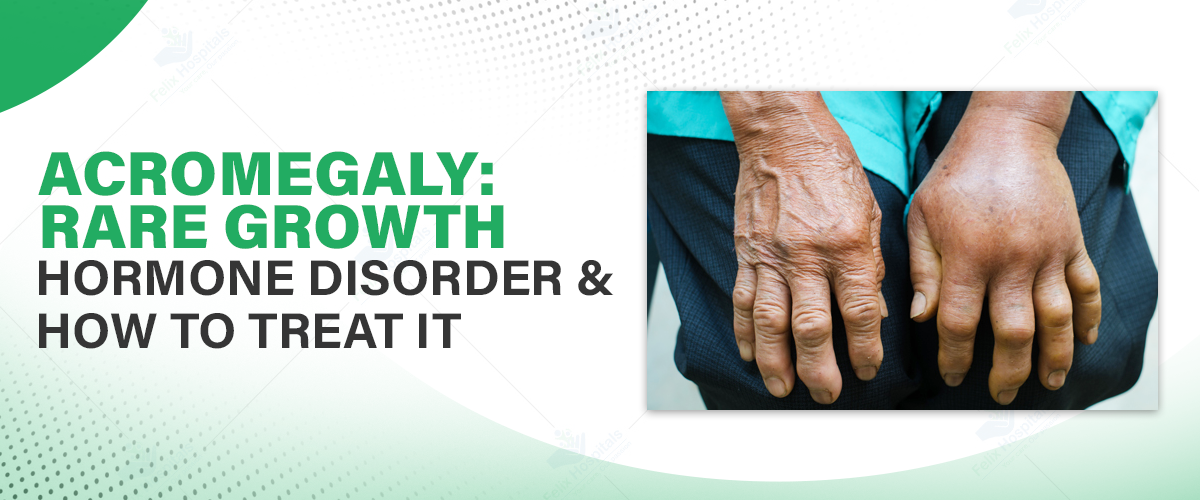
Acromegaly is a rare but serious medical condition that occurs due to overproduction of growth hormone, which leads to abnormal growth of bone and tissues. If left untreated, the condition can cause various complications. Surgery, drugs, and radiation are the primary treatment modalities for acromegaly. For advanced diagnosis and treatment by specialists, one can opt to get treated at one of Noida's top endocrinology hospitals, which will effectively treat the condition and ensure overall well-being.
Early Detection Can Prevent Complications! If you or a loved one are experiencing symptoms of acromegaly, don’t wait—Contact Us for Expert Guidance at +91 9667064100.
Acromegaly (a-krow-meh-guh-lee) is a rare but serious disease caused by an excessive growth hormone (GH) in the body. Normally, the pituitary gland—a tiny, pea-sized endocrine gland at the base of the brain—makes and controls GH. But in acromegaly, tumors on the pituitary gland or elsewhere in the body stimulate excess production of GH, causing abnormal growth.
Growth hormone, or human growth hormone (hGH) or somatotropin, is required for growth and development during childhood. After the individual has grown up and epiphyses or the bone plates have closed, GH ceases to add to height but is still useful to retain to maintain healthy bones, cartilage, organ function, and metabolism. Excess GH in adults leads to abnormal bone growth, oversized organs, high blood sugar levels (hyperglycemia), and other medical issues.
Both acromegaly and gigantism are caused by too much growth hormone, just at different times of life.
Gigantism happens in children when GH levels are too high before plates close (before puberty is complete). It causes over-height and abnormal growth patterns. Gigantism is rarer than acromegaly and is also called pediatric acromegaly.
Acromegaly occurs in adults after growth plates close. Rather than growing taller, the excess GH leads to bone structure alterations, organ enlargements, and metabolic alterations.
In adults, acromegaly results in abnormal bone growth, cartilage growth, organ growth, and soft tissue growth. The most apparent body changes are large hands, feet, ears, lips, nose, and jaw and forehead protrusion.
Growth hormone induces the liver to secrete insulin-like growth factor 1 (IGF-1), which is responsible for tissue and bone growth. Overproduction of GH results in increased IGF-1, which is responsible for:
Type 2 Diabetes – Increased blood glucose levels because of the effect of GH on insulin action.
Hypertension (High Blood Pressure) – GH and IGF-1 can make the heart pump harder, leading to an increase in blood pressure.
Heart Disease – Enlargement of the heart (cardiomegaly) and other cardiovascular complications.
Early detection and treatment are important to effectively managing acromegaly. In case you experience symptoms or require specialized treatment, visit an endocrinology hospital in Noida for expert evaluation and treatment.
Acromegaly may result in slow changes in physical appearance, involving different parts of the body over a period of time. Some of the most obvious changes are:
Thickened ears and lips
A prominent nose
Enlarged feet and hands
Prominent jaw or brow
Increased interdental spacing
Tongue enlargement
Enlargement of the rib cage, which causes a rounded chest contour
Skin Changes of Acromegaly
Acromegaly can cause skin changes, such as:
Acne
Development of benign skin tumors known as skin tags
Coarse, oily thickened skin
Swelling of tissues under the skin
Because these changes occur gradually over a period of many years, they typically are not noticeable at first. Often, people find that their rings do not fit or that they have a larger shoe size. Differences sometimes become apparent only upon comparing old and new photographs.
In addition to physical change, acromegaly can lead to a variety of other symptoms, including:
Loss of vision, including peripheral vision loss
Inappropriate sweating and body odor
Severe weakness
Chronic headache
Joint pain and stiffness
Deeper voice because of changes in the vocal cords
The main cause of acromegaly is a pituitary adenoma, a benign tumor of the pituitary gland. The tumor secretes excessive growth hormone (GH) over many years.
The excess GH causes most of the symptoms of acromegaly. Some, such as headaches and vision disturbances, are due to the tumor compressing adjacent brain structures.
Occasionally, tumors outside the pituitary gland—e.g., in the pancreas or lungs—can lead to acromegaly. The tumors can:
Produce growth hormone directly
Release growth hormone-releasing hormone (GHRH), which stimulates the pituitary to secrete too much GHRH.
The growth hormone is secreted by the pituitary gland, which is situated at the back of the bridge of the nose at the base of the brain. Development and growth of the body are major roles carried out by GH.
When GH is released into the bloodstream, it makes the liver release another hormone called insulin-like growth factor-1 (IGF-1). It is IGF-1 and not GH itself that induces bone and tissue growth directly.
Excess GH results in excess IGF-1, which produces symptoms and complications of acromegaly.
Although uncommon, certain people have a higher chance of developing acromegaly due to their genetic predisposition. One such condition is Multiple Endocrine Neoplasia Type 1, or MEN1.
MEN1 is a hereditary disorder that can lead to tumors of the pituitary gland, pancreas, and parathyroid glands. The tumors can secrete excess hormones, leading to a multitude of medical problems:
An overactive pituitary gland tumor can lead to acromegaly due to excessive release of GH
A pancreatic tumor can secrete insulin, resulting in less than normal blood glucose levels
Excessively active parathyroid glands can cause softening of bones and kidney stones
Though acromegaly is not usually hereditary, patients with a family history of MEN1 or other endocrine diseases are at risk of developing it.
If you or your friend is suffering from the symptoms of acromegaly, go to a specialty endocrinology hospital in Noida for early diagnosis and treatment.
Untreated acromegaly can cause a range of health complications, which affect different organs and systems of the body. Complications are as follows:
Acromegaly highly predisposes a person to heart and blood vessel diseases, including:
High blood pressure (Hypertension) – Overload on the heart and arteries
Narrowed arteries (Atherosclerosis) – Can cause heart attack or stroke
Cardiomyopathy – A disease of the heart muscle that can lead to heart failure
Patients with acromegaly are also at higher risk of developing certain cancers, which are:
Colon cancer – Acromegaly can lead to abnormal colon polyps, which, if left untreated, can become cancerous
Other cancers – Elevated growth hormone (GH) and IGF-1 can lead to cancer
Disturbances of the hormones in acromegaly can cause:
Irregular or absent menstrual periods in females
Impotence in males
Lack of libido (sex drive)
Osteoarthritis – A condition of progressive arthritis of the joints that is causing pain and stiffness
Type 2 Diabetes – Because of resistance to insulin
Goiter – An enlarged thyroid gland of irregular size
Sleep Apnea – Stops and resumes breathing numerous times during sleep, causing fatigue
Carpal Tunnel Syndrome – Triggers numbness, tingling, and weakness in the arms and hands
Spinal Cord Compression or Fractures – May be caused by abnormal bone growth
Vision Changes or Vision Loss – Caused by pressure from tumors on optic nerves
Acromegaly is diagnosed by detailed medical history, physical examination, and certain tests to establish excess production of growth hormone (GH). These are:
It measures insulin-like growth factor-1 (IGF-1) level
Increased levels of IGF-1 suggest excess GH production
The patient is asked to drink a glucose solution
Normally, GH levels would decrease after taking glucose
In acromegaly, the GH levels remain elevated, which is a test confirmation of the condition
MRI Scan – Establishes the size and location of a pituitary tumor
X-Rays of hands and feet – Detects abnormal bone growth
If the pituitary tumor is not identified, further imaging scans would be needed to locate tumors in other parts of the body, like the pancreas or lungs.
The prime aim of the treatment of acromegaly is to normalize growth hormone (GH) and insulin-like growth factor 1 (IGF-1), along with controlling symptoms and avoiding complications. Depending upon individual conditions like size, location, and severity of symptoms, and general health, the treatment varies.
In successful treatment of acromegaly, the following modes of treatment are usually followed:
1. Surgery
Surgical removal of the tumor is usually the initial treatment, especially if a pituitary gland tumor is the cause. The most common surgery, transsphenoidal surgery, is to enter the pituitary gland via the nose to remove the tumor. It can lower GH levels considerably, especially if the tumor is small. If the tumor is not in the pituitary gland, another type of surgery will be suggested.
Where the tumor is not fully removed, other forms of treatment like a redo surgery, drugs, or irradiation are used to keep regulating hormone levels. Surgery also corrects headaches and visual abnormalities brought about by tumor pressure on adjacent tissues.
2. Drugs
Where surgery is not sufficient to decrease levels of GH and IGF-1, drugs are used to control hormone secretion or to inhibit their activity. Frequently used drugs are:
Somatostatin Analogues
These medications are copies of somatostatin, a hormone that normally is made by the body and prevents GH release. Octreotide (Mycapssa, Sandostatin) and lanreotide (Somatuline Depot) decrease GH production and even shrink tumors in the pituitary gland. They are taken by mouth or through monthly injections.
Dopamine Agonists
Cabergoline and bromocriptine (Cycloset, Parlodel) may decrease GH and IGF-1 in some individuals and, in occasional cases, also reduce the size of tumors. High doses, however, are usually needed, and these carry a greater likelihood of side effects such as nausea, dizziness, sleepiness, nasal congestion, changes in mood, and insomnia.
Growth Hormone Antagonist
Pegvisomant (Somavert) acts by inhibiting the action of GH on body tissues, which in turn reduces the level of IGF-1. It does not reduce GH levels or reduce tumor size. Pegvisomant can affect the liver and therefore patients need to be monitored regularly with a blood test. Pegvisomant is given daily as an injection and can be combined with other treatments.
3. Radiation Therapy
Radiotherapy is a choice when surgery is not possible, when it is not possible to remove the tumor completely, or when medication is inadequate. Radiotherapy slowly decreases the size of the tumor, gradually reducing GH levels.
Effectiveness of Treatment
Although treatment can greatly enhance symptoms and general health, certain physical changes resulting from acromegaly will not be altered. Soft tissue edema usually resolves, and the skin is less oily and rough. But bone overgrowth usually does not reverse.
Furthermore, if other medical conditions have arisen as a result of acromegaly, including diabetes, hypertension, or joint disease, other treatments may be required to control these conditions best.
Through the synergy of surgical, medical, and radiation therapy on a as-needed basis, health practitioners attempt to restore endocrine equilibrium, alleviate symptoms, and improve quality of life in patients with acromegaly.
Acromegaly Radiation Therapy
Radiation is employed to ablate remaining tumor tissue from surgery and reduce growth hormone levels over time. Months or years are often needed, however, before the effects of radiation become apparent in a response of symptoms.
As radiation impinges not just on GH production but on other pituitary hormones as well, patients being treated need follow-ups periodically. The follow-ups enable doctors to keep track of hormone levels and optimal functioning of the pituitary gland. Follow-up may extend throughout a person's lifetime to deal with long-term impact.
There are various forms of radiation therapy for acromegaly treatment, and the extent of tumor control and impact on adjacent tissues varies:
Uses 3D imaging to direct a focused beam of high-dose radiation at the tumor and reduce damage to nearby healthy tissue.
Usually given in one sitting.
May take 5 to 10 years to achieve a normal level of GH levels.
Uses protons rather than conventional radiation beams, and tumors can thus be destroyed selectively.
Causes fewer effects of damage to the adjacent pituitary gland and other tissues than conventional radiation.
Is simpler and safer with fewer late complications.
Involves small doses of radiation delivered over a period of 4 to 6 weeks.
Has a higher risk of damaging the pituitary gland than stereotactic radiosurgery or proton beam radiation.
The full therapeutic effect may take 10 or more years to be realized.
Patients receiving radiation therapy for acromegaly must undergo lifelong hormone monitoring due to the potential impact on overall pituitary function. In some cases, additional hormone replacement therapy may be required to manage deficiencies caused by radiation treatment.
By selecting the most suitable type of radiation therapy, healthcare professionals aim to control GH levels, shrink the tumor, and improve the patient’s quality of life while minimizing potential risks.
Dr. Vimal Gupta [MBBS, CCEBDM (PHFI Delhi)]
Dr. Vimal Gupta is a highly experienced endocrinologist in Noida, specializing in diabetes, thyroid disorders, and metabolic conditions. He is committed to providing compassionate and evidence-based care, helping patients achieve optimal hormonal balance and improved overall health.
Concerned About Acromegaly? Get Expert Diagnosis & Treatment Today! Book an Appointment Now!
Acromegaly is a rare but potentially harmful endocrine disorder due to excess secretion of the growth hormone, typically secondary to tumors of the pituitary gland. It has disastrous consequences in its untreated form consisting of cardiovascular disease, diabetes, arthritis, and even blindness. It needs early diagnosis and treatment if the disease is to be well controlled.
Medical therapy, surgery, and radiation therapy normalize the hormone level and reduce symptoms, thereby enhancing the quality of life of the patient. Physical changes in all cases turn out to be permanent, but complete medical treatment can avoid complications and normalize hormones.
1. Do acromegaly symptoms improve after treatment?
Ans: While treatment can remove some of the symptoms like swelling of soft tissues and thickening of the skin, change of the bones and organ enlargement is irreversible in most instances.
2. How long does it take for GH to normalize after treatment?
Ans: It depends on the treatment—surgery will immediately lower the GH, while radiation will take years to completely normalize the level of the hormone.
3. Is acromegaly always due to a pituitary tumor?
Ans: No, but in a minority of situations tumors in other parts of lung tissue, pancreas, or adrenal glands also result in increased production of GH.
4. What diet changes can regulate symptoms of acromegaly?
Ans: Normal nutrition, regulation of blood sugar levels, mild exercise, and frequent follow-up check on heart functioning can regulate the symptoms and complications.
5. Does acromegaly have any effect on fertility and pregnancy?
Ans: Yes, acromegaly does have an effect on the reproductive hormones, leading to irregular periods of infertility in women and decreased sperm counts in men. Fertility can be restored in some patients with treatment, however.
6. Is there anything else if surgery isn't an option?
Ans: Yes, a number of other drugs including somatostatin analogues, dopamine agonists, or GH antagonists exist as options to control the hormone level, and the tumor can be shrunk over time with radiation therapy.
7. Acromegaly should be monitored in how often in a patient?
Ans: They need long-term follow-up with endocrinologists to monitor GH and IGF-1 levels, pituitary status, and comorbidities such as diabetes or cardiovascular disease.
Diabetes is a condition in which your body part pancreases cannot make enough insulin which results in an increase in your glucose level/blood sugar level.

Manage diabetes effectively with a well-planned Indian vegetarian diet chart. Explore healthy meal options and tips for blood sugar control.

Early Signs of Gigantism in Children: What Parents Should Know

Sugar is an omnipresent part of our modern diet. It is found in everything from beverages and desserts to sauces and snacks. While it adds sweetness and flavor, excessive consumption of sugar can have detrimental effects on health.
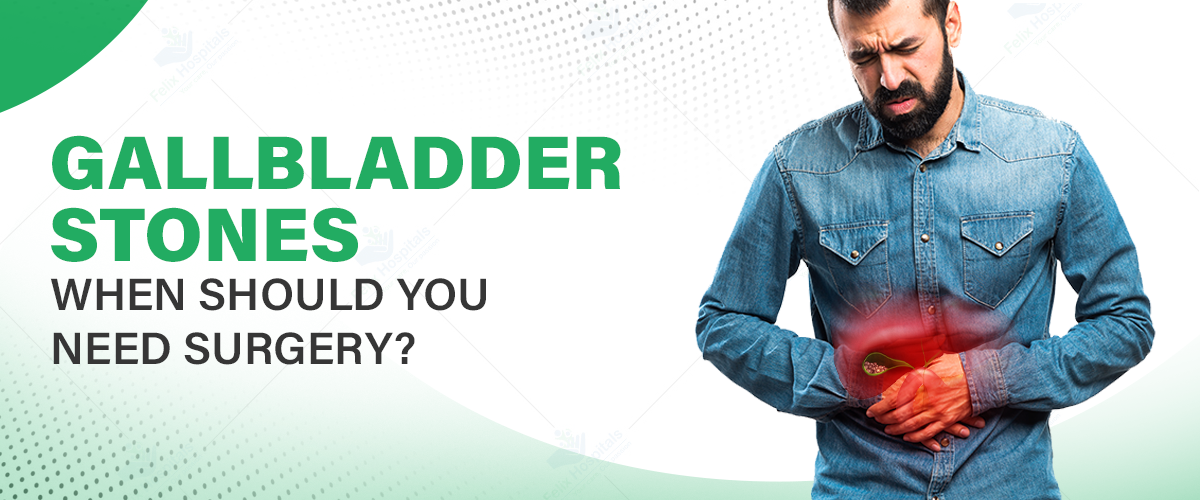
Gallstones, also known as cholelithiasis, are small, hard masses that form inside your gallbladder or bile ducts. Made largely of bile components like cholesterol or bilirubin, they are surprisingly common — especially in women. While most people have gallstones without knowing it, the problems arise when they block the flow of bile, often requiring surgery. If you are suffering from symptoms and looking for the best hospital near me to treat gallstones, select a facility with skilled staff and state-of-the-art treatment equipment so that you get proper and secure treatment.
Symptoms of gallstones? Consult the top general surgeon in Noida and begin the process of a pain-free life. Call us now at +91 9667064100.
Gallstones are hard pieces that form from bile — a digestive fluid secreted by the liver and stored in the gallbladder. Your gallbladder is a reservoir, dumping bile into the digestive system to aid in fat digestion.
Occasionally, the chemicals in bile (such as cholesterol) get out of balance and begin to form crystals. Over time, the crystals form into stones, which can vary in size from a grain of sand to a golf ball.
The term "cholelithiasis" can be divided into:
Chole = bile
Lithiasis = formation of a stone
Not all gallstones are dangerous. Most people have "silent gallstones" and never have any trouble. Trouble does arise, though, when a stone obstructs a bile duct or the gallbladder neck, stopping normal bile flow. This can cause intense:
Over time, gallstones increase in size as more bile continues to settle on them. What seems like a minor problem today may become a major health threat tomorrow if not treated.
Gallstones occur in millions of individuals worldwide and are more prevalent in:
Gallstones rarely have no symptoms. But if they do, they are caused by an obstruction in bile ducts. Seeking medical attention at the right time is required to avoid complications and receive proper treatment at the best hospital in Noida for gallbladder problems. Some of the symptoms include:
Pain caused by gallstones may be sudden and severe. The pain — often referred to as a gallbladder attack or biliary colic — usually starts after eating, particularly a fatty or greasy meal. The pain lasts anywhere from a few minutes to a few hours, and individuals may say that it is:
You can't sit still or get relief during the attack. Some even confuse it as heartburn or a heart attack due to the pain in the chest.
Pain due to gallstones is usually in the upper right abdomen, below the ribcage. But it also radiates to other areas, such as:
If abiding, tormenting abdominal pain persists, immediate medical evaluation is critical.
Not really—but females are more apt to have referred pain, which is to say they may have pain in the arm, shoulder, chest, or back.
Women are also more susceptible to chronic pain and may overlook intermittent pain episodes like those from biliary colic. Even if the pain fades, it should not be ignored. Once you’ve had one gallstone attack, chances are high that another will follow.
Pain resulting from gallstones happens when a stone becomes wedged in the biliary tract, blocking it. This may cause pressure and pain, particularly with a contraction of the gallbladder—a function usually triggered by eating.
Heavy, fatty, or rich food causes a stronger contraction of the gallbladder, since the small intestine requests more bile to be used in fat digestion. The gallbladder reacts by forcing the bile into the ducts, which exacerbates an obstruction.
The most significant first warning sign is biliary colic, in which a gallstone briefly blocks a bile duct and then passes on, making bile available again. Even though the pain might go away, it is a warning sign that should not be ignored.
Unless treated, a gallstone will become stuck for life, resulting in an emergency.
Blocked bile duct can cause bile to flow back, leading to infection or inflammation of surrounding organs. In critical situations, complications are life-threatening.
These are:
While not indicative signs of gallstones themselves, weakness and lightheadedness can present themselves if complications are the result of low blood pressure.
Very serious infection or inflammation can result in a decrease in blood pressure and a rise in heart rate, resulting in dizziness or weakness.
Gallstones are solid fragments that develop in the gallbladder, usually quietly, until they induce acute pain or issues. But what actually triggers them to develop, and how do you know if you have them? Let's keep it simple.
The cause of gallstones is not always certain, but physicians have established a number of factors that contribute to their formation:
Your liver puts cholesterol into bile, which typically contains chemicals to break it down. But if your liver is secreting more cholesterol than your bile can break down, the surplus may crystallize and ultimately become stones.
Bilirubin is a pigment that occurs when your body digests red blood cells. Liver disease, infection of the bile ducts, and some blood disorders can lead to your liver producing excess bilirubin—another reason for gallstones.
If your gallbladder does not empty well or often enough, bile becomes too concentrated, which raises the risk of gallstones.
There are certain factors that might raise your chances of developing gallstones. Though some are related to health, others are hereditary, age-related, or hormone imbalance-related. Knowing about them will make you take necessary precautions or receive timely treatment at the best hospital for gallbladder stone surgery. The following are the major risk factors:
Gallstones will probably develop slowly. Men will probably develop them after the age of 60, but women will probably develop them between 20 and 50 years old.
They are three times more likely than men to develop gallstones because of estrogen and progesterone, which could affect bile cholesterol levels and gallbladder emptying.
Body fat raises levels of estrogen, increasing your cholesterol. Surprisingly, sudden weight loss (such as after surgery for obesity) also leads to gallstones as a result of the sudden discharge of cholesterol into bile.
Inheritance of gallstones raises your risk regardless of your lifestyle or ethnicity.
If you’re experiencing symptoms like pain in the upper right abdomen, nausea, or signs of infection, your healthcare provider will perform a combination of tests:
Additional Tests Used Are:
Gallstones don't always need to be treated. If they're not causing any symptoms, your doctor might just keep an eye on them. But if a gallstone obstructs your biliary tract and causes pain or complications, you need treatment — not just to clear the current obstruction, but to avoid future obstructions.
The most popular and effective treatment for gallstones is the removal of the gallbladder, or a cholecystectomy. It's a straightforward procedure, which is usually carried out using minimally invasive laparoscopic methods. After the gallbladder has been taken out, bile is pumped directly from the liver into the small intestine. You can lead a normal life without a gallbladder.
If surgery is not feasible because of a patient's status, palliation in the form of a cholecystostomy can be done. A catheter is placed to drain the gallbladder and dissolve existing stones, creating time until surgery can be safely performed.
Although surgery is the only sure cure, there are some medications such as ursodiol and chenodiol that will dissolve small cholesterol gallstones. This treatment:
These are generally reserved for those who are not a candidate for surgery or who want short-term relief only.
You can reduce your chances of having gallstones by making a few easy lifestyle changes:
If you’re considering laparoscopic surgery for piles, Dr. Ritesh Kumar Agarwal and Dr. Vishal Sharma at Felix Hospital are trusted names in the field. Both doctors are highly regarded for their expertise in minimally invasive procedures and have a strong track record of successful outcomes. Their skill and precision ensure safer surgeries, reduced discomfort, and quicker recovery times for patients.
At Felix Hospital, Dr. Agarwal, Dr. Sharma, and their team offer personalized care and support throughout your treatment journey, making your experience stress-free and seamless from consultation to recovery.
Book a consultation with a seasoned gastroenterologist or laparoscopic surgeon today for a personalized evaluation and treatment plan.
Gallstones are relatively common, but they need not be underestimated. Especially when they start causing pain or complications. Although the majority of people have symptom-free lives with asymptomatic gallstones, others may experience severe pain or life-threatening complications if left untreated. Fortunately, effective treatments like gallbladder surgery can bring long-term relief, and you can reduce your risk through lifestyle changes. If you are in Noida and wish to go for treatment, the cost of gallbladder stone surgery typically depends on the hospital, surgeon expertise, and type of procedure.
Knowing gallstones' causes, symptoms, and risk factors makes you the master of proactive measures to prevent and intervene early. If you have symptoms like upper abdominal pain, nausea, or jaundice, don't delay — seek the advice of a healthcare provider to receive the right diagnosis and treatment plan.
Your gallbladder wellness is a key component of your overall health, and with the right knowledge, you can keep your gallbladder (or your bile flow in the absence of one) functioning at its best.
1. Can I have a normal life without a gallbladder?
Ans- Yes, you can have a totally normal life without a gallbladder. As soon as you have your gallbladder taken out, bile travels straight from your liver into your small intestine. In some individuals, digestion is altered, but most adjust in a few weeks.
2. Is there any difference between gallstones in the gallbladder and bile duct stones?
Ans- Yes. Gallstones are not moving from the gallbladder, but if they do migrate to the bile duct, they can produce more serious symptoms such as infections, pancreatitis, or jaundice, and necessitate more complicated treatments such as ERCP.
3. Do I need to be on a special diet following gallbladder surgery?
Ans- Right after surgery, a low-fat diet is advised so your body can get used to it. Eventually, everybody can go back to their usual diet with scarcely any limits, though greasy and fatty foods should be avoided.
4. Will the gallstones return after treatment?
Ans- If the gallbladder is taken out, gallstones are unable to recur. However, if treated non-surgically or left untreated, recurrence is likely to form over time.
5. Does anxiety or stress bring about gallstones?
Ans- While stress is not itself a cause of gallstones, stress and associated eating habits have the potential to influence digestion as well as the rhythm of bile secretion. Stress eating, i.e., skipping meals or feasting on high-fat foraging snacks, also increases your risk.
6. How long does it take to recover from laparoscopic cholecystectomy?
Ans- Most patients can resume work and light activities in 2–3 days and return to normal routine in 1–2 weeks, depending on post-op and general health.
7. What do I do if I think I am having a gallstone attack at night?
Ans- If you all of a sudden experience severe, persistent stomach pain, especially with nausea or vomiting, present it to the emergency department right away. A blocked bile duct can lead to life-threatening complications if not treated right away.
Laparoscopic surgery is a minimally invasive procedure with small cuts, offering quicker recovery, less pain, and minimal scarring.
Laparoscopic nephrectomy is a minimally invasive surgery to remove a kidney using small incisions. It offers faster recovery, less pain, and reduced scarring, with some risks like bleeding or infection.
Dr. Ritesh Agrawal is an experienced surgeon in noida specializing in both open and minimally invasive laparoscopic procedures.
Hemorrhoids are a ubiquitous medical condition experienced by millions of individuals throughout their lifespan. They develop when anal canal or rectal veins enlarge and become inflamed, which most commonly is a result of bowel strain, chronic straining with bowel movements, or pregnancy. The vast majority of hemorrhoids are not complicated and will resolve with nonoperative treatment, but complicated conditions like prolapsed hemorrhoids will be painful and can be managed medically. If you are having recurring symptoms, you need to meet an expert at the best hospital near me in order to get an appropriate diagnosis and care for your condition.
Allow us to assist you in determining the most appropriate and cost-effective treatment plan for your condition. Call us at tel: +91 9667064100.
Hemorrhoids are normally categorized into two broad categories: internal and external. Internal hemorrhoids are found within the rectum and are normally painless, but bleed. External hemorrhoids exist below the skin within the anus and can itch, hurt, or bleed, particularly during defecation.
A prolapsed hemorrhoid is an internal hemorrhoid that has moved downward and bulged outside the anus. This occurs when the tissue that holds the hemorrhoid in place becomes strained or weakened. External hemorrhoids prolapse in certain instances, but the term is applied most often to an internal hemorrhoid that bulges past the opening of the anus.
The characteristic symptom of a prolapsed hemorrhoid is the presence of one or several soft, tender lumps in the area of the anus. The lumps are either spontaneously retractable or need to be manually pushed back by the clinician. This will alleviate temporarily some pain but the condition persists.
Some of the common symptoms of a prolapsed hemorrhoid are:
Bulging hemorrhoids that are irreducible and remain outside the anus may become extremely painful. This occurs when there is a cut-off of blood to the hemorrhoid, resulting in strangulation, or if a blood clot in the hemorrhoid forms a thrombosed hemorrhoid.
When a prolapsed hemorrhoid becomes thrombosed, it is a condition where a blood clot occurs in the hemorrhoidal tissue. This can result in severe pain, swelling, and inflammation. A thrombosed hemorrhoid is not life-threatening, but it is extremely painful and in most cases needs to be treated by a physician, such as drainage or removal.
Strangulated hemorrhoids happen when there is a compromise of blood supply to prolapsed hemorrhoid that results in tissue necrosis if not treated early. This can be very painful and needs immediate medical attention.
They are not all presented obviously or symptomatically. Even internal hemorrhoids, in most instances, are totally asymptomatic. Where they do occur, the most frequent of them is rectal bleeding—usually as red blood appearing on toilet paper or in the toilet bowl after a bowel movement.
Prolapsed hemorrhoids that are outside-out can result in discomfort, itching, or fullness, especially during or after a bowel movement. Simply good hygiene and over-the-counter topical treatment will typically suffice to treat these symptoms.
As the tissue supporting the hemorrhoid weakens, the hemorrhoid prolapses. Some of the causes and risk factors for weakening the supporting connective tissue are:
It is usually clear when a doctor examines someone with a prolapsed hemorrhoid. They can also give a digital exam, inserting a lubricated gloved finger into the rectum to diagnose hemorrhoids.
Internal hemorrhoids are classified according to the level of prolapse:
Most prolapsed hemorrhoids can be treated at home, particularly in the initial stages. Some of the following are effective ways:
If the symptoms do not clear up or aggravate, then professional treatment needs to be accessed. Felix Hospital is one of the top-ranked hospitals for the treatment of prolapsed hemorrhoids in Noida, and it provides modern treatment methods as well as the best care designed specifically for you.
If home care does not relieve the symptoms, or if the hemorrhoid is painful or bleeding, medical attention might be required. Choices are:
A procedure that is painless where rubber bands are put around the hemorrhoid to stop its blood supply, reducing it and making it fall off within a few days.
Most suitable for grade 1 or 2 hemorrhoids, this method requires injecting a chemical solution into the hemorrhoid to seal off the blood vessels.
A method that cauterizes the hemorrhoid using heat, light, or laser beams, which will ultimately dissolve it away.
For bleeding grades, especially grade 4 hemorrhoids, a hemorrhoidectomy can be required. This will remove the hemorrhoid tissue completely. Recovery is weeks and painful, but it does work very well.
For prolapsed external hemorrhoids with a blood clot, a thrombectomy can be done within three days of clots developing in order to stop pain and inflammation.
Healing after hemorrhoid surgery is based on the technique used:
Your doctor may recommend stool softeners and pain relievers to ease bowel movements and promote healing during recovery.
If you are also seeking treatment by laparoscopic surgery, Felix Hospital offers the service of two specialist and experienced doctors—Dr. Ritesh Kumar Agarwal and Dr. Vishal Sharma. With their finesse, expertise, and experience in minimal invasive techniques, both of the physicians have been providing extraordinary surgical results with less pain, less scarring, and quick recovery.
Putting the patient in the forefront, Dr. Agarwal, Dr. Sharma, and the team of dedicated professionals at Felix Hospital deliver end-to-end care from the first consultation to post-surgery procedure, guaranteeing safe and comfortable treatment most suitable for you.
Pain should not interfere with your activity. Book an appointment at Felix Hospital for superior, customized treatment and advanced facilities for prolapsed hemorrhoids.
Prolapsing hemorrhoids can be the cause of tremendous discomfort, yet they are eminently treatable with a careful plan. On-time detection of the symptoms and visiting the physician in time will prevent complications such as strangulation or thrombosis. Mild ones can perhaps be treated by home remedy and dietary modification, whereas severe cases can be handled by minimally invasive procedures or surgery. If you experience repeated pain, bleeding, or swelling in your anus, do not take the symptoms lightly. Consult a doctor to get a proper diagnosis and decide on the best course of treatment for your condition. Treatment for prolapsed hemorrhoids in Noida may differ based on the severity of the condition and the treatment process, but taking action early can result in faster recovery and less long-term problem. By taking action today, you can get back to your normal comfort and enhance the quality of your life.
1. Can prolapsed hemorrhoids improve on its own without medical treatment?
Ans- Mild prolapsed hemorrhoids can retract spontaneously or with dietary adjustment and home management. But repeated or persistent prolapse usually needs medical attention in order to prevent complications.
2. Is laparoscopic surgery appropriate for every kind of hemorrhoid?
Ans- Laparoscopic surgery is generally reserved for more extensive or chronic hemorrhoids and may not be necessary for less severe cases. Your doctor will assess the grade and type of hemorrhoid before recommending this less invasive procedure.
3. How long do I need to wait before seeing a doctor for a prolapsed hemorrhoid?
Ans- If you are experiencing symptoms such as palpable masses, pain, or bleeding per rectum that do not improve within a few days of home care, it is better to see a specialist at the earliest to avoid aggravation or complications.
4. Why is Felix Hospital the best option for hemorrhoid treatment in Noida?
Ans- Felix Hospital unites gifted surgeons, minimal invasiveness, individualized care, and cutting-edge facilities—all to provide improved outcomes, faster recovery, and patient satisfaction.
5. Is prolapsed hemorrhoids associated with other digestive diseases?
Ans- Yes, long-standing constipation or diarrhea, usually symptoms of other gastrointestinal illness, may cause the formation of hemorrhoids and prolapse. The underlying illness must be treated for lasting relief.
6. Will surgery for prolapsed hemorrhoids affect my work or exercising ability?
Ans- Most patients are back to light work within a couple of days, especially after having minimally invasive procedures. Nonetheless, heavy lifting and high-energy exercise should be avoided until the doctor is convinced that full recovery has been attained.
7. Is treatment of prolapsed hemorrhoids covered under insurance in Noida?
Ans- Yes, most insurance policies reimburse for the cost of hemorrhoid treatment, even surgery. You can get advice from the medical staff at Felix Hospital on coverage and how best to process a claim.
Laparoscopic surgery is a minimally invasive procedure with small cuts, offering quicker recovery, less pain, and minimal scarring.
Laparoscopic nephrectomy is a minimally invasive surgery to remove a kidney using small incisions. It offers faster recovery, less pain, and reduced scarring, with some risks like bleeding or infection.
Dr. Ritesh Agrawal is an experienced surgeon in noida specializing in both open and minimally invasive laparoscopic procedures.
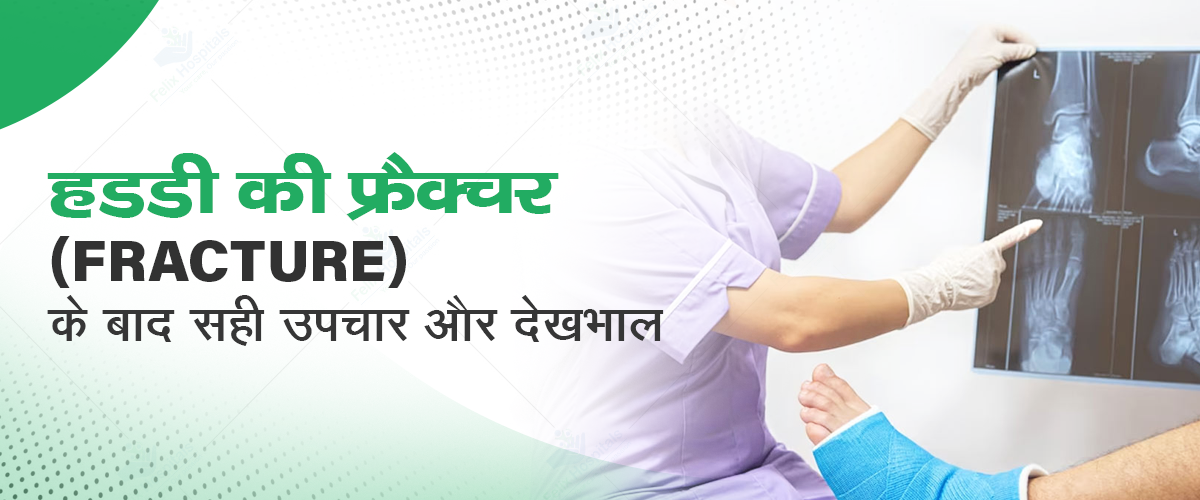
हड्डी का फ्रैक्चर होने पर सही उपचार और देखभाल जरूरत होती है। जिससे हड्डी जल्दी सही हो जाए। अगर किसी को हड्डी का फ्रैक्चर है, तो इसे बिल्कुल भी नजरअंदाज नहीं करना चाहिए। तुरंत पास के अच्छे हड्डी रोग अस्पताल से चिकित्सा सहायता प्राप्त करनी चाहिए। फ्रैक्चर के इलाज में समय पर उपचार के अलावा डॉक्टर की सलाह व सही देखभाल के कारम हड्डी जल्दी सही हो जाती है।
ज्यादा जानकारी के लिए हमें कॉल करें +91 9667064100.
हड्डी का फ्रैक्चर (Bone Fracture) एक ऐसी स्थिति है। जिससे हड्डी टूट जाती है। उसमें दरार (crack) आती है। यह सरल शब्दों में कहें तो फ्रैक्चर तब होता है जब दुर्घटना, गिरने और हड्डियों को कमजोर करने वाली चिकित्सीय स्थितियां जैसे विभिन्न कारणों से हड्डी टूटती है या उसमें दरार आ जाती है। चोट अधिक दबाव या किसी बीमारी के कारण होता है।
फ्रैक्चर के छह प्रमुख प्रकार होते हैं। जिनमें निम्म शामिल हैं:
इसमें हड्डी टूटती है, लेकिन त्वचा नहीं फटती है। सिंपल फ्रैक्चर को हिंदी में "सरल अस्थिभंग" कहते हैं। यह एक प्रकार का हड्डी का फ्रैक्चर होता है। यह फ्रैक्चर बाहर से दिखाई नहीं देता क्योंकि कोई घाव नहीं होता है। इस प्रकार का फ्रैक्चर कम जटिल होता है। इसका इलाज प्लास्टर या स्प्लिंट से होता है।
यह एक गंभीर प्रकार का फ्रैक्चर है। जिसमें टूटी हुई हड्डी त्वचा को फाड़कर बाहर निकल जाती है। इसमें त्वचा में गहरा घाव होता है। जिससे हड्डी दिखाई देती है। इससे संक्रमण का खतरा बढ़ जाता है।
यह बच्चों में अधिक होता है। इसमें हड्डी पूरी तरह नहीं टूटती। बल्कि सिर्फ मुड़ती है। यह उस स्थिति को कहते हैं जहां हड्डी आधे से ज्यादा नहीं टूटती. बल्कि एक तरफ से मुड़ती है और दूसरी तरफ से हल्की सी टूटती है।
जब हड्डी तीन या उससे अधिक टुकड़ों में टूटती है, तो उसे कॉमिन्युटेड फ्रैक्चर कहते हैं। इसमें हड्डी कई टुकड़ों में टूट जाती है।
स्ट्रेस फ्रैक्चर एक छोटी-सी दरार होती है। इसमें हड्डी में लगातार दबाव या ओवरयूज की वजह से आती है। इसे तनावजन्य अस्थिभंग कहा जा सकता है। यह हड्डी पर बार-बार दबाव पड़ने के कारण होता है, जैसे कि एथलीट्स में देखा जाता है।
पैथोलॉजिकल फ्रैक्चर एक ऐसा फ्रैक्चर होता है जो कमजोर या रोगग्रस्त हड्डी में होता है। यानी कि बिना ज्यादा चोट के भी हड्डी टूट जाती है। इसे हिंदी में रोगजन्य अस्थिभंग कहते हैं। यह हड्डी कमजोर होने के कारण होता है, जैसे ऑस्टियोपोरोसिस या कैंसर की वजह से।
कुछ लोग अन्य लोगों की तुलना में हड्डी के फ्रैक्चर के प्रति अधिक संवेदनशील होते हैं। इसके पीछे कई कारण हैं> जिन्हें जोखिम कारक कहते हैं
चूंकि बच्चे की हड्डियां लचीली होती हैं। मगर वहअधिक सक्रिय होते हैं। जिस कारण गिरने या चोट लगने का खतरा रहता है। इसी तरह बुजुर्ग यानी उम्र बढ़ने के साथ हड्डियां कमजोर होती हैं। खासकर ऑस्टियोपोरोसिस के कारण अधिक होता है।
ऑस्टियोपोरोसिस यह एक बीमारी है जिसमें हड्डियां पतली और नाजुक हो जाती हैं, जिससे मामूली चोट से भी फ्रैक्चर हो सकता है।
हड्डी का कैंसर एक गंभीर बीमारी है। जिसमें हड्डी की कोशिकाएं अनियंत्रित रूप से बढ़ती हैं। इसमें गाठ बना लेती हैं। यह गांठ सौम्य भी हो सकती है और घातक भी। इससे हड्डियों की संरचना कमजोर होती है।
जेनेटिक डिसऑर्डर ऐसा रोग हैं। जो जीन में परिवर्तन या दोष के कारण होते हैं। यह परिवर्तन जन्म से पहले ही शरीर के कोशिकाओं में होता है। अक्सर माता-पिता से विरासत में मिलता है, लेकिन कभी-कभी ये स्वतः भी उत्पन्न हो सकते हैं।
कैल्शियम और विटामिन डी हड्डियों को मजबूत बनाने में अहम भूमिका निभाते है। हड्डी के पुनर्निर्माण में प्रोटीन की भी जरूरत होती है। इसकी कमी से परेशानी बढ़ती है।
थायरॉयड और पैराथायरॉयड ग्रंथि की समस्या में शरीर में कैल्शियम के स्तर को प्रभावित कर सकते हैं। रजोनिवृत्ति के कारण महिलाओं में इस दौरान एस्ट्रोजन हार्मोन का स्तर कम हो जाता है, जिससे हड्डियां कमजोर हो सकती हैं।
धूम्रपान यह हड्डियों की ताकत को कम कर सकता है। अत्यधिक शराब का सेवन हड्डी घनत्व कम हो जाता है। शारीरिक गतिविधियों की कमी यानी व्यायाम न करने से हड्डियां कमजोर हो सकती हैं।
एथलीट्स और सैन्य कर्मी जो होते हैं उन्हें अधिक परिश्रम के कारण हड्डियों पर बार-बार दबाव पड़ता है, जिससे स्ट्रेस फ्रैक्चर हो सकता है। भारी शारीरिक श्रम यानी अधिक वजन उठाने या कठोर परिश्रम करने से हड्डियों पर दबाव बढ़ सकता है।
स्टेरॉयड या कुछ दवाइयों का सेवन यानी लंबे समय तक स्टेरॉयड लेने से हड्डियां कमजोर हो सकती हैं। मधुमेह इससे हड्डी टूटने के बाद सही होने में अधिक समय लग सकता है। ऑस्टियोमायलाइटिस यह हड्डी का संक्रमण है, जो उसे कमजोर कर सकता है।
अगर हड्डी टूटने का संदेह हो, तो तुरंत उपचार कराए। प्रभावित क्षेत्र को स्थिर रखें। अगर फ्रैक्चर सरल है। हड्डी ज्यादा हिली नहीं है, तो डॉक्टर प्लास्टर लगाते हैं। यह हड्डी को स्थिर रखता है। जिससे वह सही तरीके से जुड़ सके। कुछ मामलों में हड्डी को सीधा रखने और ठीक से जोड़ने के लिए ट्रैक्शन तकनीक का उपयोग होता है। इसमें पट्टियों, भार का प्रयोग किया जाता है। अगर हड्डी बहुत ज्यादा हिल गई हो या कई टुकड़ों में टूट गई हो, तो ऑपरेशन की जरूरत पड़ती है। इसलिए समय से अच्छे हड्डी के अस्पताल से संपर्क करना आवश्यक है। हड्डी को जोड़ने के लिए प्लेट, स्क्रू, या रॉड्स का उपयोग करते हैं। अगर हड्डी का हिस्सा खराब हो गया हो, तो उसे नए हड्डी ऊतक से बदला जाता है।
फ्रैक्चरठीक होने के बाद मांसपेशियों की कमजोरी, जकड़न और हड्डी की मजबूती प्रदान करने के लिए थेरेपी अपनाई जाती हैं। सही थेरेपी से हड्डी जल्दी सही हो जाती है। व्यक्ति सामान्य जीवन वापस जी सकता है।
इससे उन मरीजों के लिए फायदा होता है। जिनका फ्रैक्चर उनके दैनिक कार्यों को प्रभावित करता है। जैसे हाथ, कलाई या पैर का फ्रैक्चर।
इसे पानी में एक्सरसाइज करने वाली थेरेपी जिसे एक्वाथेरेपी भी कहते हैं। पानी के कारण शरीर का भार कम लगता है। जिससे मूवमेंट आसान होता जाता है।
कुछ मामलों में हड्डी और मांसपेशियों को ठीक करने के लिए इलेक्ट्रोथेरेपी का इस्तेमाल करते हैं। यह दर्द को कम करने में सहायक होता है।
रक्त संचार को बढ़ाकर हड्डी की हीलिंग प्रक्रिया तेज करता है। जिससे दर्द कम होता है।
ऊतकों को पुनर्जीवित करने और सूजन कम करने में सहायक होता है। जिससे दर्द कम होता है।
इसमें हड्डी धीमी गति से जुड़ रही है, बोन स्टिमुलेटर का उपयोग किया जाता है। इसे आराम मिलता है।
जब हड्डी ठीक हो जाती है, तो धीरे-धीरे योग और स्ट्रेचिंग से जोड़ों की गति बहाल होती है। शरीर को अधिक लचीला और मजबूत बनाता है।
थेरेपी या उपचार से जुड़ी कीमत की जानकारी के लिए, आप फेलिक्स अस्पताल से संपर्क कर सकते हैं।
हड्डी की फ्रैक्चर के बाद सही उपचार और देखभाल के लिए उपयुक्त सर्जन और अस्पताल का चयन करना बेहद महत्वपूर्ण होता है। कुछ आवश्यक विचार निम्नलिखित हैं:
नोएडा के फेलिक्स अस्पताल में डॉ. वरुण अग्रवाल, डॉ. केशव गोयल, डॉ. पीयूष कुमार सिंह, और डॉ. बिनय कुमार साहू जैसे अनुभवी ऑर्थोपेडिक विशेषज्ञ उपलब्ध हैं। ये विशेषज्ञ फ्रैक्चर के प्रभावी उपचार और मरीजों के शीघ्र स्वास्थ्य लाभ के लिए व्यक्तिगत देखभाल और उन्नत चिकित्सा समाधान प्रदान करते हैं।
डॉक्टर की सलाह लेने के लिए आज ही यह क्लिक करें और अपने साथ साथ अपने परिवार का भी ध्यान रखें।
हड्डी का फ्रैक्चर (Bone Fracture) एक गंभीर स्थिति है। समय पर उपचार और उचित देखभाल से यह ठीक हो सकता है। हड्डी टूटने पर डॉक्टर से संपर्क करके उपचार कराएं। आप सही आहार, नियमित व्यायाम और हड्डियों की मजबूती बनाए रखने के उपाय अपनाकर फ्रैक्चर के जोखिम को कम कर सकते हैं। फेलिक्स हॉस्पिटल में अनुभवी ऑर्थोपेडिक विशेषज्ञों की टीम अत्याधुनिक तकनीकों के साथ हड्डी के फ्रैक्चर का प्रभावी इलाज प्रदान करती है। अगर आपको या आपके किसी प्रियजन को हड्डी संबंधी कोई समस्या हो, तो बिना देर किए चिकित्सा सलाह लें।
प्रश्न 1. हड्डी का फ्रैक्चर कितने प्रकार के होते हैं ?
उत्तर : हड्डी के फ्रैक्चर छह प्रकार के होते हैं। साधारण फ्रैक्चर में हड्डी टूटती है। मगर त्वचा नहीं फटती। जबकि हेयरलाइन फ्रैक्चर में हड्डी में दरार आ जाती है।
प्रश्न 2. फ्रैक्चर को ठीक होने में कितना समय लग सकता है ?
उत्तर : यह कई कारकों पर निर्भर करता है। जैसे फ्रैक्चर का प्रकार, उम्र, स्वास्थ्य और उपचार विधि होती है। साधारण फ्रैक्चर को 6-8 हफ्तों में सही होता है।
प्रश्न 3. फ्रैक्चर के इलाज के दौरान क्या खाना चाहिए ?
उत्तर : हड्डियों को जल्दी ठीक करने के लिए कैल्शियम और विटामिन D से भरपूर आहार लें। दूध, दही, पनीर, हरी सब्जियां (पालक, मेथी), नट्स और बीज (बादाम, तिल, अखरोट) का सेवन करें।
प्रश्न 4. क्या फ्रैक्चर के बाद व्यायाम किया जा सकता है ?
उत्तर : डॉक्टर और फिजियोथेरेपिस्ट की सलाह के अनुसार हड्डी और मांसपेशियां मजबूत की जा सकती हैं। इलाज से जोड़ों की जकड़न कम हो जाती है। ब्लड सर्कुलेशन बढ़ता है। इस दौरान हड्डी तेजी से जुड़ती है। शुरुआत में हल्की स्ट्रेचिंग और मूवमेंट एक्सरसाइज करना चाहिए। धीरे-धीरे वजन सहन करने वाली एक्सरसाइज करना चाहिए।
प्रश्न 5. क्या हड्डी पहले जैसी मजबूत हो सकती है ?
उत्तर : सही देखभाल और उचित पोषण से हड्डी पहले जैसी मजबूत होती है। कई बार हड्डी थोड़ी कमजोर रहती है। मगर भविष्य में गिरने या दोबारा फ्रैक्चर से बचाव के लिए सावधानी रखना चाहिए।

Bone fractures are common injuries from accidents or falls. While many heal well, complications can arise, affecting recovery. Learn more about these issues and treatments.
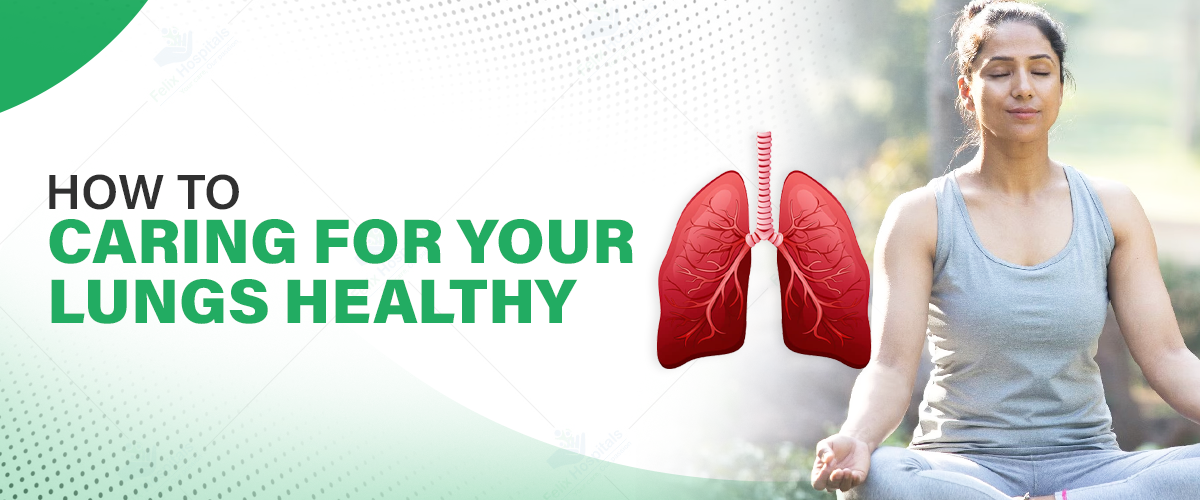
Your lungs are your body's unsung heroes, working day and night to keep you breathing. They draw in oxygen to power every cell and expel carbon dioxide to preserve equilibrium. But times have changed, and it is more difficult than ever to maintain their health. Air pollution, smoking, and a lack of exercise are causing lung problems to become more common—even among young adults. If you've ever looked up the best hospital near me with breathing problems, don't worry, you're not alone. The better news? No dirty tricks necessary—plain, simple daily routines will keep your lungs safe and make them healthier. Treat your lungs with regular care and you can develop robust lungs naturally and enjoy a more active, more fulfilling life. Let's have a look!
If you worry about breathlessness and how it might affect your health, schedule an appointment. Call us now at +91 9667064100!
In order to take care of your lungs, it would be a good idea to know what they are doing. Consider them two spongy balloons inside your chest that fill with air each time you breathe. Small air balloons called alveoli are the actual heroes—these exchange oxygen from the air into your blood and expel carbon dioxide when you breathe out. It's an efficient system, but a fragile one. Irritants like smoke, dust, or even pollen can interfere with this process, blocking airways or inflaming those fragile sacs. When you see this, you can see why good habits and fresh air are so important—your lungs rely on them to keep the whole operation of your body going.
Sadly, our lungs are confronted with many daily threats that can damage their function over time. Some of the most menacing are:
If you feel shortness of breath, cough, or other lung symptoms, it is recommended to visit professionals at the best hospital in Noida, in order to diagnose and treat yourself on time.
Good lung health is not rocket science—small, smart choices every day. Here's how you can improve your lungs and make them happier:
Smoking is filling your lungs with tar—each puff damages airways and kills off those valuable alveoli. The moment you stop, your lungs start to heal. In a year, your risk of heart disease drops way down, and breathing is simpler. Even if you've smoked for years and years, stopping now still performs magic. Need help? Ask at the top hospital for lung treatment—they have programs to assist you.
Moving your body is a lung booster. Activities like brisk walking, swimming, or cycling make your lungs work harder, increasing their capacity. Try 30 minutes most days—it’s a game-changer. Breathing exercises are gold too—pranayama or diaphragmatic breathing (belly breathing) trains your lungs to take in more oxygen and push out stale air. Start slow, and you’ll feel the difference.
You can't avoid outdoor pollution, but you can turn your house into a lung-friendly house. Use an air cleaner that can capture dust and allergens. Open windows when the outside air is fresh, and sweep your area regularly to clear it of mold and mites. Aloe vera or spider plants can do the trick as well.
Shots aren’t just for kids—flu and pneumonia vaccines protect your lungs from nasty infections. If you’ve got asthma or bronchitis, these are extra important. They’re quick, safe, and a small step for big protection—check with your doctor about what’s right for you.
Food makes a difference! Stock up on antioxidants—berries, spinach, turmeric, and walnuts battle inflammation in your lungs. Orange or guava vitamin C supports tissue repair, and fish or flaxseed omega-3s lubricate airways. And hydrate with water too—it thins mucus so your lungs can expel it.
Germs love to infect your lungs, so wash your hands often—especially during flu season. It's a little habit that bears big dividends. Wearing a mask in infected surroundings or public areas decreases your risk of breathing trouble.
Let things not go wrong—regular check-ups identify issues in time. If lung issues are hereditary in your family or you had breathing problems earlier, inquire about spirometry (a test to assess lung strength) or scans. The best lung treatment center, such as one in Noida, can assist with expert tests and counseling.
Want a quick and natural energy source for your lungs? Just experiment with these supercharged breathing exercises that boost lung power, increase oxygenation, and improve respiratory function.
Doing any of these exercises for even 5–10 minutes a day can have a significant impact on your breathing, strengthening, clearing, and energizing your lungs.
For specialized care and personalized treatment, come to Felix Hospital and meet Dr. Priyadarshi Jitendra Kumar, one of the Best pulmonologists in Noida. With years of experience and a strong background in treating respiratory diseases, especially due to air pollution, Dr. Kumar offers holistic care treating each patient's unique needs. Whether you have chronic respiratory diseases or want to know how to prevent and treat them, his treatment is aimed at enhancing your overall lung condition.
Take charge of your lung health and get expert care at Felix Hospital today! Click Here to find out more.
Healthy lungs equal healthy you—they're the fuel cell driving every step, smile, and dream. You don't have to disrupt your life; small, routine habits—such as exercise, diet, and visiting a doctor—form a foundation that works. Concerned about the cost of lung treatment? Prevention is less expensive and simpler than repairing things later. Whether you are staying away from pollution or smoking, every decision matters. Visit the top hospital in Noida or even near you, for excellent care if the situation demands. Begin now—your lungs deserve a complete lifetime of dedication!
1. Why is lung health important even when I do not have any respiratory problems?
Ans- Even before symptoms appear, your lungs might be damaged due to pollution, bad habits, or infections. Healthy lungs enhance energy levels, immunity, and overall well-being—so proactively taking care of them averts future problems.
2. What are some early warning signs of lung troubles?
Ans- Certain early signs include persistent coughing, breathlessness, wheezing, chest pain, or fatigue in general. If you face any of them, especially if they worsen with time, it is advisable to consult a pulmonologist as soon as possible for timely treatment and healing.
3. Is lung function improved without medication?
Ans- You can naturally reinforce your lungs by quitting smoking, exercising every day, consuming antioxidant foods, doing breathing exercises, and giving clean indoor air. These become habits that strengthen the lungs.
4. How does exercise benefit my lungs?
Ans- Exercising every day enhances lung capacity and optimizes oxygen. Walking, swimming, or breathing exercises enable your lungs to fully expand and keep respiratory infections away.
5. What foods feed healthy lungs?
Ans- Antioxidant- and omega-3-rich foods such as berries, spinach, turmeric, guavas, fish, flaxseeds, and walnuts combat inflammation, heal lung tissue, and disinfect your airways.
6. What breathing exercises can I do at home?
Ans- Easy practices like Box Breathing, Pursed-Lip Breathing, and Anulom-Vilom (alternate nostril breathing) enhance oxygen levels, boost lung capacity, and make breathing easier—especially when practiced routinely.
7. Why do I need to visit a pulmonologist?
Ans- If you have a repeated cough, breathing difficulty, chest tightness, or a history of respiratory disease or smoking, you need to visit a pulmonologist. To visit a specialist, you can go to Dr. Priyadarshi Jitendra Kumar at Felix Hospital, Noida.
Felix Hospitals is considered the best hospital for Pulmonary Function Tests, offering cutting-edge technology and expert pulmonologists for accurate assessments.

A pulmonologist plays a crucial role in helping patients dealing with serious or chronic breathing difficulties.
The cost of a Pulmonary Endarterectomy surgery depends on factors such as hospital facilities, surgeon fees, and post-operative care requirements.
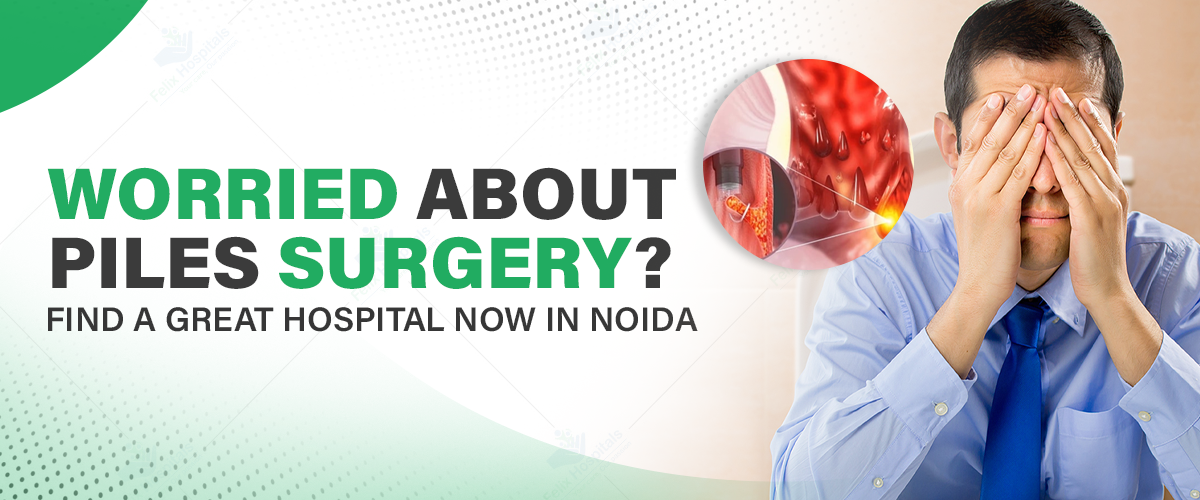
Piles or hemorrhoids are inflamed veins of the anus and lower rectum that can produce pain, discomfort, and bleeding. Though most of the cases are easily treatable with life-style modifications and medicines, nasty piles are treated by surgery. Keeping the best hospital near me for piles surgery is necessary to get a successful and safe operation. Early detection of piles allows for less invasive procedures and avoids complications. Timely medical treatment can enable effective symptom control and enhance quality of life.
Piles with Pain-Free Laser Surgery! Get a fast, safe, and effective treatment with minimal downtime. Call us now at +91 9667064100.
Chronic Pain and Discomfort – Severe discomfort or pain that occurs during or after bowel movements can be an indication of surgical intervention.
Bleeding Prolonging – If there is persistent blood passing even with non-surgical management, one might require surgery.
Protruded or Thrombosed Hemorrhoids – Prolapsing external hemorrhoids through the anus or thrombosis can require surgical intervention.
Poor Lifestyle Modifications and Medication – If lifestyle modifications and medication are not effective, top hospitals for piles surgery treatment is essential.
Professional Surgeons & Experts – Choose the hospitals with experienced proctologists and colorectal surgeons for better treatment. They are experts who provide right diagnosis and proper surgery. A good expert can even enhance the outcome of treatment to a large extent.
Advanced Treatment Facilities – Make sure the hospital has state-of-the-art treatment facilities like laser treatment and minimally invasive surgery. These provide faster recovery, less pain, and fewer chances for complications. Just as important is complete post-operative care for relief in the long term.
Hospital Reputation & Reviews – The reputation of the hospital can be measured by reading reviews and online ratings of patients. A hospital with positive reviews and high patient satisfaction is likely to deliver quality care. Transparency in the treatment process is also a critical factor.
Infrastructure & Hygiene Standards – A clean, well-maintained, and hygienic hospital environment guarantees patient safety. Comfortable recovery rooms, sanitation, and modern medical equipment make healing simple. Proper infrastructure also prevents infection.
Insurance & Affordability – The cost of piles surgery in Noida needs to be known while choosing a hospital. Compare the charges of hospitals, fees of surgeons, and cost financing to get a trustworthy and low-cost healthcare provider. Ensure that the hospital is insured for an affordable treatment.
Qualifications and Expertise – Check the qualifications, certifications, and specialty of the surgeon in dealing with piles. An appropriately qualified and trained doctor in proctology provides accurate diagnosis and successful surgical procedures. Board-certified doctors are usually a first choice.
Experience in Treating Complicated Cases – Choose a surgeon with vast experience in treating simple to complicated cases of piles. An efficient surgeon is able to manage complications in a proper manner and provide improved treatment outcomes. Their experience in advanced procedures also enhances patient safety.
Patient Testimonials and Reviews – Read reviews of past patients in order to determine the genuineness of the surgeon. Positive reviews of successful surgeries, empathetic care, and after-treatment assistance show credible healthcare. Personal experiences of past patients can assist you in making an informed decision.
Cost Determinants – Hospital costs, surgeon fee, procedure, and post-operative treatment determine the overall cost of piles surgery. The condition's intensity and other medical needs can also influence the end amount. Knowing these factors enables patients to plan their treatment accordingly.
Insurance Cover & Finance Facilities – Most of the most sought-after Noida hospitals have health insurance covers for the expense of surgery for piles. The patients can confirm with the insurance company on the claim steps and reimbursement opportunities. Financing or EMI can be availed through some of the hospitals too with discounted costs.
Government vs. Private Hospital Expenses – Government hospitals are more affordable compared to private hospitals but have a longer waiting period. Complex surgery and tailored treatment can be accessed via private hospitals but at a higher cost. Both alternatives in comparison guide one in making the ideal decision by taking into consideration expenses and medical needs.
Pre-Surgery Tests and Consultation – Physicians perform tests such as blood tests and physical examination before surgery to examine the health of the patient. The tests ready the body of the patient for surgery and identify any risk involved. Proper consultation with the physician erases all the myths and gets the patient prepared mentally for surgery.
Dietary Modifications and Precautions – There should be proper hydration with high-fiber intake to prevent distress during smooth digestion. Avoid hot foods or heavy food items possessing a constipating or irritating character. The preoperative diet is conducted in order to prevent distress while recovery from surgery takes place.
Day of Surgery – With the knowledge about the surgery, patients feel less anxious and well-prepared in their minds. The majority of pile operations are performed under local anesthesia, and both laser pile operations and minimally invasive surgery take less than an hour for completion.
Pain Management and Medication – Doctors will prescribe pain killers and anti-inflammatory drugs to manage pain following surgery. Stool softeners can also be given to patients so that they do not strain during stool passage. Strict adherence to medication provides a smooth and painless recovery.
Dietary Advice – Consumption of fruit, vegetables, and whole high-fiber food prevents constipation. Drinking large amounts of water and refraining from spicy or processed food is essential for a healthy digestive system. Healthy eating accelerates healing and minimizes recurrence risks.
Wound and Hygiene Care – Surgery area should be thoroughly cleaned so that infection will be avoided and healing will occur. Patients will use mild doctor-prescribed antiseptics but not pungent soap. Good hygiene decreases complications and leads to swift recovery.
Follow-Up Appointments and Changes in Lifestyle – Frequent follow-up appointments to the physician allow for observation of recovery and fading away of piles. Changing a lifestyle, i.e., consuming a healthy diet and not waiting for long hours, removes recurrence of piles. Faithful followance of doctor's advice ensures long relief along with recovery of overall health.
For professional treatment, Dr. Ritesh Kumar Agarwal is amongst the top laparoscopic piles surgery specialists at Felix Hospitals. Being highly experienced in conducting minimally invasive surgeries, Dr. Agarwal is one of the best physicians for piles treatment. Patients can trust his skilled hands with a safe and successful surgery, which ensures quicker recovery with less pain.
If you are thinking of laparoscopic piles surgery, Dr. Agarwal and his well-trained team at Felix Hospitals offer individualized care to help you through it.
Seek expert advice on laser piles treatment from global experts. Book your appointment here.
Treatment for piles requires the expert opinion for proper diagnosis and cure. All are afraid to see a doctor because of shame or fear of operation, but delay can cause serious complications such as profuse bleeding, pain, and aggravation of the problem. Early medical treatment not only controls the symptoms but also decreases the risk of needing surgery by treating the problem in its initial stages.
For those who do need to have surgery, advances in medical science, like laser and minimally invasive procedures, have reduced piles surgery to be less painful, faster in recovery, and safer. New procedures are designed to produce the least amount of pain and enable patients to return to normal more quickly than with conventional surgery. It should be kept in mind that piles are a very common disease, and nobody should waste time going to see an expert. Taking the suggestion of a famous and experienced proctologist of a renowned hospital can give right guidance, treatment plan, and post-operative follow-up for trouble-free and easy recovery.
1. Is laser piles surgery more effective and quicker to recuperate from than stapler or open surgery?
Ans- The recuperation is quicker, there is less pain, and recurrence is less with laser surgery compared to stapler surgery or open surgery. Laser treatment is not associated with cuts or stitches as in the case of other procedures, so post-op complications like infection or bleeding after surgery are fewer risks.
2. Can laser piles treatment be conducted in patients with comorbidities or elderly patients?
Ans- Yes, it is possible to conduct laser surgery safely in elderly patients as well as in patients with comorbidities such as diabetes or hypertension. It is a less invasive procedure, which minimizes the risk of surgery and enables quicker recovery, and that's why it is the first choice for patients with comorbidities.
3. When can I get back to work after getting laser piles surgery done?
Ans- Most individuals can get back to work between 2-3 days based on their type of work and general well-being. Though office work can be resumed very easily, physically exhausting activities will need a little bit of more time to get healed properly.
4. Do you need hospitalization for laser treatment of piles, or is it done as a day care procedure?
Ans- Laser piles surgery is generally day care, i.e., the patient can go home on the same day. But depending upon the severity of other complications in some patients, the physician might advise overnight stay for observation.
5. What are the dietary changes that I need to follow after surgery to avoid recurrence of piles?
Ans- A high-fiber diet, such as fruits, vegetables, and whole grains, and sufficient intake of fluids will prevent recurrence of constipation. Avoidance of spicy foods, processed foods, and excessive intake of caffeine will also prevent recurrence.
6. What lifestyle changes do I have to make in order to maintain long-term relief following piles surgery?
Ans- Yes, as long as you incorporate regular exercise, not spending hours sitting still, and being properly healthy at stool (not straining during it), then the piles won't come back. Healthy body weight and stopping smoking also help make digestion healthier.
7. Is laser piles surgery covered by insurance and how can I see what's included on my policy?
Ans- The majority of health insurance providers include laser pile surgery on their list of surgical procedures. Patients need to ask their insurance provider for coverage details, what paperwork is required, and the claim process before they can receive treatment.
Learn about open and laparoscopic pyeloplasty, their benefits, and when they’re used to treat kidney blockage.
Laparoscopic nephrectomy is a minimally invasive surgery to remove a kidney using small incisions. It offers faster recovery, less pain, and reduced scarring, with some risks like bleeding or infection.
Dr. Ritesh Agrawal is an experienced surgeon in noida specializing in both open and minimally invasive laparoscopic procedures.


Subscribe to our
© Copyright 2026. All Rights Reserved by Felix Healthcare Private Limited
Design and development by :


 +(91)9667064100
 Emergency : +(91)9667064100