 WhatsApp
 Emergency:
  WhatsApp



Subscribe to our
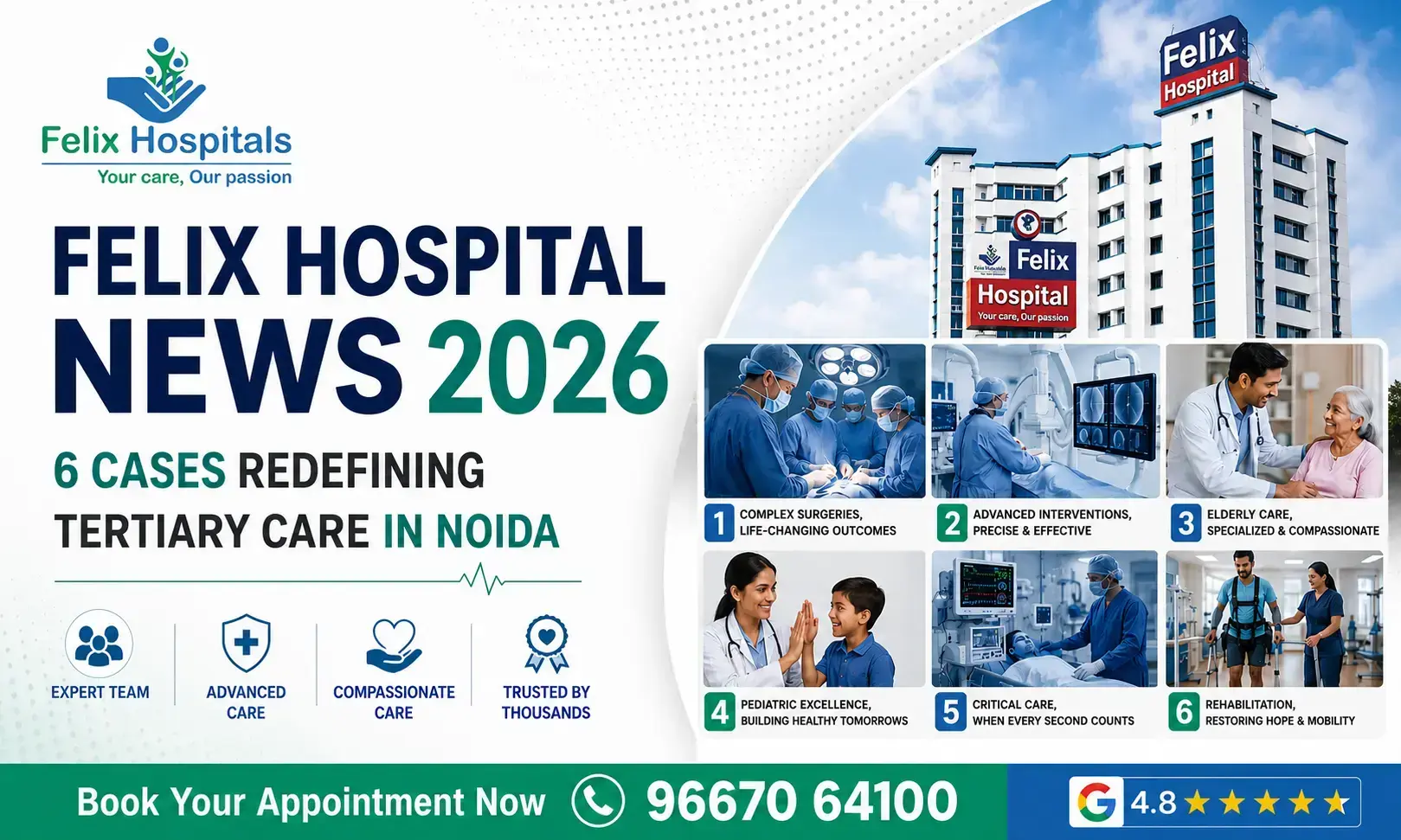
Quick Reference: Felix Hospital 2026 Clinical Cases
Case | Doctor | Specialty | Outcome |
Intestinal Bypass (Age 81) | Dr. Tabish | Gastroenterology | Scarless, no general anesthesia, discharged in 72 hrs |
High-Risk C-Section | Dr. Sangeeta Sharma | Obstetrics & Gynecology | Individualized plan, zero complications |
Bilateral TKR in HCV+ Patient | Dr. B.K. Shahu | Orthopedics | Single-sitting, full mobility in 24 hrs |
GCS 3 Coma + Multi-Organ Failure | Dr. Abhishek | Critical Care | Full neurological and organ recovery |
34-Week Preterm with Pneumonia | Dr. Avinash Kumar Jha | Neonatology | Respiratory rescue, infection-free at 2 months |
Idiopathic Intracranial Hypertension | Dr. Shishir Pandey | Neurology | Immediate vision restoration |
Patients in Delhi-NCR have shifted how they choose hospitals. Proximity no longer wins — documented outcomes do. What has emerged from Felix Hospital latest news this year is a pattern: cases referred as unmanageable at other centres are being reviewed, accepted, and resolved here.
Six cases from 2026 illustrate this pattern concretely. Each is physician-led, patient-consented, and documented with measurable outcomes.
Specialist: Dr. Tabish, Consultant Gastroenterologist
Yadram, 81, arrived at Felix Hospital Noida with a complete large intestinal blockage. Two other hospitals had already ruled out surgery — his physiological reserve was too low for general anesthesia. Six months of progressive digestive failure had left him severely distended and functionally unable to eat.
Dr. Tabish performed an Endoscopic Ultrasound-Guided (EUS) bypass under monitored sedation. The procedure creates an internal detour around the obstruction using precision stents, guided by real-time ultrasound imaging — no incision, no external scar, no general anesthesia required.
Yadram's digestive function was fully restored. He was discharged within 72 hours.
This case has spread widely through senior citizen and caregiver networks in Noida — which is why it became Felix Hospital viral news not through advertising, but through families sharing what they witnessed. It represents a documented clinical first for geriatric non-surgical intervention in the region.
Published with written patient consent.
Specialist: Dr. Sangeeta Sharma, Senior Consultant — Obstetrics & Gynecology
Payal, a first-time mother, had already consulted two facilities before arriving at Felix Hospital Noida. Her concern was not purely medical — she felt dismissed, unheard, and unprepared. That experience is more common than it should be, and it is a clinical problem, not just a service one. Anxiety in first-time mothers directly affects delivery outcomes.
Dr. Sangeeta Sharma implemented what the department calls a deep consultation model: 20 to 25 minutes per visit, with every maternal concern addressed systematically. When a C-section was determined to be the safest pathway, Payal was fully informed and prepared for it — not surprised by it.
Post-delivery, Dr. Bhavna from Paediatrics provided breastfeeding guidance and neonatal hygiene counselling, completing a handoff that is built into the protocol rather than left to chance.
This 360-degree continuity is what distinguishes Felix Hospital Noida news on maternity outcomes from standard birth announcements. The outcome is measured not just in a healthy delivery but in a mother who leaves prepared.
Specialist: Dr. F.K. Shah, Director — Orthopedics & Joint Replacement
Bala Devi presented with Grade IV bilateral arthritis — both knees were at end-stage degeneration — and she was HCV-positive. Most surgical teams decline this combination. The blood-borne pathogen status requires strict universal infection-control precautions throughout the procedure, and bilateral replacement in a single sitting adds anaesthetic complexity.
Dr. F.K. Shah performed the single-sitting bilateral Total Knee Replacement with full infection-control protocols active throughout. By replacing both knees in one session, overall anaesthetic exposure was halved compared to staged procedures.
Bala Devi was mobilised within 24 hours. Her husband, Ramveer Singh, noted that the nursing team's responsiveness throughout recovery matched the surgical outcome — a detail that keeps appearing in Felix Hospital latest news from the orthopaedics department.
Published with written patient consent.
Specialist: Dr. Abhishek, Critical Care & Anaesthesia Specialist
Surajmal was transferred from Saharanpur in a state of complete unresponsiveness. GCS 3 — the lowest measurable score on the Glasgow Coma Scale — means no eye opening, no verbal response, no motor response. Simultaneously, he was in acute liver and kidney failure, had active hematuria, and was in hypertensive crisis.
The critical care team's response was immediate and layered. Intubation and mechanical ventilation stabilised the airway. HRCT and CT Urography mapped the internal damage. A targeted antibiotic regimen addressed the infective component driving multi-organ stress.
Surajmal regained consciousness. Organ function normalised. He was eventually discharged.
His nephew, Sandeep Kumar, stated that Felix Hospital took on a case that had already been declined elsewhere. That statement is the reason this case has become the most discussed entry in Felix Hospital news 2026 — not because it was announced, but because the family shared it in their own words.
Published with written patient consent.
Specialist: Dr. Avinash Kumar Jha, Consultant Paediatrician & Neonatologist
Baby of Lyra was born at 34 weeks with congenital pneumonia and presented with secondary apnea — a sudden, complete cessation of breathing — in the delivery room. The margin for error in a case like this is measured in seconds.
The infant was resuscitated in the OT, intubated immediately, and transferred to the Level III NICU. Dr. Avinash Kumar Jha administered Surfactant Therapy — a targeted intervention that prevents immature air sacs from collapsing in underdeveloped lungs — and initiated 24-hour monitoring.
After seven days in the NICU, the infant achieved full respiratory stability. At the two-month follow-up, she was infection-free and growing normally.
This case is regularly cited in Felix Hospital breaking news today discussions about neonatal infrastructure in Noida because it demonstrates what a properly equipped Level III NICU actually makes possible — outcomes that a Level II unit structurally cannot deliver.
Published with written patient consent.
Specialist: Dr. Shishir Pande, Consultant Neurologist
A 30-year-old woman arrived at Felix Hospital with chronic severe headaches and progressive blurring of vision in her right eye. MRI and MR Venogram (MRV) imaging revealed tortuous optic nerves — a direct consequence of elevated cerebrospinal fluid pressure consistent with Idiopathic Intracranial Hypertension, also known as Pseudotumor Cerebri.
The condition is underdiagnosed because its presentation mimics migraines and its danger — permanent vision loss — is not always appreciated until significant damage has occurred.
Dr. Shishir Pande performed a therapeutic lumbar puncture with manometry, safely draining the excess CSF and relieving the pressure on the optic nerves. The patient's vision improved immediately following the procedure.
Speed of diagnosis and precision of intervention are the variables that determine outcome in IIH. This case reflects both — and it is one of the reasons Felix Hospital breaking news from the neurology department continues to draw referrals from across NCR.
Published with written patient consent.
None of these six outcomes are coincidental. Each required infrastructure that most hospitals in the region do not have: a Level III NICU, a Level III endoscopy suite with ultrasound integration, a critical care unit that accepts GCS 3 admissions, an orthopedic theatre equipped for bio-hazard protocols, and neurology diagnostics with MRV capability.
More than equipment, each case required a physician willing to take on complexity that other centres declined. That pattern — accepting the difficult case, building a plan around the individual patient, and delivering a documented outcome — is what Felix Hospital Noida news in 2026 consistently shows.
Dr. Ravi Sharma is a senior physician with 42+ years of experience, known for compassionate and comprehensive patient care in Noida.
Nobody plans a medical emergency. But the families who get through one without financial devastation are usually the ones who knew exactly where to go before it happened.
If you have an Ayushman card and you live in Delhi, this page tells you everything. Which hospital to go to, what is covered, what documents to carry, how the process works from entry to discharge, and where to find the Ayushman card hospital list in Delhi PDF.
Felix Hospital, is fully empanelled under Ayushman Bharat Pradhan Mantri Jan Arogya Yojana (PM-JAY). Covered treatments are completely cashless. No deposit, no advance, no bill at discharge for listed procedures.
Ayushman Helpdesk: +91 9667064100
The Ayushman card hospital list in Delhi has several options — government hospitals, small nursing homes, and larger private facilities. The question is not just which ones accept the card. It is which ones have the doctors, the equipment, and the capacity to handle what your family actually needs.
Felix Hospital stands apart for a few concrete reasons.
When a procedure is listed under PM-JAY and your card is valid, Felix Hospital charges you nothing. No deposit at admission. No balance billing at discharge. The hospital settles directly with the PM-JAY insurer. A dedicated Ayushman helpdesk handles verification, documentation, and admission from the moment you arrive — so families coming in during a stressful medical situation are not left navigating billing counters and phone calls alone.
The specialist coverage matters too. Cardiology, orthopaedics, neurology, oncology, gynaecology, urology, paediatrics, general surgery, ENT, ophthalmology — all available at Felix Hospital. Mid-treatment referrals to other hospitals mean delays and gaps in care that directly affect outcomes. That does not happen here.
NABH accreditation means Felix Hospital meets national standards for patient safety, infection control, and clinical protocols — audited externally, not self-declared. Ayushman cardholders receive the same doctors, the same facilities, and the same post-operative care as every other patient. No separate ward. No lower-priority queue.
Feature | Govt Hospitals | Small Nursing Homes | Felix Hospital |
Specialist Availability | High (but busy) | Limited | 24/7 Multi-Specialty |
Wait Time | Long | Moderate | Immediate — Dedicated Desk |
NICU / Critical Care | Often Full | Rare | Level III NICU Available |
Cashless Smoothness | High | Variable | 100% Guaranteed |
NABH Accreditation | Varies | Rare | Yes |
Dedicated Ayushman Desk | No | No | Yes |
PM-JAY covers over 1,900 treatment packages across medical and surgical specialties.
Specialty | Procedures Covered |
Cardiology & Cardiac Surgery | Angiography, angioplasty, bypass grafting, valve replacement, pacemaker, heart failure management |
Orthopaedics & Joint Replacement | Knee replacement, hip replacement, spine surgery, fracture repair, bone infection treatment |
Neurology & Neurosurgery | Stroke management, brain surgery, spinal conditions, epilepsy treatment |
Oncology | Cancer diagnosis, chemotherapy, radiation, surgical oncology |
Gynaecology & Obstetrics | Normal delivery, C-section, hysterectomy, fibroid surgery — Level III NICU available |
Urology | Kidney stone laser, prostate surgery, urinary tract procedures, dialysis |
General Surgery | Laparoscopic gallbladder, hernia repair, appendectomy, abdominal surgery |
Paediatrics | Paediatric surgical and medical conditions |
ENT & Ophthalmology | Cataract, ear surgery, tonsillectomy, septoplasty |
Chronic kidney disease dialysis 24/7 unit |
Call +91 9667064100 to confirm whether your specific procedure is covered before travelling.
Two minutes is all it takes.
Go to pmjay.gov.in and click Find Hospital on the homepage. Select Uttar Pradesh as the state and Gautam Buddha Nagar as the district — this covers all of Delhi including Dadri, Surajpur, Kasna, and surrounding areas.
Felix Hospital appears under Gautam Buddha Nagar. If you cannot find it, call +91 9667064100 for immediate confirmation.
The Ayushman Bharat mobile app on Android and iOS also has a Find Hospital Near Me feature and lets you download your e-card if you don't have the physical card.
Always download fresh from the official site. Older PDFs circulating on WhatsApp groups are often outdated — hospitals get added and removed from the empanelled list regularly.
Having the card is one thing. Knowing what to do when you walk in is another.
Step 1: Go to the Ayushman Helpdesk — not general billing Walk directly to the dedicated Ayushman Bharat helpdesk at the Felix Hospital entrance. Do not join the general patient queue. This desk handles only scheme patients.
Step 2: Present your Ayushman card and Aadhaar Hand over your Ayushman card (physical or e-card) and the patient's Aadhaar card. Live verification against the PM-JAY database takes three to five minutes.
Step 3: Eligibility confirmed Name found in the database — you are cleared. No income certificate. No BPL proof. Nothing else at this stage.
Step 4: Hospital handles pre-authorisation For planned procedures, the hospital submits pre-authorisation to the PM-JAY insurer. You do nothing. For emergencies, treatment starts immediately and authorisation follows.
Step 5: Treatment at zero cost Room, surgery, anaesthesia, medicines, investigations, and meals during your stay — all covered for listed packages.
Step 6: Cashless discharge Sign the discharge papers and leave. The hospital bills PM-JAY directly. Your balance for covered treatments is zero.
Arriving with the right documents means admission moves without delays.
Mandatory — without these, verification cannot proceed:
Ayushman card — physical card or e-card from the PM-JAY app or beneficiary.nha.gov.in
Aadhaar card of the patient — original plus one photocopy
For a child patient — Aadhaar of the parent or guardian
Strongly recommended:
Previous medical records, prescriptions, or discharge summaries for ongoing conditions
Referral letter from a government primary health centre if available
Ration card or family ID as backup in case of any Aadhaar name or date of birth mismatch
You do not need an income certificate, BPL card, or any cash deposit for covered treatments.
No physical card? Download the e-card from beneficiary.nha.gov.in or the PM-JAY app. If you have nothing at all, bring your Aadhaar. The Felix helpdesk can verify eligibility using the Aadhaar number alone.
The Ayushman card hospital list near me search matters because distance is real — especially in emergencies. Felix Hospital is located in Noida and is accessible from across the district.
Area | Key Landmarks | Approx. Distance from Felix |
Greater Noida Central — Alpha, Beta, Gamma | Pari Chowk, Alpha Commercial Belt | 10–15 mins |
Knowledge Park | Knowledge Park Metro, Sharda Hospital Road | 10–15 mins |
Noida Extension — Gaur City | Gaur City Mall, Crossings Republik | 20–25 mins |
Dadri & Surajpur | Dadri Bus Stand, Surajpur Chowk | 20–30 mins |
Omicron & Pi sectors | Omicron 1 Market, Pi commercial belt | 15–20 mins |
Jewar & Southern Belt | Jewar Chowk, Yamuna Expressway stretch | 30–40 mins |
Auto-rickshaws connect most sectors to Felix Hospital. For emergencies, the Felix Hospital ambulance operates 24 hours — one call to +91 9667064100 dispatches it immediately.
Heart attacks, strokes, trauma, and respiratory failure need one thing from you. Get to the hospital fast.
Do not stop at the helpdesk. Walk straight into the Felix Hospital emergency department.
The clinical team begins treatment immediately. The administrative team runs Ayushman verification at the same time — it does not gate access to care. PM-JAY covers emergency packages for heart attack, stroke, multiple trauma, and critical care admissions without requiring advance pre-authorisation. The hospital submits retrospective authorisation after the patient is stabilised.
The Ayushman Bharat scheme exists so serious illness does not destroy a family financially. It works. But only when you know which hospital to go to, what to bring, and what happens when you walk through the door.
Felix Hospital, is empanelled under PM-JAY, equipped across all major specialties, and accessible from across the district. Covered treatments cost you nothing.
Find out now. Not during the emergency.
Call +91 9667064100 — Ayushman Helpdesk, Eligibility Queries, and 24-hour Ambulance Felix Hospital,. Empanelled under Ayushman Bharat PM-JAY.
Dr. Ravi Sharma is a senior physician with 42+ years of experience, known for compassionate and comprehensive patient care in Noida.
Complete list of Ayushman Bharat empanelled hospitals in Noida (Gautam Buddha Nagar). Download PDF, check coverage & get cashless treatment at Felix Hospital. Updated 2026.
Find the updated list of hospitals in Greater Noida that accept Ayushman Card (PM-JAY) in 2026.
Medical emergencies do not announce themselves. One evening everything is fine. The next morning someone needs surgery and the first question after "will they be okay" is always "how much is this going to cost."
If your family is in Dadri and you have an Ayushman card, that second question has a clear answer. Felix Hospital, Greater Noida is fully empanelled under Ayushman Bharat Pradhan Mantri Jan Arogya Yojana (PM-JAY). Covered treatments are completely cashless. The hospital settles with the scheme directly. You walk out without a bill for listed procedures.
This page is written specifically for families in Dadri, surrounding villages, and the broader Gautam Buddha Nagar belt who want to know exactly where to go, what to carry, and how the process works before they actually need it.
Dadri residents searching for the Ayushman card hospital list near me have options. Government hospitals, smaller nursing homes, and private facilities all appear in the results. The question is not just which ones accept the card. It is which ones have the doctors, the equipment, and the capacity to handle what your family actually needs.
Felix Hospital covers the full range. Cardiology, orthopaedics, neurology, oncology, gynaecology, urology, paediatrics, general surgery, ENT, ophthalmology. All under one roof. When a patient from Dadri arrives at Felix Hospital under PM-JAY, they are not triaged to a separate facility or told to come back with more paperwork. A dedicated Ayushman helpdesk handles verification and admission from the moment they walk in.
The quality of care does not change based on how the bill is being paid. Ayushman cardholders get the same doctors, the same rooms, and the same post-operative care as every other patient. NABH accreditation means these standards are externally audited, not self-reported.
For Dadri specifically, proximity matters. Felix Hospital is one of the closest fully empanelled private hospitals for patients travelling from this part of the district. In a cardiac emergency or stroke situation, that distance is not a small detail.
PM-JAY covers over 1,900 treatment packages across medical and surgical departments. At Felix Hospital, Ayushman Bharat patients from Dadri are actively treated across the following specialties:
Cardiology and Cardiac Surgery Angiography, angioplasty, bypass surgery, valve replacement, pacemaker implants, and heart failure management. Felix Hospital runs a 24/7 digital cath lab. For a family in Dadri dealing with a cardiac emergency at midnight, that availability is not a convenience. It is the difference between outcomes.
Orthopaedics and Joint Replacement Knee replacement, hip replacement, spine surgery, fracture repair, bone infection treatment. Families from Dadri have been accessing joint replacement surgery through Ayushman Bharat at Felix Hospital for procedures that would otherwise cost three to six lakhs out of pocket. Felix also has a robotic-assisted surgery wing for precision cases.
Neurology and Neurosurgery Stroke management, brain surgery, spinal conditions, epilepsy treatment. Stroke is one of the most time-sensitive conditions in medicine. Brain tissue does not recover from delays. A nearby empanelled neurology facility is not optional for a district the size of Gautam Buddha Nagar.
Oncology Cancer diagnosis, chemotherapy, radiation, and surgical oncology. The families that do best are the ones that act early. Financial barriers are the most common reason families in areas like Dadri delay a biopsy or first consultation. PM-JAY removes that barrier entirely.
Gynaecology and Obstetrics Normal deliveries, caesarean sections, hysterectomy, fibroid surgery, and antenatal procedures are covered. Felix Hospital has a Level III NICU for newborns needing intensive care after delivery. For families in Dadri, this is a meaningful difference from smaller empanelled facilities that cannot handle neonatal complications.
Urology Kidney stone laser treatment, prostate surgery, urinary tract procedures, and dialysis. Zero-cut laser technology for kidney stones means no incision and a significantly faster recovery time.
General Surgery Laparoscopic gallbladder removal, hernia repair, appendectomy, and abdominal procedures. Keyhole surgery techniques mean shorter hospital stays and faster return to normal activity.
Paediatrics, ENT, Ophthalmology, and Dialysis Paediatric surgical conditions, cataract procedures, ear and throat surgeries, and chronic dialysis for kidney disease patients are all covered under PM-JAY packages at Felix Hospital.
Call +91 9667064100 before travelling if you want to confirm whether a specific procedure is covered. The helpdesk checks the package list on the spot.
Families in Dadri regularly search for the Ayushman card hospital list in Greater Noida PDF to keep a reference handy. Two minutes is all it takes.
Go to ayushman website and click Find Hospital. Select Uttar Pradesh as the state and Gautam Buddha Nagar as the district. Dadri falls under Gautam Buddha Nagar, so this search covers your area. Filter by specialty or hospital type if needed. When results load, press Ctrl+P on your keyboard, choose Save as PDF, and save it to your phone or computer.
Felix Hospital appears in the Gautam Buddha Nagar list. If you cannot find it or want verbal confirmation before travelling, call +91 9667064100.
Download the ayushman app on Android and iOS has a Find Hospital Near Me feature that uses your location. It also lets you download your e-card directly if you do not have the physical card with you.
The card is in your hand. Now what? Here is exactly what happens when a Dadri patient arrives at Felix Hospital under PM-JAY.
Step 1: Ayushman helpdesk, not general billing Walk to the dedicated Ayushman Bharat helpdesk at the entrance. Do not join the general queue. This desk handles only scheme patients and moves fast.
Step 2: Hand over your card and Aadhaar. Give the helpdesk your Ayushman card (physical or e-card) and the patient's Aadhaar card. Live verification against the PM-JAY database takes three to five minutes.
Step 3: Eligibility confirmed Name found in the database means you are cleared. No income certificate. No BPL card. Nothing else at this stage.
Step 4: Hospital handles pre-authorisation For planned procedures, the hospital submits the pre-authorisation request to the PM-JAY insurer. You do nothing. For emergencies, treatment starts immediately and authorisation follows.
Step 5: Full treatment at zero cost Room, surgery, anaesthesia, medicines, investigations, and meals during your stay are all covered for listed packages.
Step 6: Cashless discharge Sign the discharge papers and leave. The hospital raises the bill against PM-JAY. Your balance for covered treatments is zero.
Most people searching for what documents are required for Ayushman card treatment are relieved by how short the list actually is.
Bring the patient's Ayushman card, physical or e-card, and their Aadhaar card, original plus one photocopy. For a child, bring the parent's or guardian's Aadhaar. That is the mandatory list.
If you have them, also carry previous medical records or discharge summaries for ongoing conditions, a referral letter from a government health centre if available, and a ration card or family ID as a backup in case of any Aadhaar name mismatch.
You do not need an income certificate. You do not need a BPL card. You do not need to pay any deposit for covered treatments.
No physical card? Download the e-card from the website or the PM-JAY app. If you have nothing at all, bring your Aadhaar. The Felix helpdesk can verify eligibility using the Aadhaar number alone.
Dadri sits in the eastern part of Gautam Buddha Nagar, and Felix Hospital is reachable from across the tehsil and beyond.From Dadri town itself, the drive to Felix Hospital runs about 20 to 25 minutes on a clear road. Villages along the Khurja Road corridor take roughly the same time depending on which end you are starting from. Boraki, Sadarpur, and Haibatpur are well within range. Bisrakh, Rabupura, and Dankaur residents regularly use Felix Hospital for Ayushman Bharat treatment. Patients from Jewar tehsil travel slightly further but still within 35 to 40 minutes.
From the Greater Noida sectors closest to Dadri — the Omicron and Pi belt — Felix Hospital is about 20 minutes. Families from Alpha and Beta sectors near the Noida border reach in 15 to 20 minutes. From Noida Extension, allow 20 to 25 minutes accounting for the Gaur City stretch during peak hours.
Auto-rickshaws connect most of Dadri town and the main village roads to Greater Noida. For emergencies, the Felix Hospital ambulance dispatches within minutes of a call to +91 9667064100, 24 hours a day.
Heart attacks, strokes, trauma, and respiratory failure need one thing from you. Get to the hospital fast. Do not stop at the helpdesk. Walk straight into the Felix Hospital emergency department. Ayushman verification runs in parallel — it does not gate access to care.
PM-JAY covers emergency packages for heart attack, stroke, trauma, and critical care without requiring advance authorisation. The hospital submits retrospective authorisation after the patient is stabilised.Say "Ayushman card" when you arrive. The team takes it from there.
Ambulance: +91 9667064100, around the clock.
The Ayushman Bharat scheme works. But only for families who know which hospital to go to and what to do when they get there.
For Dadri, Boraki, Sadarpur, Khurja Road, Jewar, and the broader eastern belt of Gautam Buddha Nagar, Felix Hospital is empanelled, equipped, and accessible. Covered treatments cost nothing. The process is simpler than most families expect.
Find out now. Not during the emergency.
+91 9667064100 for help desk queries, eligibility confirmation, and 24-hour ambulance. Felix Hospital, Greater Noida. Empanelled under Ayushman Bharat PM-JAY, serving families from Dadri and across the district.
Dr. Ravi Sharma is a senior physician with 42+ years of experience, known for compassionate and comprehensive patient care in Noida.
Complete list of Ayushman Bharat empanelled hospitals in Noida (Gautam Buddha Nagar). Download PDF, check coverage & get cashless treatment at Felix Hospital. Updated 2026.
Find the updated list of hospitals in Greater Noida that accept Ayushman Card (PM-JAY) in 2026.
Nobody plans a medical emergency. But the families who get through one without financial devastation are usually the ones who knew exactly where to go before it happened.
If you have an Ayushman card and you live in Greater Noida, this page tells you everything. Which hospital to go to, what is covered, what documents to carry and how the process works from entry to discharge. All of it, in one place, in plain language.
Felix Hospital, Greater Noida is fully empanelled under Ayushman Bharat Pradhan Mantri Jan Arogya Yojana (PM-JAY). Covered treatments are completely cashless.
No deposit, no advance, no bill at discharge for listed procedures.
Searching for the Ayushman card hospital brings up several options. Government hospitals, small nursing homes, and larger private facilities all appear. Not all of them offer the same quality of care, the same range of specialties, or the same experience for scheme patients.
Felix Hospital stands apart for a few concrete reasons.
When a procedure is listed under PM-JAY and your card is valid, Felix Hospital charges you nothing. No deposit at admission. No balance billing at discharge. The hospital settles directly with the PM-JAY insurer. A dedicated Ayushman helpdesk handles verification, documentation, and admission from the moment you arrive — so families coming in during a stressful medical situation are not left navigating billing counters and phone calls alone.
The specialist coverage matters too. Cardiology, orthopaedics, neurology, oncology, gynaecology, urology, paediatrics, general surgery, ENT, ophthalmology — all available at Felix Hospital. Mid-treatment referrals to other hospitals mean delays and gaps in care that directly affect outcomes. That does not happen here.
NABH accreditation means Felix Hospital meets national standards for patient safety, infection control, and clinical protocols. Accreditation is audited externally. Ayushman cardholders receive the same doctors, the same facilities, and the same post-operative care as any other patient. No separate ward. No lower-priority queue.
PM-JAY covers over 1,900 treatment packages across medical and surgical specialties.
Cardiology and Cardiac Surgery Angiography, angioplasty, bypass grafting, valve replacement, pacemaker implants, and heart failure management are among the most claimed PM-JAY packages nationally. Felix Hospital runs a 24/7 digital cath lab, which means cardiac emergencies are not held back by availability windows.
Orthopaedics and Joint Replacement Knee replacement, hip replacement, spine surgery, fracture repair, bone infection treatment. Many families in Greater Noida have been putting off joint replacement for an elderly parent purely because of cost. Under PM-JAY at Felix Hospital, eligible beneficiaries pay nothing. Felix also runs a robotic-assisted surgery wing for precision orthopaedic procedures.
Neurology and Neurosurgery Stroke management, brain surgery, spinal cord conditions, epilepsy treatment. Stroke is acutely time-sensitive — brain tissue deteriorates with every passing minute. A nearby empanelled neurology facility is not a small detail for families across Greater Noida.
Oncology Cancer diagnosis, chemotherapy, radiation, and surgical oncology are included. Early treatment produces significantly better outcomes than late-stage intervention. The scheme removes the financial reason for delaying a consultation or biopsy.
Gynaecology and Obstetrics Normal deliveries, caesarean sections, hysterectomy, fibroid removal, and gynaecological surgical procedures are covered. Felix Hospital has a Level III NICU for newborns who need intensive care after delivery.
Urology Kidney stone laser treatment, prostate surgery, urinary tract reconstruction, and dialysis procedures are included. Felix Hospital uses zero-cut laser technology for kidney stone cases — no incision, significantly faster recovery.
General Surgery Laparoscopic gallbladder removal, hernia repair, appendectomy, and abdominal surgical procedures are covered. Keyhole techniques mean smaller incisions and faster return to normal life.
Paediatrics, ENT, Ophthalmology, and Dialysis Paediatric surgical conditions, cataract surgery, ear and throat procedures, and chronic dialysis for kidney disease patients are all covered under PM-JAY packages at Felix Hospital.
To confirm whether a specific procedure is covered before you travel, call +91 9667064100. The helpdesk checks the package list immediately.
Many families search specifically for the Ayushman card hospital list in Greater Noida PDF to save on their phone or print at home. The process takes about two minutes.
Go to the main ayushman website and click Find Hospital on the homepage. Select Uttar Pradesh as the state and Gautam Buddha Nagar as the district — this covers all of Greater Noida Filter by specialty or hospital type if needed. When the results load, press Ctrl+P (or Cmd+P on Mac), select Save as PDF, and save the file.
Felix Hospital appears under Gautam Buddha Nagar. If you have trouble locating it, call +91 9667064100 for immediate verbal confirmation.
Having the card is one thing. Knowing what to do when you walk in is another. Here is the exact process at Felix Hospital.
Step 1: Go to the Ayushman Helpdesk, not general billing Walk directly to the dedicated Ayushman Bharat helpdesk at the hospital entrance. Do not join the general patient queue. This desk is staffed specifically for PM-JAY patients.
Step 2: Present your Ayushman card and Aadhaar card Hand over your Ayushman card, physical or e-card, along with the patient's Aadhaar card. The helpdesk runs a live verification check against the PM-JAY beneficiary database. This takes three to five minutes.
Step 3: Eligibility confirmed Once your name is found in the database, you are cleared. No income certificate. No BPL proof. No further financial documentation at this stage.
Step 4: Pre-authorisation handled by the hospital For planned procedures, the hospital submits pre-authorisation to the PM-JAY insurer. You contact nobody. You fill nothing additional. For emergencies, treatment begins immediately and authorisation is processed after stabilisation.
Step 5: Treatment at zero cost Room, surgery, anaesthesia, medicines, investigations, and meals during the stay are all covered for listed packages. Nothing charged to you.
Step 6: Discharge Sign the discharge papers. The hospital bills PM-JAY directly. For covered treatments, your balance at discharge is zero.
Arriving with the right documents means admission moves without delays. Here is exactly what to carry.
Mandatory: the patient's Ayushman card (physical or e-card) and Aadhaar card (original plus one photocopy). For a child patient, bring the parent's or guardian's Aadhaar instead.
Strongly recommended: previous medical records, prescriptions, or discharge summaries if this is ongoing treatment. A referral letter from a government primary health centre if available. A ration card or family ID as a backup in case of any Aadhaar name spelling or date of birth mismatch.
Not required: income certificate, BPL card, or any cash deposit for covered treatments.
No physical card? Download the e-card from the website or the PM-JAY app before you leave. If you have nothing at all, the Felix helpdesk can verify eligibility using your Aadhaar number alone. The physical card is not compulsory.
The Ayushmann hospital search matters because distance is real, especially in emergencies. Greater Noida stretches across a large area and travel times vary significantly depending on where you are.
From Alpha and Beta sectors near the Noida border, Felix Hospital is roughly a 15 to 20 minute drive. Families from Knowledge Park areas, which sit closer to the hospital's side of the district, often reach in under 15 minutes. Residents of Omicron and Pi sectors further south are looking at 25 to 30 minutes.. From Noida Extension, the drive runs about 20 to 25 minutes depending on traffic at the Gaur City stretch.
Auto-rickshaws connect most major sectors to the hospital. For emergencies, the Felix Hospital ambulance operates 24 hours. One call to +91 9667064100 dispatches it.
To confirm whether Felix Hospital is the nearest empanelled option for your specific address, use the Find Hospital Near Me feature on the PM-JAY app with location access on, or call the helpdesk directly.
Heart attacks, strokes, trauma, and respiratory failure need one thing from you. Get to the hospital fast. Do not stop at the helpdesk. Walk straight into the emergency department.
The clinical team begins treatment immediately. The administrative team runs Ayushman verification at the same time. PM-JAY covers emergency packages for heart attack, stroke, multiple trauma, and critical care admissions without requiring advance pre-authorisation. Retrospective authorisation is submitted by the hospital after the patient is stabilised.Say "Ayushman card" when you arrive. That is all.
The Ayushman Bharat scheme exists so serious illness does not destroy a family financially. It works. But only when you know which hospital to go to, what to bring, and what happens when you walk through the door.
Felix Hospital, Greater Noida is empanelled under PM-JAY, equipped across all major specialties, and accessible from across the district. Covered treatments cost you nothing.
Know this before you need it. +91 9667064100 for eligibility queries, help desk support, and 24-hour ambulance. Felix Hospital, Greater Noida. Empanelled under Ayushman Bharat PM-JAY.
Dr. Ravi Sharma is a senior physician with 42+ years of experience, known for compassionate and comprehensive patient care in Noida.
Complete list of Ayushman Bharat empanelled hospitals in Noida (Gautam Buddha Nagar). Download PDF, check coverage & get cashless treatment at Felix Hospital. Updated 2026.

Finding out your child has a bleeding disorder can feel frightening, especially when symptoms appear in the earliest years of life—before you even know what to look for. Haemophilia is one of the most common inherited conditions that prevents blood from clotting properly, and it affects families across the world. According to the World Health Organization, haemophilia and other bleeding disorders remain significantly underdiagnosed in low- and middle-income countries, where access to clotting factor treatment is limited for the vast majority of those who need it. Yet with early diagnosis, the right specialist care, and consistent management, children with haemophilia can grow up to lead full, active, and healthy lives.
Understanding the condition is the first and most powerful step a parent can take. Knowing what haemophilia is, recognising its early signs, and finding the right specialist care for accurate diagnosis and treatment can make an enormous difference—not just in your child's health today, but in their quality of life for years to come.
Don't ignore unusual bleeding or frequent bruising in your child. Early diagnosis can make a life-changing difference call +91 9667064100
Haemophilia is a genetic bleeding disorder that makes it hard for the blood to clot because it doesn't have enough clotting factors. Children with this condition might bleed longer than usual after getting hurt, or they might even bleed for no reason at all.
When you get hurt, clotting factors usually help stop the bleeding. People with haemophilia don't have these factors, so even small cuts can cause bleeding that lasts for a long time. The condition is usually passed down from parents to children and is often found in young children, especially when they start to bruise or bleed for no reason.
Depending on which clotting factor is missing, there are different types of haemophilia that can affect kids. Families can better understand how serious their child's condition is and what kind of treatment they need by learning about the different kinds of haemophilia in children.
The most common types are:
Haemophilia A (lack of Factor VIII) — the most common type
Haemophilia B (lack of Factor IX) — also called Christmas disease
Haemophilia C (lack of Factor XI) — less common, affects both boys and girls equally
Haemophilia that is mild, moderate, or severe depending on the levels of factors
The severity of the condition determines how often bleeding episodes happen. Kids with severe haemophilia may bleed on their own without getting hurt, but kids with mild haemophilia may only show signs after surgery or an injury.
Parents often worry about how their child got this condition. Understanding the causes of Haemophilia can help clear up confusion and guilt that come with genetic disorders.
Main causes include:
Inherited genetic changes on the X chromosome
Family history of bleeding disorders
Rare spontaneous genetic mutations
Boys are more likely to be affected by Haemophilia A and B because they only have one X chromosome. Girls can also have haemophilia particularly Haemophilia C and girls with two affected X chromosomes can develop Haemophilia A or B as well, though this is uncommon.
Finding problems early is important to stop them from getting worse. Parents should know about the symptoms and early warning signs that could mean their child has haemophilia.
Common signs are:
Bruises that happen often without any clear reason
Cuts or injuries that bleed for a long time
Nosebleeds that won't stop
Pain or swelling in the joints
Bleeding after getting an injection or having dental work done
Joint bleeding is especially serious because repeated episodes can lead to permanent joint damage. According to the World Federation of Hemophilia, joint damage is the most common long-term complication of severe haemophilia (Source: WFH Guidelines, 2020).
Diagnosis for Hemophilia usually includes:
Clotting factor level measurement
Genetic testing when needed
Medical advances have made a big difference in how people with haemophilia are treated.
Modern treatments of Hemophilia include:
Clotting factor replacement therapy - replacing the missing clotting factor through infusion
Preventive (prophylactic) treatment - regular infusions to prevent bleeding before it starts
Desmopressin (DDAVP) - a medication used in mild Haemophilia A that stimulates the body to release its own stored Factor VIII, avoiding the need for infusions in minor situations
Pain management and physiotherapy!
With proper treatment, children can live near-normal, active lives.
Taking care of haemophilia goes beyond hospital visits. Parents can reduce risks by following Home Care and Management Tips.
Helpful tips:
Encourage safe activities like swimming
Use protective gear during play
Maintain good dental hygiene
Avoid medicines that increase bleeding risk
Teach children to recognise early symptoms
Awareness at home plays a key role in preventing emergencies.
Some situations require immediate medical attention. Knowing when to consult a specialist ensures timely care.
Seek medical help if:
Bleeding does not stop
Severe joint pain or swelling occurs
There is a head injury
Blood appears in urine or stool
Early consultation reduces complications and hospitalisation.
Living with haemophilia affects emotional and social well-being. Parents should support their child emotionally and encourage open communication. Counselling and support groups help children build confidence and adapt to lifestyle changes.
With modern treatment, children with haemophilia can live long, healthy lives. Regular monitoring and awareness are key to long-term success.
Early treatment significantly reduces the risk of joint damage, severe bleeding, and hospital visits.
Benefits of early care:
Better quality of life
Fewer complications
Reduced medical emergencies
Improved long-term outcomes
Consult a specialist today to ensure the best care, timely treatment, and a healthy future for your child call +91 9667064100
Children with haemophilia need awareness, early diagnosis, and consistent care. Understanding what haemophilia is, its types, causes, and early warning signs helps parents take timely action. Proper diagnosis and access to treatment in Noida ensure better outcomes. Following home care tips and knowing when to consult a specialist can prevent complications.

As a child care specialist, I have noticed a huge difference in overall growing of a child in the last 14 years.
During sleep, the body releases growth hormones, which are essential for a child's growth and development. Adequate sleep is vital for muscle development, tissue growth, and the overall physical health of a child.

Childhood is an important period in which lifelong habits are formed, making it an ideal time to introduce lifestyle interference that can promote long-term health and well-being.
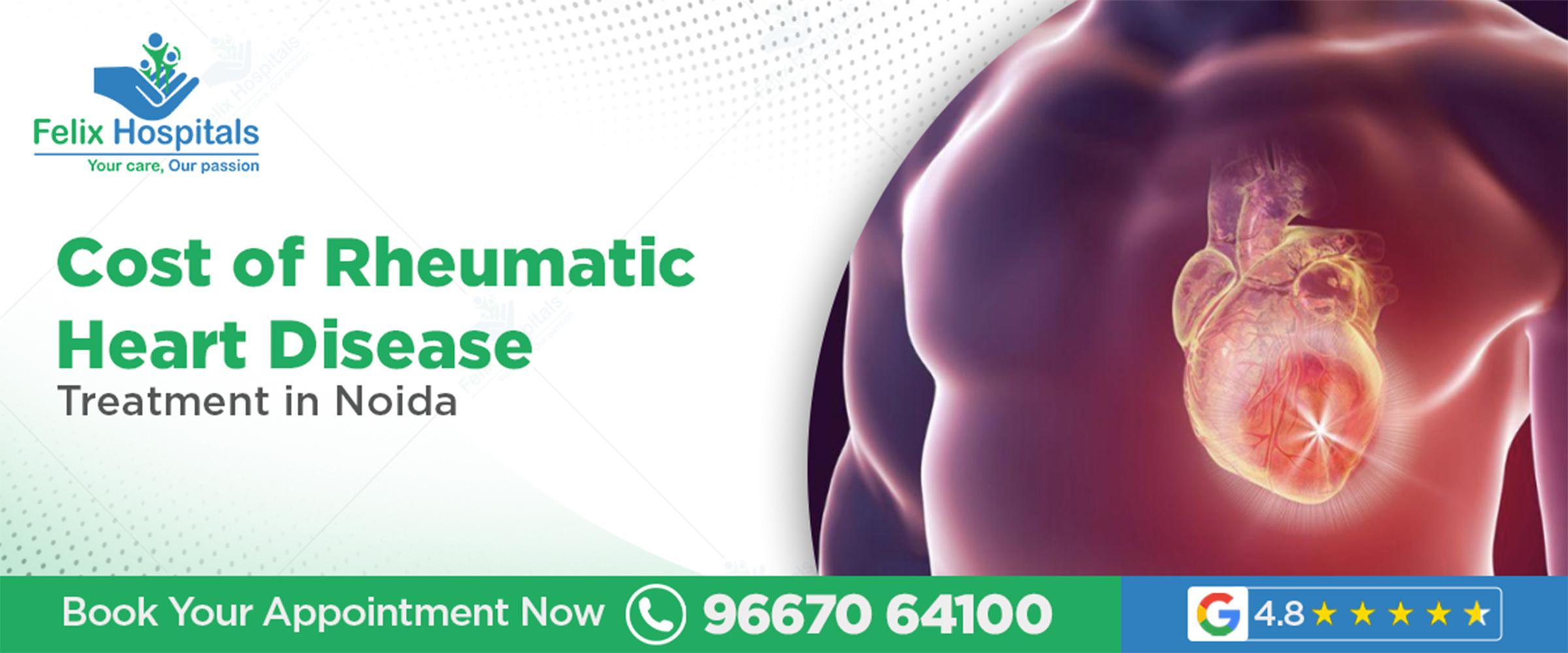
Rheumatic heart disease is still a big problem for public health in developing countries, especially for kids and young adults. When throat infections are not treated, they can damage heart valves over time, which means that people may need lifelong care and sometimes surgery. Many families looking into treatment options look for the Best Cardiology Hospital In Noida to make sure they get a quick diagnosis and affordable care. Getting help early from the Best Cardiologist In Noida can greatly lower the risk of complications and long-term costs. According to the World Health Organization, rheumatic heart disease affects an estimated 55 million people worldwide and claims approximately 360,000 lives each year, the majority in low- or middle-income countries (Source: WHO Fact Sheet on Rheumatic Heart Disease, 2025).
Early treatment can stop serious problems from happening and save money in the long run. To talk to a heart specialist today, call +91 9667064100.
Rheumatic heart disease is not only a medical problem, but it is also a long-term financial burden. Treatment may include drugs, regular checkups, tests, hospital visits, and, in extreme cases, surgery on the heart valve. Families can plan treatment and avoid delays by knowing the approximate cost of the available treatments.
Why it's important to the treatment costs
Helps make plans for long-term care
Stops surgery from being delayed
Lowers costs for emergencies
Allows the patient to manage their finances and identify affordable options
Rheumatic heart disease happens when rheumatic fever permanently hurts the valves in the heart. Rheumatic fever happens due to streptococcal throat infections that aren't treated. These infections cause an immune response that damages heart tissue. As time goes on, this damage makes heart valves narrow or leak, which affects blood flow and causes symptoms like shortness of breath and tiredness.
Important facts
Caused by throat infections that weren't treated
Permanently harms heart valves
Children and young adults are susceptible
Learning about the Causes and Risk Factors of Rheumatic Heart Disease helps patients figure out who is most at risk. The risk goes up a lot when people can't get to healthcare, antibiotics are given late, and throat infections happen again and again. Kids who live in crowded places are more likely to get sick.
Big risk factors
Throat infections that keep coming back without treatment
Staying in a crowded, cramped environment
Lack of hygiene
Not taking a proper course of antibiotics when the infection is in early stages
Early detection is very important for lowering the costs and problems that come with treatment. The symptoms may start out slowly and get worse over time.
Usual symptoms for Rheumatic heart disease include:
Shortness of breath
Chest pain or tiredness
Swollen legs or ankles
Irregular heartbeat
Doctors use blood tests, echocardiography, and ECGs to make a diagnosis.
The type of treatment depends on the severity of the disease and the extent of damage to the heart valves.
Common treatments include:
Antibiotics to control the infection
Medicines that thin the blood
Medicines for the heart
Surgery to fix or replace a valve
Patients can plan their finances better if they know what affects the cost of treatment. Costs depend on the severity of the disease, the hospital's facilities, and the type of treatment.
Factors that impact treatment cost include:
Tests and imaging studies for diagnosis
Length of hospital admission
The kind of surgery needed
Choosing the Best Cardiology Hospital In Noida makes sure that prices are clear and care is up to date.
Cost Comparison: Medications, Surgery, and Hospitalization
Medicines and follow-ups: ₹3,000–₹10,000 a month
Lab tests and diagnostic studies : ₹5,000–₹20,000
Surgery to fix a valve: ₹2–4 lakhs
Surgery to replace a valve: ₹3–6 lakhs
Families can better manage their money by knowing about Insurance Coverage and Financial Assistance. Many health insurance plans pay for heart surgeries and hospital stays.
Ways to get financial help
Policies for health insurance
Health programs run by the government
Options for EMI payments
Financial advice for hospitals
Tips for saving money
Early diagnosis and care
Follow-ups on a regular basis
Maintain a healthy lifestyle
Select your insurance coverage carefully to ensure that the condition is covered by the insurance provider
A healthy lifestyle goes a long way in reducing the chances of occurrence. It also helps improve the quality of life and future prognosis of those patients who might be suffering from Rheumatic heart disease.
Some changes that patients can make to move to a healthier lifestyle include:
Managing one’s weight, ensuring that you are not overweight or underweight
Follow a diet that is rich in natural nutrients, avoid processed, fried and fatty foods
Exercise regularly
Avoid alcohol and tobacco
Manage stress levels
Call +91 9667064100 right now to make an appointment and get expert help with rheumatic heart disease.
Rheumatic heart disease is a serious condition that can be avoided, but it needs long-term care and careful financial planning. Knowing what rheumatic heart disease is, its causes and risk factors, and its symptoms and diagnosis early on can save a lot of money on treatment. Patients can make better choices about surgery and medication if they know the treatment options available. Families can plan treatment without delay if they know about the factors affecting cost in Noida, as well as insurance and financial assistance options. Getting advice from the Best Cardiology In Noida will help you get treatment on time and have better results.
Dr. Rahul Arora is an experienced Interventional Cardiologist with 21+ years of expertise in advanced cardiac care, specializing in personalized, evidence-based treatment for heart diseases and improved patient outcomes.
India has become a globally preferred destination for the treatment of congenital heart defects due to the combination of highly skilled pediatric and adult cardiac surgeons, state-of-the-art heart centres, and internationally recognised treatment protoco

Understanding the symptoms, and knowing the different types of heart diseases are crucial for effective prevention and management.

Heart disease remains a leading cause of death globally, affecting millions of people each year.
Over time, this restricted blood flow can lead to serious issues like coronary artery disease, heart attack, or heart failure.
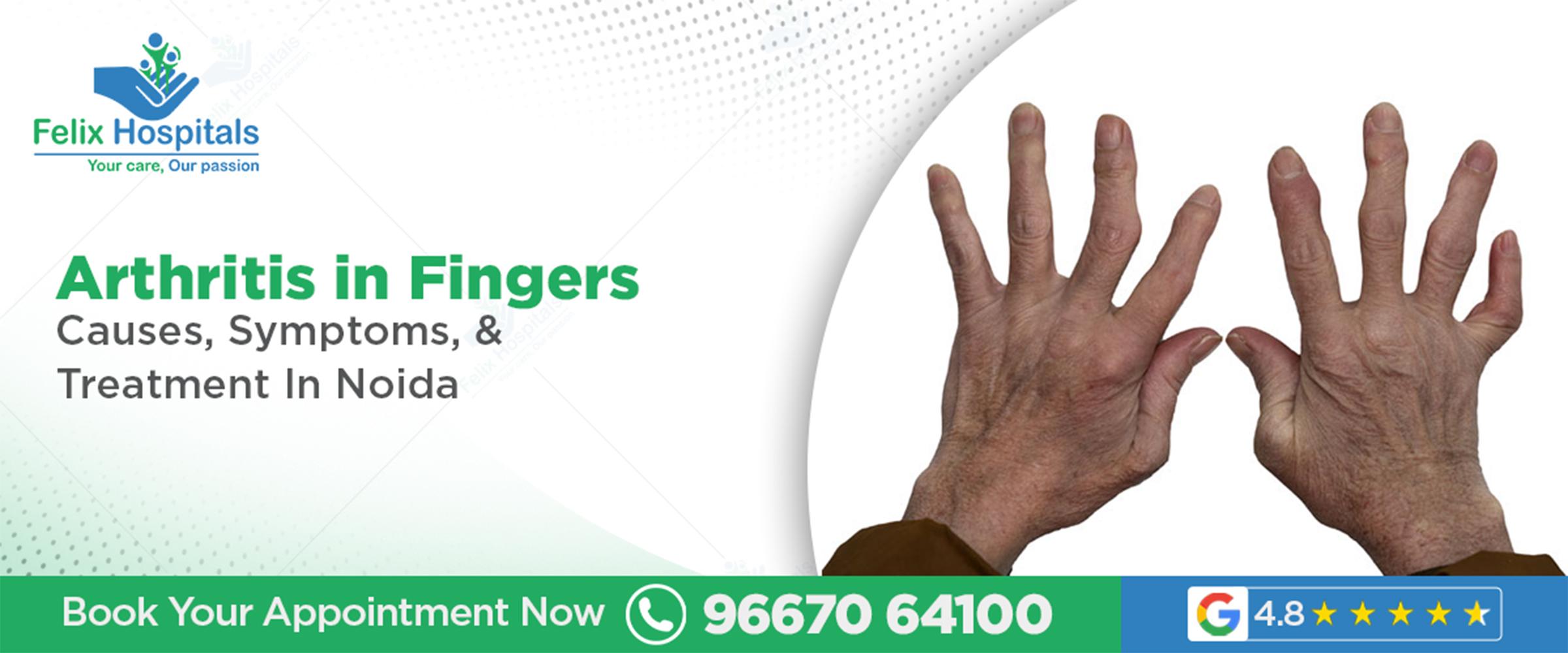
Finger pain and stiffness can start out slowly, like a little pain in the morning or trouble holding a cup. But when these symptoms don't go away, they start to make it hard to do things like typing, cooking, writing, and even get dressed. Arthritis in the fingers is one of the most common causes of hand pain and disability around the world.
It's hard to take finger arthritis seriously at first because it's so easy to ignore. Most of the time, patients don't get help until their joints are already very damaged. Seeing a rheumatologist early can slow the disease's progress, stop deformities, and help you keep full use of your hands for longer.
This blog provides you everything you need to know, including the causes, symptoms, diagnosis, treatment, and how to manage it every day.
If you are experiencing finger pain, stiffness, or swelling, do not ignore the warning signs. Early medical care can protect your joints and improve your quality of life. Book a consultation today with the best rheumatologist in Noida. To book an appointment call us at +91 9667064100
The fingers have a lot of small joints that work together to let you move your fingers in very precise ways. Cartilage, a smooth tissue that keeps bones from rubbing against each other, cushions at each joint. When this cartilage wears down, or when the immune system mistakenly attacks joint tissue, inflammation starts, which causes pain, stiffness, and swelling.
NIH says that over 350 million people around the world have some kind of arthritis, and the hands and fingers are some of the most common places where it happens. (Source: https://pmc.ncbi.nlm.nih.gov/articles/PMC8352468/
Arthritis can affect one or more joints in the fingers at the same time.
Without the right care, symptoms usually get worse over time.
It can happen because of getting older, having an autoimmune disease, or previous injuries.
Getting treatment early lowers the chance of permanent damage
There can be different types of arthritis, the treatment for arthritis depends on the variety.
Osteoarthritis, the most common type, happens when cartilage wears down over time. It usually affects people over 50 and gets worse slowly. Some signs are:
Stiffness in the joints that gets worse over time
Pain that gets worse when you move around, the pain subsides when you rest
Visible joint enlargement
RA is an autoimmune disease in which the body's immune system attacks the lining of the joints. It can affect people of any age, unlike OA, and it often shows up in both hands at the same time. Some of the signs are:
Symmetrical joint pain and swelling
Stiffness in the morning that lasts for more than an hour
Redness and warmth around the joints
This kind is linked to psoriasis, a skin disease that makes patches of skin that look like scales. The National Psoriasis Foundation says that about 30% of people with psoriasis also get psoriatic arthritis. (Source: https://www.psoriasis.org/psoriasis-statistics/ )
Symptoms include:
Swollen fingers that look like sausages (dactylitis)
Separation or pitting of the nails
Pain and stiffness in the joints
This happens after a finger injury, like a fracture, sprain, or tear in a ligament. Arthritis can start years after an injury that seems to have healed completely. Common causes:
Hand injuries from playing sports
Accidents or falls
Long-term strain on the hands
Several factors can cause arthritis in the fingers. Some are inevitable, and others you can influence with lifestyle modifications. The cartilage weakens with the aging process.
Genetics - If you have family members who suffer from arthritis, you may be more likely to get it.
Autoimmune diseases - Such as RA and lupus, have a direct impact on joint health.
Previous trauma - Old fractures or sprains can cause joints to deteriorate more quickly.
Repetitive motion - Work or hobbies that require you to use your hands frequently.
Hormonal changes -Women are statistically more likely to develop arthritis, partly due to hormonal shifts
Detecting arthritis at an early stage can have a significant impact on its long-term effects. Here is what to watch for:
Early symptoms include:
Stiff fingers in the morning
Minor inflammation of one or more joints
Pain when gripping or pinching
Slight loss of finger mobility
Later signs and symptoms:
Apparent joint deformity or nodules
A pop or crack when you bend your fingers
Appreciably weakened grip strength
Chronic swelling, redness and warmth.
If you are experiencing any combination of these symptoms for more than a few weeks, do not wait. Book an appointment with Best Rheumatology hospital in Noida. To book an appointment call us at +91 9667064100
A correct diagnosis is important because the treatment differs greatly between various types and stages of arthritis.
Your doctor might suggest:
Physical exam -Examination of your joint’s range of motion, swelling and tenderness
X-rays - To look for loss of cartilage, bone spurs or erosion of the joint
Blood tests - To check for markers of autoimmune disease such as Rheumatoid Factor (RF) and Anti-CCP antibodies
MRI - For more advanced examination of damage to soft tissue, which cannot be seen on X-ray
Early diagnosis enables treatment to be initiated before potentially irreversible damage takes place.
Treatment is tailored to the type of arthritis, its severity, and your lifestyle. Most patients see significant improvement without surgery.
NSAIDs and pain medications - Makes pain more manageable and reduces inflammation
Disease-Modifying Anti-Rheumatic Drugs (DMARDs) - slows the progression of autoimmune arthritis
Biologic agents - Targeted therapy for moderate to severe RA
Corticosteroid injections - Relief for acute flare-ups in the short term
Hand physiotherapy - Regains movement & strengthens muscles that support the joint
Joint repair or reconstruction
Tendon repair
Joint fusion (arthrodesis)
Physiotherapy is one of the most useful yet underutilized tools in the management of arthritis. A structured hand therapy program can:
Regain lost flexibility
Increase grip strength
Decrease morning stiffness
Preserve long-term joint function
Exercises frequently advised are:
Finger stretches and extensions
Grip strengthening with a soft stress ball
Thumb opposition and bending exercises
Light fist-making and opening
Always perform these under supervision at first so as not to overwork inflamed joints.
Alongside medical treatments, everyday habits are also important in symptom control.
Daily Care:
Ease stiffness in the morning with a warm compress
Apply cold packs to reduce swelling after activity
Use ergonomic tools - pens with wider grips, jar openers, and lever-style handles
Take frequent breaks if you do repetitive work with your hands
Maintaining a healthy body weight is also important, as it helps to reduce stress on all joints.
Anti-inflammatory diet:
Omega-3 fatty acids (fatty fish such as salmon, sardines, and flaxseeds)
Nuts and seeds
Dark leafy greens
Berries and citrus fruits high in antioxidants
Limit processed foods, excess sugar, and refined oils
Finger arthritis is not only painful, it can also impact your ability to work and perform everyday tasks. Patients often say they have trouble with:
Writing or typing for long periods of time
Opening jars or bottles, or cans
Cooking or using kitchen tools
Buttoning clothing or working with tiny objects
These restrictions can also shake your confidence and affect your mental health. With the appropriate treatment plan in place, the majority of patients can enjoy a good quality of life.
Arthritis may not be preventable in all cases, but its development can be controlled.
Preventive measures:
Begin hand exercises before symptoms become severe
Consult a doctor for any persistent joint pain
Follow a well-balanced, anti-inflammatory diet.
Do not overwork your hands.
Stay at a healthy weight to help reduce the load on your joints.
Book an appointment if:
The pain in your finger has lasted for more than two to three weeks
The joint swelling is not subsiding
You have noticed a significant loss of grip strength
The joints in your fingers seem to be changing shape
The stiffness in the morning regularly persists for more than half an hour.
An active life is not over just because you have been diagnosed with arthritis. With regular treatment and appropriate support, the majority of patients are able to control their symptoms well.
Daily management tips:
Use assistive devices intended for arthritic hands.
Plan your activities for times of the day when you are least stiff.
Take your medication as prescribed without interruption.
Have regular physiotherapy and follow-up visits.
Join a support group if required.
Take the Next Step
If you are experiencing finger pain, swelling, or stiffness that is not going away, your joints are asking for attention. The earlier you act, the better your outcomes will be.
Book a consultation today call on +91 9667064100 and take the first step toward pain-free hands.
Finger arthritis is a progressive disease, but it is one that can be very well treated with early intervention. Early detection, appropriate management, physiotherapy, and adherence to lifestyle modifications can together go a long way in maintaining hand function and quality of life.
Never ignore pain or stiffness that won't quit. Early access to a rheumatologist allows you to receive an accurate diagnosis, the most advanced treatment options, and long-term joint care designed specifically for you.
Dr. Kiran Seth is an experienced Rheumatologist with 20+ years of expertise in treating arthritis, lupus, autoimmune diseases, and joint disorders through advanced and personalized care.

Eating a balanced, nutrient-rich Arthritis diet plan can help manage inflammation and reduce symptoms of rheumatoid arthritis.
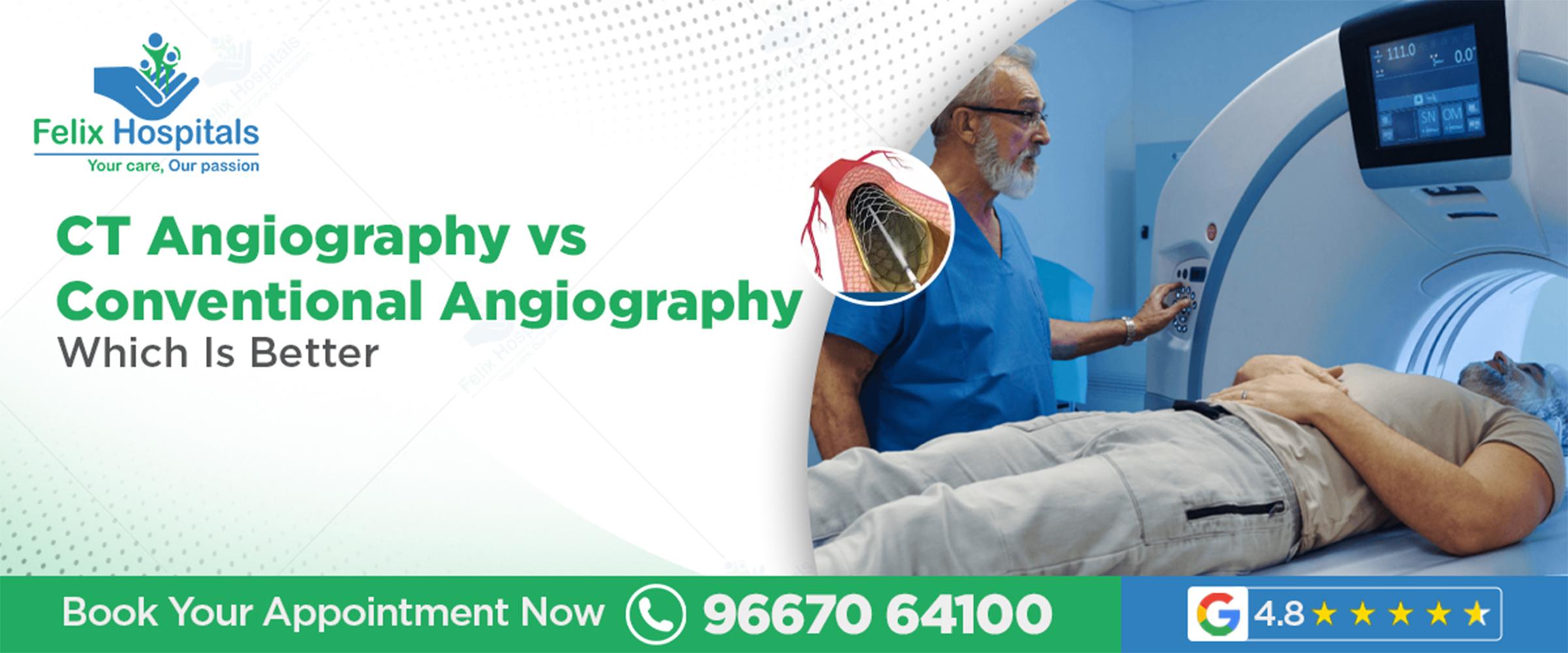
Heart diseases are spreading quickly around the world, and finding them early is one of the most important things you can do to avoid heart attacks and other life-threatening problems. Angiography is very important for finding blockages, narrowed arteries, and problems with blood flow before symptoms get worse. A lot of patients today look for the Best Cardiology Hospital In Noida so they can get advanced heart imaging tests that give accurate results and a quicker diagnosis. Picking the right diagnostic test not only helps doctors plan treatment better, but it also lowers the chance of emergencies. Patients can get personalized advice about which angiography method is best for their health by seeing the Best Cardiologist In Noida. The World Health Organization says that cardiovascular diseases kill almost 32% of people around the world. This shows how important it is to get screened and diagnosed early (Source: WHO).
Consult a cardiology specialist today to choose the right angiography test, get timely diagnosis, and safeguard your heart health. Call +91 9667064100
Angiography is a way to take pictures of blood vessels and find blockages or narrowing that could cause heart attacks or strokes. This is where the keyword "What is CT Angiography?" come in. It is part of learning about the modern diagnostic options that are available today. This test is very important for finding coronary artery disease, aneurysms, and other problems with blood vessels before they get worse. Doctors can start treatment sooner if they find out about a problem early. This lowers the risk of serious complications and raises the chances of survival. According to the American Heart Association, early heart screening can cut the risk of heart attacks by up to 50%.
Why angiography is a good idea
Finds blocked arteries early
Aids in planning treatment plans
Stops strokes and heart attacks
Keeps an eye on the progress of heart disease
CT angiography is a new, non-invasive way to take pictures of blood vessels in the body. It uses advanced CT scanning technology and contrast dye to make detailed 3D pictures. This test is safer and more comfortable for patients because it doesn't require a catheter to be put into the arteries like traditional angiography does. Because it is quick, painless, and very accurate, many heart patients prefer this test as a screening tool. CT angiography can find coronary artery disease with over 95% accuracy, which makes it one of the most reliable imaging tests available today (Source: Radiological Society of North America).
Overview of the procedure
Contrast dye put into a vein
The CT scanner takes pictures with a lot of detail
Computer programs make 3D pictures
Scan of the whole thing done in minutes
For decades, conventional angiography has been the gold standard for diagnosing coronary artery disease. It is an invasive procedure. This part uses the keyword "What is Conventional Angiography?" to explain the old method. A catheter is put in through the wrist or groin and guided to the arteries that lead to the heart during the procedure. Then, contrast dye is put in to make blood vessels stand out on X-ray pictures. This method lets doctors see blood flow in real time, so they can start treatments like angioplasty right away if they find a blockage. Conventional angiography is still very important for emergency heart care and high-risk patients.
Steps in the process
A local anaesthetic is given
Catheter put into artery
Dye for contrast injected
X-ray images taken in real time
Patients can compare the two tests and make smart choices if they know what the keyword "Key Differences Between CT and Conventional Angiography" means. CT angiography is a non-invasive test that is mostly used for screening and early diagnosis. Conventional angiography, on the other hand, is an invasive test that is used for both diagnosis and treatment. For patients who are not at high risk, CT angiography is faster and safer. For patients who are at high risk or in an emergency, conventional angiography is better. CT angiography cuts down on unnecessary invasive procedures by 30%, according to research from the Journal of the American College of Cardiology.
Key Differences at a Glance
CT angiography doesn't hurt
Angiography that is done the old-fashioned way is invasive
It only takes a few minutes for a CT scan
The usual procedure takes longer
The usual way lets treatment happen
CT angiography is becoming more and more popular because it is safe, quick, and accurate. You don't have to stay in the hospital or take a long time to recover after this test, which gives you detailed 3D pictures of your blood vessels. Patients can go back to their normal activities right after the scan, which is great for people who work. Compared to invasive angiography, CT angiography cuts hospital stays by 80% (Source: American College of Radiology).
Pros
Not painful and doesn't hurt
Diagnosis is faster
Little time needed to heal
Very accurate
Less chance of problems
Even with new technology, traditional angiography is still an important tool for diagnosis and treatment. This method lets doctors do angioplasty or put in a stent at the same time, which can save lives in an emergency. It is still the best way to find out if someone has severe coronary artery disease or a complicated vascular condition.
Seeing blood flow in real time
Treatment can start right away
Perfect for heart care in an emergency
Correct diagnosis for serious cases
There are risks involved with every medical procedure, and knowing what they are helps patients make smart decisions. CT angiography exposes patients to radiation and contrast dye risks, whereas conventional angiography presents a minor risk of haemorrhage, infection, or vascular injury. The American Heart Association says that complications happen in less than 1% of angiography procedures.
Possible dangers
Being exposed to radiation
Allergy to contrast dye
Bleeding where the catheter is placed
Risk of infection
More time to heal after an invasive test
Speak to a heart specialist today to choose the right angiography test and protect your heart early. Call +91 9667064100
Choosing the right test depends on your medical history, symptoms, and how likely you are to get sick. CT angiography is best for screening and low-risk patients, while regular angiography is best for high-risk or emergency situations. Going to the Best Cardiology Hospital In Noida gives you access to both cutting-edge diagnostic tools and expert heart care. A skilled Best Cardiologist In Noida can look at your condition and suggest the best test for you.
Recommended for CT angiography
Mild pain in the chest
Screening to stop problems
Monitoring after the fact
Recommended for conventional angiography
Chest pain that is very bad
Patients at high risk
Treatment in case of an emergency
Changes to your lifestyle after diagnosis and treatment are very important for your heart health. Taking on healthy habits greatly lowers the risk of heart disease in the future.
Tips for a healthy heart
Work out often
Keep your weight in a healthy range
Stop smoking
Have a balanced diet
Handle stress
Making changes to your lifestyle can lower your risk of heart disease by as much as 80% (Source: Harvard Medical School).
CT and traditional angiography are both very important for diagnosing and treating heart disease. Knowing What is CT Angiography?, What is Conventional Angiography?, and Key Differences Between CT and Conventional Angiography helps patients pick the right way to get a diagnosis. Knowing the Advantages of CT Angiography and Advantages of Conventional Angiography helps you make smart choices and feel less scared before the test. Patients can get ready better if they know the Risks and Limitations of Both Procedures. In the end, you should always talk to the experts at the Best Cardiology Hospital In Noida and follow their advice when Choosing the Right Angiography for Your Condition.
Dr. Rahul Arora is an experienced Interventional Cardiologist with 21+ years of expertise in advanced cardiac care, specializing in personalized, evidence-based treatment for heart diseases and improved patient outcomes.
Angiography is an important diagnostic test used to detect blockages or narrowing in blood vessels, especially in heart patients.
Experiencing frequent chest pain, shortness of breath, or irregular heartbeats? These may be warning signs that you need an angiography.
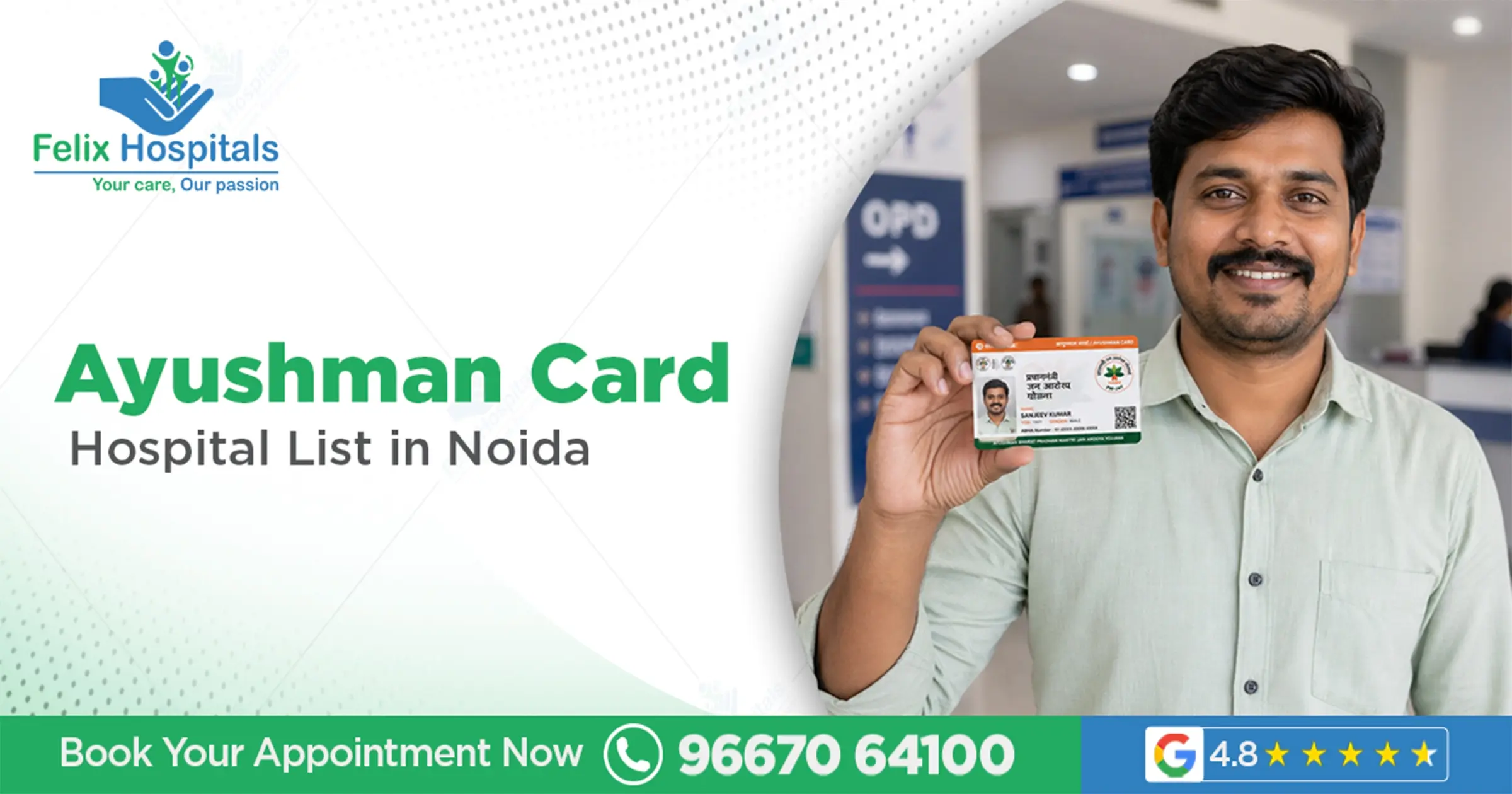
Access to the Ayushman Health Card is a fundamental right of every citizen of India. Let's be honest — owning a Golden Card (Ayushman Card) is a huge relief for any family in Noida, but the real nightmare starts when you try to use it. Most people spend hours scrolling through the Ayushman Card hospital list in Noida, calling numbers that don't pick up, or visiting clinics that treat government-scheme patients like "second-class" citizens.
At Felix Hospitals, we’ve seen thousands of families walk through our doors with exactly these worries. We decided a long time ago that an "Ayushman patient" deserves the same high-end technology and respect as a private VIP.
There’s a reason why we are the Number 1-ranked hospital in Noida on Google. It’s not just luck; it’s the 27,000+ people who took the time to review us. No other hospital on the Noida Ayushman Card hospital list comes close to that level of community trust.
When you’re looking for an Ayushman Card hospital list near me, you’ll see dozens of small nursing homes. But for something serious—like a heart blockage or a knee replacement—you don't want a small clinic. You want the "advanced equipment" and the best surgeons.
Most hospital websites tell you they are the best. We let our patients do the talking. 27,000+ reviews don't happen by accident. It means we’ve handled 27,000+ different stories, many of them being families just like yours using their Ayushman Cards for life-saving surgeries.
Felix Hospital is located right on the Noida-Greater Noida Expressway. If you live in Sector 93, 110, 143, or Greater Noida, you can reach us in just a few minutes. We are right next to the Sector 137 Metro Station, so even if you don't have a car, help is always close by.
Felix Hospital is Noida's highest-reviewed hospital with 27,000+ verified Google reviews and a dedicated Ayushman Coordinator who handles your entire PM-JAY process — from eligibility check to discharge. You focus on the patient. We handle the paperwork.
Call +91 9667064100 — 24 hours, 7 days — to confirm your coverage before visiting.
We provide cashless treatment for over 50 procedures. If you’re checking the Ayushman Card Noida hospital list for a major surgery, here is where we specialize:
| Medical Specialty | Procedures Covered | Why Felix? |
|---|---|---|
| Heart Care (Cardiology) | Stenting (Angioplasty), Pacemakers | 24/7 Digital Cath Lab for Emergencies. |
| Bones & Joints (Ortho) | Knee/Hip Replacement, Spine Surgery | Robotic-assisted surgery wing. |
| General Surgery | Laparoscopic (Keyhole) Gallbladder, Hernia | Faster recovery & smaller scars. |
| Kidney & Urology | Kidney Stone Laser, Prostate | Zero-cut laser technology. |
| Mother & Child | Normal & C-Section Deliveries | Level III NICU if the baby needs extra care. |
| Dialysis | Chronic Kidney Care | 24/7 High-hygiene units. |
People keep searching for the Ayushman Card hospital list in Noida PDF. The problem? Those PDFs are usually from 2023 or 2024. Hospitals move in and out of the panel every month.
This guide is the 2026 ground reality. We keep this page updated so you don’t end up driving to a hospital that no longer accepts the card. Plus, a PDF won't tell you which hospital has a 4.8-star rating. This page will.
If you're confused about how to use the Ayushman Card in a hospital, let’s keep it simple. Here is what happens when you walk into Felix:
The Diagnosis: You’ll meet a senior specialist. If they advise surgery, our team checks the PM-JAY portal to see which "package" fits.
The Approval: We handle the digital authorization. Usually, it takes just a couple of hours.
The Cashless Stay: Surgery, ICU, medicines, nursing, and even your meals are covered. You pay ₹0.
The Extra Mile: When you go home, we provide 15 days of free medicines as per government rules, so you don't have to worry about a chemist's bill the moment you leave.
To ensure your admission is smooth, know exactly what documents are required for Ayushman Card processing. Don't leave home without these:
Aadhaar Card (Original): This is non-negotiable for the fingerprint/biometric login.
Ayushman (Golden) Card: The physical card or the one on your "Ayushman App."
Ration Card/PM Letter: To confirm that your family is on the original eligible list.
An Active Mobile Phone: You’ll get an OTP to start the process.
Whether you are in a high-rise in Sector 137 or a residential block in Sector 11, Felix Hospital is your local healthcare anchor:
Expressway Corridor: Sectors 137, 143, 168, 150 (We are 2–5 mins away).
The Residential Belt: Sectors 93, 100, 104, 110, 76, 50 (5–10 mins away).
Central Noida: Sectors 11, 15, 62 (15–20 mins via the internal link roads).
Greater Noida: Directly connected via the 6-lane Expressway.
If someone is having a Heart Attack, Stroke, or a Major Accident, don't waste time scrolling through a Noida Ayushman Card hospital list.
Come directly to our Emergency Department in Sector 137. At Felix, we stabilise the patient first. Under the 2026 rules, you have 24 hours after emergency admission to produce your Ayushman Card and make the entire treatment cashless. Documentation should never stand in the way of a life.
Dr. Ravi Sharma is a senior physician with 42+ years of experience, known for compassionate and comprehensive patient care in Noida.

Tuberculosis has been around for centuries, yet it continues to claim over a million lives each year. What makes this particularly troubling is that TB is both preventable and curable, the real issue is late identification. Many people will live with them for weeks if not months until they realize that they have a problem at all by which time they may have already exposed others or done more damage within themselves.
Active TB doesn't always announce itself with fireworks. A lot of people start out quietly a cough that won’t go away, feeling more tired than usual, breaking out in sweats at night. These things are simple to lump into the category of a seasonal virus or fatigue. But there are things you can look for that can really save lives.
If you or someone close to you has been experiencing unexplained respiratory or systemic symptoms, consulting a specialist at the Best Pulmonology Hospital in Noida can make the difference between a full recovery and long-term complications. Call on +91 9667064100
Tuberculosis (TB) is a communicable disease caused by the bacillus Mycobacterium tuberculosis. The majority of people exposed to it don't get sick right away — the bacteria can lie dormant in the body for years in a condition called latent TB. It becomes active TB when the immune system is compromised and the bacteria can no longer be contained. At that stage, the disease also becomes symptomatic and infectious.
According to the WHO, TB is one of the top 10 causes of death globally and the leading infectious disease killer after COVID-19.
Source url: https://www.who.int/news-room/fact-sheets/detail/tuberculosis
People who have active TB can release the bacteria into the air by coughing, sneezing or speaking.
Lungs are the most common site of infection but practically any organ can be involved.
It is fully treatable if identified early and managed appropriately.
Drug-resistant TB may arise because of incomplete or erratic treatment.
The symptoms of tuberculosis in the mild stage are the least obvious, and that is the main reason why many cases are not diagnosed in the early stage. Watch for the following symptoms, particularly if they last longer than two to three weeks:
A cough that just won't go away
Low-grade fever that is elevated in the late afternoon or at night
Soaking night sweats that you wake up from
Unexplained fatigue that isn't relieved by rest
Slow and unintentional weight loss
These signs mimic a lot of common diseases, so TB is very often misdiagnosed initially. If you have two or three of these features together and there is no obvious cause, then you should get tested.
Because TB mainly affects the lungs, respiratory symptoms are the most notable. These are:
A persistent cough that brings up mucus — and sometimes blood
Sharp pain or tightness in your chest when you breathe in deeply or cough
Breathless on exertion
Difficult or wheezing breathing, or a feeling of tightness in the chest
Coughing up blood (haemoptysis) is a very frightening symptom and needs urgent medical help. It doesn’t always mean TB, but it’s never something to ignore.
TB does not always remain in the lungs. When it affects other organs, it is known as extrapulmonary TB, and its symptoms can be mistaken for those of other diseases.
Lymph nodes: Swollen, hard lumps under the skin in the neck or armpits, which are painless or mildly painful.
Back (Pott's disease): Persistent pain in the back, most commonly in the mid or lower back, which may be accompanied by difficulty walking or numbness in the legs.
Brain (TB meningitis): Severe and progressively worsening headaches, light sensitivity, confusion, and in severe cases, seizures. This type develops rapidly and is a medical emergency.
Kidneys: Urine that contains blood, pain during urination, or flank pain that is not clearly related to urination.
Because extrapulmonary TB presents like other diseases, it is frequently diagnosed late. Unusual persistence of these symptoms, especially in combination with fatigue and weight loss, warrants seeing a specialist.
Anyone can get TB, but the risk of active disease is substantially higher for:
People with HIV/AIDS, where the immune system is greatly weakened
People with diabetes as it impairs the ability of the body to fight infection
People who are malnourished or have nutritional deficiencies
Smokers and people who drink heavily
Anyone who has been in close, extended contact with a TB patient
People who live in crowded or poorly ventilated conditions
Healthcare professionals working in high-risk environments
If you are in any of these groups and have unexplained symptoms, you should seek active screening.
TB is spread through the air. When a person with active pulmonary TB coughs, sneezes, sings or even talks, the bacteria are released into the air in very small droplets. People living near them might then breathe in those droplets and contract the disease.
Places where TB is most likely to spread:
Crowded households with poor ventilation
Prisons and shelters
Closed public transportation
And crucially, TB is not transmitted by touch, by sharing food or by contact with surfaces.
If TB is suspected, your doctor will advise you to have one or more of the following tests:
Chest X-ray -Often the initial step, reveals typical patterns of lung damage.
Sputum test -A sample of mucus is tested for TB bacteria; the most certain test for pulmonary TB.
Mantoux (TB skin) test - A small amount of tuberculin purified protein derivative (PPD) is injected just under the skin to look for an immune reaction to TB.
IGRA blood test -A newer blood test that detects immune response.
CT scan - When X-ray results are inconclusive or extrapulmonary TB is suspected.
Biopsy - In some cases for nodal or tissue TB.
Which tests are used will depend on the form of TB that is suspected and the general health of the patient. Early and correct diagnosis is the prerequisite for good treatment.
The good news is that TB is very treatable when detected early. There are several types, and the standard treatment combination of antibiotics depends on the type and severity over 6 to 9 months.
Treatment usually includes:
A multi-drug therapy (generally Isoniazid, Rifampicin, Pyrazinamide and Ethambutol in the initial phase)
Regular sputum tests and follow-up visits to monitor progress
Nutritional supplementation since there is a great physical wasting associated with TB,
Early infectious patients are isolated to restrict the spread of the disease
Once the treatment starts, it should be completed without fail even if one starts feeling better in the early stages of the treatment. Otherwise the TB can evolve into drug-resistant TB (MDR-TB), which is much more difficult and costly to treat.
Whether you are in treatment or trying to prevent TB activation from a latent infection, your daily habits matter significantly.
Eat balanced diet with adequate protein to support immune function
Get enough sleep your body repairs and protects itself while you’re resting
Don’t smoke it directly destroys lung tissue and compromises immunity
Cut back on or give up the alcohol, which depresses the immune system
Control chronic diseases such as diabetes under medical care
Be as active as you can within your level of energy.
Delaying diagnosis or abandoning treatment has serious consequences:
Irreversible scarring and damage to lung tissue
Spread of infection to the spine, brain, or kidneys
Development of drug-resistant TB strains
Increased risk of transmission to family members and close contacts
In severe cases, TB can be fatal
None of these outcomes are inevitable. All of them are preventable with timely action.
Book an appointment without delay if you have:
A cough lasting more than two weeks that is not improving
Any blood in your sputum or mucus
Unexplained weight loss over a few weeks
Persistent fever and night sweats together
Ongoing fatigue that rest does not relieve
Swollen lumps in your neck or armpits
You do not need all of these symptoms to seek care. Even two or three together are enough reason to get evaluated. Book a TB consultation in Noida call at +91 9667064100
Vaccination: The BCG vaccine is given to infants in high-TB-burden countries and provides meaningful protection, particularly against severe forms in children.
Practical steps:
Cover your mouth and nose when coughing or sneezing - and encourage others to do the same
Ensure rooms are well-ventilated, especially in shared spaces
Get tested if you have been in close contact with a TB patient
If diagnosed with latent TB, discuss preventive therapy with your doctor
Complete vaccination schedules for children as recommended
Public health and personal hygiene work together and individual actions protect entire communities.
Active tuberculosis is serious, but it is not a death sentence. With early recognition, accurate diagnosis, and a completed course of treatment, the vast majority of patients recover fully. The biggest obstacle is not the disease itself, it is the delay in seeking care.
If anything in this article sounds familiar, a cough that lingers, fatigue that will not lift, sweats in the night take it seriously. Early action protects you, and it protects the people around you.
The team at the Best Pulmonology Hospital is equipped with advanced diagnostic tools and experienced specialists. Reaching out to them could be the most important step you take for your lung health.
Do not let uncertainty hold you back. A simple screening test could give you clarity and if TB is found early, treatment is straightforward and highly effective.
Book your TB screening appointment today because your lungs, and the people you love, are worth it. Call at +91 9667064100
Dr. Priyadarshi Jitendra Kumar is an experienced General Practitioner with 20+ years of expertise in diabetes, thyroid disorders, hypertension, and infectious diseases. Recognized as a Best Pulmonologist in Noida, he specializes in respiratory emergencies, sleep disorders, and advanced pulmonology care.
Tuberculosis (TB) is primarily known as a respiratory infection caused by Mycobacterium tuberculosis, but it can affect various body parts, including bones and joints.
Tuberculosis of the knee typically occurs when the TB bacteria spread from an existing infection in the lungs or another part of the body to the joint.
Tuberculosis (TB) can spread beyond the lungs and affect organs like the brain, spine, kidneys, and lymph nodes.
Urine leakage while coughing, also known as stress incontinence, is a common condition affecting many, especially women.

Subscribe to our
© Copyright 2026. All Rights Reserved by Felix Healthcare Private Limited
Design and development by :


 +(91)9667064100
 Emergency : +(91)9667064100