 Emergency:
  WhatsApp


Subscribe to our
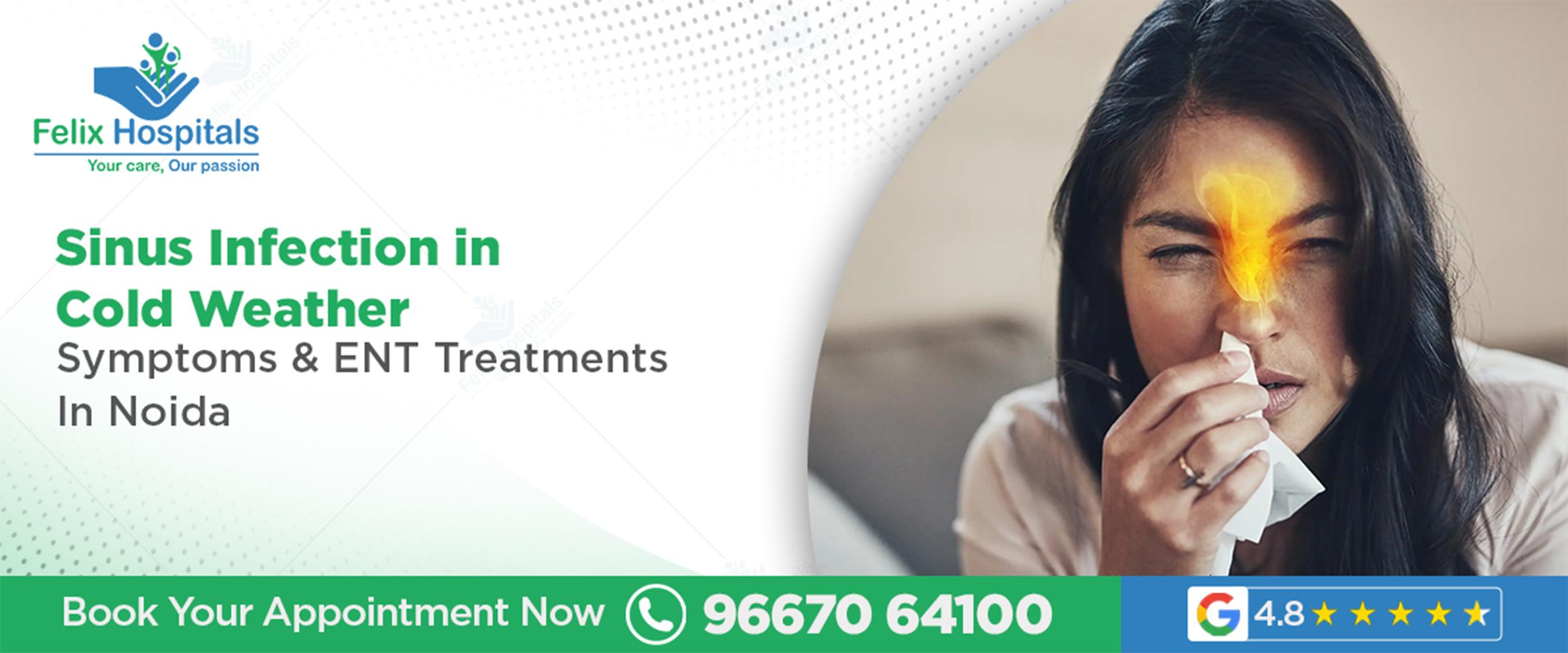
Cold weather often brings an increased risk of sinus infections in winter. The dry air, lower temperatures, and frequent viral illnesses create ideal conditions for sinus inflammation. Patients may experience nasal congestion, facial pain, and headaches, which can affect daily life and productivity. Understanding why sinus infections increase in winter, recognizing early symptoms, and seeking timely ENT Hospital in Noida can prevent complications and ensure effective treatment.
Sinus infections, also known as sinusitis, occur when the nasal passages and sinuses become inflamed due to bacterial, viral, or fungal causes. Left untreated, sinus infections can lead to chronic discomfort, recurrent infections, or complications involving the eyes and brain. Hospital-based ENT care provides precise diagnosis and treatment tailored to the severity and type of infection.
Don’t let sinus infections disrupt your winter. Call +91 9667064100 to book an ENT specialist appointment.
Cold weather, low humidity, and seasonal illnesses contribute to why sinus infections increase in winter:
Viral infections such as cold or flu weaken sinus defenses
Dry indoor heating dries nasal passages, making them more susceptible to bacteria
Temperature fluctuations can irritate sinus tissues
Weakened immunity due to less sunlight and vitamin D deficiency
Allergens like dust and mold exposure indoors
Understanding these factors helps patients take preventive measures and seek early intervention when needed.
Recognizing symptoms of sinus infection in cold weather is essential for timely care. Common signs include:
Nasal congestion and difficulty breathing through the nose
Facial pain or pressure, particularly around the cheeks and forehead
Thick, yellow or green nasal discharge
Headaches and sensitivity to light
Fatigue, fever, or sore throat in some cases
Early recognition allows patients to seek ENT consultation before the infection worsens or becomes chronic.
Timely consultation with a specialist ensures effective management. How to treat sinus infection in winter begins with early detection:
Persistent nasal congestion beyond 10 days
Fever, facial swelling, or worsening headache
Recurring sinus infections within a short time frame
Pain or pressure not relieved by over-the-counter medications
Symptoms affecting sleep, work, or daily activities
ENT specialists can perform diagnostic tests, such as nasal endoscopy or imaging, to confirm the type and severity of the infection.
Effective management depends on the infection type and severity. How to treat sinus infection in winter includes:
Medications: Antibiotics for bacterial infections, decongestants, antihistamines, or corticosteroids as needed
Nasal irrigation: Saline rinses to clear mucus and reduce bacterial load
Steam inhalation: Moisturizes nasal passages and relieves congestion
Pain relief: Analgesics for headaches and facial discomfort
Surgical intervention: For chronic or severe cases, endoscopic sinus surgery may be recommended
Professional ENT guidance ensures treatment is tailored, effective, and reduces recurrence risk.
Preventing sinus infections is possible with consistent care. Patients can follow these steps to reduce the risk of sinus infections in winter:
Stay hydrated to maintain moisture in nasal passages
Use a humidifier indoors to counter dry air
Practice hand hygiene to reduce viral exposure
Avoid allergens like dust and mold whenever possible
Maintain immunity through a balanced diet and adequate sleep
Preventive strategies reduce the frequency and severity of sinus infections.
Supporting medical treatment with home care enhances recovery. Effective home measures for sinus infection in cold weather include:
Warm compresses on the face to reduce pain and pressure
Gentle nasal irrigation with saline solution
Adequate rest to allow the body to heal
Avoiding smoking or exposure to irritants
Breathing steam from hot water or herbal inhalations
Combined with hospital treatment, these measures improve symptom relief and recovery speed.
Certain individuals are more prone to sinus infections. Recognizing why sinus infections increase in winter for high-risk patients allows preventive care:
History of allergies or asthma
Chronic respiratory conditions
Structural nasal issues, like deviated septum
Immunocompromised individuals
Frequent exposure to cold or dry environments
High-risk patients benefit from regular ENT check-ups and early intervention strategies.
Specialized hospitals offer comprehensive care for sinus infections, especially in winter. Key services include:
Advanced diagnostic tools, including CT scans and nasal endoscopy
Experienced ENT specialists for precise diagnosis and treatment
Tailored treatment plans combining medication, home care, and surgical options
Follow-up and preventive guidance for long-term sinus health
Hospitals like Felix Hospital in Noida provide patient-focused care to manage winter sinus infections effectively.
Ensure your sinus health this winter. Call +91 9667064100 to consult an ENT specialist today.
Sinus infections are common in cold weather, but understanding why sinus infections increase in winter, recognizing symptoms of sinus infection in cold weather, and following preventive measures ensures timely management. Hospitals like Felix Hospital in Noida provide expert ENT specialist are, including accurate diagnosis, treatment, and preventive guidance. With early intervention, home care, and professional support, patients can enjoy winter without discomfort from sinus infections.
Q1: Why are sinus infections more common in winter?
Ans. Cold temperatures, dry indoor air, viral infections, and weaker immunity make the sinuses more vulnerable.
Q2: What are the early symptoms of a sinus infection?
Ans. Nasal congestion, facial pressure, thick nasal discharge, headache, and fatigue are common early signs.
Q3: How can sinus infections be treated effectively in winter?
Ans. Treatment includes medications, nasal irrigation, steam inhalation, pain relief, and, in severe cases, surgical intervention.
Q4: When should I see an ENT specialist for a sinus infection?
Ans. Consult an ENT if symptoms persist beyond 10 days, worsen, or recur frequently despite home care.
Q5: Can sinus infections be prevented during winter?
Ans. Yes, staying hydrated, using humidifiers, maintaining hygiene, avoiding allergens, and boosting immunity help prevent infections.
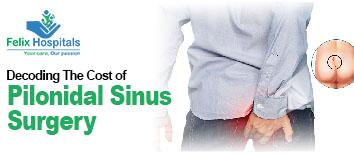
The sinus tract associated with Pilonidal Sinus usually extends in a downward direction between the buttocks.


Subscribe to our
© Copyright 2026. All Rights Reserved by Felix Healthcare Private Limited
Design and development by :


 +(91)9667064100
 Emergency : +(91)9667064100