 Emergency:
  WhatsApp

Subscribe to our
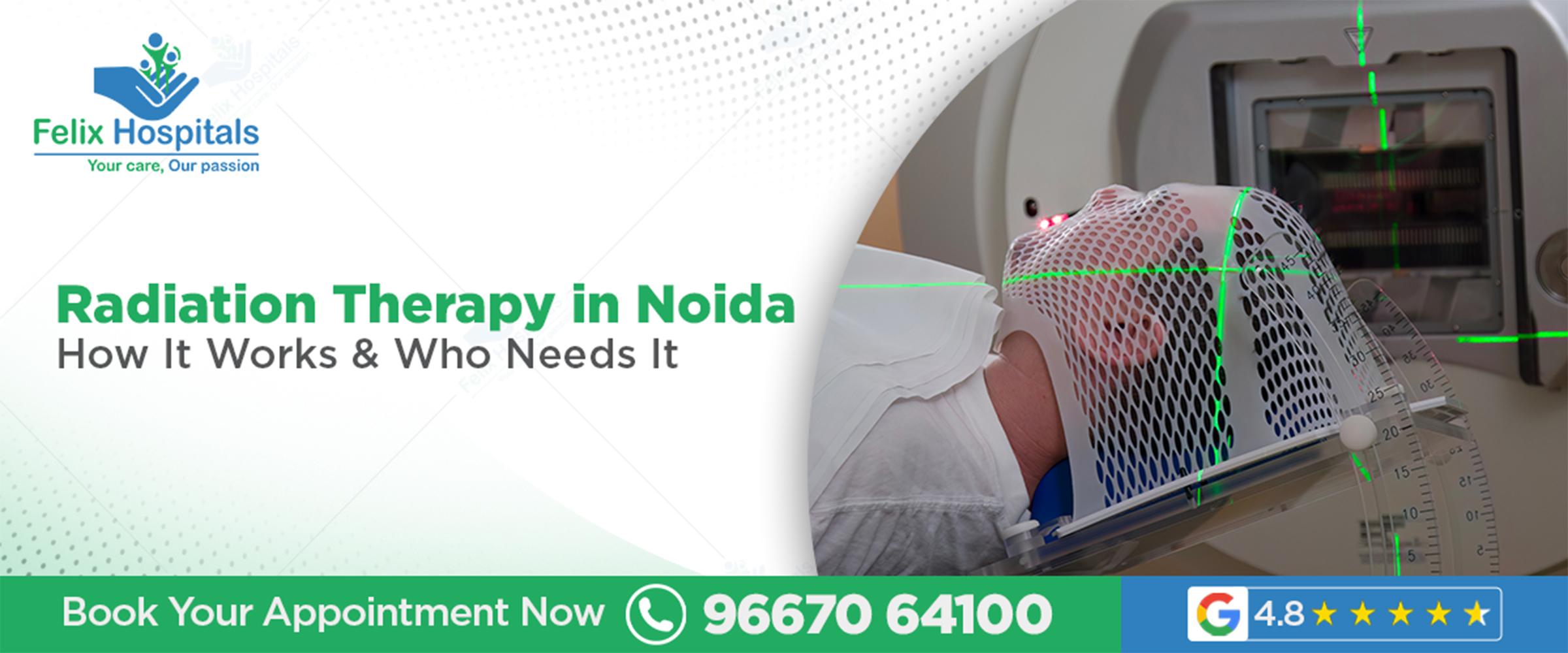
Radiation therapy is one of the most commonly used and effective treatments for cancer. It plays a crucial role either as a standalone therapy or in combination with surgery and chemotherapy. With advancements in medical technology, radiotherapy treatment in Noida has become more precise, safer, and better tolerated by patients. Understanding how radiation therapy works, who needs it, possible side effects, and cost considerations helps patients make informed decisions about their cancer care.
This guide explains radiation therapy in a simple, patient-focused manner to address common concerns and expectations.
Call +91 9667064100 to consult a radiation oncology expert and understand if radiation therapy is suitable for your condition.
Many patients ask, what is radiation therapy for cancer? Radiation therapy is a treatment that uses high-energy rays or particles to destroy cancer cells or stop their growth. Cancer cells divide faster than normal cells, making them more sensitive to radiation damage.
Radiation therapy can be used to:
Cure cancer in early stages
Shrink tumors before surgery
Destroy remaining cancer cells after surgery
Control cancer growth in advanced stages
Relieve pain or symptoms caused by tumors
Treatment plans are customized based on cancer type, stage, location, and overall health of the patient.
Patients often wonder, how does radiation therapy work for cancer treatment? Radiation damages the DNA inside cancer cells, preventing them from multiplying. Over time, these damaged cells die, and the body naturally removes them.
Modern techniques allow doctors to precisely target cancer cells while minimizing damage to surrounding healthy tissues. This precision has significantly reduced side effects and improved outcomes, especially when treatment is planned by experienced specialists at a best radiation therapy hospital in Noida.
A common concern is, who needs radiation therapy? Radiation therapy may be recommended for patients who:
Have early-stage cancer suitable for curative treatment
Require tumor shrinkage before surgery
Need post-surgical treatment to prevent recurrence
Cannot undergo surgery due to medical reasons
Require symptom relief in advanced cancer
Radiation therapy is commonly used in cancers of the breast, head and neck, lung, prostate, cervix, brain, and gastrointestinal tract. The decision is made after careful evaluation by a multidisciplinary oncology team.
Patients frequently ask, which doctor gives radiation therapy in Noida? Radiation therapy is planned and delivered by a radiation oncologist, a doctor specially trained in cancer treatment using radiation.
Radiation oncologists work closely with medical oncologists, surgeons, physicists, and radiotherapy technologists to ensure accurate planning, safe delivery, and effective monitoring throughout the treatment course.
Understanding the treatment process helps reduce anxiety and prepares patients mentally and physically.
The radiation oncologist reviews medical history, imaging, and biopsy reports to determine suitability.
Advanced imaging (CT/MRI) is used to map the tumor and design a precise radiation plan.
Radiation is usually delivered over multiple sessions called fractions. Each session lasts only a few minutes, though preparation may take longer.
Patients are monitored weekly for side effects and response to treatment.
One of the most common fears is, is radiation therapy painful? Radiation therapy itself is painless. Patients do not feel the radiation while it is being delivered.
However, side effects may develop gradually depending on the treatment area. These effects are usually temporary and manageable with proper medical support.
Side effects depend on the area being treated, radiation dose, and individual sensitivity.
Common Side Effects
Fatigue
Skin redness or irritation
Mild swelling in the treated area
For breast cancer patients, side effects may include:
Skin darkening or peeling
Breast tenderness or swelling
Temporary fatigue
Most side effects improve within weeks after treatment completion, and doctors provide supportive care to ease discomfort.
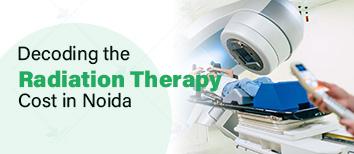
A frequently asked question is about radiation therapy cost in Noida. The cost varies depending on:
Type of radiation technology used
Number of sessions required
Cancer type and complexity
Hospital infrastructure
Costs may range from moderate to higher amounts for advanced techniques like IMRT or IGRT. Hospitals usually provide a treatment estimate after evaluation, helping families plan finances effectively.
Modern radiotherapy treatment in Noida includes advanced techniques that improve precision and reduce side effects, such as:
Intensity-Modulated Radiation Therapy (IMRT)
Image-Guided Radiation Therapy (IGRT)
Stereotactic Radiation Therapy
3D Conformal Radiation Therapy
These methods allow higher radiation doses to tumors while protecting nearby healthy organs.
Most patients continue daily activities during radiation therapy with minor adjustments. Doctors often advise:
Maintaining a balanced diet
Staying hydrated
Protecting treated skin from sun exposure
Getting adequate rest
Reporting side effects early
With proper guidance and follow-up, patients usually tolerate treatment well and complete therapy successfully.
Call +91 9667064100 to book an appointment at a leading cancer centre and discuss personalized radiation therapy options in Noida.
Radiation therapy is a safe, effective, and essential component of modern cancer treatment. With advanced technology and experienced specialists, radiation therapy in Noida offers patients targeted treatment with improved comfort and outcomes. Understanding how radiation works, who needs it, potential side effects, and cost considerations empowers patients to approach treatment with confidence.
If you or a loved one has been advised radiation therapy, early consultation with a radiation therapy doctor in Noida ensures timely planning and optimal care.
Q. 1. How many radiation sessions are usually required?
Ans. The number of sessions depends on cancer type and stage, typically ranging from 10 to 30 sessions.
Q. 2. Can radiation therapy be combined with chemotherapy?
Ans. Yes, in many cancers, radiation and chemotherapy are combined for better results.
Q. 3. Will radiation therapy make me radioactive?
Ans. No, external radiation therapy does not make patients radioactive.
Q. 4. Can elderly patients safely undergo radiation therapy?
Ans. Yes, treatment is planned carefully considering age and overall health.
Q. 5. How soon can I resume normal activities after radiation therapy?
Ans. Most patients resume normal activities gradually during or soon after treatment.
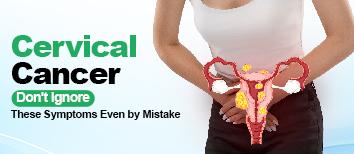
Recognize the early warning signs of cervical cancer. Learn about its symptoms, causes, and when to consult a gynecologist for timely diagnosis and treatment.

Explore essential information about breast cancer, including its symptoms, causes, types, and treatments, to stay informed and proactive about your health.

Immunotherapy is a groundbreaking cancer treatment that utilizes the body’s immune system to recognize and attack cancer cells.


Subscribe to our
© Copyright 2026. All Rights Reserved by Felix Healthcare Private Limited
Design and development by :


 +(91)9667064100
 Emergency : +(91)9667064100