 Emergency:
  WhatsApp




Subscribe to our
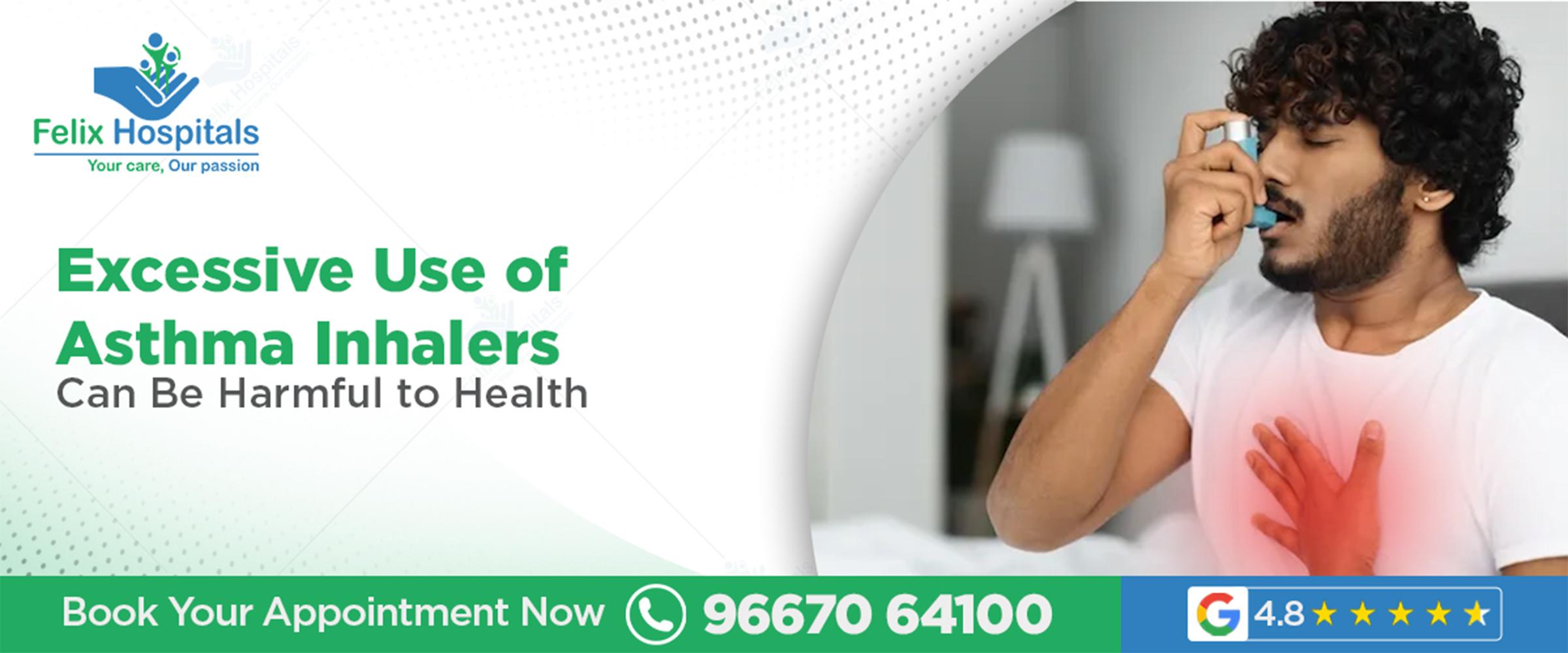
Asthma inhalers are lifesaving devices, but like any medication, they must be used correctly and in the right amount. Many people rely on inhalers every day to manage breathing difficulties, but frequent or uncontrolled usage can slowly lead to harmful effects on the body. Understanding why excessive inhaler use is risky is important for long-term respiratory health and better asthma control.
Asthma is a chronic condition where the airways become inflamed and narrowed, making it difficult to breathe. Inhalers help open the airways quickly, but when people start depending on them too often, it usually means their asthma is not under control. Instead of masking symptoms with repeated puffs, proper treatment and timely evaluation by a pulmonologist ensure safer and more effective management.
Many patients mistakenly believe that an inhaler can be used repeatedly without harm. However, excessive asthma inhaler use often happens when underlying inflammation is not being treated. Quick-relief inhalers provide short-term comfort, but overusing them can result in serious side effects. In fact, doctors consider inhaler overuse a warning sign that asthma may be worsening.
People also tend to use inhalers frequently during cold weather, pollution spikes, or stressful periods. Instead of treating the main disease, inhaler misuse hides symptoms temporarily while the inflammation continues to grow inside the lungs. Over time, this can make asthma harder to control.
Using more inhaler doses than recommended can cause dangerous health issues. One of the major concerns is that patients may ignore the primary treatment plan and depend fully on inhalers. This leads to complications that affect the entire respiratory and cardiovascular system.
Frequent use of inhalers can lead to palpitations, restlessness, tremors, or high heart rate. These symptoms are often related to overusing asthma inhalers risks, especially those containing bronchodilators. If you experience these reactions frequently, it’s a sign that asthma may be poorly controlled and medical attention is required.
Inhalers are generally safe when used as prescribed. However, can asthma inhalers be harmful when used excessively? The answer is yes. Overuse can make asthma symptoms worse, increase the risk of severe attacks, and reduce the effectiveness of the inhaler over time.
Many patients don’t realize that overusing reliever inhalers can cause airway sensitivity. This means even small triggers like dust, smoke, or exercise can provoke stronger asthma symptoms. When this happens, the body becomes dependent on the inhaler, creating a cycle of repeated use.
Different inhalers have different medications, but excessive use can cause similar reactions. Common side effects of asthma inhalers include:
Increased heart rate
Shaking or tremors
Nervousness
Throat irritation
Chest discomfort
Some patients may also experience low potassium levels, especially with repeated doses in a short time. Using your inhaler too frequently is a sign that your asthma management plan needs adjustment.
Over time, long-term effects of inhaler overuse can impact both lung function and overall health. When people depend on quick-relief inhalers rather than controller medicines, the airway inflammation continues to worsen. This can lead to frequent asthma attacks, hospitalization, or even life-threatening breathing difficulties.
Long-term misuse also weakens the response of beta-agonist medications. This means the inhaler becomes less effective, requiring more puffs to achieve the same relief. Over time, this becomes dangerous and leads to poor asthma outcomes.
Improper inhaler use can harm both lungs and heart. Inhaler misuse consequences may include:
Severe asthma attacks
Decreased lung capacity
Increased respiratory infections
Higher hospitalization risk
Medication dependency
Also, incorrect technique—such as inhaling too fast, inhaling too shallow, or not shaking the inhaler—reduces the medicine reaching the lungs. Many patients benefit from technique guidance by a doctor or respiratory therapist.
Proper inhaler usage helps prevent complications. Practicing good asthma inhaler safety ensures medication works effectively without harmful side effects. Here are simple safety tips:
Do not exceed prescribed doses
Keep a symptom diary
Monitor triggers such as dust, smoke, or seasonal allergies
Use controller medications regularly if prescribed
Replace inhalers when expired or empty
If you rely on your inhaler multiple times daily, consult a pulmonologist for a revised treatment plan.
The lungs are sensitive organs, and frequent inhaler misuse can slowly damage them. Respiratory health and inhaler overuse are closely connected. When inhalers are used excessively, the airway muscles and linings become irritated. Over time, this can lead to chronic respiratory issues, making everyday breathing harder.
Many patients also have allergies or sinus issues that worsen asthma. Treating these conditions helps reduce inhaler dependency and improves long-term breathing comfort.
Felix Hospital, known for advanced respiratory care, provides expert pulmonologists who help patients restore balanced and safe inhaler use.
You should contact a doctor if you experience:
Using your inhaler more than twice per week
Requiring multiple puffs for relief
Worsening cough or tightness
Difficulty breathing even after inhaler use
Nighttime breathing problems
Ignoring these symptoms can lead to severe complications. A proper asthma management plan ensures safer and more effective breathing relief.
Felix Hospital also offers pulmonary function tests and customized asthma treatment plans to reduce inhaler dependence.
Inhalers are essential for asthma patients, but excessive use can be dangerous. Overuse signals poor asthma control and the need for timely medical evaluation and treatment by the Best Pulmonologist in Noida. With the right care, balanced medication, and proper safety practices, asthma can be effectively managed without over-reliance on inhalers. Always prioritize correct usage and regular checkups with a Best Pulmonologist in Noida to maintain long-term lung health.
Ans. If you need your reliever inhaler more than twice a week, it’s considered overuse.
Ans. Yes, it can worsen airway inflammation and reduce lung function over time.
Ans. Because excess doses stimulate the heart and nervous system.
Ans. No, if usage increases, your asthma plan needs review.
Ans. Yes, with proper controller medication and medical guidance.
Dr. Priyadarshi Jitendra Kumar is an experienced General Practitioner with 20+ years of expertise in diabetes, thyroid disorders, hypertension, and infectious diseases. Recognized as a Best Pulmonologist in Noida, he specializes in respiratory emergencies, sleep disorders, and advanced pulmonology care.

Smoking doesn’t just damage your lungs—it also harms your ears, nose, and throat. Learn how tobacco use increases the risk of ENT infections, hearing loss, sinus issues, and more.

Air pollution harms your lungs and heart, increasing the risk of breathing problems, heart disease, and stroke. Protecting yourself is essential.


Subscribe to our
© Copyright 2026. All Rights Reserved by Felix Healthcare Private Limited
Design and development by :


 +(91)9667064100
 Emergency : +(91)9667064100