 Emergency:
  WhatsApp


Subscribe to our
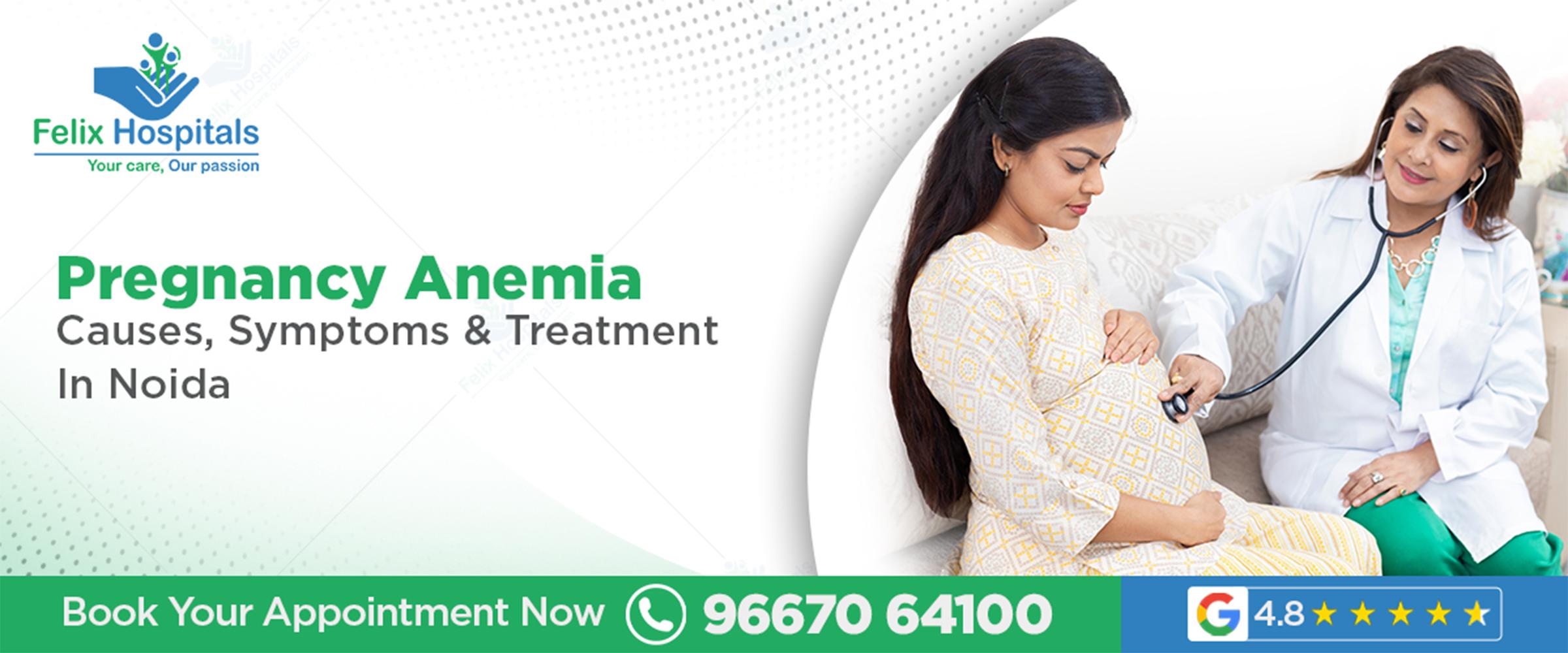
Pregnancy is a crucial period in a woman’s life, and maintaining optimal health is essential for both mother and baby. One common concern during pregnancy is pregnancy anemia, a condition where the blood lacks sufficient healthy red blood cells to carry oxygen to the body’s tissues.
If left untreated, anemia can lead to complications such as fatigue, premature birth, low birth weight, and delayed fetal development. In Noida, gynecologists provide comprehensive care for detecting, managing, and preventing pregnancy anemia, ensuring the safety of both mother and child.
Concerned about anemia during pregnancy? Consult the best gynecologist in Noida today. Call +91 9667064100 to schedule your appointment.
How to detect anemia during pregnancy involves routine prenatal testing and careful observation of symptoms. Regular blood tests help determine hemoglobin and hematocrit levels.
Complete blood count (CBC) to measure hemoglobin levels
Ferritin test to check iron storage
Blood smear to examine red blood cell size and shape
Monitoring for signs of iron deficiency or vitamin B12 deficiency
Early detection allows gynecologists to implement timely treatment and prevent complications.
Recognizing early signs of pregnancy anemia is crucial for intervention. Common symptoms include:
Persistent fatigue or weakness
Pale skin, lips, or nail beds
Shortness of breath during mild activity
Dizziness or lightheadedness
Headaches and difficulty concentrating
Pregnant women noticing these symptoms should seek consultation with a doctor consultation for pregnancy anemia in Noida for proper evaluation and care.
Several factors contribute to causes of low hemoglobin in pregnancy:
Increased blood volume during pregnancy dilutes hemoglobin
Iron deficiency due to inadequate dietary intake
Vitamin B12 or folate deficiency
Blood loss from previous pregnancies or heavy menstrual cycles
Pre-existing health conditions such as thalassemia or chronic illnesses
Understanding these causes helps gynecologists develop personalized treatment plans.
Pregnancy anemia remedies and treatment depend on the severity and underlying cause of anemia. Common strategies include:
Iron tablets or syrups are commonly prescribed to increase hemoglobin levels.
Supplements help in the production of healthy red blood cells.
Including iron-rich foods such as spinach, lentils, red meat, and fortified cereals.
Addressing chronic illnesses or blood disorders that may contribute to anemia.
Frequent blood tests to track hemoglobin improvement and adjust treatment as needed.
Proper diet plays a vital role in managing pregnancy anemia. Recommendations include:
Incorporate iron-rich foods like spinach, beans, and lean meats
Include vitamin C-rich foods such as citrus fruits to enhance iron absorption
Limit intake of tea, coffee, and calcium supplements during iron-rich meals, as they can hinder absorption
Eat small, frequent meals to ensure consistent nutrient intake
Following these nutrition tips supports red blood cell production and overall maternal health.
Certain symptoms indicate that pregnancy anemia may be severe and require urgent medical care:
Extreme fatigue affecting daily activities
Rapid heartbeat or palpitations
Shortness of breath even at rest
Persistent dizziness or fainting
Swelling of the face, hands, or feet
Consulting a gynecologist promptly ensures safe and effective management of anemia during pregnancy.
Preventing pregnancy anemia is easier than treating severe cases. Preventive measures include:
Early prenatal check-ups and routine blood tests
Taking recommended iron, folic acid, and vitamin supplements
Maintaining a balanced diet rich in essential nutrients
Managing pre-existing medical conditions before conception
Staying hydrated and getting adequate rest
Preventive care reduces the risk of complications for both mother and baby.
For patients seeking doctor consultation for pregnancy anemia in Noida, advanced maternity centers provide:
Personalized anemia treatment plans
Iron infusions for severe cases
Nutritional counseling and diet plans
Ongoing monitoring of hemoglobin and hematocrit levels
Support for high-risk pregnancies
Noida’s gynecologists offer comprehensive care to ensure safe pregnancy outcomes.
After initiating pregnancy anemia treatment, recovery involves:
Continuing prescribed iron and vitamin supplements
Regular follow-up blood tests to monitor improvement
Maintaining a nutrient-rich diet
Avoiding excessive physical strain while ensuring moderate activity
Managing symptoms such as fatigue and dizziness under doctor supervision
Consistent post-treatment care helps restore hemoglobin levels and promotes maternal and fetal well-being.
Ignoring pregnancy anemia can lead to serious complications:
Increased risk of premature birth or low birth weight
Developmental delays in the baby
Severe maternal fatigue and weakness
Higher susceptibility to infections
Complications during delivery, including postpartum hemorrhage
Timely intervention with expert gynecological care prevents these risks.
All pregnant women should consult a gynecologist appointment near me for routine check-ups. Immediate consultation is recommended if symptoms like persistent fatigue, dizziness, or palpitations occur. Early engagement with a specialist ensures safe pregnancy and reduces the likelihood of anemia-related complications.
Ensure safe pregnancy care and effective anemia management with a doctor consultation for pregnancy anemia in Noida. Call +91 9667064100 now.
Pregnancy anemia is a common but manageable condition. Awareness of early signs of pregnancy anemia, understanding the causes of low hemoglobin, and seeking timely treatment with a doctor consultation for pregnancy anemia in Noida ensures the safety of both mother and baby. With proper nutrition, regular monitoring, and expert gynecological care, anemia during pregnancy can be effectively controlled, supporting a healthy and safe pregnancy.
Q. 1 How can anemia be detected during pregnancy?
Ans. Routine blood tests such as CBC and ferritin levels help detect anemia early in pregnancy.
Q.2 What are the early signs of pregnancy anemia?
Ans. Fatigue, dizziness, pale skin, shortness of breath, and headaches are common indicators.
Q. 3 Which foods help prevent or manage pregnancy anemia?
Ans. Iron-rich foods, vitamin C-rich fruits, and folate-rich vegetables support red blood cell production.
Q. 4 When should I see a doctor for pregnancy anemia?
Ans. Immediate consultation is needed if fatigue is extreme, dizziness is frequent, or palpitations occur.
Q. 5 Can pregnancy anemia affect the baby?
Ans. If untreated, anemia can increase risks such as low birth weight, preterm birth, and developmental delays. Timely treatment prevents these complications.

Know the causes, symptoms, and treatment of pregnancy anemia in Noida for a healthy pregnancy.
Depression during pregnancy can impact both the mother’s mental well-being and the baby’s development. Early diagnosis, proper treatment, and emotional support are essential for a healthy pregnancy.


Subscribe to our
© Copyright 2026. All Rights Reserved by Felix Healthcare Private Limited
Design and development by :


 +(91)9667064100
 Emergency : +(91)9667064100