 Emergency:
  WhatsApp

Subscribe to our
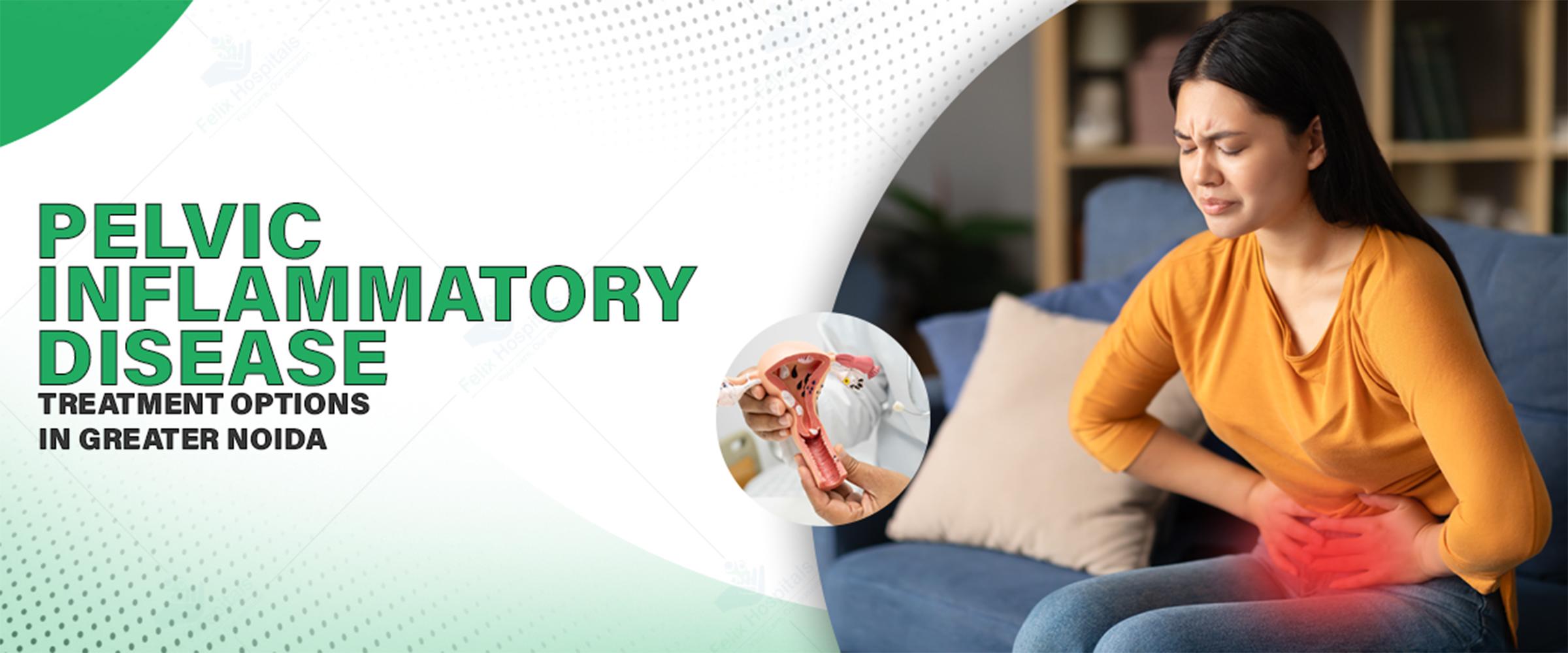
Pelvic Inflammatory Disease (PID) is a serious infection that irritates the ovaries, fallopian tubes, and uterus of females. It usually happens when bacteria from the vagina travel upward into the female reproductive tract and cause inflammation and, in extreme situations, ongoing harm. The most common cause is sexually transmitted diseases (STIs) like chlamydia and gonorrhea, but bacterial imbalance due to childbirth, miscarriage, pelvic surgery, or IUD placement can also cause it.
The condition can lead to infertility, pelvic pain, and ectopic pregnancy if not treated. Therefore, early detection and treatment by an expert pelvic pain specialist are essential. If you are looking for reliable treatment, the best gynecology hospital in Greater Noida will provide state-of-the-art diagnostic tools and medical facilities to aid in rapid recovery.
Call +91 9667064100 to make an appointment for your PID consultation. Early treatment stops problems from happening.
PID may occur in women of any age, but sexually active women aged 15–25 years are most affected by it. PID may arise suddenly with a rough course or may have a gradual course, so a routine gynecological examination is important.
Common symptoms include:
Chronic pelvic or lower abdominal pain
Odorous vaginal discharge that is abnormal
Pain during intercourse
Fever and chills
Irregular spotting during menstruation or menstrual bleeding
Pain or burning while urinating
If not treated, PID can result in permanent damage to reproductive organs, scarring of the fallopian tubes, and a blockade preventing eggs from reaching the uterus.
The majority of PID infections are caused by bacterial infections—specifically, Neisseria gonorrhoeae and Chlamydia trachomatis. PID can be caused by:
Childbirth
Miscarriage or abortion
Pelvic operations
Insertion of intrauterine devices (IUDs) (i.e., in the first few weeks)
Having several sex partners
Engaging in unprotected sex
History of STIs
Diagnosis of PID is not easy since the signs and symptoms may be like other medical conditions like appendicitis, ovarian cyst, or urinary tract infection. Hence, best gynecologists in Greater Noida are dependent on a combination of investigations and clinical assessment.
The Pelvic pain doctor in Greater Noida will also query you on your sexual history, previous STIs, contraception use, and previous pelvic surgery if you ever had any. This aids in determining possible sources of infection.
A pelvic exam enables the best gynecologists in Greater Noida to assess tenderness in the pelvic region and abnormal discharge. During the procedure, cotton swabs may be employed to sample fluid specimens from the cervix or vagina for laboratory analysis.
Blood Tests – Look for evidence of infection such as increased white blood cells or inflammatory proteins.
Urine Tests – Rule out urinary tract infections and test for STIs.
Ultrasound – Gives good images of the ovaries, fallopian tubes, and uterus to check for swelling or abscesses.
Transvaginal Ultrasound – Gives a more detailed picture of pelvic structure.
Laparoscopy – A very minimal surgical procedure in which a small camera is placed inside the abdomen in order to visualize the reproductive organs directly.
Endometrial Biopsy – A tiny sample of uterine tissue is tested for inflammation or infection.
Early diagnosis prevents the spread of infection further, reduces the likelihood of infertility, and facilitates faster and easier recovery.
Management of PID is aimed at eliminating infection, suppressing symptoms, and preventing chronic damage. Treatment is determined by the severity of infection.
The major treatment is broad-spectrum antibiotics that aim at the most prevalent bacteria causing PID. Firstly, best gynecologists in Greater Noida can administer injectable and oral antibiotics together.
After laboratory testing, the particular bacteria are isolated, and the drug can be formulated for specific action. You must complete a whole course of antibiotics, even if you recover early.
Since STIs are a common cause of PID, sexual partners need to be assessed and treated to prevent reinfection.
Pain relievers obtained over-the-counter or by prescription alleviate pelvic pain.Rest and fluids allow the healing process.
They may need to be hospitalized if:
There is an ovarian or fallopian tube abscess
They are expecting.
They have severe symptoms (high fever, vomiting, severe pain)
Oral antibiotics don't work
Rarely required, but can be requested if:
An abscess ruptures or is about to rupture
It is also not responsive to antibiotic therapy
There is uncertainty in diagnosis
Key: PID can recur even after successful treatment if preventive measures are not followed.
PID treatment cost in Greater Noida depends on:
Diagnostic studies required (lab, ultrasound, etc.)
Type and duration of antibiotic treatment
Whether hospitalization or surgery is needed
On average:
Outpatient counseling and medication: ₹2,000–₹6,000
Hospital-based care: ₹15,000–₹40,000
Surgery (if required): ₹50,000 and above
Looking for the best gynecologists in Greater Noida offers accurate diagnosis and affordable treatment.
While you can't avoid all of them, you can get your risk significantly reduced by:
Safe sex (use of condoms prevents STI transmission)
Having regular STI testing
Seeking early medical care for unusual pelvic or vaginal symptoms
Felix Hospital is one of the best gynecology hospitals in Greater Noida for the diagnosis and treatment of PID. Their highly experienced team of gynecologists utilizes the latest diagnostic imaging, laboratory tests, and individualized treatment methods to ensure quick and complete recovery. The hospital is popularly known for:
Patient-centered, compassionate care
Recent technology for precise diagnosis
Expertise in the management of simple and complex cases of PID
Confidential and compassionate counseling
With Felix, you can be certain of professional attention that preserves your confidentiality and is concerned with your long-term reproductive health.
Recovery from PID is not merely a question of finishing your antibiotics—it's also about maintaining reproductive health in the long run. Follow-up visits are necessary to ensure that the infection has resolved. If you have had PID twice or more, discuss fertility planning and possible preventive measures with your gynecologist.
Key takeaways:
Consult a doctor immediately if you have pelvic pain or unusual discharge.
Finish your treatment without a break.
Encourage the partner to undergo treatment and testing to prevent reinfection.
Don't ignore pelvic pain; call at +91 9667064100 for professional Pelvic Inflammatory Disease treatment.
Pelvic Inflammatory Disease can be very serious in its long-term effects if not treated, but with early diagnosis and correct treatment by a skilled Pelvic pain doctor in Greater Noida, the likelihood of recovery is very high. Whether a case is mild or complex enough to require hospitalization, treatment at a trusted healthcare facility at the earliest ensures the best result. Don't ignore recurrent pelvic pain—your reproductive health is too precious to take a risk.
Q1. Does my sexual partner need treatment even if they don't have any symptoms?
Ans: Yes, all sexual partners need to be checked out and treated to avoid getting sick again, since infected partners often don't show any obvious signs.
Q2. Can a pelvic exam tell how bad PID is, or do you always need imaging tests?
Ans: A pelvic exam can find tenderness and discharge, but an ultrasound or transvaginal ultrasound can show more detailed pictures to check for problems like abscesses.
Q3. Does Felix Hospital give PID diagnostic test results on the same day?
Ans: Felix Hospital has state-of-the-art labs and diagnostic imaging that help them get test results quickly so they can start treatment right away.
Q4.What kind of follow-up care does Felix Hospital offer after PID treatment is over?
Ans: Follow-up visits make sure the infection is gone, check for complications, and give advice on reproductive health for long-term health.
Q5. Will having PID once make me more likely to get reproductive infections in the future?
Ans: If you have had PID before and continue to have risk factors like unprotected sex, you may be more likely to get infections again.
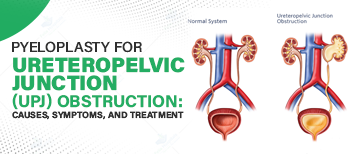
Ureteropelvic Junction (UPJ) Obstruction is a medical condition where there is a blockage at the junction where the renal pelvis meets the ureter.
Pelvic Inflammatory Disease (PID) treatment in Greater Noida includes advanced diagnosis, antibiotics, and expert gynecological care to restore women’s reproductive health effectively.


Subscribe to our
© Copyright 2026. All Rights Reserved by Felix Healthcare Private Limited
Design and development by :


 +(91)9667064100
 Emergency : +(91)9667064100