 Emergency:
  WhatsApp

Subscribe to our
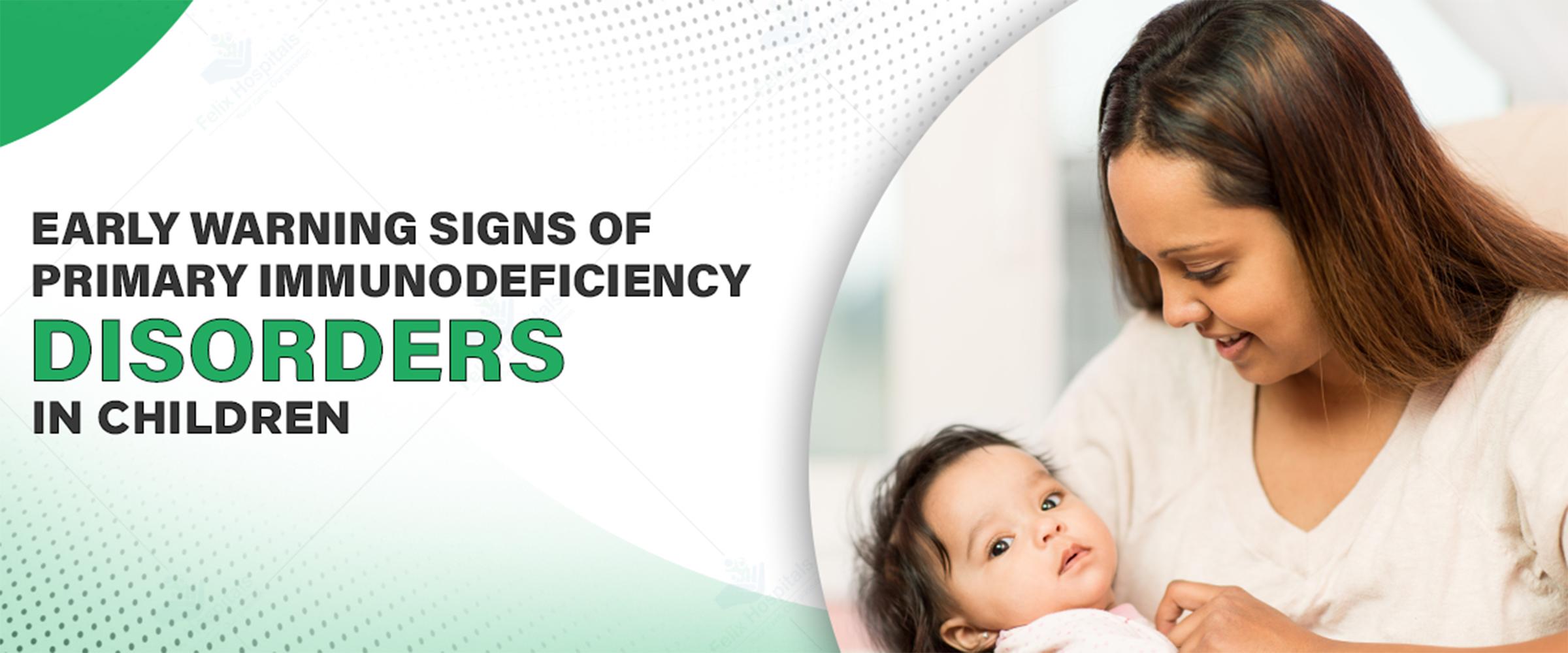
Primary immunodeficiency disorders also called primary immune disorders or primary immunodeficiency weaken the immune system, allowing infections and other health problems to occur more easily. Many people with primary immunodeficiency are born missing some of the body's immune defenses or with the immune system not working properly, which leaves them more susceptible to germs that can cause infections.
An Immunology Specialist Doctor in Greater Noida can detect all forms of primary immunodeficiency disorders giving proper treatment and care customized to specific needs of the patient. Treatments can boost the immune system in many types of primary immunodeficiency disorders. Research is ongoing, leading to improved treatments and enhanced quality of life for people with the condition.
Give the strength for your child to fight infections - connect with the best Pediatric Immunologists call +91 9667064100.
One of the most common signs of primary immunodeficiency is having infections that are more frequent, longer lasting or harder to treat than are the infections of someone with a typical immune system. You may also get infections that a person with a healthy immune system likely wouldn't get (opportunistic infections). Signs and symptoms differ depending on the type of primary immunodeficiency disorder, and they vary from person to person. Best Pediatric Hospital for Immunodeficiency in Greater Noida can help you to identify the disorder based on the symptoms.
Signs and symptoms of primary immunodeficiency can include:
Frequent and recurrent pneumonia, bronchitis, sinus infections, ear infections, meningitis or skin infections
Inflammation and infection of internal organs
Blood disorders, such as low platelet count or anemia
Digestive problems, such as cramping, loss of appetite, nausea and diarrhea
Delayed growth and development
Autoimmune disorders, such as lupus, rheumatoid arthritis or type 1 diabetes
Frequent and Severe Infections:
More than 4 new ear infections within 1 year
More than 2 new sinus infections within 1 year
More than 2 months on antibiotics with little effect
Recurrent, deep abscesses of the skin or internal organs
Persistent thrush in mouth or fungal infection on skin
Need for intravenous antibiotics to clear infections
More than 2 deep-seated infections including septicemia
Recurrent pneumonia or bronchitis (more than 1/year)
Chronic diarrhea with weight loss
Poor growth or loss of weight on growth chart
Abscesses of the liver or lungs.
Sibling who died early in life (early infant death)
History of a male relative with blood disorder, early heart disease, or unexplained death at an early age.
Normal infections, such as colds, are common in the number of infections a child has capability to ward off, common in the duration of infections (up to 5 days for a cold), and common in how infections progress and resolve.
Unusual infections include very serious illnesses or infections (like pneumocystis carinii or chronic giardiasis) that are recurrent, severe, or unusual and not getting better even with therapy.
Not improving after multiple courses of antibiotics
New need for antibiotics by vein to control an infection
Recurrent infections after being off treatment for a short time
Well-appearing child not gaining weight, not meeting normal ultimate height, or not growing as expected.
Infections, Autoimmunity, and Inflammation
Family member with similar issues requires evaluation and, if enough warning signs exist, genetic evaluation. Family history of primary immunodeficiency is a major risk factor.
Many primary immunodeficiency disorders are inherited — passed down from one or both parents. Problems in the genetic code that acts as a blueprint for producing the cells of the body (DNA) cause many of these immune system defects.
There are more than 300 types of primary immunodeficiency disorders, and researchers continue to identify more. They can be broadly classified into six groups based on the part of the immune system that's affected:
B cell (antibody) deficiencies
T cell deficiencies
Combination B and T cell deficiencies
Defective phagocytes
Complement deficiencies
Unknown (idiopathic)
The only known risk factor is having a family history of a primary immune deficiency disorder, which increases your risk of having the condition.
If you have a type of primary immune deficiency disorder, you might want to seek genetic counseling if you plan to have a family.
Complications caused by a primary immunodeficiency disorder vary depending on what type you have. They can include:
Recurrent infections
Autoimmune disorders
Damage to the heart, lungs, nervous system or digestive tract
Slowed growth
Increased risk of cancer
Death from serious infection
Because primary immune disorders are caused by genetic changes, there's no way to prevent them. But when you or your child has a weakened immune system, you can take steps to prevent infections:
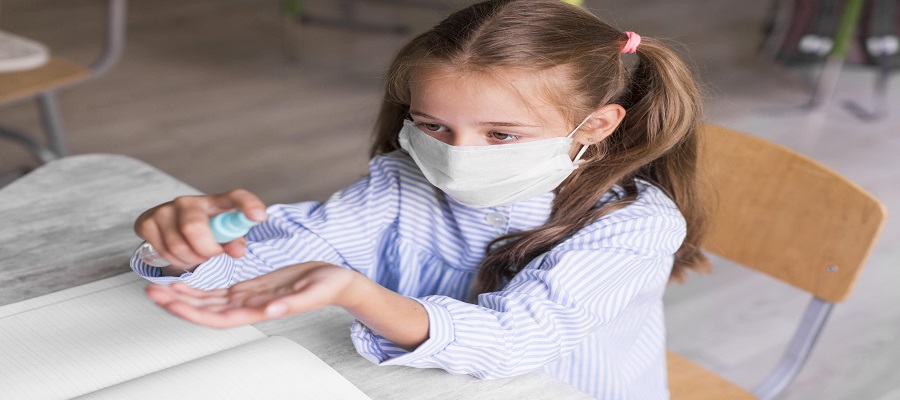
Practice good hygiene: Wash your hands with mild soap after using the toilet and before eating.
Take care of your teeth: Brush your teeth at least twice a day.
Eat right: A healthy, balanced diet can help prevent infections.
Be physically active: Staying fit is important to your overall health. Ask your doctor what activities are appropriate for you.
Get enough sleep: Try to go to sleep and get up at the same time daily, and get the same number of hours of sleep every night.
Manage stress: Some studies suggest that stress can hamper your immune system. Keep stress in check with massage, meditation, yoga, biofeedback or hobbies. Find what works for you.
Avoid exposure: Stay away from people with colds or other infections and avoid crowds.
Ask your doctor about vaccinations: Find out which ones you should have.
Don't ignore low immunity warning signs. For Trusted Pediatric Care Center Call +91 9667064100
Primary immunodeficiency disorders may appear to be rare, but they can have aنامج impact on a child's health if not detected on time. With the right intervention at the 'right' time, and support from a team of paediatricians, children will be able to lead more healthy and fulfilling lives. Felix Hospital, one of the best Pediatric Care Hospitals in Greater Noida, offers specialized evaluation, treatment, and support for children with immunity-related issues. Our team is led by expert Pediatric Immunologists in Greater Noida, ensuring that each child gets advanced medical care in a compassionate environment - providing the family with the confidence and reassurance it needs.
Find the links below:
Check the links below:
Q1: What age group is most likely to have primary immmunity deficiency disorders?
Ans: Primary immunodeficiencies can manifest themselves at any age, however there are some warning signs during early childhood. Felix Hospital's pediatric specialists can detect them at the earliest stage.
Q2: Does Felix Hospital have testing for suspected immunodeficiency disorders?
Ans: Yes. We offer advanced genetic and molecular testing for the confirmation of diagnoses and treatment of children with recurring or unusual infections.
Q3: Is primary immunodeficiency curable?
Ans: While unfortunately most forms cannot be completely cured, the Felix Hospital provides treatments that boost immunity, prevent complications and especially improve quality of life.
Q4: What are Felix Hospital Primary Immunodeficiency treatment options?
Ans: Depending on the type, treatment may include immunoglobulin treatment, antibiotics, antifungals, nutritional support, or even stem cell transplant, in some cases.
Knock knees, medically known as genu valgum, is a common condition in young children where the knees angle inward and touch one another when the legs are straightened.

Early Signs of Gigantism in Children: What Parents Should Know
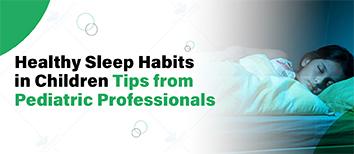
During sleep, the body releases growth hormones, which are essential for a child's growth and development. Adequate sleep is vital for muscle development, tissue growth, and the overall physical health of a child.

Subscribe to our
© Copyright 2026. All Rights Reserved by Felix Healthcare Private Limited
Design and development by :


 +(91)9667064100
 Emergency : +(91)9667064100