 Emergency:
  WhatsApp

Subscribe to our
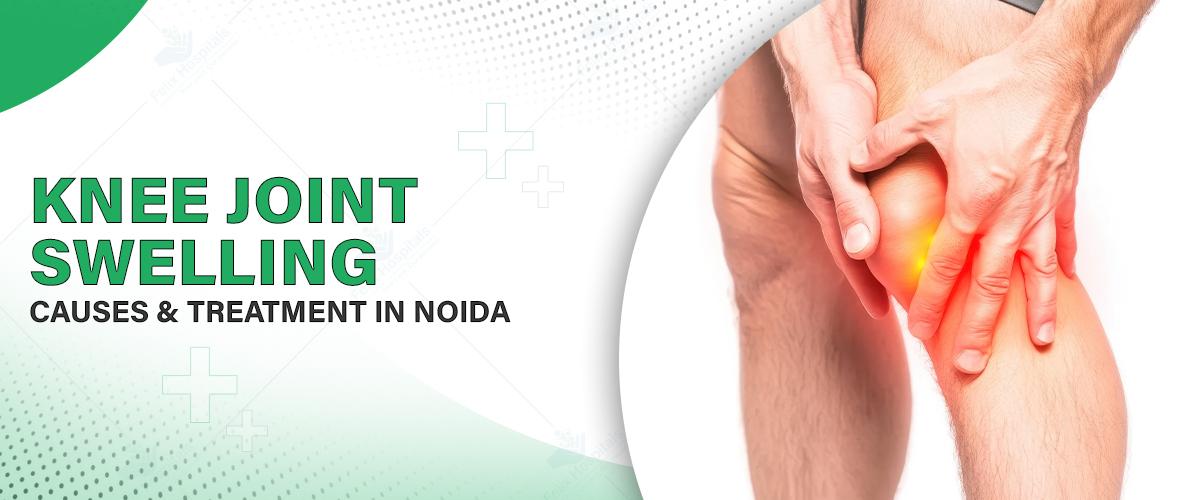
Knee swelling treatment in noida is readily available in special orthopedic centers where they can be treated , which provide a comprehensive cure to all knee issues. In case you are seeking the services of a doctor for knee swelling in noida, there are numerous experienced orthopedists who specialize in providing professional diagnosing treatment in Noida of any type of knee swelling including minor injuries to severe arthritis.
Accurate diagnosis, effective treatment & faster recovery for knee swelling – Contact +91 9667064100.
Tears in the ligaments: Tearing of a ligament, in particular, ACL can lead to the hemorrhage in the knee, immediate swelling, pain, and instability in the joint.
Knee Torn meniscus: When the C shaped cartilage tears in the knee, it becomes painful and inflamed and the knee is swollen particularly when it is twisted.
Fractures: Fractures around the knee may cause swelling of the knee joint.
Overuse injuries: Proprietary strains of running or any other activity may stress the tissues of the knees and accumulate fluid.
Osteoarthritis: It is wear and tear arthritis that occurs when the cartilage has deteriorated with time such that, the bones rub together. It leads to long period swelling, stiffness and pain which increases with movement.
Rheumatoid arthritis: The condition is an autoimmune disorder in which the body triggers attack on the joint lining resulting in inflammation, pains, stiffness and swelling in both knees.
Gout: It is an arthritis that develops when the uric acid crystals accumulate in a joint. It is a painful, sharp, red and epidermal swelling. It usually attacks the big toe, but may attack the knee as well.
Pseudogout: This is similar to gout except that it results due to calcium crystals. It is usually struck in larger joints like the knee and the wrist.
Bursitis: Bursa is a fluid sac that cushions the joint which becomes inflamed. Housemaid-swollen Prepatellar bursitis is swollen and painful directly over the knee.
Baker Cyst: Fluid accumulation behind the knee comes in the form of a cyst which can be painful and tight. It commonly occurs when one has arthritis.
Septic arthritis: An acute infection within the joint. Bacteria could enter with the help of blood or the cut. It presents itself as acute intense pain, edema, heat, and fever.
Knee joint swelling diagnosis requires a comprehensive evaluation by healthcare professionals to determine the underlying cause. In a bid to discover how come your knee swells, a healthcare professional will not only conduct the following:
Medical history & exam: The doctor is going to inquire when you experienced the first symptoms as well as whether you have suffered any injuries or have had any illness. They will examine your knee in terms of swelling, redness, warmth and test your movement and feel.
Aspiration: In case of suspicion of infection, gout or even a pseudo-gout, the physician can remove fluid using a needle in the joint. The fluid is sampled as to white cells, bacteria and crystals.
X-ray: Provides images of the bones to ascertain the presence of bone breaks or arthritis.
MRI or CT scan: Provides images of the soft tissues such as ligaments, cartilage and bursae in detail.
Ultrasound: Assists in visualizing bursal or joint fluid.
Blood tests: Blood tests are performed when the disease is suspected such as rheumatoid arthritis or an infection. They search of the inflammation indicators or even certain antibodies.
Why is my knee swollen and painful to understand the connection you should know pressure of excessive fluid in the joint is the cause of pain, which is known as an effusion. The swelling location should dictate the type of pain and other symptoms that you are observing.
Acute, sharp pains: Vertebra A trauma, like a ligament tear or extensive hemorrhage within the joint.
Stiffness and pain, particularly in the morning: One of the significant indications of inflammation, i.e. rheumatoid arthritis.
Worsening, chronic pain: A characteristic of degenerative diseases such as osteoarthritis, whereby cartilage is gradually lost.
Extreme, acute pain that has gotten warm and fever: This is a medical emergency, and it requires immediate diagnosis and treatment of a possible infection, such as septic arthritis.
Therapy is based on the cause of swelling of the knee. It may involve domestic treatment of simple injuries to complex treatments of long term issues.
Disassertion: This is non-medical advice. Have a doctor diagnosed it and place him under treatment.
The following can be used in symptoms management of minor injuries or arthritis flare-ups:
Rest: Do not lean on the knee to aid in its recovery.
Ice: Apply a cold pack or ice pain absorber a few times a day on the knee, wrapped in a towel, and spend 1520 minutes on the knee to reduce swelling and pain.
Compression: For a knee, cover the knee with a bandage or a sleeve to prevent the accumulation of fluid.
Position: Keep your leg high up on pillows higher than the heart. This helps reduce swelling.
Over the counter drug: The pain and swelling can be reduced with ibuprofen (Advil) or naproxen (Aleve), among painkillers. Consult a health care professional before using them a day longer than 10 days.
Weight control: Maintaining a fair weight relieves the strain on the knees.
Low-impact activities: Swimming, cycling and yoga make the muscles that support the knee stronger and enhance their flexibility.
These may be recommended by a doctor in case home remedies are not effective:
Physical therapy:
A physical therapist can design a program specifically tailored to you to strengthen the muscles of your knee, enable you to move easily and turn around bad habits.
Injections:
Corticosteroids:These medications reduce inflammation. They are directly injected in the knee to relieve pain and swelling.
Hyaluronic acid (viscosupplementation):
This injection incorporates fluid causing the joint to move easier and to individuals with osteoarthritis.
Platelet‑rich plasma (PRP):
They remove blood out of you, spin it and put it into another person to heal the knee.
Knee brace:
A supporting brace makes the knee stable, positions it correctly, and reduces the pressure on a joint.
Pain management therapy:
Nerve blocks or radiofrequency ablation (RFA) are some of the procedures that can prevent information on the knee pains to make it to the brain.
Your doctor can suggest surgery in case of a severe injury or a chronic disease:
Arthrocentesis:
A standard, slightly painful, manipulation in a minute that drains a knee of surplus fluid to relieve the pressure can help the diagnosis of the problem.
Knee arthroscopy:
The thin and lit tube with a camera that allows the surgeon to observe the inside of the knee, diagnose the damage, and repair the cartilage, ligaments, or loose tissue using the small cuts.
Osteotomy:
A surgeon takes a small fragment of the shin bone or thigh bone to change the weight of the body, enhance knee positioning, and can postpone the necessity to have a knee replacement.
Arthroplasty of partial or total knee:
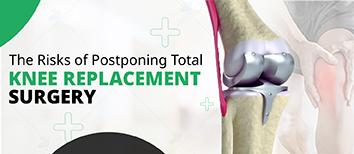
In severe arthritis, degenerated components of the knee are removed and artificial knee joints made of metals and plastics are placed instead.
Struggling with knee swelling? Get expert treatment in Noida today – Call +91 9667064100.
Leading orthopedic hospitals in Noida use cutting-edge medical technology, including:
These technologies improve surgical precision, reduce pain, minimize hospital stay, and speed up recovery.

Dr. Keshav Goel is an experienced Orthopedic and Joint Replacement Surgeon in Noida with over 10 years of clinical expertise. He has performed 2,000+ independent surgeries and specializes in computer assisted joint replacement and arthroscopic surgeries of the knee, shoulder, and hip. Known for his skill in treating sports injuries, trauma, and joint disorders, he provides advanced and patient-focused orthopedic care.
Knee swelling in Noida is normally caused by injury, arthritis including osteoarthritis and rheumatoid arthritis, gout, bursitis, infection or cyst. It can be treated at home using RICE method, OTC medicine or physical therapy. In cases of serious ones, injections of corticosteroid or hyaluronic or even surgery such as total knee replacement may be conducted by the doctors. The big hospitals and the clinics specializing in orthopedics, physiotherapy, and pain relief are available in Noida where care can be obtained.
The swelling and pain in the knee may be as a result of trauma, disease, or infection. Examination of a doctor, listening to the symptoms, and even joint fluid analysis or imaging will give a doctor an idea of what it is.
The appropriate doctor who can diagnose and do knee swelling treatment in Noida will give you the right diagnosis and a proper solution by ensuring that the treatment suits your condition well. Having the need of a simple care or surgery, Noida has hospitals that handle knee swelling and offer the full care so that you can recover in the best way possible.
Q1: When should you see a doctor?
A: So, go to the doctor immediately in case you experience big pain, fever, are unable to stand on the leg, or the swelling has not reduced despite 2-3 days of domestic treatment.
Q2: Can you stop knee swelling?
A: You can never stop all the causes, but you can contribute. Maintain a healthy weight, engage in low-impact activities and do not overuse your knee. That can reduce the possibility of swelling.
Q3: Is surgery necessarily required?
A: No. The majority of swelling improves with rest, medication and treatment. Very bad injunctions or severe arthritis only get surgery.
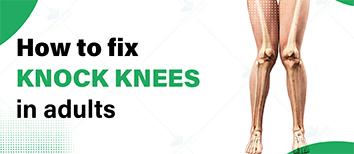
Knock knees occur when knees angle inward, creating a bow-legged appearance from the front. This condition is common in children during growth spurts.
Find expert tips to select the best orthopaedic hospital in Noida based on your specific medical needs, facilities, doctors, and patient care.
Knock knees, medically known as genu valgum, is a common condition in young children where the knees angle inward and touch one another when the legs are straightened.


Subscribe to our
© Copyright 2026. All Rights Reserved by Felix Healthcare Private Limited
Design and development by :


 +(91)9667064100
 Emergency : +(91)9667064100