 Emergency:
  WhatsApp


Subscribe to our
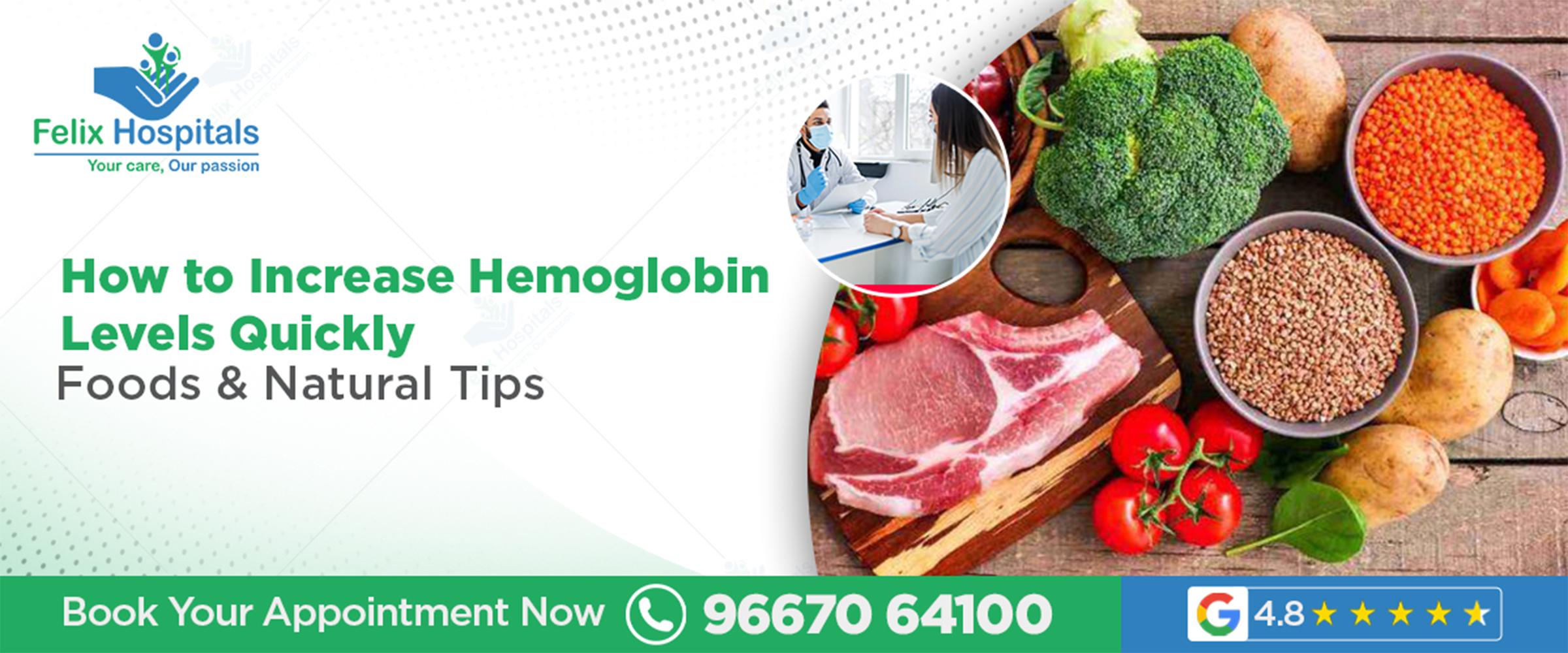
Healthy hemoglobin levels are essential for maintaining energy, oxygen circulation, and overall wellbeing. Low hemoglobin can make you feel exhausted, breathless, or light-headed, and can interfere with daily activities. If you’ve been wondering about the best foods to increase hemoglobin levels, or asking yourself How can I raise my hemoglobin levels with diet?, this comprehensive guide will help you understand what to eat, how nutrients work, and when you should consult a specialist.
For those experiencing persistent symptoms, expert guidance from a hematologist in Noida or visiting Felix Hospital for anemia treatment in Noida ensures complete evaluation and tailored care.
Let’s explore natural, food-based ways to increase hemoglobin safely and effectively.
Hemoglobin is an iron-rich protein present in red blood cells, responsible for transporting oxygen from your lungs to all parts of the body. When hemoglobin levels drop, your tissues receive less oxygen, leading to fatigue, weakness, dullness, and poor concentration.
Low hemoglobin—often linked to anemia—can occur due to nutrient deficiencies, blood loss, chronic illness, or hormonal changes. Fortunately, many dietary measures can help restore healthy levels.
Recognizing the symptoms of low hemoglobin levels early helps prevent complications. Common signs include:
Constant tiredness or weakness
Pale or yellowish skin
Breathlessness during simple activities
Dizziness or frequent headaches
Rapid or irregular heartbeat
Cold hands and feet
Poor focus and irritability
If these symptoms persist, it’s important to know When should I see a doctor for low hemoglobin levels? Seek medical help if symptoms worsen, disrupt routine life, or don’t improve despite dietary changes.
Diet plays a major role in restoring and maintaining healthy hemoglobin. Below are the most effective natural food groups that support red blood cell formation and iron absorption.
Leafy greens provide iron, folate, antioxidants, and fiber—essential for hemoglobin production. They’re among the best foods to increase hemoglobin levels, especially for vegetarians.
Spinach – rich in non-hemi iron, folate, and some vitamin C
Kale – Boosts iron, vitamin K, and fiber
Swiss chard – rich in iron and antioxidants
Fenugreek leaves (methi) – excellent for iron enhancement, especially in dals and curries
Mustard greens – contain iron, calcium, and vitamin C
Dietician Note: Pair leafy greens with tomatoes, lemon, or bell peppers to help your body absorb iron better.
Legumes and beans are affordable, filling, and packed with iron, protein, and folate—nutrients crucial for red blood cell production.
Lentils – top vegetarian source of iron
Chickpeas – iron + B vitamins
Black beans – iron and protective antioxidants
Kidney beans – support digestion and energy levels
Soybeans – complete protein with iron
These foods are ideal when searching for hemoglobin increase options that are easy to cook and versatile.
If you consume meat, red meat provides haem iron, which is absorbed more easily than plant-based iron.
Beef (including liver) – rich in haem iron and B12
Lamb – boosts iron and zinc
Lean pork – supports blood formation
Pair red meat with vegetables for balanced nutrition, and choose lean cuts to reduce unhealthy fats.
For those who prefer lighter animal proteins, poultry and seafood offer excellent alternatives.
Chicken (especially dark meat) – iron and lean protein
Turkey – iron and zinc
Tuna – iron, B12, and omega-3
Salmon – supports overall blood circulation
Shellfish (clams, oysters, mussels) – extremely rich in natural iron
These foods are excellent additions when you want a nutrient-dense diet to increase hemoglobin.
Perfect for snacking, nuts and seeds provide iron, healthy fats, and minerals.
Pumpkin seeds – among the richest plant-based iron sources
Sunflower seeds – iron and vitamin E
Almonds and cashews – iron + magnesium
Sesame seeds (til) – excellent in chutneys, laddoos, and tahini
These nutrient-packed bites are easy to add to salads, breakfast bowls, or eaten directly.
Fortified and whole grains are often underestimated, yet they can significantly contribute to daily iron intake.
Iron-fortified cereals – ideal for breakfast
Oats – iron-rich and perfect with vitamin C fruits
Quinoa – high iron + complete protein
Brown rice – more nutritious than white rice
Whole wheat bread – supports energy and blood health
These foods suit all ages and are perfect for balanced, hemoglobin-boosting diets.
Fruits offer hydration, iron, folate, and vitamin C, making them excellent natural helpers for blood formation.
Pomegranate – traditionally recommended for anemia
Apples – mild iron content and great for daily intake
Bananas – iron + folate
Dates & raisins – iron-dense dried fruits
Strawberries, oranges, and citrus fruits – rich in vitamin C
A combination of fresh and dried fruits supports iron absorption and energy levels.
If you're wondering How can I raise my hemoglobin levels with diet?, focus on three principles:
Eat iron-rich foods regularly
Combine iron with vitamin C
Avoid foods and habits that hinder absorption
A strong food-first approach ensures healthier, long-lasting results.
A frequent question is: How does vitamin C help in increasing hemoglobin levels?
Vitamin C enhances the absorption of non-heme iron from plant-based foods. It converts iron into a form that your intestines can absorb more efficiently.
Oranges
Lemons
Guava
Bell peppers
Strawberries
Tomatoes
Pairing iron sources with vitamin C-rich foods helps significantly improve hemoglobin restoration.
Along with diet, these evidence-based habits help boost hemoglobin effectively:
Eat iron-rich meals consistently
Add vitamin C to meals
Avoid tea and coffee with meals
Cook in cast iron pans
Add folate-rich foods like eggs, citrus, greens
Track vitamin B12 levels
Avoid unnecessary supplements unless prescribed
These steps support your body’s natural ability to rebuild healthy red blood cells.
Knowing When should I see a doctor for low hemoglobin levels? can prevent serious health issues. You should seek medical care if you experience:
Severe or persistent fatigue
Fainting spells
Chest discomfort
Palpitations
Breathlessness
A doctor may order blood tests to identify deficiencies or underlying medical conditions. For specialized guidance, Felix Hospital provides expert anemia treatment in Noida with experienced hematologist in Noida specialists.
Improving hemoglobin levels naturally is possible with the right dietary choices and habits. Including iron-rich foods, vitamin C sources, nuts, seeds, meats, whole grains, and fruits can help you feel more energized and balanced.
However, if symptoms persist, or if you're unsure of your hemoglobin status, timely medical evaluation is essential. Felix Hospital offers reliable diagnostics and personalized care for anemia treatment Hospital in Noida, helping you restore your health safely and effectively.
Q.1. What makes me know why my low hemoglobin is as such, whether it is by diet or other health complications?
Ans. The tests will be carried out by your doctor to be certain as to the underlying cause.
Q.2. Can iron supplements be taken during pregnancy?
Ans. Yes, though only through medical protection in order to prevent excessive iron.
Q.3.Is there any positive effect of exercise on the level of hemoglobin?
Ans. Frequent low intensity to moderate exercise helps in promoting the health of the body including blood circulation.
The best hospital for nutrition and bladder cancer treatment, where skilled specialists provide personalized and comprehensive dietary and oncological care.

Subscribe to our
© Copyright 2026. All Rights Reserved by Felix Healthcare Private Limited
Design and development by :


 +(91)9667064100
 Emergency : +(91)9667064100