 Emergency:
  WhatsApp

Subscribe to our
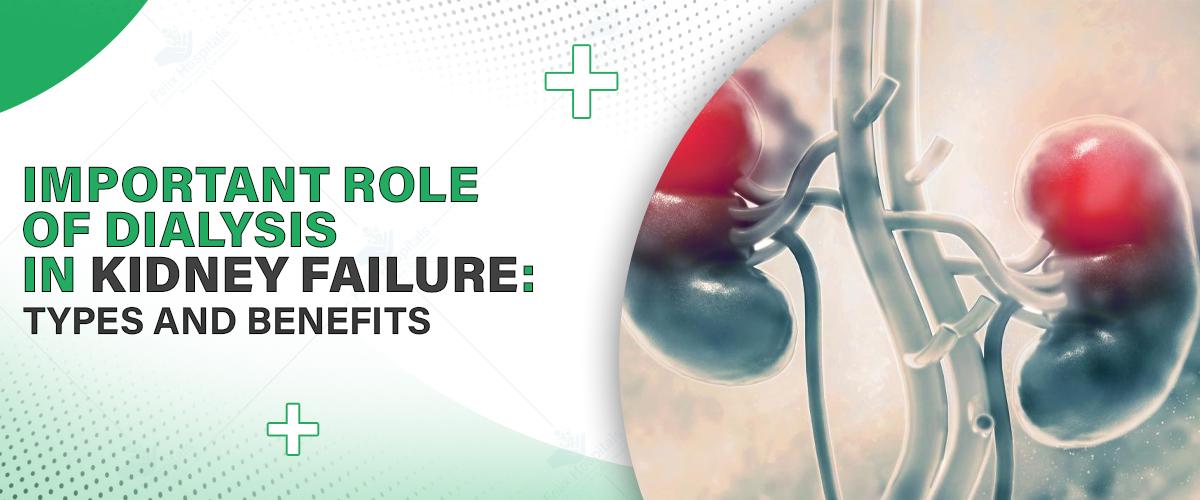
When the kidneys can't filter out waste and extra fluid from the blood anymore, the body starts to build up harmful toxins, which can lead to serious health problems. Dialysis becomes a life-saving treatment that takes over the important jobs that failing kidneys can't do. It helps get rid of waste and keeps electrolytes and blood pressure in check. Dialysis helps people with advanced kidney disease live a better life and do everyday things with less risk to their health.
There are different kinds of dialysis, each one made to meet the needs of different people and their health. Choosing the right type and knowing how it works are very important for treating kidney failure. In this blog post, we'll talk about how important dialysis is, the different types that are available at the best nephrology hospital in Noida, and all the ways it helps people with chronic kidney disease.
Are you ready to find out which kind of dialysis is best for you? Please call us right away at +91 9667064100.
Our kidneys filter blood, keep fluid and electrolyte levels stable, keep pH levels in check, and keep our metabolism stable. A glomerular filtration rate (GFR) below about 15 mL/min/1.73 m² means that the kidneys are not working as well. This can cause waste to build up, tiredness, too much fluid, and nausea. At this point, you need to start dialysis. It gets rid of waste and toxins, like urea and creatinine.
Keeps the right amount of fluid in the body to stop high blood pressure and swelling.
Keeps electrolytes (like potassium and sodium) in check to keep heart problems from happening.
Helps keep the body's metabolism in balance, which lowers the risk of needing to go to the hospital.
Dialysis for kidney failure makes the condition easier to deal with, and many people can still live active lives even though their kidneys don't work as well.
There are two main types of dialysis, each designed for a different medical need and patient preference.
How It Works: A dialyzer, which is like a "artificial kidney," pumps blood out of the body, cleans it, and then pumps it back in.
The normal schedule has three 3- to 5-hour sessions each week.
An arteriovenous fistula, a graft, or a catheter are all options for access. All of these are surgically implanted.
Very good at getting rid of trash.
Healthcare professionals are in charge of sessions.
Needs to go to the clinic and stick to the times that are set.
Access site care is very important for keeping infections at bay.
How it works: A sterile cleaning fluid fills the abdominal cavity, and waste moves through the peritoneal membrane before draining away.
Types:
Continuous Ambulatory Peritoneal Dialysis (CAPD): 4 to 5 times a day, people do the exchanges by hand.
Automated Peritoneal Dialysis (APD): The exchanges happen while the patient sleeps at night.
More freedom and flexibility; great for people who travel or like to stay at home.
Soft and steady, with few changes in blood pressure.
Maintaining cleanliness is crucial to prevent peritonitis.
Daily training and accountability are very important.
Dialysis is important for people with chronic kidney disease because it helps the kidneys work better and gives patients options. For example, some patients may need to switch between different types of dialysis or combine them over time as their health needs and lifestyles change.
Dialysis does more than just clean the blood; it makes life a lot better for people with kidney failure.
1. keeps life going.
Dialysis is necessary for people with end-stage kidney disease to stay alive. Without it, the buildup of toxins and fluids can lead to serious problems like heart failure, seizures, coma, and death.
2. It enhances your overall well-being.
Many people say that after starting dialysis, they feel less tired, their thoughts are clearer, they feel less nauseous, and their appetite improves. Restoring the balance of fluids also helps with breathing problems and swelling.
3. Makes it easier to change your diet and drink more fluids.
Dialysis gives you more freedom with how much fluid and electrolytes you can take in, but you still need to make changes to your diet. This means that your nutrition and appetite will get better.
4. Is dialysis good for your heart?
Dialysis helps control fluid levels, which helps keep blood pressure in check and puts less stress on the heart, lowering the risk of heart problems.
5. gives you options and lets you make things your own.
There are both hemodialysis and peritoneal dialysis options, so the treatment can be tailored to the patient's lifestyle, mobility, and personal preferences. This gives them control over their own care.
6. Helps with getting ready for a transplant
Dialysis keeps kidney transplant patients healthy enough to have major surgery and also helps their bodies get ready for a new organ.
Think about your health, lifestyle, and personal factors when choosing between dialysis options:
Needs for a lifestyle: Prefer treatment at home or in a clinic.
Medical status: Access to the right blood or the peritoneal cavity.
Home cleanliness, caregiver availability, and skill level are all parts of a support system.
Daily schedule: making sure it fits with school, work, travel, or social commitments.
An open conversation between the patient and their care team about the patient's medical condition, lifestyle, and long-term goals is the best way to figure out the best dialysis treatment for kidney disease.
Follow your treatment schedule exactly
Check your weight and how much fluid you drink on a regular basis.
Follow the rules for food and medicine.
Keep an eye on and clean the access or vascular sites.
Please tell us right away if you notice any strange symptoms.
Skip or put off sessions, even if you feel fine.
Don't pay attention to changes in your appetite, thirst, or swelling.
During peritoneal exchanges, don't follow hygiene rules.
Didn't go to follow-up visits or get lab tests.
Being actively involved in care makes sure that dialysis not only replaces lost kidney function but also improves overall health.
| Myth | Fact |
| Dialysis stops all kidney function loss | The native kidney may still function partially; dialysis complements, not cures |
| Home dialysis is unsafe | With proper training and hygiene, home dialysis can be very effective |
| Dialysis means no exercise | With proper training and hygiene, home dialysis can be very effective |
We invite you to schedule your personalized consultation today and embark on the journey toward a healthier, more empowered future.
Dialysis is necessary for treating kidney failure. Dialysis, whether done in a clinic or at home, restores important functions, makes life better, and lets people keep doing the things they enjoy. In addition to the procedure itself, being committed to making changes to your lifestyle, keeping up with hygiene, and following up are all very important for success.
Patients can live full lives, work toward their goals, and get healthier while waiting for transplants with targeted dialysis care. People with kidney failure can make a bad diagnosis into a better reality by staying informed, following the rules, and getting medical help.
Felix Hospital stands as the kidney failure hospital in noida, offering advanced nephrology care with expert doctors and state-of-the-art facilities for comprehensive kidney failure treatment in Noida.
Q1. Can I keep working while I'm on dialysis?
Ans: Yes, many people can work and get dialysis at the same time as long as their treatment schedule allows it and they feel well enough.
Q2. Will dialysis stop you from taking medications or supplements?
Ans: Some medicines can be stopped while you are on dialysis. Your care team will tell you the right doses and times to take them to make sure they work.
Q3. What happens to my travel plans if I'm on dialysis?
Ans: Many centers offer traveler dialysis through partner facilities. Planning ahead and making appointments are very important.
Q4. Is it possible to get pregnant while on dialysis?
Ans: It is possible to get pregnant while on dialysis, but it requires close monitoring and more frequent sessions to make sure both the mother and the baby are healthy.
Q5.What helps mental health while on dialysis?
Ans: Counseling, support groups, and regular exercise can help you feel better emotionally and stick to your treatment plan.
Find out the best methods to pass kidney stones quickly, ease pain, and protect your kidneys with proven home remedies and advanced treatment options.


Subscribe to our
© Copyright 2026. All Rights Reserved by Felix Healthcare Private Limited
Design and development by :


 +(91)9667064100
 Emergency : +(91)9667064100