 Emergency:
  WhatsApp

Subscribe to our
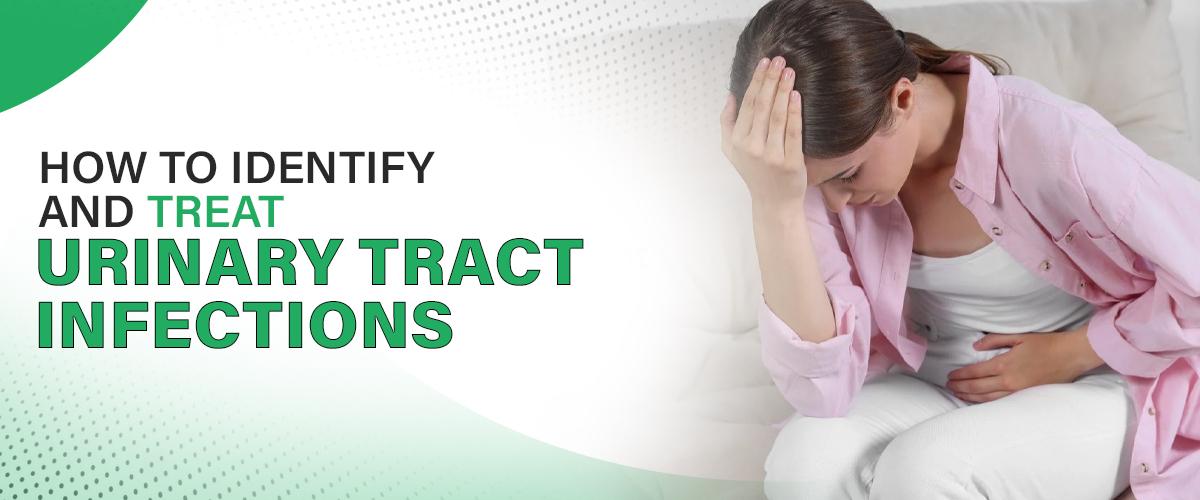
Urinary Tract Infections (UTIs) are among the most common bacterial infections that affect people of all ages, especially women. Though usually not life-threatening, untreated UTIs can lead to serious complications if the infection spreads to the kidneys. Timely diagnosis and proper treatment are essential. If you’re experiencing discomfort while urinating or frequent urges to go, it may be time to consult the experts at the best urology hospital in Greater Noida.
This blog will walk you through detecting symptoms of a UTI and treatment that you can use to recover fast and safely.
Take Charge of Your Urinary Health — Speak to a Specialist Now. Call us today on +91 9667064100.
A UTI is an infection occurring in any portion of the urinary tract — kidneys, ureters, bladder, or the urethra. Most infections occur in the lower urinary tract (bladder and urethra), but in severe cases, the infection can travel to the kidneys.
It is critical to detect UTI symptoms early in an effort to avoid complications. The symptoms differ depending on the infected organ, but the most frequent signs are:
A normal, intense need to urinate
A burning or painful sensation when urinating
Urination with cloudy, smelling urine
Frequent, small volumes of urination
Blood in the urine (hematuria)
Abdominal or pelvic pain or discomfort
Fever or chills (if kidney infection)
In the older adults, UTIs also lead to confusion or altered behavior, and it should not be neglected.
Some factors raise the risk of acquiring a urinary tract infection:
Women (because they have a shorter urethra)
Diabetic patients
People with kidney stones or urinary tract abnormalities
Catheter use
Men with enlarged prostates
People with an immunocompromised state
If you belong to any of these categories, it is important to get medical care from the best urologist in Greater Noida for early treatment.
Diagnosis for a UTI usually entails:
Urine analysis: To test for white blood cells, red blood cells, or bacteria.
Urine culture: Identifies the kind of bacteria causing the infection.
Imaging tests: Ultrasound or CT scan may be advised in the event of frequent infections.
Cystoscopy: For certain conditions, a small tube containing a camera is inserted inside to visually inspect the interior of the bladder and urethra.
Early and accurate diagnosis allows treatment sooner and stops the infection from extending to other sections of the urinary tract.
Treatment of UTIs is generally uncomplicated but should be individually adjusted to the severity of infection and the health of the patient. The most frequent methods are:
1. Antibiotic Treatment: The first-line treatment is with antibiotics. The duration and type of medication are based on the urine culture bacteria and on symptom severity.
2. Pain Relief: Pain medications available or urinary analgesics can be used to manage pain during urination.
3. Hydration: Consumption of massive amounts of fluid aids in the removal of bacteria from the urinary tract and facilitates healing at a faster rate.
4. Hospitalization in Severe Cases: In case infection is entering the kidneys or in case of an impaired immune system, hospitalization can be considered. Fluid and intravenous antibiotics are given for more controlled release.
5. Regulation of Primary Disorders: For patients of recurrent UTI, the cause like kidney stone, prostate hypertrophy, or urinary obstruction must be treated to prevent recurrence.
At the best hospital in Noida, patients are treated with personalized care combining drug, lifestyle guidance, and follow-up for complete recovery.
While all UTIs cannot be prevented, certain habits can reduce the risk:
Drink a lot of fluids
Urinate before and after sexual intercourse
Do not hold urine for too long
Wipe from front to back after using the toilet
Do not use harsh soaps or feminine hygiene products on the genital area
Use cotton-padded underwear and avoid tight clothing
A specialist can prescribe preventive antibiotics or further testing to determine why UTIs are happening if they happen regularly.
Don't Let a UTI Go Untreated — Book Your Consultation at the Best Hospital in Noida Today.
UTIs are highly curable if detected early, but neglecting symptoms may develop into severe medical conditions. This is your first UTI or your second time around, but consulting the proper healthcare expert ensures easy recovery. Trust the professionalism and care offered at the top hospital in Greater Noida for complete assessment, treatment, and counseling according to your need.
If you are showing any of the symptoms and signs of a UTI, don't wait—make an appointment today and start the journey to improved urinary function at an affordable cost in Greater Noida.
Felix Hospital offers advanced and reliable Urinary Tract Infection (UTI) treatment in Noida with expert urologists ensuring fast relief and complete recovery.
Q: Can stress or anxiety trigger urinary tract infections?
Ans: Although stress alone does not lead to UTIs, it does lower your immune system and make you susceptible to infections. Chronic stress can also shift your urination patterns, which could make you more susceptible to bacterial accumulation.
Q: Is it safe to delay treatment of UTI for a few days?
Ans: Delaying going to see a physician can let the infection travel to the kidneys, where it can cause serious complications. It is wise to consult a specialist at the onset of any symptoms.
Q: Can men also get UTIs, and what do symptoms vary from?
Ans: Men can also suffer from UTIs, particularly with prostate enlargement or with obstructions in the urine. Symptoms include slow urination, pain in the pelvic area, and occasionally discharge, and occur less frequently in females.
Q: Why do UTIs recur after treatment?
Ans: UTIs can recur due to inadequate treatment, resistance to medication, or an underlying cause such as kidney stones or anatomical issues. A specialist urologist at the top hospital in Noida can determine the underlying cause.
Q: Are there foods or drinks that can prevent UTIs?
Ans: Yes. Drinking unsweetened cranberry juice, drinking additional water, and staying away from caffeine and alcohol can help maintain urinary tract health and prevent recurrence.
Q: Does a UTI always result in painful urination?
Ans: No. Some people, particularly the elderly, may have asymptomatic or mild UTIs with atypical symptoms such as fatigue, confusion, or cloudy urine.
Q: Can hygiene be the only cause of UTIs?
Ans: Poor personal cleanliness is a component of the cause, but UTIs tend to happen due to internal reasons like hormonal imbalance, medical illness, or anatomical problems. Cleanliness may work but will never ensure prevention.

For instance, bladder cancer has a five-year survival rate of about 77% when diagnosed early, compared to just 5% in advanced stages. Early diagnosis directly correlates with improved outcomes and survival rates.
One of the best hospitals for urinary tract treatment in Noida offers comprehensive urology care, featuring expert urologists and advanced diagnostic and treatment facilities.

At Felix Hospitals, our team of best pediatricians in Noida specializes in diagnosing and treating UTIs in children with care and precision.

One of our leading specialists is Dr. Bhanwar All Barkesiya, a highly skilled urologist with extensive experience in diagnosing and treating prostate conditions.


Subscribe to our
© Copyright 2026. All Rights Reserved by Felix Healthcare Private Limited
Design and development by :


 +(91)9667064100
 Emergency : +(91)9667064100