 Emergency:
  WhatsApp



Subscribe to our
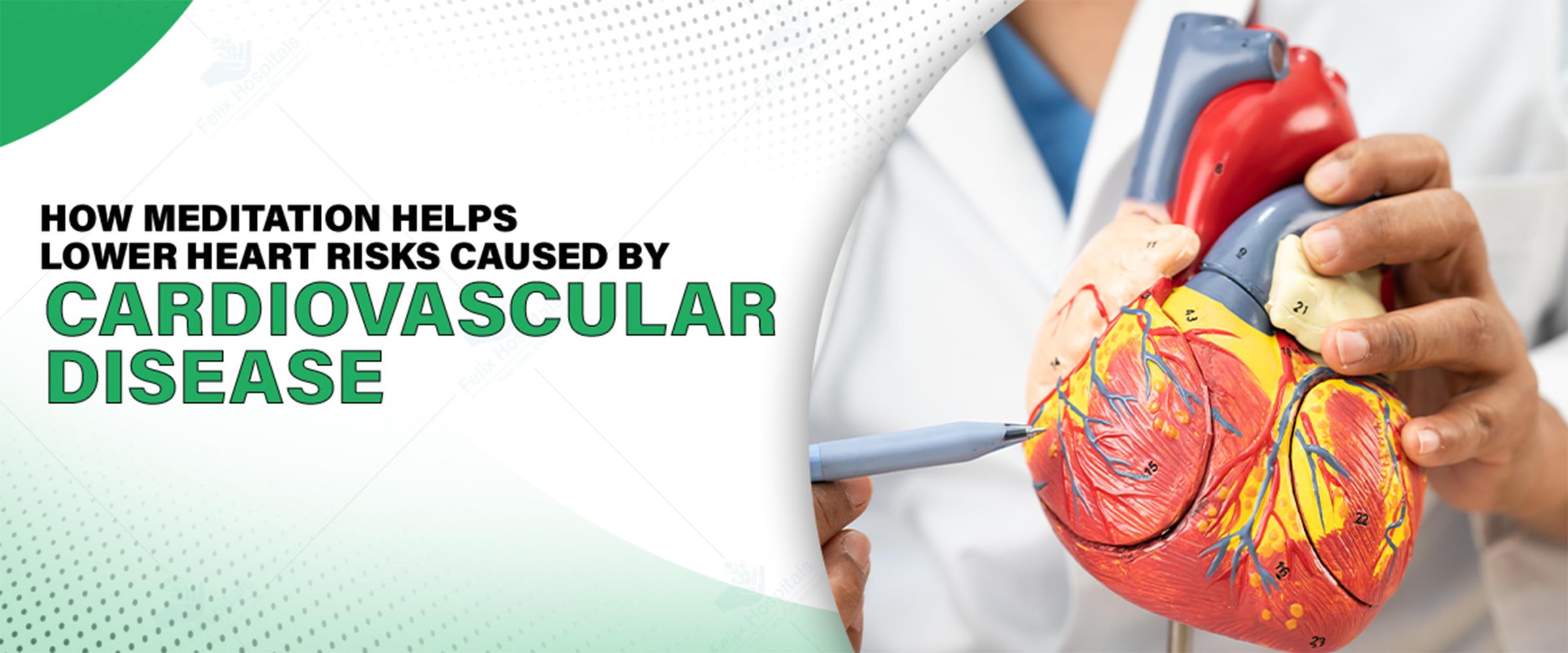
Cardiovascular disease (CVD) is among the biggest killers in the world, and its risk factors—high blood pressure, high levels of stress, and bad lifestyle choices—still plague millions. While medication, surgery, and diet will always be the mainstay of treatment, one of the most underused friends of the heart is meditation. According to the best heart hospital in Noida, increasing evidence is pointing to regular meditation as a major reducer of heart risk factors related to cardiovascular disease by addressing both physical and emotional causes of heart issues.
In this blog, we will discuss how meditation functions, its precise benefits for heart health, and the way you can simply include it in your everyday lifestyle.
Make meditation a part of your daily life and experience the difference in your stress levels, sleep, and energy. It's an effortless switch with strong heart benefits. Call us right now at +91 9667064100.
Meditation is more than a spiritual or cerebral practice—it has documented physiological consequences to the body. Consistently practiced, meditation will decrease blood pressure, inflammation, increase emotional regulation, and soothe the nervous system. All these alterations have positive effects on cardiovascular health.
The relationship between stress and cardiovascular disease is well established. Stress triggers the body's "fight or flight" mechanism, causing increased cortisol levels, an accelerated heart rate, and hypertension. These consequences over time can tax the cardiovascular system, causing heart attacks, arrhythmias, and strokes.
Meditation reverses this process by activating the parasympathetic nervous system—the body's "rest and digest" state—calming the body and decreasing the stress hormone cortisol. The cumulative effects can be significant for heart health with regular practice.
1. Lowers Blood Pressure
One of the best-known advantages of meditation is that it can lower blood pressure. High blood pressure is a leading cause of heart failure, strokes, and heart attacks. Meditation triggers a relaxation response, which causes dilation of the blood vessels and also decreases tension in the cardiovascular system, thereby naturally lowering blood pressure levels in the long run.
2. Lowers Stress and Anxiety
Mental and emotional stress have a direct impact on heart health by inducing inflammatory reactions, raising blood pressure, and inducing arrhythmias. Meditation is a drug-free, safe means of controlling stress. Mindfulness, deep breathing, and concentration are some techniques that calm the mind and lower sympathetic nervous system activity, ultimately contributing to a healthier heart.
3. Enhances Sleep Quality
Poor sleeping quality is associated with a range of heart problems, such as high blood pressure, abnormal heartbeat, and high cholesterol. As per the best cardiologist in Noida, meditation has been found to enhance the quality and amount of sleep by quietening the mind, curbing anxiety, and stimulating melatonin secretion—a crucial hormone responsible for sleep.
4. Regulates Heart Rate
Meditation techniques such as breath awareness and guided visualization commonly involve rhythmic, slow breathing. Rhythmic breathing assists in the reduction of resting heart rate and the improvement of heart rate variability (HRV), an influential indicator of heart resilience and adaptability to stress. Improved HRV is related to reduced cardiovascular risk.
5. Promotes Emotional Well-Being
Negative emotions like anger, hostility, and depression can heighten heart disease risks. Meditation promotes emotional awareness and positivity. With time, it reduces reactivity, enhances better coping skills, and improves mood, all contributing to decreased emotional load on the heart.
Though every type of meditation provides some benefit, some are especially beneficial for heart health:
Mindfulness Meditation
Emphasizes moment-to-moment awareness, reducing stress and emotional disturbance.
Loving-Kindness Meditation (Metta)
Fosters compassion, forgiveness, and openness of heart, and reduces hostility and tension.
Guided Meditation
Employing audio or visual guidance to lead the mind toward relaxation and heart-friendliness.
Breathwork and Pranayama
Concentrated breathing exercises enhance oxygen supply, decrease heart rate, and stabilize blood pressure.
Body Scan Meditation
Encourages body awareness and deep relaxation, which aids circulatory well-being.
Various research studies and clinical trials have established the heart benefits of meditation:
A study conducted at AIIMS found that practicing Sudarshan Kriya Yoga, a type of rhythmic breathing-based meditation, significantly reduced systolic and diastolic blood pressure in patients with hypertension. The researchers noted improvement in heart rate variability and reduced stress levels in participants who practiced it regularly.
This research highlighted the role of yogic meditation and pranayama in reducing cardiovascular risk factors. The study concluded that 12 weeks of regular practice led to improved lipid profiles, reduced anxiety, and lower pulse rates in patients with mild to moderate hypertension.
A number of peer-reviewed studies from SVYASA have demonstrated that integrated yoga and meditation programs can lead to significant reduction in blood pressure, improved sleep quality, and lower levels of inflammatory markers in cardiac patients.
Researchers at PGIMER observed that patients with coronary artery disease who engaged in mindfulness-based stress reduction (MBSR) and yogic practices experienced fewer angina episodes, decreased anxiety, and improved overall cardiovascular fitness over 3 months.
There's no need for special equipment or marathon study sessions to start a meditation practice. These are easy steps to get started:
Find a Peaceful Place: Pick a peaceful and cozy spot where you will not be interrupted.
Set a Timer: Start with only 5–10 minutes a day and increase as you become more relaxed.
Bring Your Attention to Your Breath: Inhale slowly through the nose and out through the mouth. Attend to each exhale and inhale.
Use Guided Apps: Plenty of free and paid apps provide guided meditations aimed directly at reducing stress and improving heart health.
Be Consistent: Daily practice of meditation is the most effective. Even a few minutes a day can pay dividends in the long run.
Heart health isn't about pills and procedures—it's also about tending to the mind and soothing the body. Meditation is a natural, simple, and powerful method for lowering the risks of cardiovascular disease. Regular practice can help lower blood pressure, enhance emotional strength, and ease the load on the heart.
Adding meditation to a heart-healthy life is a choice that yields immediate tranquility along with long-term rewards. If you want to support heart health holistically, initiating a practice of meditation could be the most significant step you ever take.
Q1. Can meditation truly benefit me if I already have a heart condition, or is it only for prevention?
Ans: Yes, meditation is helpful even for individuals with current heart conditions, as it can decrease stress, lower blood pressure, and enhance heart rate variability. It's not only preventive—it also aids in recovery and continued heart health.
Q2. How long before benefits for the heart can be seen through meditation?
Ans: Although relaxation is immediate and can occur following a single session, benefits to heart health, such as reduced blood pressure and improved emotional regulation, usually emerge with regular practice over 6–8 weeks.
Q3. Is there an optimal time of day to meditate for heart benefits?
Ans: Morning meditation stabilizes stress levels throughout the day, yet evening meditation sessions are perfect for better sleep. The most important thing is consistency, not the timing.
Q4. Are guided meditation apps as good as in-person classes for heart health?
Ans: Yes, app-based meditation is helpful for many individuals. As long as the exercise relaxes you, allows for deep breathing, and requires mindfulness, it will enhance your cardiovascular system.
Q5. Do I need to stop my heart medication if I become a regular meditator?
Ans: No. Meditation is a complementary therapy, not a substitute. Always keep your prescribed medications and consult your healthcare provider before making any changes.
Q6. What type of meditation should I begin with if I have anxiety concerning heart problems?
Ans: Mindfulness and breath-centered meditation are kind and successful. These methods facilitate managing anxiety without setting off overwhelming emotions, which makes them heart-friendly and beginner-safe.
Q7. I have trouble sitting still—can movement meditation, such as yogahelp my heart too?
Ans: Yes. Moving meditations, such as yoga, are wonderful for enhancing circulation, reducing stress, and strengthening heart health, particularly if regular meditation is challenging.

Smoking is incredibly damaging to the cardiovascular system. It immediately raises your heart rate and blood pressure, forcing your heart to work harder. This overexertion increases your risk of heart disease.

Your gut and brain share a strong link that impacts your mood, stress levels, and overall health. Learn how maintaining gut health can improve your mental well-being.


Subscribe to our
© Copyright 2026. All Rights Reserved by Felix Healthcare Private Limited
Design and development by :


 +(91)9667064100
 Emergency : +(91)9667064100