 Emergency:
  WhatsApp

Subscribe to our

Pregnancy is a delicate phase in a woman’s life where even mild infections can have serious consequences if ignored. Among these, hepatitis in pregnancy is a condition that requires timely diagnosis and carefully planned treatment. Hepatitis refers to inflammation of the liver and is most commonly caused by viral infections. During pregnancy, the liver already works harder to support both mother and baby, making it more vulnerable to infection-related stress.
In India, and particularly in urban regions like Noida, hepatitis in pregnancy is increasingly being diagnosed due to better screening practices.
However, lack of awareness still leads to delayed treatment, increasing risks for both maternal health and fetal development. Understanding hepatitis, its causes, symptoms, risks, and available treatment options is essential for ensuring a safe pregnancy outcome.
For expert evaluation and safe management of hepatitis in pregnancy, call +91 9667064100 today.
Hepatitis is a liver infection during pregnancy that can impair the liver’s ability to detoxify blood, process nutrients, and support normal metabolic functions. When the liver becomes inflamed, toxins can accumulate in the body, affecting overall health.
Pregnancy-related hormonal changes may worsen liver inflammation, especially in the second and third trimesters. In severe cases, hepatitis can progress rapidly, leading to liver failure, bleeding disorders, or premature delivery. This is why hepatitis during pregnancy requires close medical supervision.
Understanding which types of hepatitis are dangerous in pregnancy helps determine the level of risk and urgency of treatment:
Hepatitis A: Usually caused by contaminated food or water. It is generally self-limiting but can cause dehydration and weakness.
Hepatitis B: A major concern due to the risk of transmission from mother to baby during childbirth.
Hepatitis C: Often asymptomatic but requires monitoring due to possible long-term liver damage.
Hepatitis E: The most dangerous form in pregnancy, especially in the third trimester, with a high risk of liver failure and maternal mortality.
Each type requires a different management strategy to protect both mother and fetus.
The causes of hepatitis in pregnancy vary based on viral exposure and environmental factors. Common causes include:
Consumption of contaminated food or water
Blood transfusions without proper screening
Unsafe injections or medical procedures
Unprotected sexual contact
Existing hepatitis infection before conception
Poor sanitation, overcrowding, and lack of vaccination increase the likelihood of infection, particularly for Hepatitis A and E.
Identifying the symptoms of hepatitis in pregnant women early can prevent complications. Symptoms may appear suddenly or develop gradually and often resemble common pregnancy complaints, such as:
Persistent nausea and vomiting beyond early pregnancy
Extreme fatigue and weakness
Yellowing of the skin and eyes (jaundice)
Dark-colored urine and pale stools
Upper right abdominal pain
Loss of appetite and unexplained weight loss
Because these symptoms can overlap with pregnancy-related discomforts, they should never be ignored without medical evaluation.
Hepatitis during pregnancy risks include severe dehydration, nutritional deficiencies, clotting disorders, and liver dysfunction. Hepatitis E, in particular, has been associated with acute liver failure in pregnant women.
Advanced liver involvement can also increase the risk of excessive bleeding during delivery, infections, and prolonged recovery after childbirth. Early intervention significantly reduces these risks.
A frequent concern among expectant mothers is, can hepatitis affect my baby during pregnancy? The answer depends on the type of hepatitis and the stage at which it is diagnosed.
Hepatitis B and C may be transmitted to the baby during childbirth, while Hepatitis E increases the risk of premature birth, low birth weight, and fetal distress. With proper treatment and monitoring, the chances of transmission and complications can be significantly reduced.
Early diagnosis of pregnancy and hepatitis infection involves routine blood tests to check liver enzyme levels and identify the specific virus. Additional tests may include:
Viral load testing
Ultrasound imaging of the liver
Coagulation profile to assess bleeding risk
Regular antenatal screening allows doctors to detect hepatitis even before symptoms appear, improving treatment outcomes.
Many women worry about medication safety and ask, how is hepatitis treated safely in pregnancy? Treatment focuses on controlling symptoms, preventing complications, and reducing transmission risk.
Management may include:
Adequate hydration and nutritional support
Safe antiviral therapy when indicated
Close monitoring of liver function
Hospital care in severe cases
Doctors carefully select medications that are proven to be safe during pregnancy, avoiding any drugs that may affect fetal development.
Preventing hepatitis in pregnancy is possible with proactive care and lifestyle precautions. Recommended preventive measures include:
Hepatitis A and B vaccination before or early in pregnancy
Drinking clean, boiled, or filtered water
Avoiding street food and unhygienic meals
Practicing safe sexual habits
Regular antenatal check-ups and blood tests
Prevention plays a crucial role, especially for women planning pregnancy.
Managing hepatitis requires coordinated care from obstetricians, physicians, and liver specialists. Choosing a well-equipped Gastritis hospital in Noida—sorry—pregnancy care hospital for hepatitis treatment in Noida ensures access to advanced diagnostics, fetal monitoring, and emergency support if required.
Experienced specialists help tailor treatment plans that protect both mother and baby throughout pregnancy and delivery.
To consult the best gynecologist for hepatitis in pregnancy in Noida, call +91 9667064100 now.
Hepatitis during pregnancy is a serious medical condition, but with early diagnosis and expert care, it is highly manageable. Understanding the symptoms, knowing the risks, and following preventive strategies can significantly improve outcomes for both mother and child. With guidance from the best gynecologist for hepatitis in pregnancy in Noida, timely access to specialized hepatitis treatment ensures safe pregnancy progression and a healthy delivery.
Expectant mothers should never ignore persistent symptoms or abnormal test results. Prompt medical attention is the key to protecting two lives at once.
FAQs
Q. 1. Is hepatitis dangerous in all pregnancies?
Ans. Not always, but certain types like Hepatitis E and untreated Hepatitis B can be life-threatening without medical care.
Q. 2. Can hepatitis be detected early during pregnancy?
Ans. Yes, routine antenatal blood tests can identify hepatitis even before symptoms develop.
Q. 3. Will my baby need treatment after birth?
Ans. In some cases, newborns receive preventive medication or vaccination immediately after delivery.
Q. 4. Can hepatitis delay delivery or cause complications?
Ans. Severe cases may increase the risk of premature birth or delivery-related complications.
Q. 5. Is recovery possible after pregnancy?
Ans. Yes, with proper follow-up care, most women recover well after childbirth.

Hepatitis in pregnancy in Noida is managed to protect both mother and baby with safe prevention and treatment.
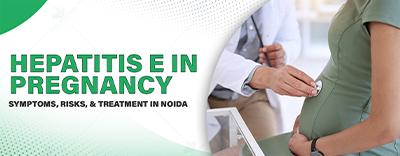
Hepatitis E symptoms, risks, and treatment during pregnancy explained

Fatigue, nausea, jaundice, and abdominal pain are common Hepatitis C symptoms in women.


Subscribe to our
© Copyright 2026. All Rights Reserved by Felix Healthcare Private Limited
Design and development by :


 +(91)9667064100
 Emergency : +(91)9667064100