 Emergency:
  WhatsApp

Subscribe to our
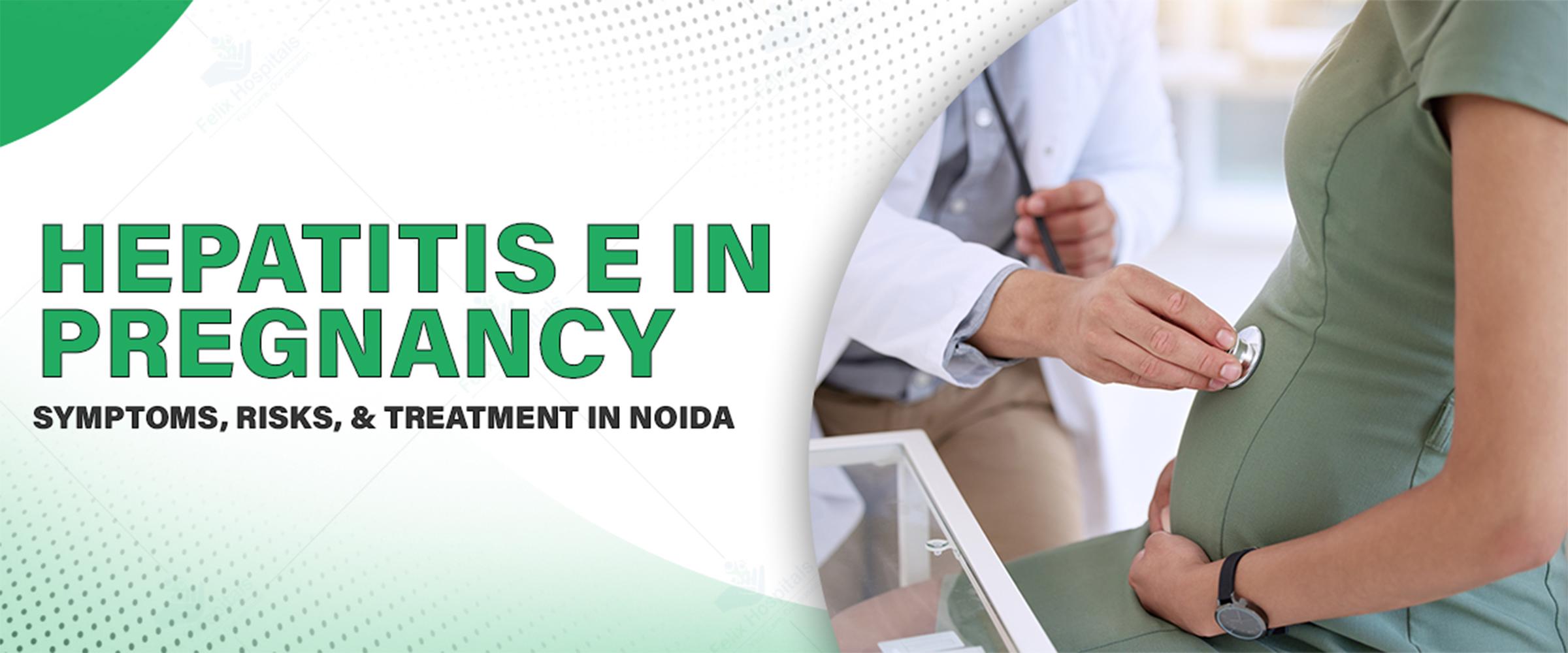
Pregnancy is a vulnerable and transformative period in the life of a woman — when her own body is exposed to drastic changes for nourishing the growth of the baby. But this is also the period when it becomes more prone to infection, and in particular, liver-related infections. Hepatitis E is one such preventable and serious condition that is a viral infection and may result in serious health implications for the mother and the unborn baby.
In regions such as India, in which Hepatitis E is highly prevalent and water and sanitation is compromised, awareness and preventive medical care in early pregnancy is essential for pregnant women. Receipt of timely care in the Best hospital for Hepatitis E in pregnancy in Noida greatly improves the chances of safe recovery and safe mother and fetal outcomes.
In the unlikely event that you start experiencing symptoms of liver discomfort or weakness when you're pregnant. Contact us now on +91 9667064100.
Hepatitis E is an infection of the liver caused by Hepatitis E virus (HEV). Hepatitis E mainly propagates through fecal-oral transmission, that is, it is transferred through ingestion of virus contaminated feces in water and in food.
Though Hepatitis E in otherwise healthy individuals normally clears up in its own right, infection in pregnancy could be quite more severe. Pregnant women, and in particular, third and second trimester pregnant women, have more likelihood of developing serious liver inflammation, jaundice, and even acute liver failure.
Also, the disease is prevalent in developing countries, such as parts of India, with high prevalence levels of waterborne infection. Information on Hepatitis E treatment for pregnant mothers and symptoms in its early phase will prevent life-threatening complications.
The symptoms of Hepatitis E are similar to other viral hepatitis, but their appearance usually occurs 2 to 6 weeks following exposure. They may in pregnant individuals, however, be more severe and fast-progressing.
Common symptoms are:
Fatigueneuss and weakness
Nausea and vomiting
Loss of appetite
Low-grade fever
Pain in the right side, or near the liver, in the belly
Dark yellow urine
Pale or clay-colored stools
Discoloration of skin and eyes (jaundice)
Itchy skin and scattered rashes
Foot and abdominal swelling in extreme conditions
Because these symptoms could mimic typical pregnancy-related weakness or morning sickness, they could be disregarded by numerous ladies. Any non-resolving jaundice or abnormal lethargy, however, requires immediate consultation with Hepatitis E in pregnancy Treatment specialist in Noida.
The primary cause of Hepatitis E is the consumption of contaminated water or food. Poor hygiene, leakage of sewages, and improper disposal of human faces are common culprits.
Other possible transmission techniques are:
Consuming undercooked meat (particularly pork or game)
Blood transfusion (rare but may occur)
Vertical transmission — from mother who is infected to newborn during birth
Because casual contact does not transmit the virus, Hepatitis E is not transferred by coughing, sneezing, or from sharing eating utensils. But in pregnant women, infection effects may prove more dangerous due to differences in hormone and immune levels.
Liver acts to filter harmful toxins and manufacture necessary nutrients. During pregnancy, the liver is working more actively in order to process the extra hormones and nourish the growing fetus. When Hepatitis E virus infects the liver, it could disrupt its functioning and cause acute liver failure.
Principal reasons for higher risk are:
Reduced immunity: Pregnancy naturally suppresses the immune system to protect the fetus, making viral infections more aggressive.
Hormonal alterations: Rise in estrogen and progesterone may shift liver metabolism and exacerbate inflammation.
Malnutrition: Pregnant mothers from the developing nations could end up with low antioxidants and levels of vitamins that safeguard the liver.
From various Indian clinical case studies, it has been observed that Hepatitis E in expectant mothers has added risk of death (up to 20–25%), more specifically in the third trimester.
Complications from Hepatitis E infection in pregnancy may prove deadly for both the mother and child.
Possible complications include:
Acute liver failure (fulminant hepatitis)
Severe coagulopathy and jaundice (t
Preterm birth or stillbirth
Fetal distress or low weight at birth
Vertical transmission leading to neonatal hepatitis E infection
Maternal mortality (in extreme, untreatable states)
Your admission immediately to the designated Hepatitis E treatment center in Noida is critical if you begin experiencing symptoms like jaundice, confusion, or debilitating abdominal pain.
Timely treatment and less risk result from correct diagnosis. Your doctor may refer you for the following tests:
Liver function tests (LFTs): For measuring enzyme levels that suggest liver injury.
Serology test (IgM anti-HEV): Positive for confirming recent Hepatitis E virus exposure.
Ultrasound: To assess liver size, hardness, and complications such as fluid accumulation.
Complete blood count (CBC): To estimate infection severity and level of immunity.
Early detection is essential since the symptoms may rapidly worsen in expectant women.
No antiviral agent exists for treatment of Hepatitis E. Treatment is primarily symptomatic, with augmentation of liver function, and prevention and treatment of complications.
Rest appropriately and liquids
Well-proportionate nutrition with low-residue foods
Giving up fried, oily, and packaged foods
Monitoring liver function regularly
Pregnant hepatitis E patients should be monitored closely in the hospital to prevent sudden liver failure or untimely labor.
Doctors will write:
Vitamin pills (particularly B-group and folic acid)
Intravenous fluids to avoid dehydration
Pain and nausea control medicine.
Steroid or anti-inflammatory treatment (in certain, closely monitored extreme cases)
Consultation with a liver specialist or obstetrician experienced in managing high-risk pregnancies ensures safe outcomes.
Various pregnant mothers look for natural ways of supporting recovery alongside medical treatment. While natural treatment is never replacing professional treatment, certain daily regimen and dietary practices do support building up the liver.
Secure home practices include:
Having boiled or filtered water only
Eating fresh fruit such as papaya, apples, and pomegranate for antioxidant.
Adding turmeric (haldi) and amola for herbal support for the liver
Having sufficient sleep and avoiding stress
Self-medication or use of herbal remedy except on medical advice
In case you notice an infection, do not wait and avoid seeking professional care — consult a Hepatitis E in pregnancy Treatment specialist in Noida for the correct counsel.
Since there is no widely available Hepatitis E vaccine in India, prevention is the best form of defense through cleanliness and sanitation.
Chief preventive recommendations:
Use only boiled, RO, or packaged water
Avoid raw or uncooked foods
Rinse fruit and vegetables before consuming them
Practice personal cleanliness (bath/shower daily, wash hands before eating and after going to the bathroom)
Do not dine at roadside stalls when pregnant
Ensure safe waste disposal and clean environment
Adhering to these routines is extremely efficient in minimizing infection risks in pregnancy.
Prompt care is not only good for your health, it ensures your baby's safe arrival too. Book your visit today by clicking here.
Hepatitis E is both preventable and potentially life-threatening in pregnancy. With adequate treatment, water intake, medical care, and preventive therapy, the majority of mothers make full recovery and safely give birth to their babies.
In case you start experiencing symptoms like jaundice, lethargy, or vomiting, do not neglect them — treatment in its preliminary phases is able to preserve life. Visit the Best Hepatitis E hospital in pregnancy in Noida for state-of-the-art diagnostic support and experienced care from highly qualified hematologists and pregnancy specialists.
For subsequent management, consultation, or follow-up following recovery, contact Hepatitis E in pregnancy Treatment specialist in Noida who will safely and effectively navigate you through each recovery process.
Q.1. Can Hepatitis E infect my baby during pregnancy?
Ans. Yes. Hepatitis E can be transmitted from the mother to the neonate during parturition and may cause neonatal infection or premature birth. Therapy during its early stage and hospital follow-up reduce such a possibility.
Q. 2. How long does Hepatitis E recovery take when you're pregnant?
Ans. The majority of the women will heal in 4–6 weeks with adequate fluid, nutrition, and bed rest. Severer symptoms may merit hospital admission for several weeks in close observation.
Q. 3. Are There Specific Indian Diets for Recovery from the Liver?
Ans. Yes. Easily digested foods like moong dal khichdi, vegetable soup, papaya, apple, and coconut water could revive vitality and liver recovery. Fatty or pungent foods should be avoided.
Q. 4. Can Hepatitis E in pregnancy be prevented with vaccination?
Ans. Currently, in India, none of the popular vaccines is available for Hepatitis E. Prevention relies on cleanliness and drinking safe water.
Q. 5. Is yoga or gentle exercise helpful in recovery?
Ans. Gentle stretches during pregnancy or yoga (with doctor approval) may increase circulation and ease strain, but at this acute phase, rest is necessary.
Q. 6. Is Hepatitis E infectious to near relatives?
Ans. No, it won't. It is transferred through contaminated water or food, and not through touching or in the air. Still, have all members in the house exercise strict cleanliness and avoid ordinary water sources.
Q. 7. When should warning signs receive immediate medical attention?
Ans. Jaundice, vomiting, abdominal pain, oedema, confusion, or low urine output are red flags. Rush to the Best hospital for Hepatitis E in pregnancy in Noida now.
Learn essential newborn care tips to ensure your baby’s health and comfort. A complete guide for parents in Noida.

Discover 11 expert tips to prepare for labour and delivery.
Know the common gynecological problems and the best tips to choose a trusted gynecologist in Noida

Women should see a gynecologist yearly after puberty for health check-ups.


Subscribe to our
© Copyright 2026. All Rights Reserved by Felix Healthcare Private Limited
Design and development by :


 +(91)9667064100
 Emergency : +(91)9667064100