 Emergency:
  WhatsApp



Subscribe to our
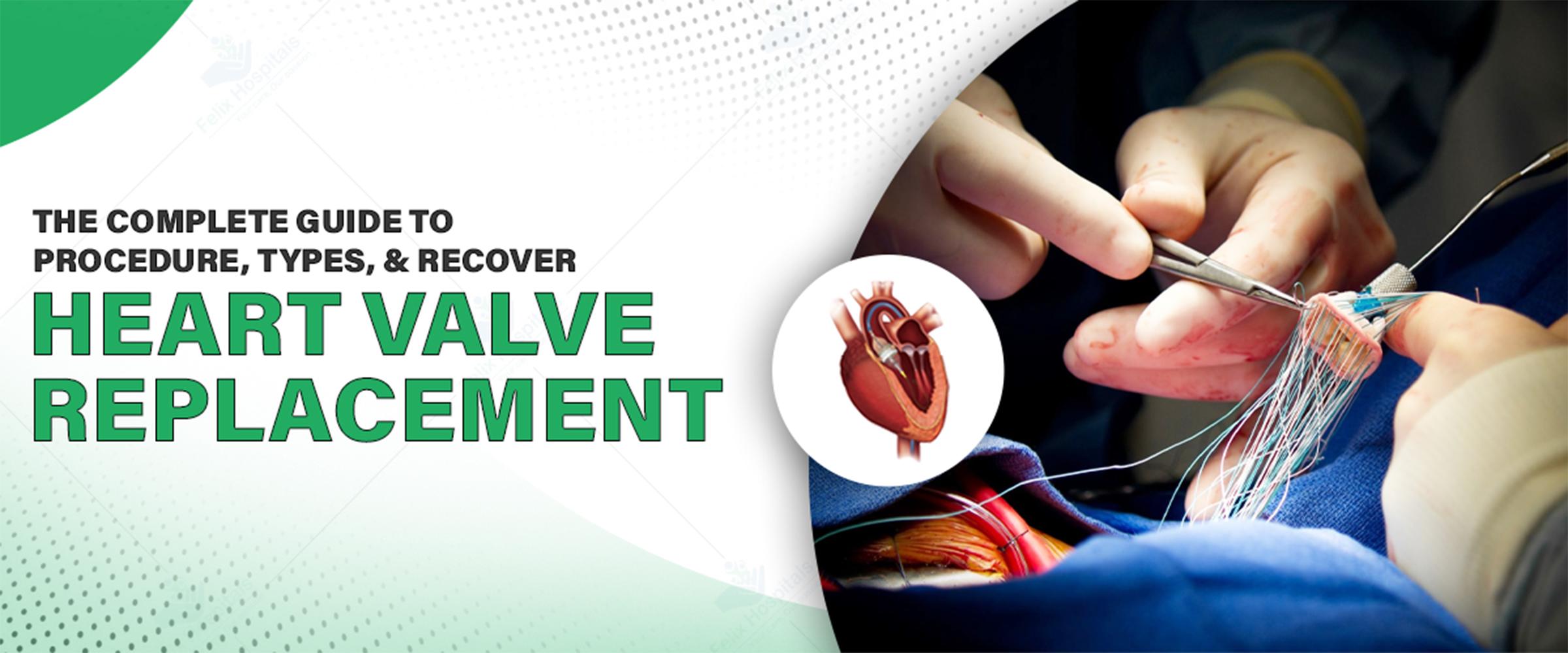
Heart valve replacement is a lifesaving operation that replaces faulty or diseased heart valves with mechanical or biological substitutes. In cases when repair is impossible, valve replacement becomes necessary to reestablish normal heart function, reduce symptoms, and enormously improve the quality of life in a patient. Thanks to advances in medical technology, numerous surgical techniques and valve types are now at hand, with high success rates and better outcomes for patients.
Are you asking for the price of heart valve replacement or looking for a second opinion? Contact us now at +91 9667064100.
Heart valve replacement involves the removal of a defective heart valve and the insertion of a prosthetic valve. Your heart contains four valves—aortic, mitral, tricuspid, and pulmonary—each responsible for maintaining normal blood flow. If one of these valves narrows (stenosis), becomes leaky (regurgitation), or is malformed, normal circulation of the blood through the heart and to the rest of the body can be impaired, causing fatigue, shortness of breath, chest pain, or even heart failure.
According to the best cardiology hospital in Noida, if medications and valve repair do not control the condition, then valve replacement is the most effective remedy.
Biological valves are made of animal tissues like:
Bovine (cow)
Porcine (pig)
Human donor tissue (homografts)
Biological valves can have some synthetic parts to provide support and facilitate implantation. These valves are normally suggested for elderly people and individuals who would prefer not to be on long-term blood-thinning drugs.
Less need for lifelong anticoagulants
Typically quieter in function
May wear out within 10 to 20 years
Mechanical valves are constructed of long-lasting materials such as carbon and titanium. They are expected to last a lifetime and are usually advised for younger patients.
Extremely durable
No future replacement needed
Needs lifelong anticoagulant use (e.g., warfarin)
Can cause a clicking sensation during function
There are many reasons why valve choice is dependent upon several factors:
Age: Younger patients (less than 50 for aortic valve, less than 65 for mitral valve) typically get mechanical valves.
Lifestyle: An active person might get more benefit from mechanical valves because of their durability.
Risk of bleeding: Bleeding disorders or inability to be on blood thinners are two reasons why biological valves are more appropriate.
Valve location: Whether the involved valve is aortic, mitral, etc., also has a role to play.
Depending on your risk profile and condition, the best cardiologist in Noida can select from the following surgical methods:
1. Open-Heart Surgery
This classic technique requires a large incision in the breastbone to reach the heart. This technique is ideal for patients who require multiple operations or those who have serious valve complications.
2. Minimally Invasive Surgery
Smaller incisions in the chest result in faster recovery, less pain, and fewer chances of infection.
3. Transcatheter Aortic Valve Replacement (TAVR)
This procedure is ideal for patients who have severe aortic stenosis and are at a high or intermediate surgical risk. In this procedure, a catheter (often inserted via the groin) is used to place a new valve within the diseased one.
4. Ross Procedure
This intricate process is usually applied to young patients with aortic valve disease. The procedure replaces the aortic valve with the patient's pulmonary valve and subsequently employs a donor valve to replace the pulmonary valve.
You might need valve replacement if you have:
Aortic stenosis or regurgitation
Mitral valve prolapse or stenosis
Tricuspid or pulmonary valve disorder
Congenital heart valve deformities
Heart valve infection (endocarditis)
Before surgery, your doctor may recommend:
Chest X-ray and ECG to assess heart function
Fasting the night before surgery
Medication adjustments as per your condition
Packing comfortable clothes and easy-to-wear footwear
The incision site will be cleaned and shaved before the operation.
The surgery typically takes 2 to 5 hours, depending on the type of replacement:
You’ll be given general anesthesia
For open-heart surgery, a 6–8 inch incision is made
For minimally invasive or TAVR, tiny cuts are made
A heart-lung machine is used temporarily to perform heart functions
The surgeon takes out the defective valve and puts in a new one
Post-Surgery Recovery and Hospital Stay
Initial monitoring occurs in the ICU.
Hospital stay is 5 to 7 days on average.
You might be put on blood thinners (particularly with mechanical valves).
You will start walking and eating slowly.
Cardiac rehabilitation can be suggested upon discharge.
Weeks 1–3: You’ll experience fatigue and need help with daily tasks
Week 4 onwards: Gradual return to normal activities
Driving and lifting restrictions: No driving or heavy lifting (over 10 lbs) for 6 to 8 weeks.
As with any surgery, valve replacement carries certain risks:
Infection
Bleeding
Stroke
Arrhythmias (irregular heartbeat)
Kidney dysfunction
Minimally invasive techniques often reduce these risks significantly.
Success rates are promising, especially with advancements in surgical techniques:
TAVR procedures indicate a success rate of more than 90%.
Life expectancy is from 6 to 20 years after surgery, according to age, overall health, and the type of valve.
The cost of heart valve replacement in Noida depends on several factors:
Type of procedure (TAVR, open surgery, etc.)
Type of valve implanted (biological vs. mechanical)
Length of hospital stay and ICU treatment
Additional medications and post-operative care
The average cost in Noida would be between ₹2.5 lakhs and ₹10 lakhs based on the institution and the complexity of the case. It is best to inquire with the nearest top cardiology hospital for a specific quote.
Don't delay seeking help for your heart. Book your consultation today and take that confident step toward a better life. Call us at +91 9667064100.
Heart valve replacement is a safe and effective treatment for severe valve disease. Whether you need a mechanical valve or a biological valve, advanced surgical techniques guarantee safe surgery with excellent long-term outcomes. Talk to an experienced cardiology expert in the top-rated hospital close to you. Take the Next Step toward a Healthier Heart. Consult the best cardiology expert in Noida closest to you to discuss your treatment possibilities. Don't dismiss symptoms—taking action early can save your life.
Q1. Will I be able to lead a normal life following heart valve replacement?
Ans: Yes, most individuals resume normal activities in weeks to months after surgery, provided they adhere to good follow-up and cardiac rehabilitation.
Q2. How frequently will I have to go for checkups following valve replacement?
Follow-up checkups are generally necessary every 6 to 12 months, depending on the valve type and your status.
Q3. Can I travel after valve replacement surgery?
Ans: Yes, once your doctor says you've recovered, travelling is safe. Take your medical history and any medication along.
Q 4. Is heart valve replacement covered under health insurance in India?
Ans: Most insurance policies cover organ valve replacement. Always check with your insurance company.
Q5. What should I not eat after surgery?
Ans: If you are on blood thinners, do not eat foods that are rich in vitamin K, such as spinach and broccoli. Obey your cardiologist's dietary program.
Q6. Can I exercise following heart valve surgery?
Ans: Yes, gentle exercise is recommended after the recovery. Cardiac rehabilitation programs offer special activities for your health status.
Q7. Is heart valve replacement permanent?
Ans: Mechanical valves can last a lifetime but may require lifelong medication. Tissue valves typically last 10–20 years and may need replacement over time.

Best heart hospital in Noida for bypass surgery at affordable prices with expert cardiac surgeons, advanced facilities, and quality patient care for better recovery.

Over time, this restricted blood flow can lead to serious issues like coronary artery disease, heart attack, or heart failure.


Subscribe to our
© Copyright 2026. All Rights Reserved by Felix Healthcare Private Limited
Design and development by :


 +(91)9667064100
 Emergency : +(91)9667064100