 Emergency:
  WhatsApp



Subscribe to our
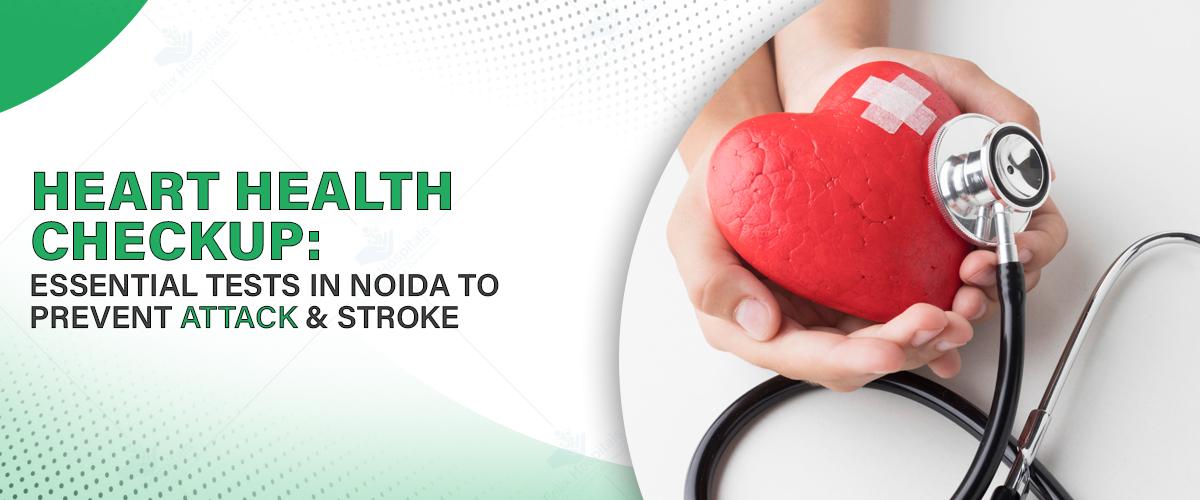
Heart disease does not make its entry with a loud noise. One day you're absolutely fine, and the next not, that's precisely why preventive cardiac screening has become so crucial, particularly among the people of fast-moving cities. Majority of heart attacks and strokes can be prevented if at all we could detect the warning signs in advance. That's why heart screening tests in Noida are important. These are not routine medical tests, these are your first line of defense against cardiovascular emergencies that can alter the course of your life within a matter of seconds.
The lifestyle nowadays, dayslong working hours, traffic, pollution, fast food all these can silently raise your risk for heart issues. But the good part is that with the proper heart health screening tests at the best cardiology hospital in Noida, you can be one step ahead of issues in the future before they get serious.
Don’t wait for warning signs — take charge of your heart health now. Call +91 9667064100 to schedule your tests.
Heart ailment, conversely, sneaks up on you gradually over months or years. By the time you do realize something like chest pain, shortness of breath, unexplained fatigue the damage is already done. That's why preventive cardiac screening has been so revolutionary in contemporary medicine.
A lipid profile is the most prevalent of all heart test screens, and it's for a good reason. It's a simple blood test that informs you of how much of various types of cholesterol and triglycerides circulate in your blood. Modern lipid testing even takes into account particle size and ratios of different types of cholesterol. Too much of the bad LDL cholesterol will lead to plaque formation in your arteries, and too little good HDL cholesterol means your body's not working properly to remove toxins. For people whose food consumption is high and the eating pattern is irregular due to working hours, this heart health screening tests is in greater demand. The test should be conducted every 3-5 years in healthy people, but more frequently if you have risk factors.
High blood pressure earned the nickname "the Silent Threat" since it does not usually create noticeable signs until it is already causing damage. It is not simply a quick test in the physician's office, but it is about understanding trend and pattern over time.
What complicates blood pressure is that it can fluctuate during the day depending on how stressed you are, how active you've been, how much caffeine you've consumed, and even the time of day. For this reason, numerous physicians now suggest 24-hour ambulatory blood pressure monitoring or monitoring at home on a regular basis for a better understanding.
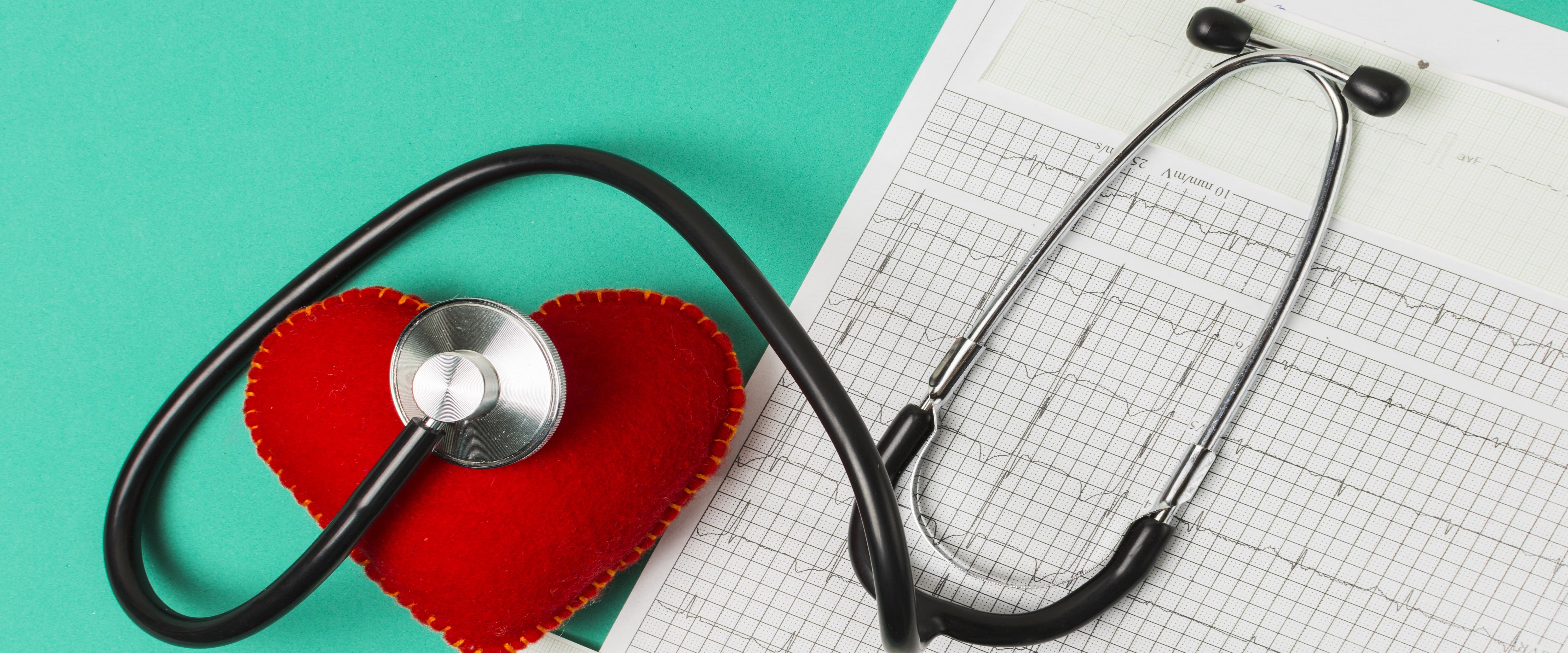
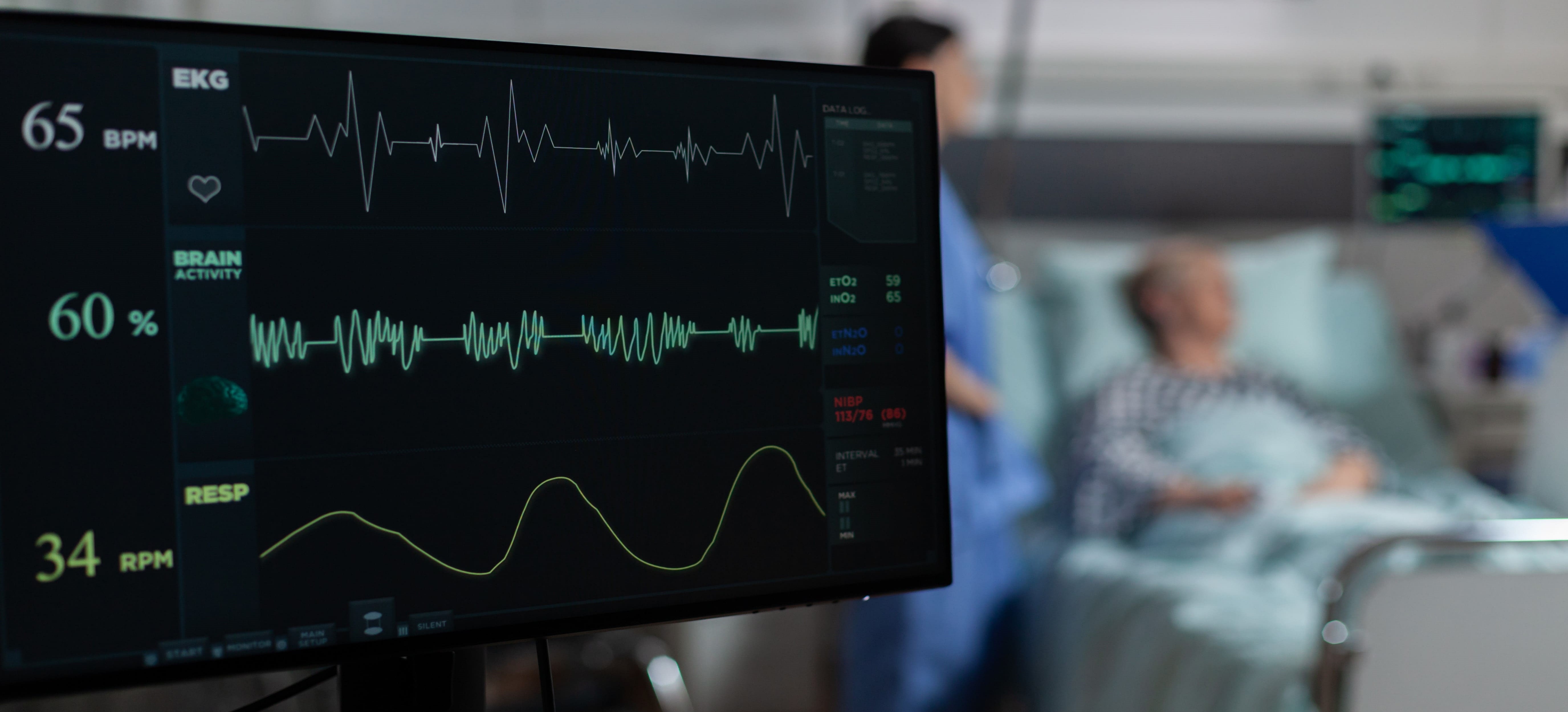
An ECG gives a very accurate description of your heart's electrical activity. Every heartbeat starts with an electrical signal, and an ECG is picking up these signals, giving you information on the rhythm, rate, and even remnants of old heart attacks you might not have known you'd had. Being the most accurate stroke and heart attack prevention tests ECG is still very rapid and non invasive..
This is a test for C-reactive protein, an inflammation marker in your body. Inflammation plays a key role in atherosclerosis i.e. the process in which arteries clog with plaque.
You can pick up on inflammation even if you're perfectly healthy with high-sensitivity CRP tests. It is a preventive cardiac screening test extremely helpful in people with normal cholesterol but perhaps still at risk for heart disease due to inflammatory processes.
Homocysteine is an amino acid whose elevation can potentially weaken blood vessel walls and lead to blood clots. Homocysteine is unique in that its elevation is typically responsive to dietary change and B-vitamin supplementation, so an elevated homocysteine is a very actionable finding.
Diabetes and coronary heart disease are connected. Diabetes is a "coronary heart disease equivalent" in the opinion of most cardiologists. Pre-diabetes or mildly elevated blood glucose levels actually do increase cardiovascular risk quite a bit.
Regular checking of blood glucose, like HbA1c (2-3 months average blood sugar), can identify problems in the early stages when lifestyle modifications are still very effective.
An echocardiogram uses sound waves to create moving images of your heart. It's a live video of how well your heart chambers are pumping, whether your valves are okay, and whether or not there is any structural problem. This test is particularly helpful because it can diagnose problems that other tests do not show, such as heart valve failure or problems with the heart muscle itself.
Not everyone needs all the tests, and how often you are tested depends on individual risk factors. Age over 40, generally more screening is needed. Family history plays a role too; if heart disease is a family history, you might need to start screening earlier and more often. Smokers, those who have stressful jobs, those who have inactive lifestyles, or those with chronic diseases like diabetes tend to need more extensive and more frequent screening.
Felix Hospitals offer customizable heart health checkup packages like, Healthy Heart Care Package including 94 parameter tests that put all these essential tests in one package. They are affordable and convenient, and most of them offer consultation with a cardiologist to interpret the results and develop personalized prevention plans.
The advantage of packages like these is that it avoids any significant test from being forgotten. Instead of keeping track of booking multiple individual tests, you can get the full cardiac check-up done in one session.
Felix Hospital stands out not just for running tests but rather examining each patient's specific risk profile and lifestyle. What sets Felix apart is their integrated cardiac care team formed of experienced cardiologists, state-of-the-art diagnostic equipment, and personalized follow-up care. The hospital offers comprehensive heart health checkup packages specifically designed for the people, taking into consideration the environmental and lifestyle conditions prevalent here. Their preventive cardiology approach makes them not just treat problems—but avoid them entirely.
Keep your heart strong — book your essential cardiac screening now at +91 9667064100.
While testing is crucial for early diagnosis, prevention really does start with the everyday choices. Regular exercise, a diet that is rich in fruits and vegetables, stress reduction, adequate sleep, and not smoking still form the foundations of cardiovascular well-being. The goal is not merely to pass your exams—it's to build a lifestyle that will maintain long-term cardiovascular well-being. Exams tell you; it's what you do with the information that determines your future cardiovascular risk. When you take into account that heart disease is still the leading cause of death in the world, and that so many heart attacks and strokes are preventable, routine heart health checkups are not only a smart concept—they are a necessity.
Q1. How do cardiologists in Felix know which tests I need to check my heart health?
Ans: Before recommending tests, Felix specialists look at your age, lifestyle, family history, and risk factors. For instance, someone who smokes or has diabetes may need more detailed tests like echocardiograms and homocysteine testing, while a younger person may only need a basic lipid profile and ECG.
Q2. Are heart screening tests at Felix Hospital in Noida safe and not invasive?
Ans: Most of the tests, like ECGs, echocardiograms, lipid profiles, and high-sensitivity CRPs, are safe, don't hurt, and don't require any surgery. They are made to give you accurate information about your heart health with as little pain as possible.
Q3. Is it possible to schedule a heart health screening test at Felix Hospital in Noida for the same day?
Ans: Yes, most screening tests can be done on the same day. Patients can also choose to book a package, which lets them take multiple tests in one visit, which saves time and effort.
Q4. How much do heart health checkup packages at Felix Hospital in Noida cost?
Ans: Felix Hospital makes sure that prices are affordable without sacrificing quality. Packages are made to include all the important heart screening tests in one visit, which makes them cheaper and easier than scheduling each test separately.
Dr. Rahul Arora is an experienced Interventional Cardiologist with 21+ years of expertise in advanced cardiac care, specializing in personalized, evidence-based treatment for heart diseases and improved patient outcomes.
Heart disease is a significant health concern for women, often presenting unique challenges. Understanding the causes, symptoms, and treatment options is essential for early detection and effective management.

Subscribe to our
© Copyright 2026. All Rights Reserved by Felix Healthcare Private Limited
Design and development by :


 +(91)9667064100
 Emergency : +(91)9667064100