 Emergency:
  WhatsApp

Subscribe to our
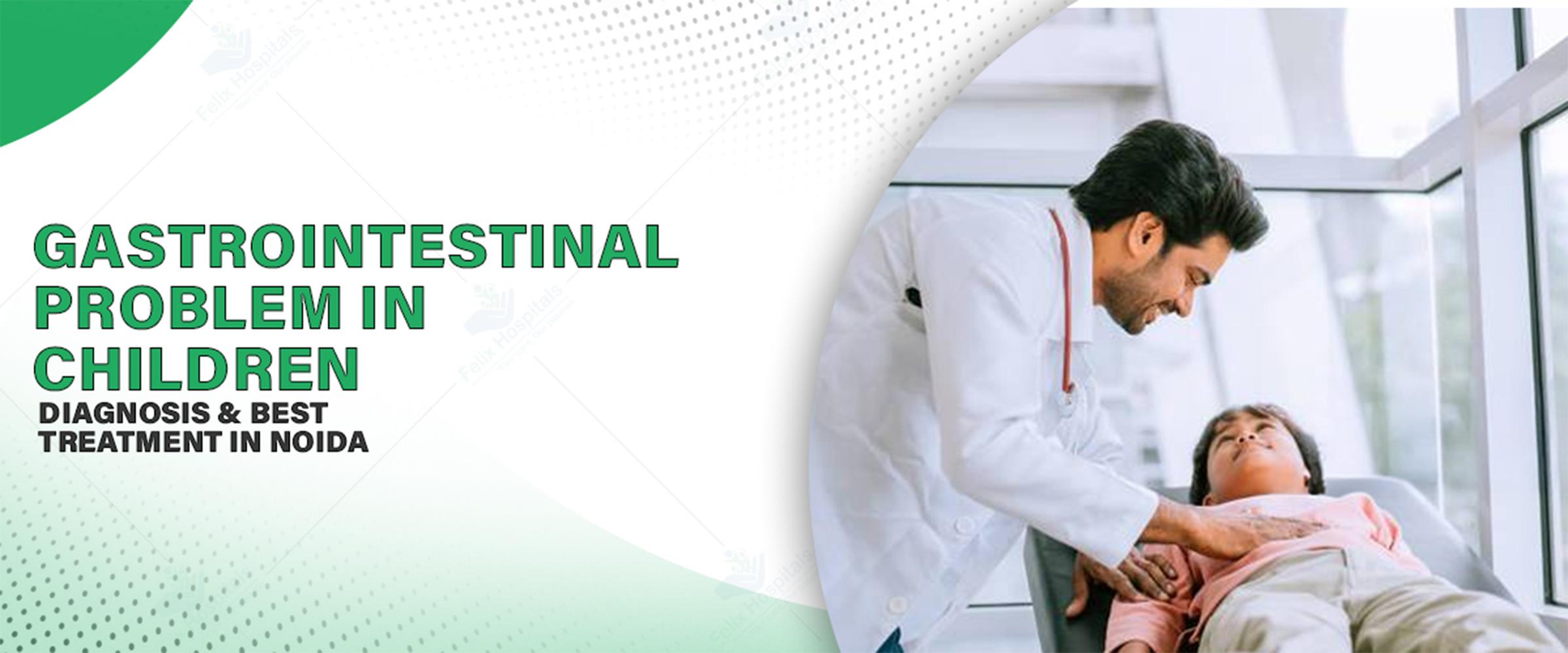
Children's digestive systems are sensitive and still developing, thus more susceptible to digestive issues. Constipation, reflux, and intolerance to food are frequent but, at times, may be a sign of more serious issues within. If left untreated, however, they can get in the way of a child's growth, development, and health. Timely and correct treatment is done by choosing the most suitable pediatric hospital in Noida to allow for correct diagnosis and treatment.
Understanding the potential risks of GI issues is important for parents and doctors to treat the issues accordingly. This blog will tell you about some of the common gastrointestinal problems in children, their symptoms and signs, and the best ways of treating them.
Call +91 9667064100 to talk to paediatric GI experts in Noida.
Gastroesophageal Reflux Disease (GERD): If stomach acid flows back into the esophagus, it irritates the tissue, causing pain and possible long-term damage.
Constipation: A common condition that may cause abdominal pain and long-term damage if not addressed early on.
Diarrhea: Often caused by infections or improper diet, acute diarrhea may result in dehydration.
Irritable Bowel Syndrome (IBS): A long-term disorder that is characterized by abdominal discomfort, bloating, and changes in bowel habits.
Celiac Disease: An autoimmune condition where gluten is harmful to the small intestine, leading to malabsorption of nutrients.
Early detection of symptoms can allow for early diagnosis and treatment of pediatric digestive disorders:
Chronic or severe abdominal pain
Abdominal distension or bloated belly
Change in bowel movements such as diarrhea or constipation
Chronic nausea or vomiting
Involuntary weight loss or loss of appetite
Bleeding in the stool, never to be overlooked
Certain risk factors increase the risk of pediatric digestive disorders:
Dietary patterns: Excessive junk food or low fiber intake
Genetics: Family history of medical conditions like IBD or celiac disease
Infections: Bacterial/viral gastroenteritis and other infections
Psychological tension: Frequently a cause of IBS
Early diagnosis is necessary for effective management of children digestion care:
1. Medical History: Learning about the child's diet, growth rate, and infection or allergy history.
2. Physical Examination: Reveals overt signs of abdominal pain, bloating, or swelling.
3. Diagnostic Tests:
Blood tests: For Identifying inflammation or nutrient deficiencies
Stool testing: It assists in diagnosing infection or malabsorption
Imaging diagnostic: X-rays or ultrasound to identify any structural defects
Maintaining a symptoms list can be very helpful to diagnosis by correlating activity, food habits, and symptom onset.
The treatment cost of GI disorders in children in Noida can vary depending on the condition, diagnostic procedures, and treatment. Consultant outpatient consultations will be on average INR 1000-2000, and diagnostic and hospitalization charges can be INR 10,000 to INR 50,000.
Pediatric GI treatment management is based on the nature and severity of the condition:
Fiber-rich foods such as fruits and vegetables increased for constipation.
Avoidance of precipitating foods (e.g., gluten in celiac disease or milk in lactose intolerance)
Proper hydration, particularly during attack diarrhea
Antacids or PPIs for acid reflux
Symptom control laxatives (with caution)
Antibiotics used to cure bacterial infections
Stress management techniques for IBS
Cognitive Behavioral Therapy (CBT) is used to reduce GI symptoms induced by stress
For severe GERD or structural defects like intestinal blockages
Preventive Measures to Maintain GI Wellness
Prevention of children's digestive diseases involves promoting healthy habits:
Balanced diet: Focus on fiber, lean protein, and minimal processed food
Exercise: Encourages normal bowel habits and relieves tension
Hydration: Ensures easy digestion
Routine check-ups: Early symptom detection and prevention treatment
Among the best pediatric gastroenterologists in Noida, Felix Hospital is one of the leading ones owing to its integrated pediatric GI care. It has the most experienced pediatric GI specialists in Noida and the most advanced diagnostic and treatment facilities. Felix offers child-centered care in a caring and loving atmosphere.
From diagnosis to healing, the pediatric gastroenterology department at Felix provides individualized treatment plans supported by a child's unique condition. Parents have faith in Felix Hospital for its integrity to approach complicated cases of pediatric GI treatment with precision and care.
If your child has stomach problems, don't let them affect their health. Call +91 9667064100.
Pediatric gastrointestinal issues must be treated on an emergency basis because otherwise, these may have long-lasting negative effects. Knowledge regarding symptoms, proper diagnosis, and selecting the right treatment option is the beginning of better digestion. Whether it is mild constipation or a complicated one like celiac disease, the best pediatric gastroenterologist in Noida ensures that your child receives the finest possible treatment. A top pediatric GI specialist hospital in Noida like Felix Hospital can be the turning point in the life of your child. Be cautious, go for regular checkups, and keep a watch on your child's digestion care for a healthy, blissful future.
Q1. My child often says their stomach hurts. Should I go to the hospital right away?
Ans: If your child has frequent, severe, or disruptive stomach problems, a paediatric gastro checkup at Felix Hospital can help rule out other possible causes.
Q2. Is it okay if my child doesn't pass stool for two to three days?
Ans: Not all the time. If you have infrequent stools and pain or straining, you might be constipated.
Q3. Do babies and toddlers also have a lot of GI problems?
Ans: Yes. Infants often have problems like reflux, colic, or lactose intolerance. Felix gives tests that are right for each age.
Q 4. Can problems with digestion slow my child's growth?
Ans: Yes, for sure. If you have ongoing GI problems, it can affect your nutrition and growth. Getting a diagnosis early is very important.
Q 5. Can kids with GI problems get treatment on the weekends or in an emergency?
Ans: Yes. Felix Hospital has paediatric emergency care and weekend OPDs to make things easier for you.
Childhood is an important period in which lifelong habits are formed, making it an ideal time to introduce lifestyle interference that can promote long-term health and well-being.
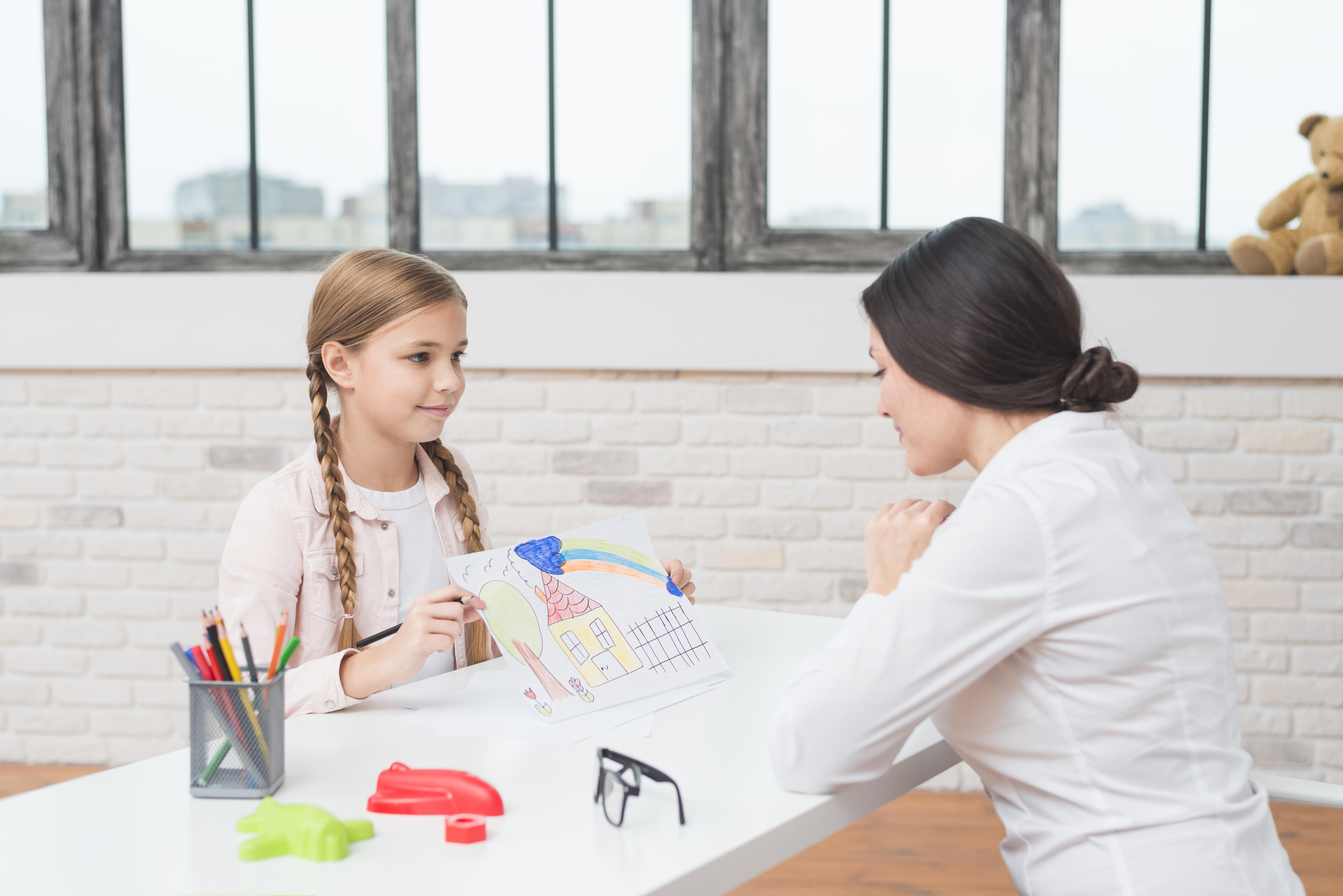
As a child care specialist, I have noticed a huge difference in overall growing of a child in the last 14 years.

Every parent wants their child to become a successful, confident, and good human being. A child is like a sponge, which can take any shape and can absorb almost everything they see/learn.

Early Signs of Gigantism in Children: What Parents Should Know

Subscribe to our
© Copyright 2026. All Rights Reserved by Felix Healthcare Private Limited
Design and development by :


 +(91)9667064100
 Emergency : +(91)9667064100