 Emergency:
  WhatsApp


Subscribe to our

Jaundice is a condition where the skin, eyes, and mucous membranes turn yellow due to high bilirubin levels in the blood. While jaundice is most commonly associated with newborns, adults in Noida also experience it—often due to liver infections, bile duct blockages, alcohol-related liver disease, or underlying metabolic issues. Early diagnosis and proper medical care are critical for preventing complications such as liver failure, chronic hepatitis, or gallbladder-related issues.
If you or a loved one is noticing yellowing of the eyes or skin, consult a specialist immediately.
Call Felix Hospital at +91 9667064100 for timely jaundice treatment in Noida.
Bilirubin is a yellow pigment formed during the natural breakdown of red blood cells. The liver processes bilirubin and helps eliminate it from the body. When the liver, gallbladder, or bile ducts fail to function properly, bilirubin builds up and leads to jaundice.
Adults with jaundice often have an underlying health issue that needs urgent attention. Finding the Best doctor for jaundice in Noida can prevent serious complications and ensure accurate diagnosis.
Understanding what causes jaundice in adults helps in early detection and correct treatment. In Noida, doctors commonly diagnose jaundice caused by the following conditions:
The liver plays the main role in bilirubin processing. Damage or inflammation of the liver directly leads to bilirubin buildup.
Common liver-related causes include:
Hepatitis A, B, and C
Alcoholic liver disease
Non-alcoholic fatty liver disease (NAFLD)
Cirrhosis
Autoimmune hepatitis
Early liver disease treatment in Noida helps prevent disease progression and long-term damage.
Blockages prevent bilirubin from flowing out through the bile ducts, causing rapid jaundice.
Obstruction usually happens due to:
Gallstones
Tumors in the pancreas, gallbladder, or bile ducts
Narrowing or scarring of bile ducts
Pancreatitis
This type of jaundice often presents with intense pain, pale stools, and dark urine.
Certain conditions trigger excessive red blood cell breakdown, increasing bilirubin levels.
These conditions include:
Hemolytic anemia
Sickle cell disease
Autoimmune disorders
Side effects of certain medications
Patients often feel tired, weak, and develop jaundice quickly.
Viral, bacterial, and parasitic infections can affect liver function.
Examples:
Leptospirosis
Malaria
Typhoid
Liver abscess
These require immediate evaluation by a Jaundice specialist in Noida.
Some individuals have inherited conditions affecting bilirubin processing, such as:
Gilbert’s syndrome
Crigler–Najjar syndrome
Hemochromatosis
These require lifelong monitoring.
Jaundice does not appear suddenly. Most patients develop early indications that should not be ignored.
The most visible and early symptom of jaundice.
Even when hydration is normal, urine appears unusually dark.
Indicates obstruction in the bile duct or liver damage.
High bilirubin levels cause skin irritation.
The liver’s inability to function properly leads to tiredness.
Common in gallstone disease, liver inflammation, or obstruction.
Seen in infections such as hepatitis, typhoid, or malaria.
If you experience these symptoms, seek medical attention immediately from a Jaundice hospital in Noida.
To determine the exact cause, doctors follow systematic diagnostic steps:
The doctor examines skin color, abdomen (liver size), and signs of fluid accumulation.
These help assess liver health and bilirubin levels:
Liver Function Test (LFT)
Complete Blood Count (CBC)
Viral hepatitis panel
Coagulation profile
Hemolysis-related tests
These tests identify whether the cause is infection, liver damage, or obstruction.
Used to detect blockages or structural abnormalities.
Abdominal Ultrasound
CT Scan
MRI/MRCP
Endoscopic ultrasound (EUS)
For complex cases:
ERCP (Endoscopic Retrograde Cholangiopancreatography) helps treat gallstones and bile duct blockages.
Liver biopsy may be performed if chronic liver disease is suspected.
Accurate diagnosis ensures the correct jaundice treatment plan.
Treatment depends on the underlying cause. The goal is to reduce bilirubin levels and treat the main disease affecting liver or bile ducts.
Hepatitis and viral infections are managed through:
Antiviral medications
Rest and hydration
Dietary modifications
Liver-protecting medicines
Chronic hepatitis may require long-term monitoring.
These cases often require urgent care.
Treatment includes:
ERCP to remove gallstones
Surgery for gallbladder disease
Stenting of blocked bile ducts
Treatment of tumors through oncology referral
Obstructions must be treated quickly to prevent complications.
Management includes:
Steroids for autoimmune hemolysis
Blood transfusions if required
Discontinuing harmful medications
Treating infections causing hemolysis
These conditions require:
Lifestyle management
Regular monitoring
Targeted medication
Specialist follow-ups
Regardless of the cause:
Adequate hydration
Nutritious, liver-friendly diet
Avoiding alcohol and self-medication
Monitoring bilirubin levels regularly
If you are experiencing jaundice symptoms or discomfort, call Felix Hospital at +91 9667064100 for expert evaluation and the best doctor for jaundice in Noida.
Felix Hospital is one of the leading centers for jaundice treatment in Noida, equipped with advanced diagnostic tools, experienced gastroenterologists, and 24×7 emergency care. Patients receive complete evaluation, accurate diagnosis, and personalized treatment plans for liver diseases, bile duct disorders, gallstones, and infections.
Jaundice in adults is not just a cosmetic issue—it is a sign of underlying liver, gallbladder, or blood-related disease. Early diagnosis and timely treatment are crucial to prevent complications. With expert specialists, advanced facilities, and comprehensive care, Noida offers excellent treatment options for jaundice.
If you notice yellowing of eyes, dark urine, or persistent fatigue, seek medical help immediately. Early intervention makes all the difference.
Q. 1. What is the most common cause of jaundice in adults?
Ans. Liver infections and bile duct blockages are the most common causes.
Q. 2. Should I worry if my eyes suddenly turn yellow?
Ans. Yes, yellow eyes require immediate evaluation by a jaundice specialist in Noida.
Q. 3. Can jaundice be treated at home?
Ans. No, jaundice needs medical diagnosis to find and treat the root cause.
Q. 4. What tests are needed for jaundice diagnosis?
Ans. Liver function tests, imaging scans, and sometimes endoscopy.
Q. 5. How quickly does jaundice improve with treatment?
Ans. Recovery depends on the cause—mild cases may improve in days, severe cases take longer.
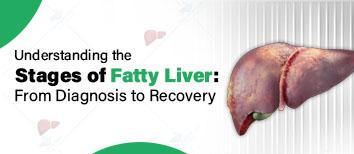
Understand how fatty liver develops, its key stages, and the steps needed for recovery. Early diagnosis and expert treatment can help reverse damage and restore liver function.


Subscribe to our
© Copyright 2026. All Rights Reserved by Felix Healthcare Private Limited
Design and development by :


 +(91)9667064100
 Emergency : +(91)9667064100