 Emergency:
  WhatsApp

Subscribe to our
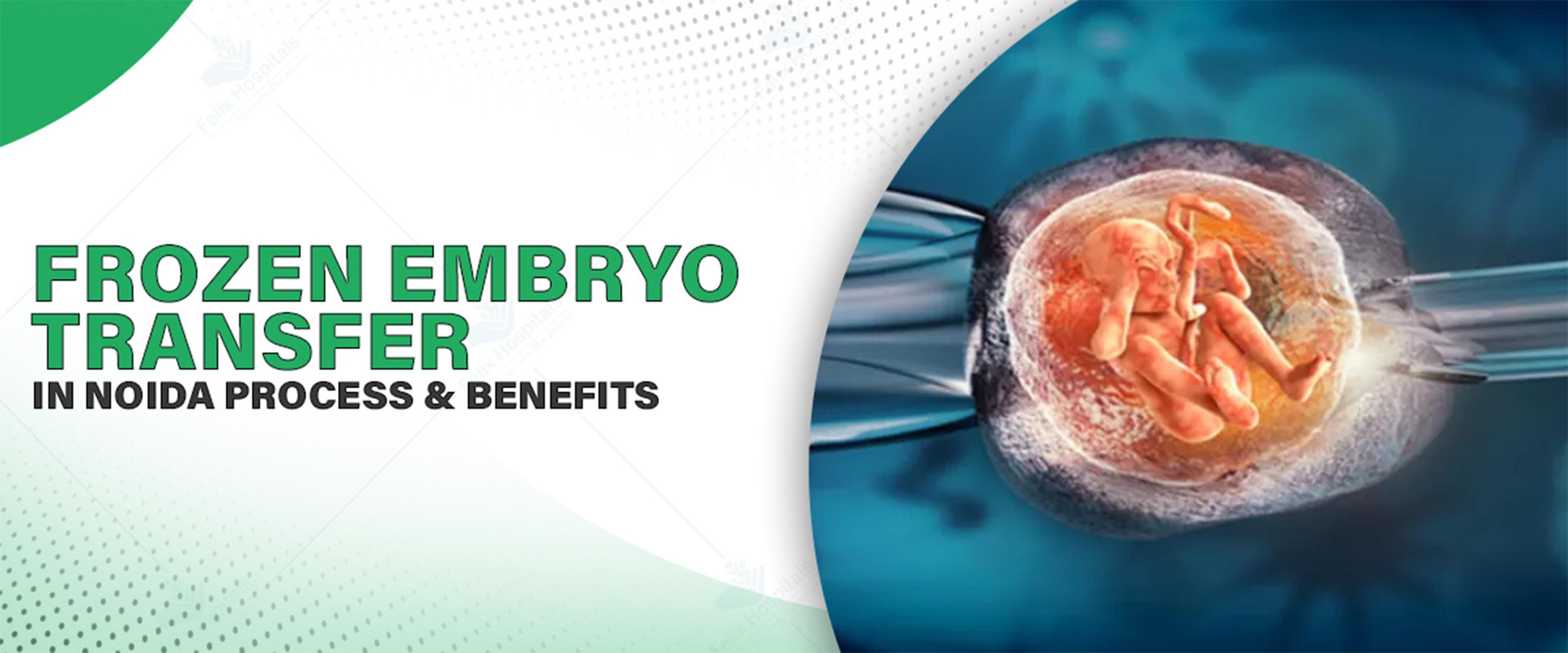
Reproductive medicine has presented hopeful couples with several options to become parents even when fertility is an issue. One of them is the very popular and effective Frozen Embryo Transfer (FET). The procedure presents the chance of getting pregnant from the usage of frozen embryos from a prior IVF procedure. If you are looking for the best gynecology hospital in Noida for the newest fertility treatments, learning about FET can be your next milestone.
Do you have any questions about the FET process? Call our fertility experts at +91 9667064100.
Frozen Embryo Transfer in Noida is a form of fertility treatment where embryos, previously developed and stored frozen from a prior IVF cycle, are transferred into a woman's uterus. Unlike a fresh cycle with egg retrieval and fertilization and then a same-day embryo transfer, FET allows couples to use stored embryos later—due to medical, personal, or timing issues. FET protocol is not just safer in certain situations but also more effective due to the process of uterine lining synchronization and embryo preparation under control.
The Frozen Embryo Transfer in Noida can be accessed by a large number of individuals and couples that are experiencing some fertility issues or preferences:
Couples with remaining embryos from an earlier IVF cycle
Women who had medical conditions that rendered fresh embryo transfer unsuccessful
Patients who choose genetic testing prior to implantation
Women who would like to delay pregnancy for personal purposes
Couples undergoing donor egg or surrogacy
Patients with history of previous failed fresh embryo transfers
With the ease and more control over when, FET is a popular option in modern-day fertility planning.
The FET process is a gradual one and is aimed at maximizing uterine receptivity and embryo viability. The aim is to provide the most optimal environment for implantation and pregnancy. This is how it works typically:
You will be first consulted by the fertility specialist, who will review your history, inquire about the previous IVF outcomes, and select the optimum FET protocol natural or medicated.
Under normal conditions, ovulation is regulated by hormones produced by the body. The menstrual cycle is tracked using ultrasound and hormonal test. Progesterone and estrogen are given to prepare the lining of the uterus for implantation.
To determine the best timing for an embryo transfer, doctors carry out ultrasound and hormone level tests.
Embryo thawing is the process of warming frozen embryos to body temperature, reversing the cryopreservation process. Viable and healthy embryos are chosen for transfer.
A thin catheter is used to place the embryo within the uterus. It is painless, non-surgical, and no anaesthetic is required.
Hormonal supplementation, especially with progesterone, can be maintained after transfer to facilitate implantation.
Around 10 to 14 days from the initial test, a beta HCG blood test is conducted to verify pregnancy.
Because of the multiple benefits of frozen embryo transfer, it's a favored choice among most couples seeking fertility treatment:
FET process is shown to have improved pregnancy rates because of improved embryo selection and optimized uterine conditions.
Since repeated egg retrieval is not needed, the process is less traumatic, and psychological suffering as well as bodily pain is reduced.
With multiple embryos frozen, couples have several attempts available without restarting the entire IVF cycle.
Women with Polycystic Ovary Syndrome (PCOS) or risk of Ovarian Hyperstimulation Syndrome (OHSS) are more benefited with FET, as it reduces complications.
While considered to be a low-invasive and safe method, FET has few risk:
Embryo can die during thawing
Risk of multiple pregnancy if more than one embryo is implanted
Hormonal side effects like headache or nausea
Rarely, ectopic pregnancy
It is important to deal with highly trained fertility experts who are very careful with each step and make choices based on your individual health profile.
The cost of frozen embryo transfer in Noida is usually between ₹30,000 and ₹60,000 per cycle. This may also include:
Hormonal medications
Embryo thaw and transfer
Ultrasound and laboratory monitoring
There may be additional charges such as for embryo storage, premium genetic testing (if chosen), or specific support drugs. Your fertility doctor will provide you with an open and personal cost estimate during a consultation.
Most people in Delhi NCR trust Felix Hospital—not just for their modern facilities, but for there personalized care at every step of the way. Here are a few reasons why people choose Felix:
Highly experienced The fertility team with multiple of years of expertise
Felix has a well-equipped embryology lab, and their use of technology is matched with a focus on what really works—not just the latest trends, but real solutions that fit your needs.
Safety and quality matter. With NABH accreditation, you get peace of mind knowing that every procedure follows strict standards, and your well-being comes first.
Care is not one-size-fits-all here. Whether your doctor recommends a medicated cycle or a natural FET, your plan is put together with you in mind—not pulled from a template.
Choosing where to have your FET is a personal decision. For many, the right place is the one where you feel heard, safe, and supported—Felix Hospital aims to offer exactly that.
Do you want to know if Frozen Embryo Transfer is the right choice for you? For expert advice, call +91 9667064100.
Frozen Embryo Transfer in Noida has brought meaningful changes to IVF. It takes away some of the physical strain and gives couples the breathing room to plan for pregnancy when the time feels right. Whether you’re getting ready to try again or just thinking about the future with frozen embryos, understanding how FET works (along with its risks and benefits) really helps you feel more prepared and confident. When you have a supportive fertility team, up-to-date facilities, and people who truly care about your journey, you’re in a good place to take the next step toward parenthood.
Q1. Is the FET process painful or uncomfortable?
Ans: Most of the time, the FET procedure doesn't hurt and doesn't need anesthesia.
Q2. Am I allowed to work while I'm on FET?
Ans: Yes, most patients keep working with small changes based on what feels good to them and what their doctor says.
Q3. What happens if my embryo doesn't make it through the thawing process?
Ans: Another frozen embryo from your batch, your doctor may use that one.
Q4. Is it important to make changes to your lifestyle during a FET cycle?
Ans: Yes, eating well, lowering stress, and not smoking or drinking can all help you be more successful.
Q5. Is it possible to have FET after a miscarriage in a previous IVF cycle?
Ans: Yes, FET is often suggested after someone has recovered from a failed or miscarried fresh cycle.
Q6. If the first FET doesn't work, how soon can I try again?
Ans: After one menstrual cycle and a checkup with your doctor, they may let you try again.

Exploring the Best IVF hospital in Noida for expert fertility treatments. Felix Hospital IVF is dedicated to helping couples achieve their dream of parenthood with advanced fertility treatments, latest technology, and compassionate care

Can ovarian cancer be cured? Early detection plays a critical role. This article explores the chances of cure, available treatment options, survival rates, and the importance of regular screenings for timely diagnosis and improved outcomes.


Subscribe to our
© Copyright 2026. All Rights Reserved by Felix Healthcare Private Limited
Design and development by :


 +(91)9667064100
 Emergency : +(91)9667064100