 Emergency:
  WhatsApp

Subscribe to our

Diabetic coma is a dangerous complication of diabetes that can cause a person to become unconscious due to very high or very low blood sugar levels in the body. It is a medical emergency and a delay in treatment can cause permanent brain damage or death. Early signs of diabetic coma should be known to the patient and family so as to identify the symptoms and take precautions.
Due to the potential for immediate danger, people with diabetes should constantly keep an eye on their blood sugar levels as they can cause complications if they change too rapidly. When there is a sudden onset of symptoms, seeking consultation with a diabetes specialist doctor in Noida or going to a hospital immediately will prevent dire consequences for health and enable best possible treatment.
Is someone with diabetes showing confusion, unconsciousness, or unusual symptoms? Immediate medical care can save lives. Call +91 9667064100 to consult a diabetes specialist doctor in Noida.
A diabetic coma is a potential complication of diabetes in which the individual is in a coma due to a severe disruption of their blood sugar levels. This emergency condition can develop in people with Type 1 and Type 2 diabetes. Scientific investigations show that profoundly high blood glucose (hyperglycemia) or profoundly low blood glucose (hypoglycemia) may alter brain metabolism, causing loss of consciousness.
The brain's reliance on glucose for energy makes the situation critical. The body is so affected when glucose levels are too high or too low. Diabetic coma early symptoms can help the patient and caregivers to do something before it gets fatal.
To understand causes of diabetic coma in diabetes, you need to know the various conditions that can make a person with diabetes go into a coma.
Typical types are:
Severe Hypoglycemia – Low blood sugar causing confusion or unconsciousness
Diabetic Ketoacidosis (DKA) – when the body produces high levels of ketones due to lack of insulin
Hyperosmolar Hyperglycaemic State (HHS) – very high blood sugar that causes your body to become severely dehydrated
All of these are medical emergencies which, if untreated, can lead to death.
Reasons for diabetic coma in diabetes are typically associated with high blood sugar levels or poor diabetes control. The most common causes include the following:
Skipping doses of insulin or diabetes medications
Severe infection or illness that affects the control of your blood sugar
Long-term dehydration
High alcohol consumption
Very high or low blood sugar levels
Delayed medical treatment
Proper diabetes management significantly reduces the risk of diabetic coma.
Certain people with diabetes may be at increased risk for complications of diabetic coma, such as those with underlying medical conditions or who lead certain lifestyles.
Main risk factors include:
Long-term uncontrolled diabetes
Noncompliance with medication
Kidney disease modifying glucose metabolism
Serious infections and surgery
Irregular eating patterns
Stress or hormonal disturbance
Watching for these risk factors can help prevent diabetic crises.
Recognizing early symptoms of diabetic coma could avert a medical emergency by the patient getting treatment in time. Early warning signs may include:
Severe fatigue or weakness
Frequent urination or excessive thirst
Confusion or trouble thinking
Blurred eyesight
Headache or lightheadedness
These symptoms indicate that blood sugar levels may be dangerously abnormal.
When signs of early warning are overlooked, the initial symptoms of diabetic coma could advance to more serious conditions that may endanger life. Advanced signs can include:
Fainting
Severe dehydration
Ongoing vomiting
Tachycardia (elevated heart rate)
Seizures
Shortness of breath
Immediate medical attention is necessary when these symptoms occur.
If early warning signs are ignored, the early manifestations of a diabetic coma might progress to more severe states which could lead to a life-threatening situation. Potential late signs include:
Fainting
Severe dehydration
Ongoing vomiting
Rapid heartbeat (tachycardia)
Seizures
Shortness of breath
Patients should immediately visit the best hospital for diabetic emergency in Noida for prompt medical evaluation.
Doctors perform several tests to identify the underlying cause and severity of diabetic coma. Accurate diagnosis helps guide emergency treatment and stabilize the patient.
Test | Purpose |
Blood Glucose Test | Measures current blood sugar levels |
Blood Ketone Test | Detects ketone buildup in blood |
Electrolyte Test | Evaluates fluid and mineral balance |
Urine Test | Identifies ketones and glucose in urine |
Arterial Blood Gas Test | Assesses oxygen and acid levels in blood |
These diagnostic tests help doctors determine the appropriate treatment approach.
The treatment of diabetic coma is directed at correcting blood sugar levels and getting the body back to normal. Early medical treatment allows for prevention of major complications and enhances the chances of survival. Emergency treatment may include:
Insulin intravenous (IV) treatment to lower blood sugar
IV glucose for treatment of hypoglycemia
Electrolyte replacement
Dehydration IV fluids
Give oxygen if the breathing is impaired
Continued observation in the ICU
These interventions help to stabilize patients and return metabolism to normal.
Knowing what to expect from doctors treating diabetic coma allows patients and families to understand the care the patient will receive.
Treatment involves:
Rapid blood sugar correction
Heart rate and vital signs are monitored
Treatment of underlying infection or illness
Treatment of electrolyte abnormalities
Supportive intensive care may be required
Treatment is associated with a high probability of complete recovery if it is not unduly delayed.
After emergency stabilization, the patient needs close observation and long-term diabetes management to prevent recurrences. Rehabilitative care may include:
Changing doses of insulin or other medications
Frequent blood glucose monitoring
Nutritional advice for managing diabetes
Information on early warning signs for prevention
Scheduled follow-up visits with specialists
Proper follow-up care helps reduce the risk of future diabetic emergencies.
Preventive measures are also important in diminishing complications of diabetic coma in diabetes.
Key preventive measures are:
Testing your blood sugar regularly
Using diabetes medications as directed
Eating a balanced diabetic diet
Drink plenty of fluids when you're sick
Test blood sugar when you exercise
Having regular medical checkups
Steady control of your diabetes can save you from emergencies.
If you or a loved one with diabetes experiences unusual symptoms, do not delay medical care. Consult a diabetes specialist doctor in Noida or visit the best hospital for diabetic emergency in Noida for immediate treatment. Call +91 9667064100 for emergency diabetes consultation.
Diabetic coma is a life-threatening complication of diabetes that can result from blood sugar levels being too high or too low. Early recognition of symptoms of diabetic coma makes patients seek early medical advice and prevent fatal complications.
Good diabetes care and control and early consultation with a Best Endocrinologists in Noida can reduce the risk of a number of serious problems. Education, prompt treatment, and continued medical management are the key to long-term health protection for the diabetic patient.
In many situations, diabetic coma is preceded by symptoms and signs, such as confusion, exhaustion, or abnormal blood glucose levels. However, if ignored, it may develop rapidly.
Yes, diabetic coma can be reversed if treated rapidly in the hospital. Immediate emergency treatment can bring blood sugar levels under control and restore the person's consciousness.
Yes, diabetic coma can occur in both Type 1 and Type 2 diabetes patients when blood sugar levels get too high or too low.
The recovery time can be variable and depend upon the severity of the illness and the time taken to start treatment. Most of them recover in days with proper medical management.
Yes, monitoring more frequently will catch any abnormal blood sugar levels sooner. Medical or dietary intervention on time can prevent diabetes emergencies.

Dr. Vimal Gupta is an experienced endocrinologist and diabetologist with 15 years of expertise in treating diabetes, thyroid disorders, obesity, PCOD, and adrenal conditions. Currently practicing at Felix Hospital, he is known for his patient-focused care and personalized treatment approach in endocrine health.

Does diabetes cause cataracts? Learn how high blood sugar affects your eyes, symptoms, treatment, and prevention tips for diabetic cataracts.
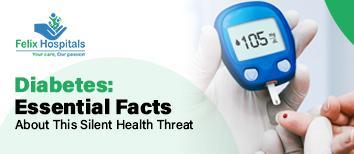
Diabetes is a condition in which your body part pancreases cannot make enough insulin which results in an increase in your glucose level/blood sugar level.


Subscribe to our
© Copyright 2026. All Rights Reserved by Felix Healthcare Private Limited
Design and development by :


 +(91)9667064100
 Emergency : +(91)9667064100