 Emergency:
  WhatsApp

Subscribe to our
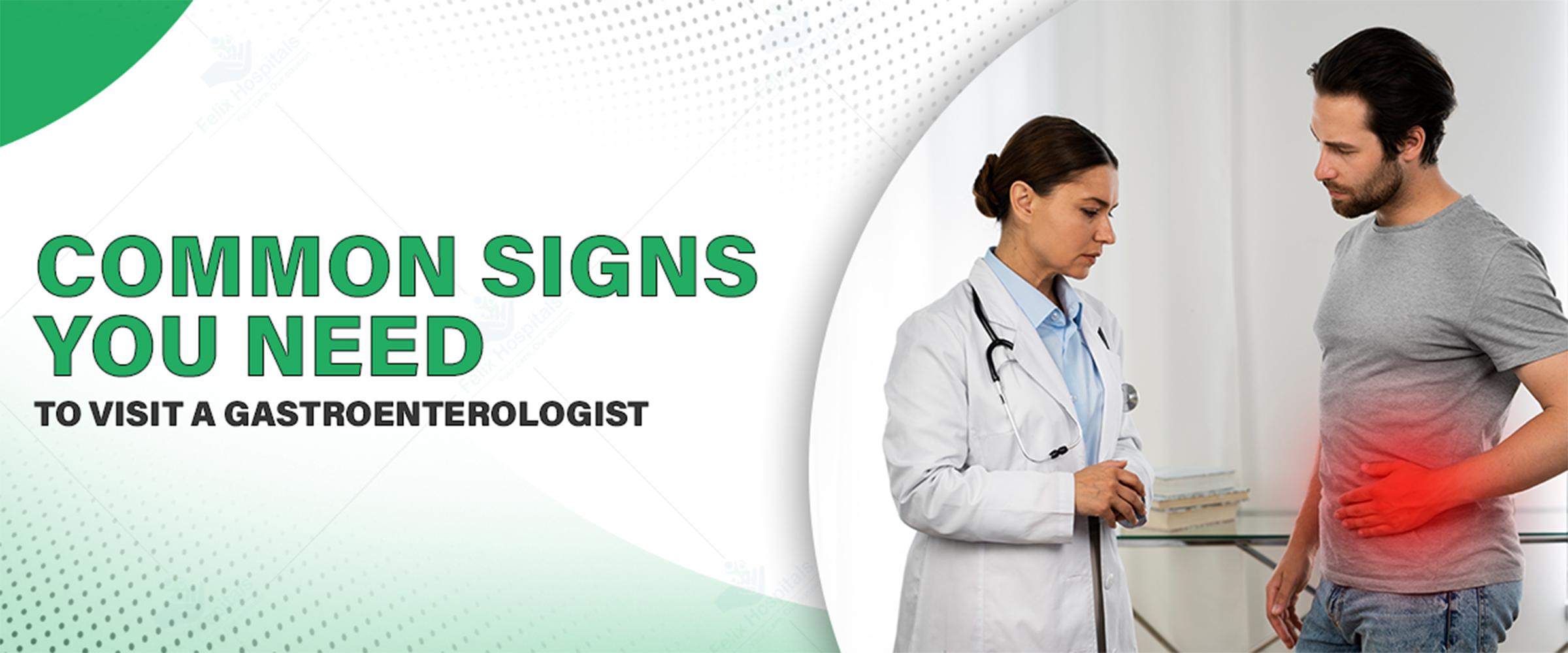
Your digestive system is more than a simple mechanism to break down food—it is highly related to your immune system, hormonal balance, and even your psychological state. If your gastrointestinal (GI) tract goes awry, it can impact your energy level, mood, nutrient uptake, and overall quality of life. Sadly, most individuals disregard or self-treat persistent gastrointestinal symptoms, which may result in more complicated problems in the long run.
Whether it is constant bloating, heartburn, or pain in the abdomen, an early identification of these symptoms and specialist consultation are a must. For early diagnosis and superior treatment, it's necessary to visit the best gastroenterology hospital in Noida, where expert professionals employ advanced tools to correctly diagnose and treat gastrointestinal issues with customized treatment plans.
If you've been having recurrent gastrointestinal symptoms, kindly book a consultation to get a professional evaluation and personalized treatment by calling +91 9667064100.
A gastroenterologist is a physician who evaluates and treats conditions that affect the digestive system—from the esophagus and stomach to the small and large intestines, pancreas, liver, gallbladder, and bile ducts.
They are specially trained to conduct procedures such as endoscopy, colonoscopy, biopsies, and advanced imaging to diagnose and treat conditions from acid reflux and ulcers to inflammatory bowel disease and liver complications.
Recurring or chronic stomach pain—particularly when it is dull, crampy, or pressure-like—must not be taken lightly. It could be a sign of conditions such as gastritis, peptic ulcers, gallbladder disease, IBS, or incipient liver disease. Early identification is important to avoid complications. Meeting the best gastroenterologist in Noida ensures quality investigation and prompt intervention.
Frequent heartburn (acid reflux) more than two times a week may mean GERD, esophagitis, or even Barrett's esophagus. Esophageal damage and long-term cancer risk may result from these conditions. Immunity is also compromised. Endoscopic testing, selective medications, and lifestyle modification can be given by a specialist.
Loss of more than 5–10% of your baseline weight over several months—without alterations in diet or activity—requires prompt evaluation. It can be caused by malabsorption (celiac disease, chronic pancreatitis), cancer (esophageal, stomach, pancreatic), or chronic intestinal or liver disease. A GI physician can refer for the proper imaging and nutritional studies.
Difficulty in swallowing solid food, the sensation of food being stuck in your throat, or pain associated with eating may indicate narrowing of the esophagus, motility disorders, or lesions like strictures or tumors. A gastroenterologist evaluates this with the help of endoscopy and esophageal manometry studies.
Chronic diarrhea or hard constipation with straining for greater than two weeks impacts quality of life and can result in hemorrhoids, bowel motility disorders, or dehydration. Infections, colon polyps, IBS, or IBD need to consider an expert evaluation.
Any sign of bleeding—fresh red streaks, black tar-like stools, or dark clots—points to internal bleeding within the GI tract. It may be from hemorrhoids, ulcers, gastritis, or other issues like polyps or cancer. Endoscopic examination by a specialist will find the source and treat it promptly.
Intermittent nausea or vomiting is not a worry, but persistent or severe may be a sign of ulcers, gastritis, inflammatory conditions, gallbladder disease, bowel blockage, or even central nervous system causes which affect gut motility. A GI specialist can identify the underlying cause and give symptom relief measures.
Ongoing bloating, too much belching, or feeling full after light meals may imply SIBO, IBS, functional dyspepsia, or enzyme deficiencies. The ongoing symptoms will impact nutrition and daily comfort. Specialist assessment makes it possible to focus on dietary therapy, breath testing, scanning, and specialist dietician advice.
Family history of colon, pancreas, or stomach cancer—and gastrointestinal diseases such as Crohn's, ulcerative colitis, or celiac disease—raises your individual risk. Your gastroenterologist may suggest right-age screenings such as colonoscopy or genetic testing.
If you’ve tried over-the-counter medications, dietary adjustments, or herbal remedies without relief, it’s crucial to consult the best gastroenterology surgeon in Greater Noida. Persistent issues like recurring abdominal pain, unresolved GERD, or frequent bloating may require advanced investigation, minimally invasive procedures, or lifestyle-guided intervention.
Investigative tools may include:
Endoscopy – visual exam of the esophagus, stomach, and small intestine; allows biopsy
Colonoscopy – scope test of rectum and large intestine; polyps may be removed
Upper GI series – barium swallow X-ray to see swallowing or reflux problem
Capsule endoscopy – small camera pill to take pictures of small intestine
Imaging tests – ultrasound of abdomen, CT or MRI scan
Functional tests – esophageal manometry, pH testing, lactose or bacterial overgrowth breath tests
Laboratory tests – stool test, celiac panels, level of liver and pancreatic enzymes
Biopsy and histopathology to evaluate suspected abnormal tissue or cancer
The experts integrate test results with your symptoms, medical history, and lifestyle data to reach an accurate diagnosis and treatment plan.
Ready to Take Charge of Your Digestive Health? Book an appointment for your consultation by calling Expert GI Consultation!
Your GI health has a direct effect on your daily comfort, energy levels, and overall well-being. From pain and bleeding to chronic bloating and weight loss, GI symptoms should never be dismissed. Seeing a specialist early—particularly when symptoms are advanced or ongoing—can avert complications and facilitate timely intervention.
Before making any decisions, consider getting the best care possible and always find out how much the treatment in Noida will cost to understand your financial situation. Wasting valuable time will have lasting effects—be kind to your body and get the treatment you need.
Q1. Can anxiety or stress actually produce digestive problems?
Ans: Yes, stress can profoundly impact gut function through a change in motility and an increase in acid production, often exacerbating symptoms such as bloating, IBS, and reflux.
Q2. How do I know whether my bloating is severe enough to have a specialist consult?
Ans: If bloating is recurring, painful, or accompanied by weight loss, abnormal stools, or nausea, it could be a sign of an underlying disease that warrants expert attention.
Q3. Do I need to avoid eating prior to my gastro appointment or testing?
Ans: It varies with the test. For endoscopy or some scans, fasting is necessary; your physician will give specific instructions in advance.
Q4. Does heartburn happen often and can it become more serious?
Ans: Yes, if left untreated, heartburn may develop into GERD, damage to the esophagus, or Barrett's esophagus, which has a risk of esophageal cancer if not managed well.
Gastric problems occur when excess acid or digestive disturbances affect the stomach lining, causing symptoms like bloating, acidity, and pain. Timely diagnosis ensures effective treatment.
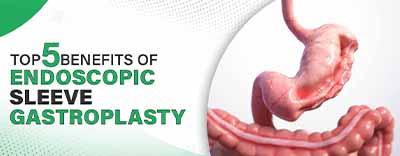
Endoscopic Sleeve Gastroplasty (ESG) offers a non-surgical way to lose weight with benefits like minimal downtime, no scars, faster recovery, and long-term results.


Subscribe to our
© Copyright 2026. All Rights Reserved by Felix Healthcare Private Limited
Design and development by :


 +(91)9667064100
 Emergency : +(91)9667064100