 Emergency:
  WhatsApp


Subscribe to our
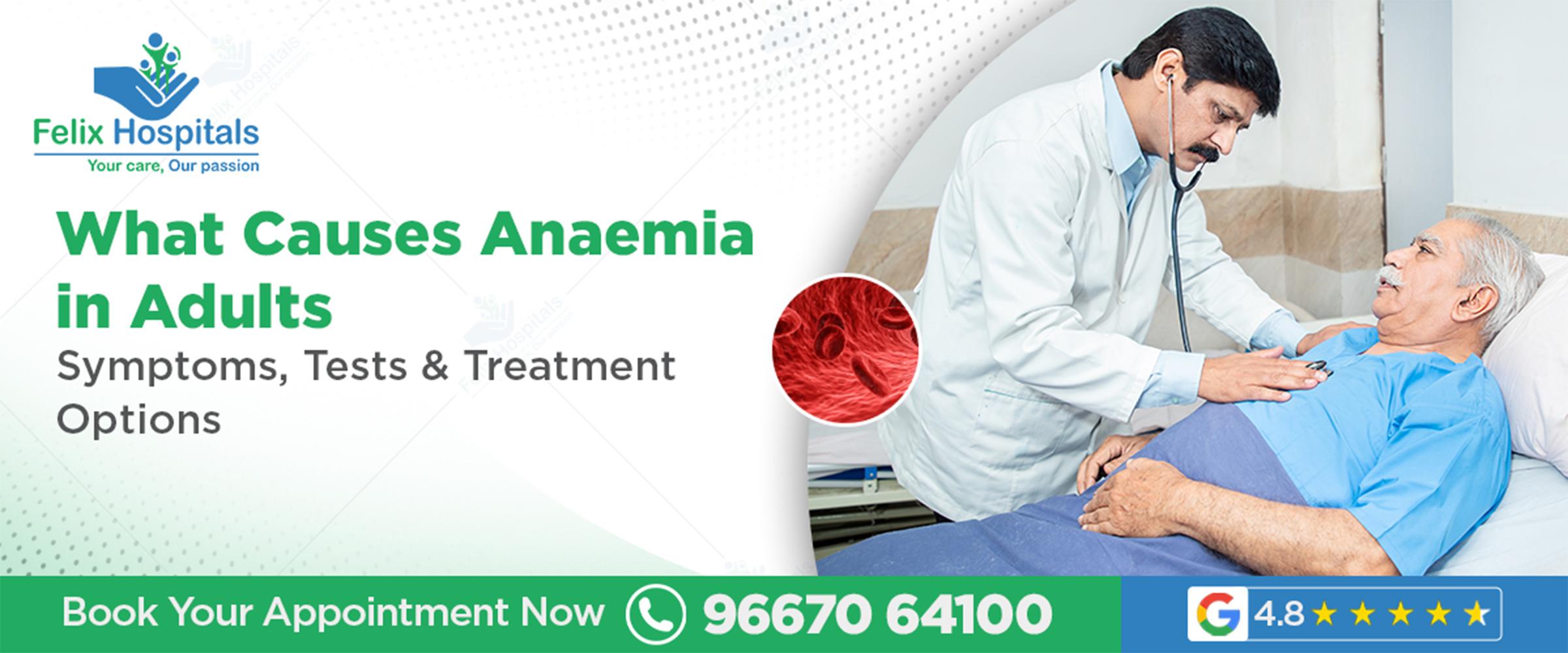
Anaemia is one of the most commonly ignored health conditions in adults, yet it silently affects daily energy levels, work productivity, and long-term organ health. Many adults continue with fatigue, weakness, or breathlessness without realizing that their blood may not be carrying enough oxygen to meet the body’s needs. What Is Anaemia in Adults? Anaemia occurs when the number of healthy red blood cells or hemoglobin levels fall below normal, reducing oxygen delivery to tissues. In adults, this condition often develops gradually, making the symptoms easy to overlook until they start interfering with everyday life.
Get accurate diagnosis and personalized anaemia treatment—book your consultation now at +91 9667064100.
To understand why anaemia develops, it is important to look beyond low hemoglobin numbers and identify the underlying cause. What Are the Main Causes of Anaemia in Adults? The condition can result from blood loss, poor absorption of nutrients, chronic illnesses, or problems in red blood cell production. In adults, especially those with busy lifestyles or underlying medical issues, anaemia is often a sign that something else in the body is not functioning optimally rather than a standalone disease.
Long-standing nutritional deficiencies
Chronic kidney or liver disease
Hormonal imbalances
Bone marrow disorders
Not all anaemia is the same, and treatment depends heavily on the type diagnosed. Types of Anaemia in Adults range from mild nutritional deficiencies to complex genetic or autoimmune disorders. Iron-deficiency anaemia remains the most common, but adults may also develop vitamin B12 deficiency anaemia, folate deficiency anaemia, hemolytic anaemia, or anaemia related to chronic diseases such as diabetes, cancer, or kidney disorders.
Each type affects the body differently, which is why self-medication without proper testing can delay recovery and worsen symptoms over time.
One of the biggest challenges with anaemia is that symptoms often start subtly. What Are the Common Symptoms of Anaemia in Adults? Early signs may feel like general tiredness or stress-related exhaustion, causing many working professionals to ignore them. As the condition progresses, symptoms become more noticeable and begin affecting daily activities and physical endurance.
Persistent fatigue and weakness
Shortness of breath on mild exertion
Pale skin or yellowish complexion
Dizziness or frequent headaches
Cold hands and feet
Difficulty concentrating
Modern lifestyles play a major role in the rising incidence of anaemia. Irregular meals, excessive tea or coffee intake, stress, and poor sleep patterns contribute to nutritional deficiencies. How Is Anaemia Diagnosed? Doctors emphasize early testing because many adults are anaemic without obvious symptoms. Routine blood tests often reveal low hemoglobin levels before serious complications develop, making timely diagnosis essential.
Ignoring mild anaemia can lead to worsening heart strain, reduced immunity, and complications during surgeries or chronic illness management.
Accurate diagnosis requires more than just a hemoglobin check. How Is Anaemia Diagnosed? Doctors usually recommend a complete blood count (CBC), iron studies, vitamin B12 and folate levels, and sometimes kidney and liver function tests. In cases where blood loss is suspected, additional investigations such as stool tests, endoscopy, or imaging may be required to identify the source.
Early diagnosis helps doctors tailor treatment precisely instead of relying on trial-and-error supplements.
Treating anaemia effectively means addressing the underlying reason behind low hemoglobin levels. What Are the Best Treatment Options for Anaemia? Treatment may involve dietary changes, oral supplements, injections, medications, or management of chronic conditions causing blood loss or poor absorption. In severe cases, blood transfusions may be required to stabilize the patient.
Severity of anaemia
Age and lifestyle
Presence of chronic disease
Nutritional status
Diet plays a crucial role in preventing and managing anaemia. Can Anaemia Be Prevented? A balanced diet rich in iron, vitamin B12, folate, and protein supports healthy red blood cell production. Adults who follow restrictive diets or have digestive disorders may require medical guidance to ensure proper nutrient absorption.
Green leafy vegetables
Lean meats and eggs
Pulses and legumes
Nuts and seeds
Fortified cereals
While mild anaemia can often be managed with outpatient care, severe cases need urgent attention. When Should You See a Doctor for Anaemia? If symptoms such as chest pain, severe breathlessness, fainting, or rapid heartbeat occur, immediate medical evaluation is necessary. Anaemia can worsen existing heart conditions and increase surgical risks if left untreated.
Adults with chronic illnesses should never ignore falling hemoglobin levels.
The anaemia treatment cost in Noida varies depending on the cause, severity, and type of treatment required. Simple nutritional deficiency cases may require affordable supplements, while complex conditions involving chronic disease management or hospital-based treatment may cost more. Early diagnosis significantly reduces long-term treatment expenses and prevents complications.
Consulting an experienced anaemia specialist doctor in Noida ensures accurate diagnosis and targeted treatment. Many adults take over-the-counter iron supplements without knowing the exact cause, which may delay proper care. Specialist evaluation helps rule out serious underlying conditions such as gastrointestinal bleeding or bone marrow disorders.
Worried about low hemoglobin or ongoing fatigue? Consult an experienced anaemia doctor in Noida by calling +91 9667064100 today.
Anaemia in adults is not just about feeling tired—it is a medical condition that reflects deeper health imbalances. Early recognition, proper testing, and cause-specific treatment by the Best General Physicians in Noida can restore energy levels, improve work performance, and prevent serious complications. If symptoms persist or worsen, timely consultation with a specialist is essential for safe and effective recovery.
Q.1 Can anaemia cause long-term weakness if untreated?
Ans. Yes, untreated anaemia can lead to chronic fatigue, heart strain, reduced immunity, and long-term organ stress.
Q. 2 Is anaemia common in working adults with desk jobs?
Ans. Yes, poor diet, stress, irregular meals, and low physical activity make anaemia common in working professionals.
Q. 3 How long does anaemia treatment usually take to show results?
Ans. Most patients start feeling better within 3–4 weeks, but full recovery may take 2–3 months depending on the cause.
Q.4 Can anaemia return after treatment is completed?
Ans. Yes, anaemia can recur if the underlying cause such as nutritional deficiency or blood loss is not corrected.
Q.5 Should adults get routine blood tests to detect anaemia early?
Ans. Yes, regular blood tests help detect anaemia early before symptoms become severe or complications develop.

Chronic Fatigue Syndrome causes persistent tiredness and reduced daily activity.

Quick tips and foods to boost hemoglobin levels naturally.


Subscribe to our
© Copyright 2026. All Rights Reserved by Felix Healthcare Private Limited
Design and development by :


 +(91)9667064100
 Emergency : +(91)9667064100