 Emergency:
  WhatsApp


Subscribe to our
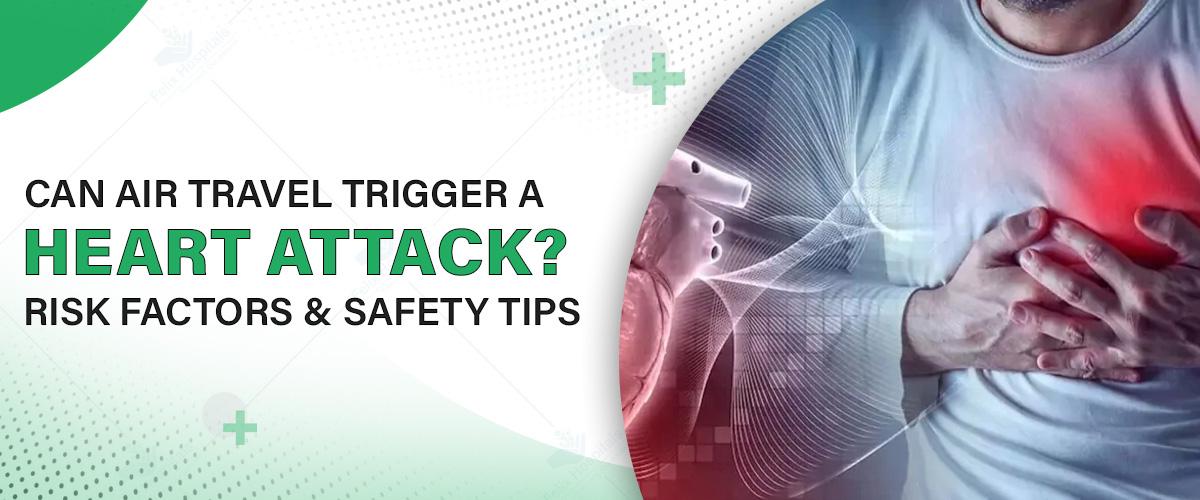
Flight has made it possible to reach anywhere in the world and all this within a matter of hours. But for all cardiac patients or those who are predisposed to cardiovascular disease, flight is a cause of concern. Can a heart attack be caused by flight? What are the risk factors, and how do you take a safe flight? If you are a cardiac patient residing in Noida or are planning to travel in the near future, this blog post will provide you with all the details you need about risk factors of flight, safety, and the why to schedule heart screening in Noida before air travel.
Flying exposes the body to some conditions, such as reduced oxygen, prolonged immobility, and increased stress, that have cardiovascular implications. While flying for the general public is safe, people with existing cardiac conditions need to take extra precautions. In this blog, we will explain how air travel relates to heart attack, highlight significant risk factors, and give you practical safety tips to allow you to travel safely by air. We will also explain why a consult cardiologist in Noida for safe flying with heart disease.
Worried about air travel if you have a heart condition? Meet a cardiologist in Noida prior to your trip. Get a heart checkup today by calling +91 9667064100.
Whether flying leads to a heart attack or not is a multifaceted question. Flying is not responsible for heart attacks, but the conditions on board can trigger cardiovascular disease. The combination of reduced oxygen levels, sitting for extended periods of time, dehydration, and stress is stressful for the heart, especially for people who have pre-existing conditions.
For the average healthy traveler, the body rapidly adjusts to these changes. For patients with heart disease, high blood pressure, or a history of blood clots, however, the physiological strain of flight on the body can heighten the risk of complications such as pain in the chest (angina) or, in the very rarest of instances, a heart attack. Sensitivity to these risks is the key to a comfortable and safe flight.
Flight also involves some physiological alterations that influence cardiovascular well-being. Here's how:
Within airplane cabins at cruising altitudes, the air is pressurized to simulate conditions at 6,000–8,000 feet sea level. Although not dangerous for most passengers, the reduced oxygen level is taxing on the heart, particularly for those with existing conditions. For individuals with heart disease, this appears as shortness of breath or chest pain.
Long flights entail sitting for extended periods, which lowers the rate of blood circulation, especially in the legs. Leg immobility enhances the susceptibility to deep vein thrombosis (DVT), which leads to blood clots in the legs. A clot that travels to the lungs, heart, or brain leads to serious complications, such as a pulmonary embolism, which is a heart strain.
Air in airplane cabins is dry, and the dry air has a tendency to dehydrate people, making their blood thicker and the arteries more prone to clotting. Furthermore, the flight stress—anxiety about flying, running around airports, or battling delays—can cause cortisol and adrenaline to rise, further stressing the heart.
Even though flying is safe, there are some factors that can pose a risk of cardiovascular complications while flying. Knowing the risk factors will allow you to take protective steps in advance to safeguard your heart.
Even if you do not have a diagnosed heart illness, you may be more vulnerable if you:
Are more than 50 years old.
Have a family history of heart disease.
Have an uncontrolled high blood pressure or diabetes.
Smoke or drink habitually.
Live a sedentary lifestyle with minimal or no exercise.
The conditions which need special consideration are:
Recent Heart Attack: Flying within 7–14 days after a heart attack can put you at risk due to changes in stress and oxygen levels.
Congestive Heart Failure: Advanced heart failure can make the body unable to deal with low oxygen levels, which can make you feel short of breath and tired.
Arrhythmias: Anxiety and stress induced by travel can worsen abnormal heart rhythms.
History of Blood Clots: If you have a history of a blood clot, such as DVT or pulmonary embolism, long flights could be at greater risk of recurrence.
If you suffer from heart disease or are concerned about the danger of flying, you can make your journey safe by taking precautions. Some of the safety measures that are significant are as follows:
Stand up and stretch or walk the aisles every 1–2 hours.
Exercise while seated, such as ankle rolls and leg lifts, to assist in circulating blood in your legs.
Drink well ahead of time and during the flight.
Stay away from alcohol and caffeine, which dry out.
Wear Compression Stockings: Compression stockings increase blood flow in the legs and prevent the risk of DVT, especially for those at risk of circulatory issues.
Avoid red-eye flights since lack of sleep puts additional strain on your heart.
Utilize flights with layovers if possible, to provide room for movement and resting area.
Always pack necessary medications in your carry-on luggage:
Take blood thinners, nitroglycerin tablets, or aspirin if prescribed.
Ensure that you have enough medicine for the length of your stay, and extra medicine in the event of delay.
Changes to your medication routine while you are on your trip.
If you do have a heart condition, booking a pre-flight medical check-up is one of the best things you can do in order to ensure a safe flight. A check-up with a cardiologist can assess any risks and provide you with guidance that is tailor-made to your individual health needs.
Check your present heart stability and well-being.
Decide whether you are fit to fly .
Adjust medication or recommend treatment to manage symptoms.
Your latest medical history and recent laboratory test reports.
An electrocardiogram (ECG) to check your heart's electrical activity.
A stress test to see how your heart responds to exercise.
Personalized advice on how to control your condition when flying.
Although most air travelers have no problems, we must be aware of the signs of cardiovascular disease. If you have any of the following, seek immediate medical care:
chest pain or discomfort.
Severe shortness of breath.
Pain that radiates to the arm, back, neck, or jaw.
Fainting, dizziness, or nausea.
Make your flight safe with a medical check-up. Call +91 9667064100 today to consult
Planes are safe for most people, but for heart patients, one has to be cautious about the hazards and take necessary precautions. With knowledge of the physical impact of flying, risk factors, and precautions, you can minimize the chances of complications and enjoy a safe journey.
As a patient with heart problems in Noida, it is advised that you consult a cardiologist before flying to ensure your safety. Don’t risk your heart health—do whatever you can to help protect yourself before your next flight. For advanced care and guidance, you can also visit the Best Cardiology Hospital in Noida, where expert cardiologists provide personalized treatment and advice for safe air travel.
Worried about air travel if you have a heart condition? Meet a cardiologist in Noida prior to your trip. Get a heart checkup today by calling +91 9667064100.
Q1: Will flying be likely to induce heart attack among healthy people?
Ans: Although flying itself is not a direct cause of heart attacks in healthy people, the dehydration, stress, and decreased oxygen levels can put pressure on the heart, especially in those with yet-undetected risk factors.
Q2: After how many days of a heart attack is flying safe?
Ans: Wait at least 7–14 days after a heart attack before you even think about flying. But always follow what your cardiologist advises.
Q3: What should I do if I have a chest pain on board?
Ans: Alert the flight crew immediately. They are trained in medicine and are able to provide assistance, including the application of an AED if required.
Q4: Are there some airlines that are better for heart patients?
Ans: Most airlines have similar conditions, but taking flights with extra legroom or the ability to get up and walk around often can be helpful. Notify the airline of your condition in order to receive extra assistance.
Q5: How should I prepare for a long-haul flight with a heart condition?
Ans: Get a pre-flight medical examination, drink lots of water, wear compression stockings, and change seats often on board. Carry your medicine in hand baggage.

Best heart hospital in Noida for bypass surgery at affordable prices with expert cardiac surgeons, advanced facilities, and quality patient care for better recovery.
Over time, this restricted blood flow can lead to serious issues like coronary artery disease, heart attack, or heart failure.

Heart disease is a significant health concern for women, often presenting unique challenges. Understanding the causes, symptoms, and treatment options is essential for early detection and effective management.


Subscribe to our
© Copyright 2026. All Rights Reserved by Felix Healthcare Private Limited
Design and development by :


 +(91)9667064100
 Emergency : +(91)9667064100