 Emergency:
  WhatsApp



Subscribe to our
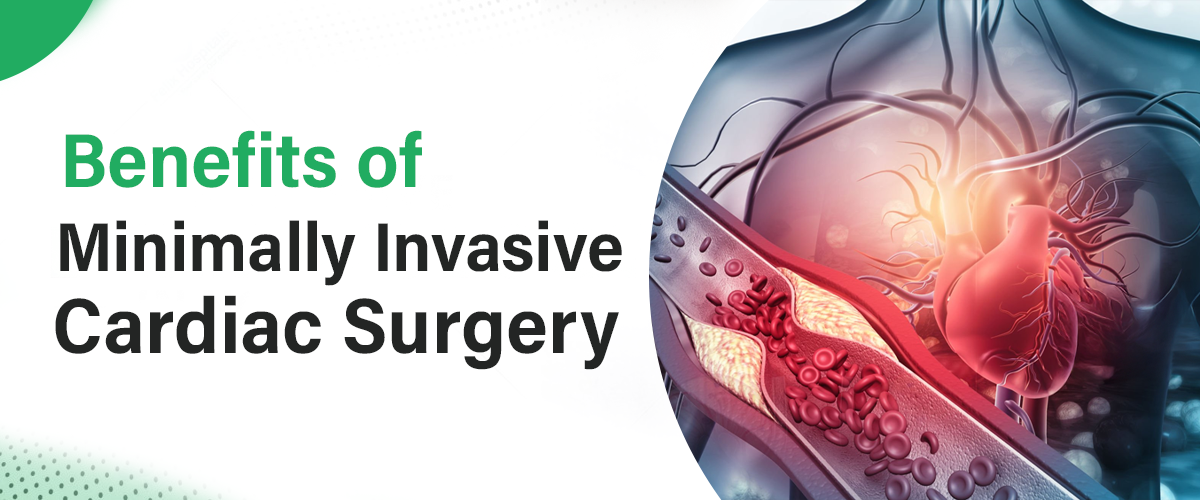
Minimally invasive cardiac surgery is a modern approach to treating heart conditions that aims to reduce the physical trauma associated with traditional open heart surgery. Instead of making a large incision, surgeons use smaller incisions and advanced tools, often guided by cameras, to perform the procedure. This technique is recommended because it typically results in less pain, reduced risk of infection, shorter recovery times, and minimal scarring. For many patients, these benefits translate into a quicker return to normal activities and an overall improved quality of life.
For top-notch minimally invasive cardiac surgery, click here or call +91 9667064100.
Minimally invasive cardiac surgery (MICS) represents a major leap forward in cardiac care, offering a less invasive alternative to conventional open-heart surgery. Unlike traditional methods that necessitate a large incision through the breastbone, MICS involves making several small incisions in the chest. Surgeons access the heart through these small openings, navigating through the spaces between the ribs.
This approach significantly reduces the trauma to the body and supports a quicker recovery. MICS can be used for a range of procedures, including valve repairs, coronary artery bypass grafting, and corrections of atrial septal defects, among others.
Minimally invasive cardiac surgery is generally preferred over traditional open-heart surgery for several key reasons. Traditional surgery requires a lengthy incision and considerable disruption of the chest wall, leading to prolonged recovery times and increased postoperative discomfort. On the other hand, MICS employs smaller incisions, resulting in less pain, minimal scarring, and a faster return to daily activities. Patients who undergo MICS often enjoy shorter hospital stays and experience fewer complications, such as infections and excessive bleeding. For those considering this approach, it's also worth noting that the minimally invasive cardiac surgery cost in Noida can be more affordable compared to traditional methods, offering an additional benefit.
Minimal Scarring
One of the most noticeable benefits of MICS is the minimal scarring it results in. Traditional open-heart surgery often leaves a prominent scar down the middle of the chest, which can be a significant concern for many individuals. In contrast, MICS involves smaller, strategically placed incisions that tend to heal with less noticeable scars, offering a more favorable cosmetic outcome.
Faster Recovery
Patients who opt for minimally invasive procedures often experience a quicker recovery compared to those undergoing open-heart surgery. The less invasive nature of MICS generally allows patients to resume normal activities within days to weeks, whereas traditional surgery typically requires several weeks or even months for a full recovery. This expedited recovery is due to the reduced trauma to the body and lower need for extensive pain management.
Reduced Discomfort and Pain
Minimally invasive cardiac surgery is associated with significantly lower levels of postoperative pain. By avoiding the need to cut through the breastbone, patients report less pain and require fewer pain medications. This reduction in discomfort not only enhances the immediate recovery experience but also contributes to a more positive overall healing process.
Lower Risk of Infection
The smaller incisions used in MICS result in a decreased risk of infection. With less exposure of the heart to external elements and a typically shorter hospital stay, the chances of postoperative infections are significantly lower. This is particularly advantageous for patients with pre-existing health conditions that could elevate their risk of complications. Choosing a reputable invasive cardiac surgery hospital can further ensure high standards of care and minimize infection risks.
Reduced Blood Loss
MICS usually involves less blood loss during the procedure, which can minimize the need for blood transfusions. The smaller incisions and less invasive techniques reduce the incidence of bleeding, a common concern in traditional open-heart surgeries. This aspect enhances patient safety and contributes to a faster recovery.
Lower Complication Rates
Overall, MICS is associated with fewer complications compared to traditional surgery. This includes reduced risks of bleeding, infection, and severe complications like stroke or heart attack. The minimally invasive approach creates a more controlled surgical environment, leading to improved outcomes and enhanced patient safety.
Dr. Rahul Arora
Dr. Rahul Arora, MBBS, MD, DM (Cardiology), is a distinguished Interventional Cardiologist with over 13 years of extensive experience. His expertise in Minimal Access Cardiac Surgery (MICS) highlights his innovative approach and dedication to advancing cardiology. With a strong academic foundation and a relentless commitment to enhancing patient outcomes, Dr. Arora stands out for his exceptional skills in delivering cutting-edge care through minimally invasive techniques.
Minimally invasive cardiac surgery presents several notable advantages compared to traditional open-heart procedures. It typically results in minimal scarring, faster recovery, reduced discomfort, lower infection risk, less blood loss, and fewer complications. As surgical techniques evolve, MICS is becoming an increasingly viable option for many patients requiring Heart Surgery. If you’re seeking minimally invasive cardiac care, there is available a range of best invasive cardiologists in Noida. It is advisable for individuals considering heart surgery to discuss the potential benefits of minimally invasive methods with their healthcare providers to determine the most suitable treatment approach for their specific needs.
Book your Consultation with our experts now! Click here or call +91 9667064100.
1. What heart conditions can be treated with minimally invasive surgery?
Minimally invasive surgery can address a variety of heart conditions, including valve repairs (such as for the mitral and aortic valves), coronary artery bypass grafting, and corrections of congenital heart defects like atrial septal defects.
2. Is minimally invasive cardiac surgery appropriate for everyone?
Not all patients are suitable candidates for minimally invasive surgery. The decision depends on factors such as the specific heart condition, the patient’s overall health, and the surgeon’s evaluation.
3. What is the typical recovery time after minimally invasive cardiac surgery?
Recovery times can vary, but many patients return to their regular activities within a few days to weeks after the procedure, which is notably faster compared to the recovery time needed after traditional open-heart surgery.
4. Are there risks involved with minimally invasive cardiac surgery?
While MICS generally involves fewer risks than traditional surgery, it is not without potential complications. These may include bleeding, infection, and, in rare cases, the need to convert to an open-heart procedure if complications arise during the surgery.
5. What is the cost of minimally invasive cardiac surgery in Noida?
The Cost of Minimally Invasive Cardiac Surgery in Noida can vary based on the complexity of the procedure and the hospital's facilities. On average, it ranges between ₹2,50,000 and ₹5,00,000. Consult local hospitals for precise estimates.
6. How long does minimally invasive cardiac surgery take?
Minimally invasive cardiac surgery typically takes 2 to 4 hours, depending on the procedure's complexity. The actual time can vary based on the individual’s condition and the specific surgical approach used.
7. What are the expected results of minimally invasive cardiac surgery?
Minimally invasive cardiac surgery generally leads to quicker recovery, less postoperative pain, minimal scarring, and a reduced risk of complications compared to traditional open-heart surgery. Most patients experience significant improvement in their heart health and quality of life.
Sudden cardiac arrest (SCA) is a medical emergency that occurs when the heart suddenly stops beating due to an electrical malfunction.


Subscribe to our
© Copyright 2026. All Rights Reserved by Felix Healthcare Private Limited
Design and development by :


 +(91)9667064100
 Emergency : +(91)9667064100