 Emergency:
  WhatsApp


Subscribe to our
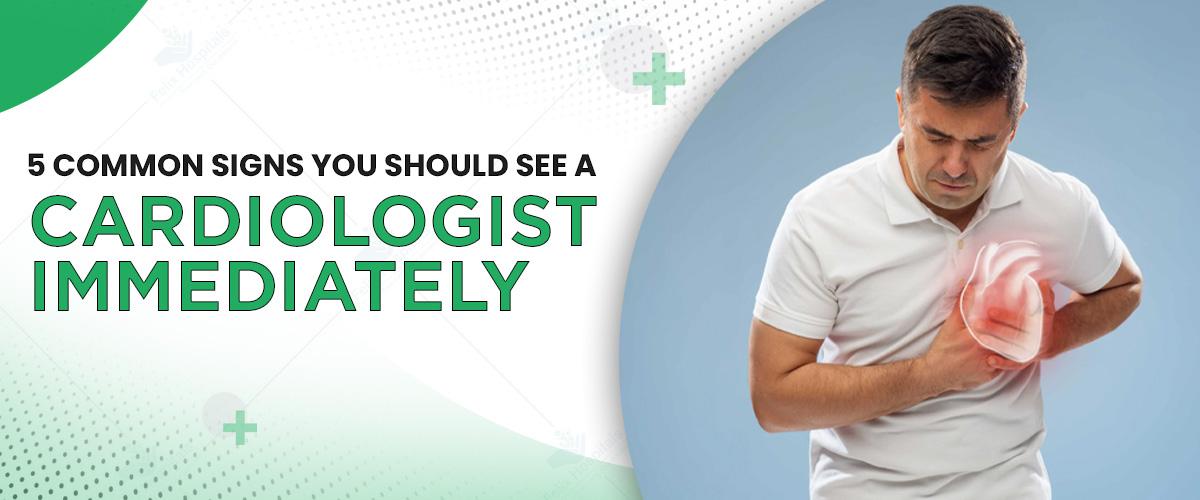
Your heart is what keeps you alive at all times, and it is important to remain attentive to its messages. If you're searching for a cardiologist appointment near me, or need effective heart disease treatment in Noida, it's crucial to recognize the early warning signs of heart problems. Understanding when to seek a cardiologist consultation can save your life or that of a loved one by ensuring timely care. This article reveals five typical symptoms that you need to see a cardiologist at once, and you will be able to save your cardiovascular health with this knowledge.
Experiencing chest pain or discomfort? Book your cardiologist appointment in Noida at +91 9667064100 for expert care.
Heart diseases normally are silent but at times come with some signs and symptoms that one cannot afford to overlook. Knowing these signs to see a cardiologist ensures early diagnosis and intervention.
Chest pain or discomfort is the most well-known heart problems symptom and one of the most urgent reasons to see a heart specialist. That pain can be experienced as a squeezing, pressure, tightness, or heaviness in the chest and extend to the arms, neck, jaw, back, or stomach. It may either happen at rest or during physical activities.
Not every chest pain occurs as a cardiac one, but in cases of persistent, recurrent, or persistent chest pain when it is accompanied by additional symptoms, such as nausea, sweating, or breathlessness, one has to seek urgent medical care.
New, increasing, or unrelated shortness of breath is an indicator of heart failure that may not be capable of delivering an adequate amount of oxygenated blood or the presence of fluid in the lungs. This precocious predictor of heart disease is usually accompanied by heart failure or ischemic diseases. Patients who report shortness of breath during rest or during light activity should also receive immediate cardiology evaluation.
The palpitations or the feeling that the heart is racing, jumping or fluttering point of hearts are a symptom of possible arrhythmias or irregular heartbeats. While sometimes benign, persistent or associated symptoms like dizziness or fainting require urgent cardiologist consultation. Arrhythmias may degrade the effectiveness of the heart and enhance the chances of stroke or myocardial infarction.
Heart failure is also associated with fluid retention (edema) due to the inability of the heart to pump effectively. Lower limbs, ankles, or abdominal swelling is a symptom that would require the visit to the cardiologist. The symptom indicates that the heart is not able to balance the quantity of the fluids and likely needs immediate medical treatment.
The constant fatigue, which cannot be replenished by any rest, multiple failures in accomplishing everyday tasks, and impaired physical shape are inconspicuous, yet valuable indicators suggesting that one may be having a heart failure. It may be chronic fatigue, which may manifest itself as the poor circulation of blood to muscles and organs, and it is necessary to assess cardiac activity.
Knowing when to consult a heart specialist urgently depends on symptom severity and progression. An urgent opinion should be sought when the pain in the chest is accompanied by sweating or nausea, the shortness of breath suddenly increases, palpitations are accompanied by dizziness or fainting, swelling should improve rapidly. In this case, a cardiologist should be consulted in case you have constant fatigue that negatively affects normal life.
A cardiologist consultation involves detailed evaluation, including history taking, physical examination, and diagnostic tests like ECG, echocardiography, and stress testing. The prompt diagnosis aids in initiating relevant treatment which can be lifestyle modification, drugs or interventional treatment to mitigate disease advancement and prevent heart attack.
There are risk factors that precondition the need to observe the symptoms of the heart closely:
The hypertension and cholesterol levels.
Smoking history
Heart disease in family history.
Physical inactivity and obesity.
Age over 40 years
Individuals who have these risk factors are advised to pay more attention to periodic screening and in case of signs of heart discomfort, they should consult a physician.
Preventive medicine is the best medicine:
Eat a heart-healthy diet, which is low in saturated fat, salt and sugar.
Should have regular physical activity that is prescribed by a doctor.
Deal with stress by meditating, counselling or relaxing.
Avoid smoking and have a reduced intake of alcohol.
Eat well and check blood pressure.
These habits will add to medical interventions in the prevention of complications of heart diseases.
During the visit, you will be assessed in terms of comprehensive evaluations depending on your symptoms and risks. Diagnostic clarity will be directed by imaging studies, blood tests and functional tests. Treatment, whether it is medicine, lifestyle change or referral to procedures will be discussed with your cardiologist. You can recover your heart functioning and enhance the quality of your life with individual care plans.
Don’t ignore breathlessness or palpitations—schedule a heart checkup today at +91 9667064100.
Recognizing the early warning signs of heart disease is vital for minimizing serious health consequences. Don't disregard your body message whether in terms of chest pain, difficulty in breathing, palpitations, swelling or even fatigue. If you need timely intervention, book a cardiologist appointment near me and access expert heart disease treatment in Noida. Consulting at early ages helps to save life and live healthier and longer as well as your family.
Q. 1. What are the most urgent symptoms that require a cardiologist visit?
Ans. Persistent or severe chest pain, unexplained shortness of breath, palpitations with dizziness or fainting, swelling in legs or abdomen, and sudden fatigue needing immediate evaluation.
Q. 2. Can shortness of breath alone mean a heart problem?
Ans. Yes, new or worsening breathlessness at rest or during light activity can indicate heart failure or ischemic heart disease and warrants urgent cardiac assessment.
Q. 3. How do irregular or rapid heartbeats affect heart health?
Ans. Arrhythmias can impair heart function and increase risks of stroke or heart attack, requiring diagnosis and treatment by a cardiologist.
Q. 4. Who is at higher risk and should be more vigilant about heart symptoms?
Ans. People over 40, those with diabetes, hypertension, high cholesterol, family history of heart disease, smokers, obese individuals, and physically inactive people.
Q. 5. What diagnostic tests can a cardiologist perform for early detection?
Ans. Electrocardiogram (ECG), echocardiography, stress testing, blood tests including cardiac enzymes and lipid profile help diagnose heart problems early
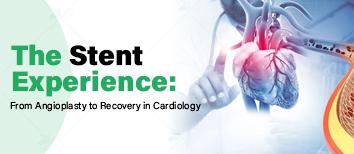
A stent procedure can be life-saving for those with blocked arteries. This guide walks you through the stent experience—from the angioplasty process to post-procedure recovery and lifestyle changes.

Subscribe to our
© Copyright 2026. All Rights Reserved by Felix Healthcare Private Limited
Design and development by :


 +(91)9667064100
 Emergency : +(91)9667064100