 Emergency:
  WhatsApp


Subscribe to our
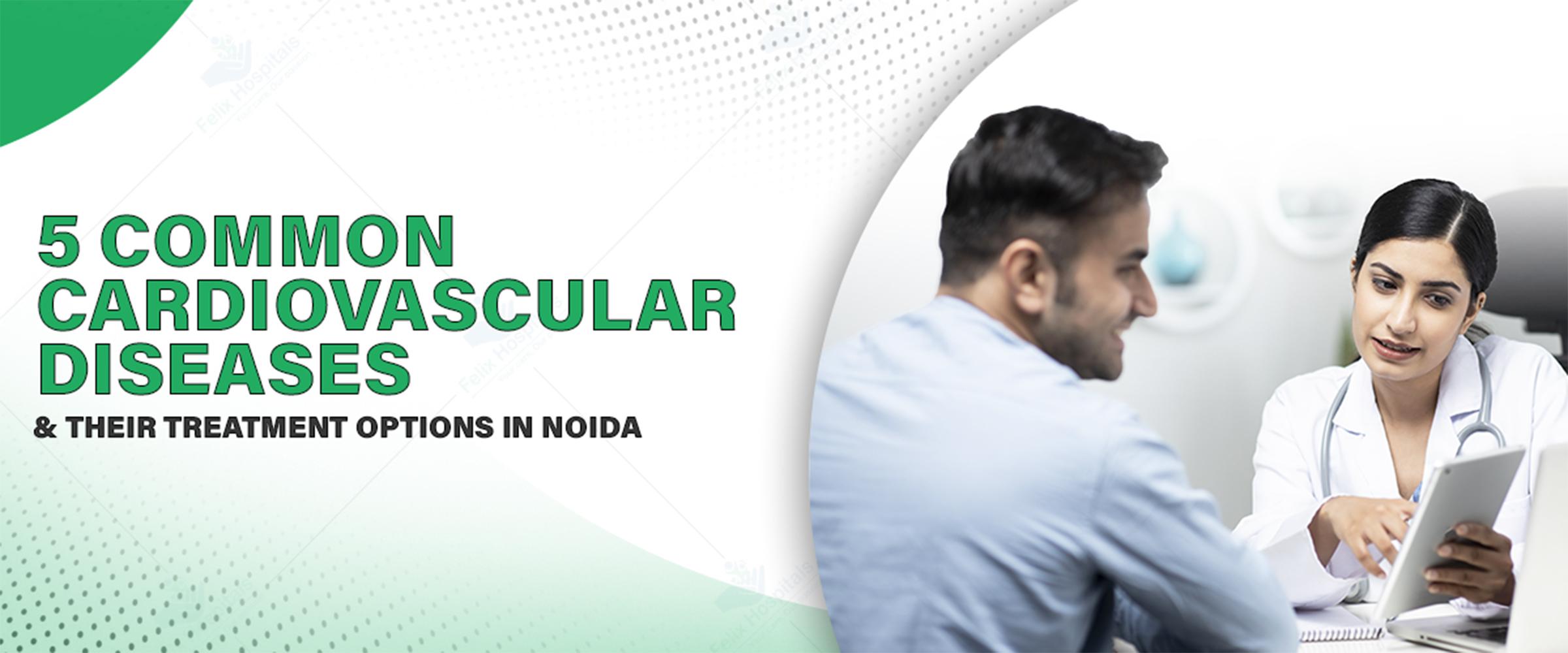
Cardiovascular disease is an overarching term for a broad range of various heart and blood vessel diseases that vary from coronary artery blockage and heart rhythm abnormalities to heart failure and stroke syndromes. For complicated patients needing specialized services, the choice of a Cardiovascular Diseases Hospital in Noida matters since integrated programs integrate emergency response, advanced imaging, cath labs, cardiac surgery, and rehabilitation under one roof to optimize outcomes for routine and complicated patients.
Modern management combines prevention, correct diagnosis, medication, minimally invasive techniques like angioplasty, and surgery when required, all in accordance with international evidence-based guidelines. Early diagnosis, management of risk factors, and proper follow-up are the pillars of long-term cardiac health and complication prevention. Five of the most common cardiovascular conditions, their treatment, and how to choose from the top Noida hospitals without naming them are included in this book.
If experiencing chest pain, breathlessness, sudden weakness in one side, or fast/uneven heart rate, obtain an immediate assessment by calling +91 9667064100.
Cardiovascular disease (CVD) comprises heart and vessel disease like coronary heart disease, stroke/cerebrovascular disease, peripheral arterial disease, heart failure, arrhythmias, valvular disease, and aortic disease.
Most CVDs driven by high blood pressure, cholesterol, smoking, diabetes, obesity, lack of exercise, and poor diet are fueled by atherosclerosis—plaque formation in arteries. Prevention is about controlling risks and adopting healthy habits in combination with appropriate medications and routine screening.
CAD is due to coronary artery narrowing by plaque, leading to angina, heart attacks, and heart failure if left untreated. Frequent symptoms are arm pain radiating to, chest tightness, breathlessness, or nausea, especially on effort.
Early reperfusion by primary PCI (angioplasty) or fibrinolysis in heart attacks is critical, followed by dual antiplatelet therapy and formal rehabilitation. Secondary prevention—statins, control of BP and diabetes, smoking, and cessation—is needed to avert recurrence.
Cerebrovascular disease involves brain blood supply: strokes need immediate identification with FAST (Face droop, Arm weakness, Speech difficulty, Time to call emergency).
Prevention intersects with cardiac management: control hypertension, lipids, atrial fibrillation, diabetes, and smoking to reduce risk. TIAs are prodromal events requiring urgent assessment and intense risk reduction to avoid completed strokes.
PAD refers to limb artery plaque accumulation, often with calf pain on ambulation (claudication), nonhealing ulcers, or cold hands and feet. Supervised exercise, smoking, statins, antiplatelets, and blood pressure/diabetes management are first-line treatments.
Endovascular angioplasty/stenting or bypass surgery in critical limb ischemia or lifestyle-limiting symptoms reestablish flow. PAD therapy also decreases heart attack and stroke risk in that atherosclerosis is not localized.
Heart failure is the failure of the heart to pump adequately, leading to fatigue, swelling, and shortness of breath. Guideline-based medical therapy improves survival and symptoms—usually ACE inhibitors/ARBs/ARNI, beta-blockers, mineralocorticoid receptor antagonists, and SGLT2 inhibitors, with diuretics for congestion.
Device therapy (CRT, ICD) helps select patients with conduction delays or life-threatening arrhythmias, and advanced cases are referred to mechanical support or transplant in referral centers. Cardiac rehabilitation and diet/salt restriction are the cornerstone of long-term control.
Arrhythmias are rhythm disturbances that can cause palpitations, dizziness, or stroke risk in atrial fibrillation.
Pacemakers or defibrillators are utilized in bradyarrhythmias or potentially fatal ventricular rhythms to prevent syncope and sudden death. Specialized EP laboratories in advanced cardiac centers offer mapping and ablation facilities to treat complex arrhythmias.
Coronary Artery Disease: Modification of lifestyle, cardiac medications (statins, antiplatelets, beta-blockers, ACEi/ARBs), angioplasty with stent (PCI) or bypass surgery (CABG) according to requirements.
Stroke/TIA (Cerebrovascular): Emergent imaging; intravenous thrombolysis or thrombectomy for ischemic stroke in time windows; blood pressure control; antiplatelet/anticoagulation and risk factor modification.
Peripheral Arterial Disease: Supervised exercise, smoking control, statins/antiplatelets; endovascular angioplasty/stenting or surgical bypass in severe or limb-threatening disease.
Heart Failure: Guideline-directed medications (ARNI/ACEi/ARB, beta-blocker, MRA, SGLT2i), diuretics, salt/fluid restriction; devices (ICD/CRT) and advanced therapies as necessary.
Arrhythmias: Rate/rhythm-control medications, risk-directed anticoagulation, catheter ablation in certain cases; pacemaker for bradycardia and ICD for malignant ventricular rhythms.
Capabilities and accreditation: Look for 24/7 emergency response, a dedicated coronary care unit/ICU, a cath lab, cardiac anesthesia, and post-acute cardiac rehabilitation to treat the entire continuum of care.
Clinical scope: Deliver access to noninvasive imaging, interventional cardiology, electrophysiology, and cardiothoracic surgery if advanced disease is probable, to tailor cardiovascular disease treatment in Noida without referral or delay.
Evidence-based pathways: Acute coronary syndromes, chronic coronary disease, and hypertension in hospitals following current guidelines have safer and more predictable outcomes.
Team skill: Multidisciplinary teams of highly trained cardiovascular doctors in Noida, intensivists, neurologists (for stroke), vascular surgeons, and rehabilitation specialists enable comprehensive care beyond one intervention.
Time-critical systems: Door-to-needle and door-to-balloon times, and stroke code activation, in instances of suspected stroke or myocardial infarction, are significant markers of high-quality emergency care.
Continuity of care: Effective follow-up programs, patient education, medication optimization, and risk-factor clinics reduce readmission and future recurrences.
Patient feedback and transparency: Review sites and local directories may provide insights about scope of service, patient satisfaction, and real-world information like access and coordination.
Location and access: Stay close to medical facilities can be very important during emergencies, choose facilities that are just minutes away.
For new or unfamiliar symptoms—or for a preventive check-up—make an appointment and ask specifically for cardiovascular disease treatment.
Cardiovascular disease is an umbrella term for a group of diseases—coronary artery disease, stroke, peripheral arterial disease, heart failure, and arrhythmias—with their own symptoms and proven treatments. Care is improved when patients receive rapid assessment, correct diagnosis, and guideline-driven treatment, from medications and cardiac rehabilitation to angioplasty, ablation, or surgery as needed.
Noida is home to some of the world’s best hospitals, cath labs, and full-service cardiology centers, supported by multidisciplinary teams. Consulting the best cardiologist in Noida ensures patients receive comprehensive heart care with timely interventions and advanced treatment options.
Prevention remains the foundation: managing blood pressure, cholesterol, diabetes, weight, and smoking while adopting regular exercise and a heart-healthy diet significantly lowers risk and aids recovery. With informed choices, expert guidance, and timely treatment, most individuals can live well with cardiovascular disease and maintain long-term heart and brain health.
Q1. How can I distinguish between heart and acidity induced chest pain?
Ans: Chest pain is usually pressure/heaviness with breathlessness, sweating, or pain in the jaw/arm—treat as urgent; acidity usually burns after food and is relieved by antacids.
Q2. What should I do first if I believe I am having a heart attack or stroke at home?
Ans: Call emergency services right away; do not drive yourself—only take a doctor-ordered aspirin if not allergic and not bleeding.
Q3: Can cardiovascular diseases be reversed by the lifestyle change alone?
Ans: Risk can be greatly reduced and some plaque stabilized, but many patients continue to be on medications and, in some cases, procedures.
Q4: Do I have to take lifetime medications following a heart attack?
Ans: Most patients need extended therapy (e.g., antiplatelets, statins, BP and diabetes management) tailored by the cardiologist.
Q5. Is cardiac rehabilitation really needed?
Ans: Yes—it improves fitness, reduces complications, and reduces readmissions with exercise supervised and education.
Dr. Rahul Arora is an experienced Interventional Cardiologist with 21+ years of expertise in advanced cardiac care, specializing in personalized, evidence-based treatment for heart diseases and improved patient outcomes.
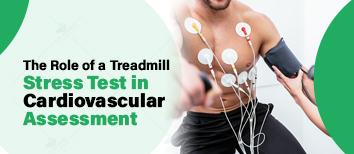
The primary goal of the Treadmill Stress Test is to evaluate how well the heart responds to increased physical activity
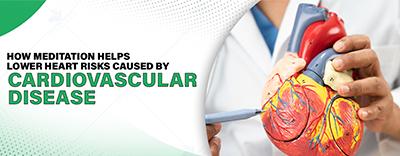
Meditation reduces stress, lowers blood pressure, and improves heart health, helping to prevent cardiovascular disease.

Subscribe to our
© Copyright 2026. All Rights Reserved by Felix Healthcare Private Limited
Design and development by :


 +(91)9667064100
 Emergency : +(91)9667064100